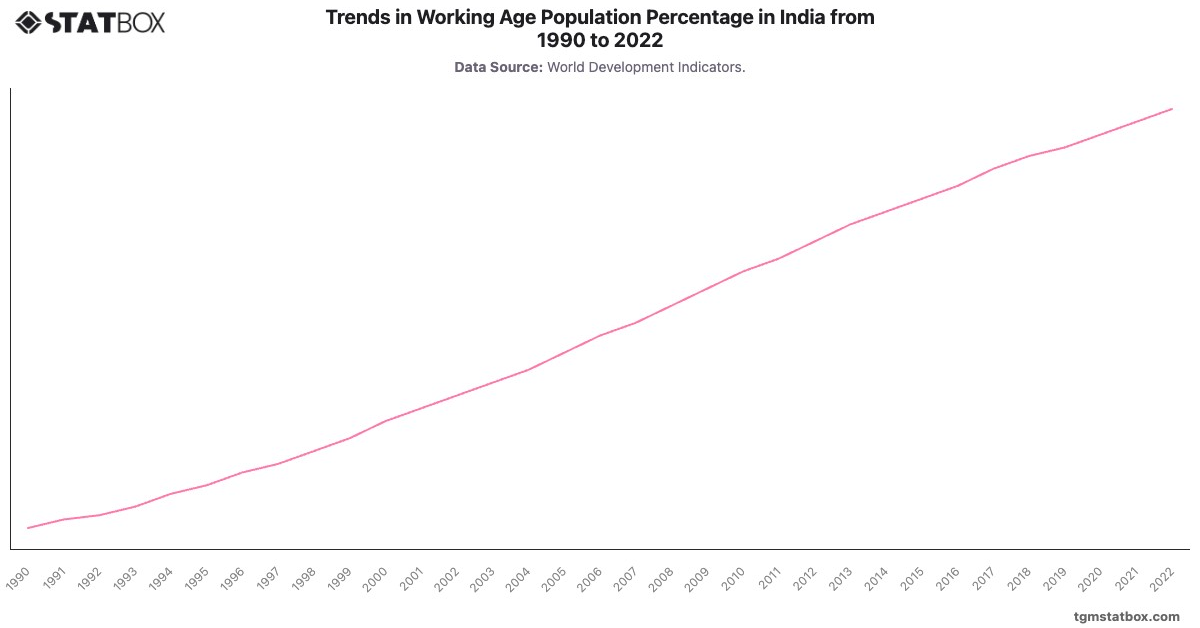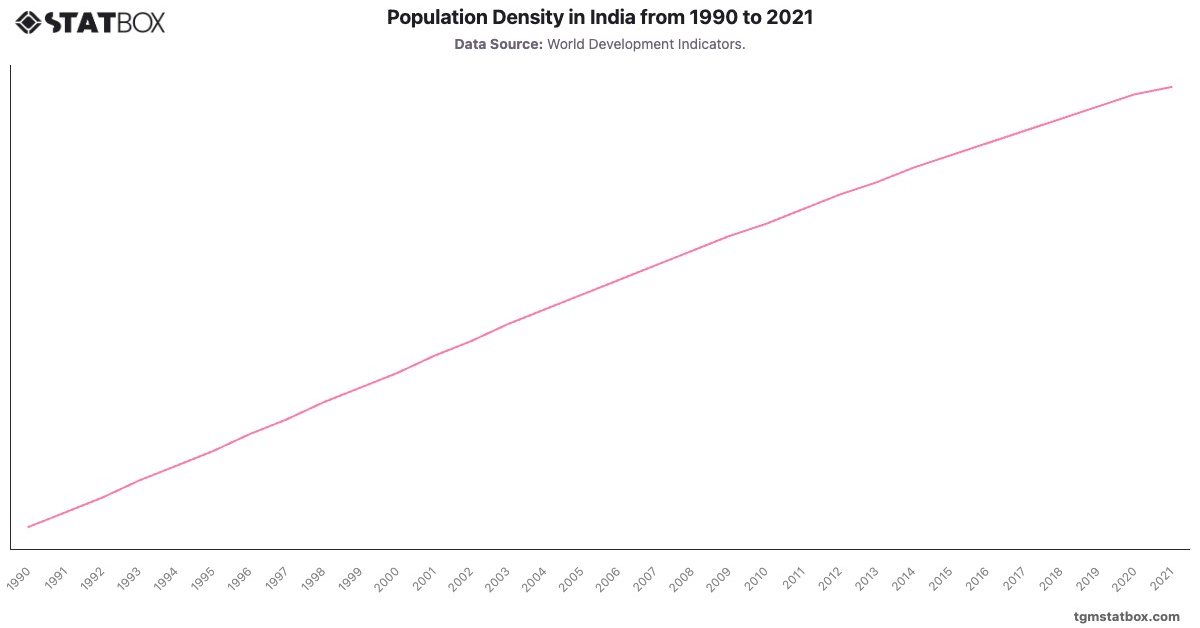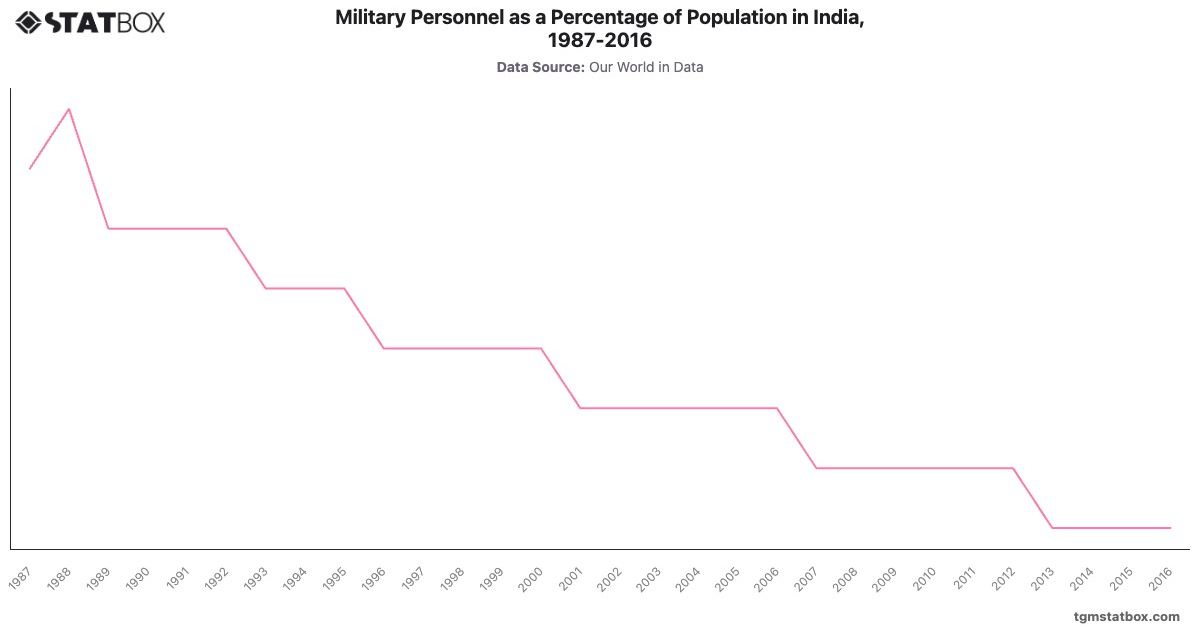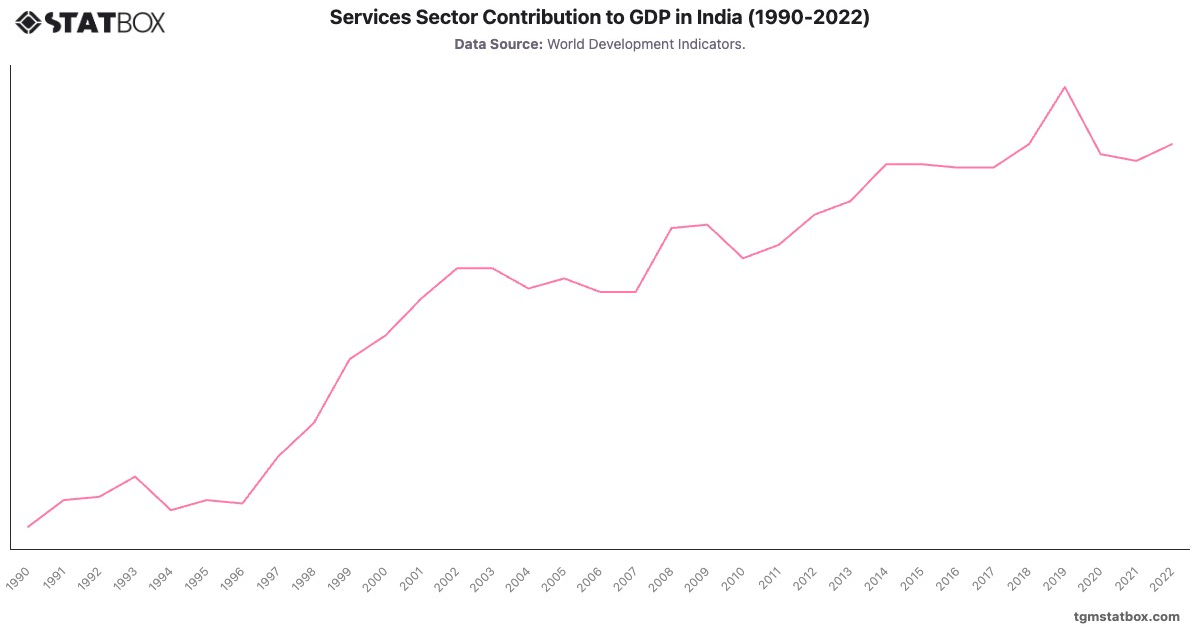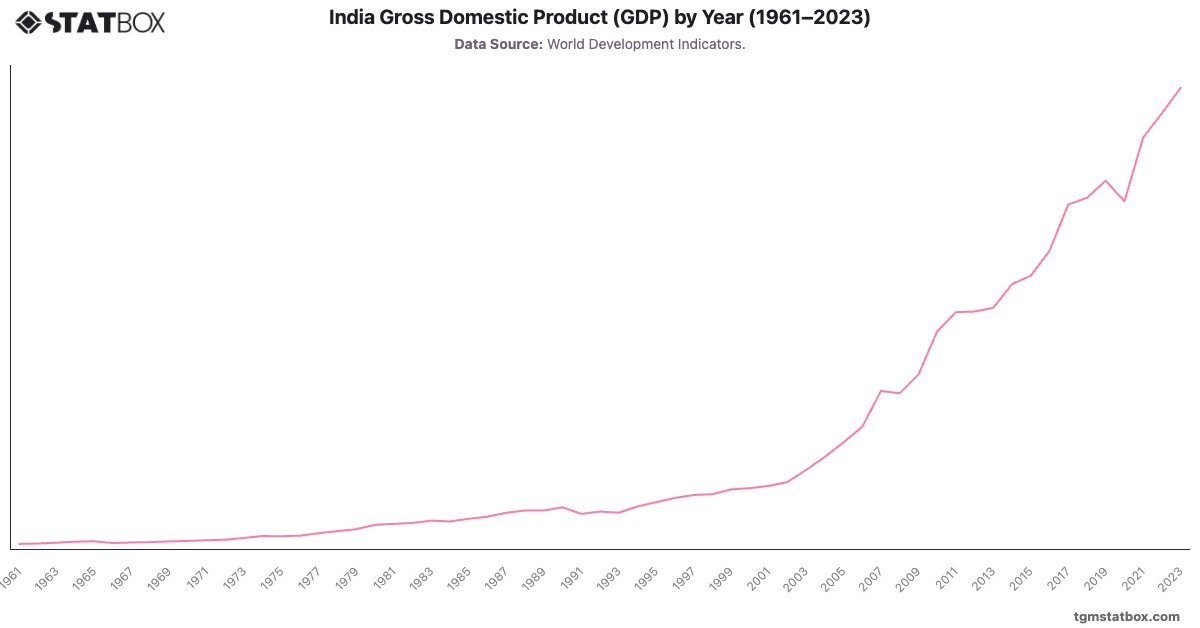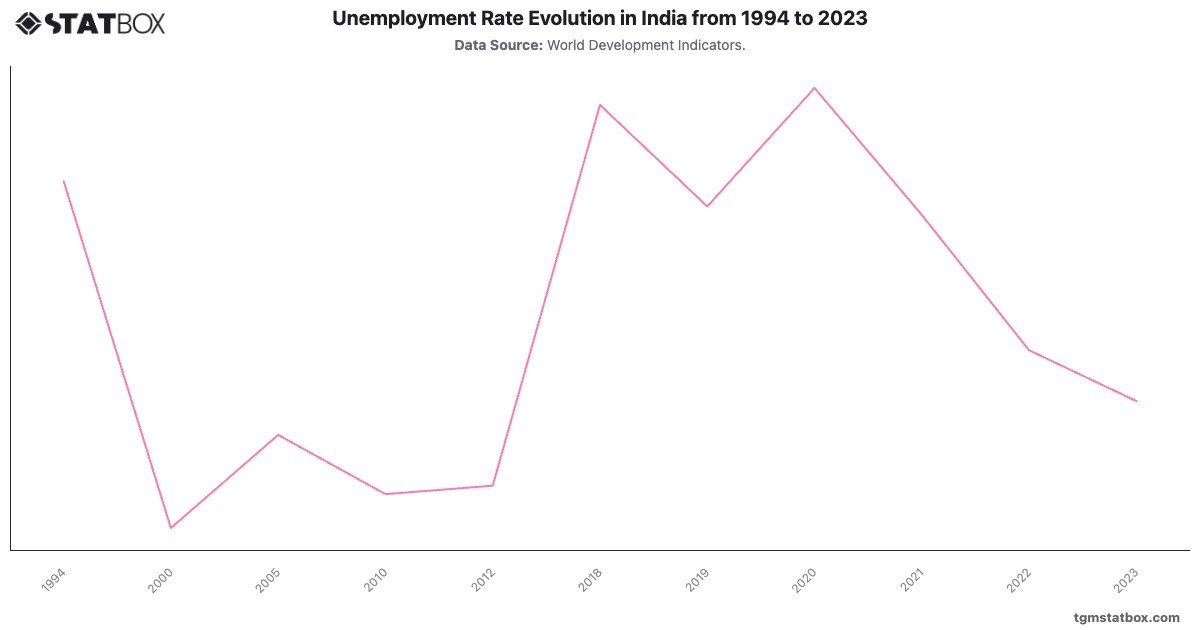
The unemployment rate in India showed significant fluctuations from 1994 to 2023, influenced by economic reforms, population growth, and various global events. In 1994, the rate stood at , a period marked by the early stages of India's economic liberalization. A notable decline followed, with the rate dropping to by 2000 as economic opportunities expanded and more people joined the workforce. However, challenges emerged over the next decade, and by 2010, the unemployment rate stabilized around , reflecting a maturing economy but also constraints in job creation relative to rapid population growth.
From 2018 onwards, the unemployment rate rose sharply, reaching as structural changes in the economy and rural-to-urban migration created pressure on job markets. The COVID-19 pandemic exacerbated this trend in 2020, with a peak at before a gradual recovery began. By 2023, the rate had fallen to , indicating improved labor conditions and economic recovery efforts. This reduction highlights both resilience and the challenge of creating stable employment amidst economic transformation and a young workforce eager for sustainable opportunities.
From 2018 onwards, the unemployment rate rose sharply, reaching as structural changes in the economy and rural-to-urban migration created pressure on job markets. The COVID-19 pandemic exacerbated this trend in 2020, with a peak at before a gradual recovery began. By 2023, the rate had fallen to , indicating improved labor conditions and economic recovery efforts. This reduction highlights both resilience and the challenge of creating stable employment amidst economic transformation and a young workforce eager for sustainable opportunities.
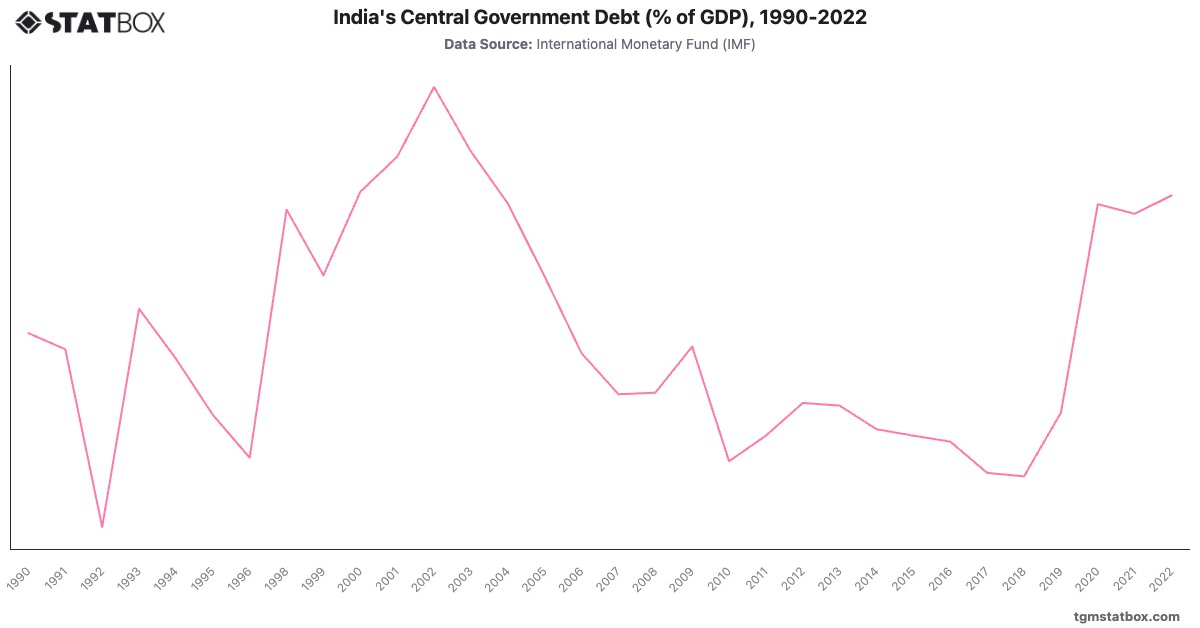
For a deeper dive into the topic, explore India’s mortality rate trends, India’s population growth rates, India’s government debt share in GDP.