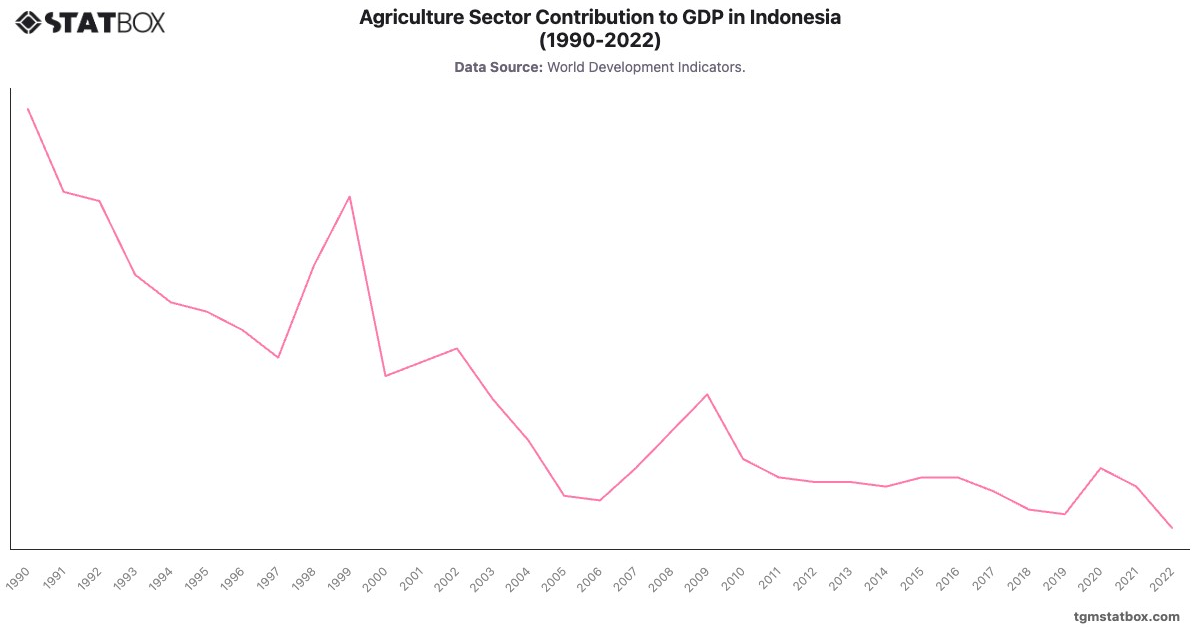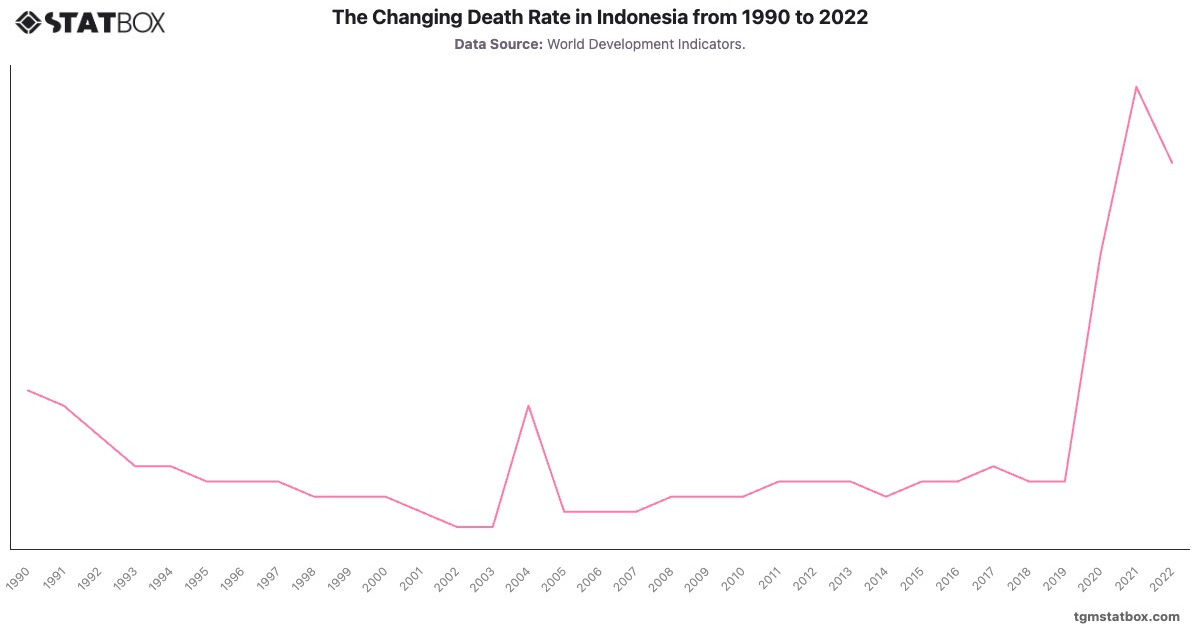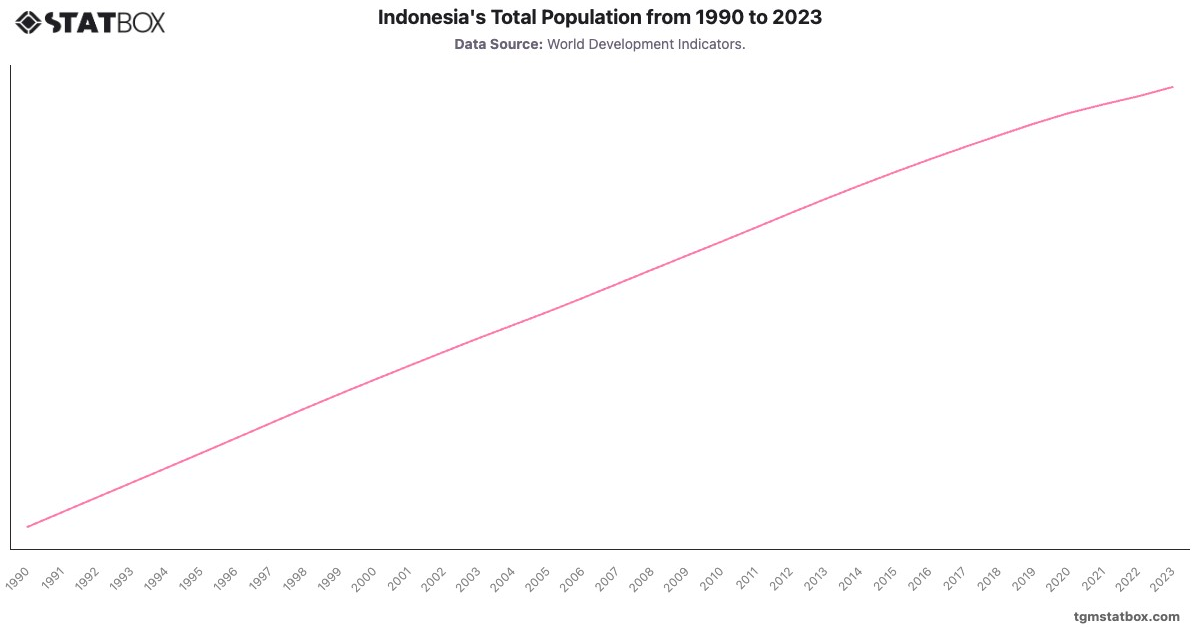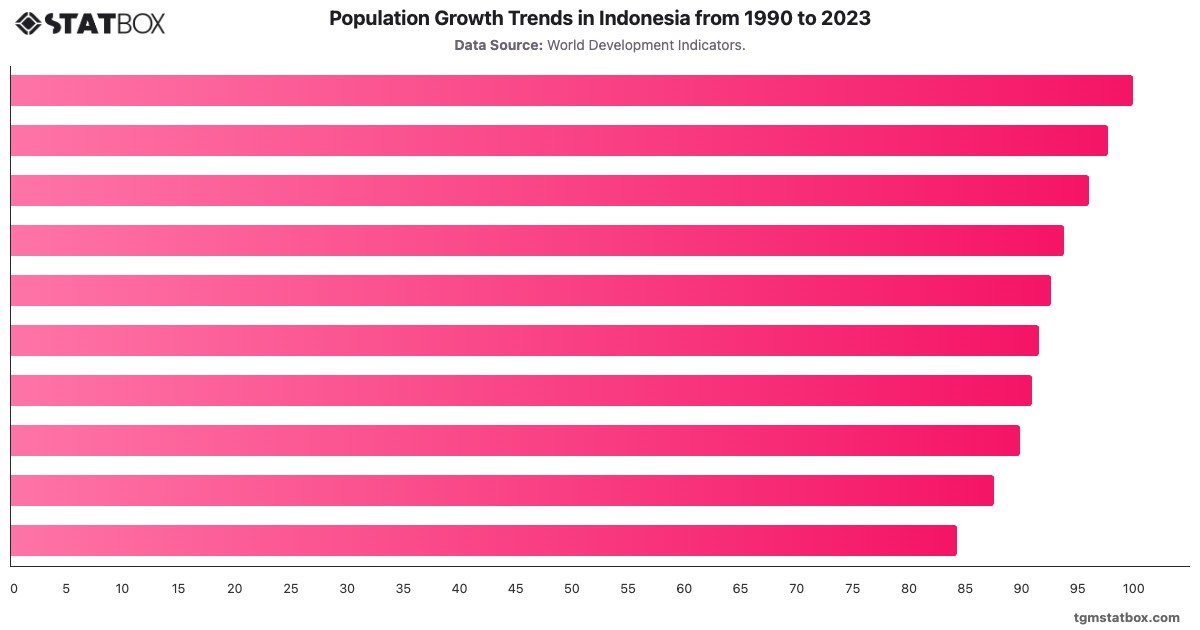
Indonesia's population growth rate declined steadily from in 1990 to in 2021. The gradual decrease reflects government-led family planning programs introduced in the 1970s, which succeeded in reducing fertility rates over time. Economic development also contributed by increasing urbanization and shifting societal norms around family size.
Despite the decline, Indonesia’s population growth remained relatively stable between 2000 and 2010 at around . The drop to in 2022 and a slight rebound to in 2023 may reflect recovery from pandemic-related disruptions and a young demographic profile that continues to drive moderate growth.
Despite the decline, Indonesia’s population growth remained relatively stable between 2000 and 2010 at around . The drop to in 2022 and a slight rebound to in 2023 may reflect recovery from pandemic-related disruptions and a young demographic profile that continues to drive moderate growth.
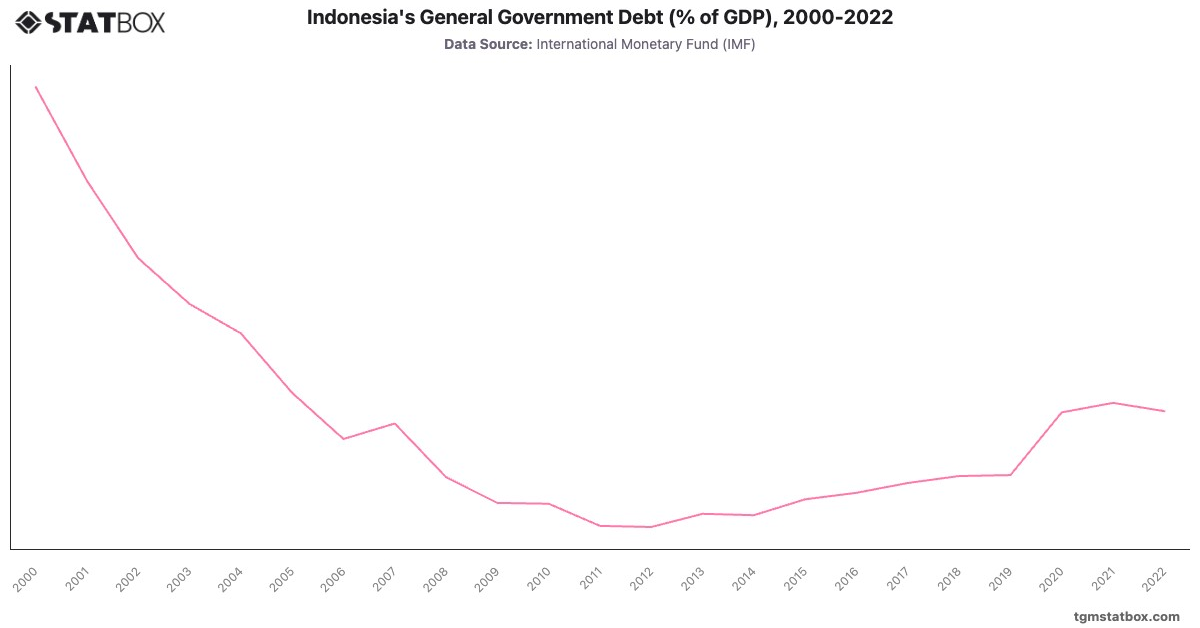
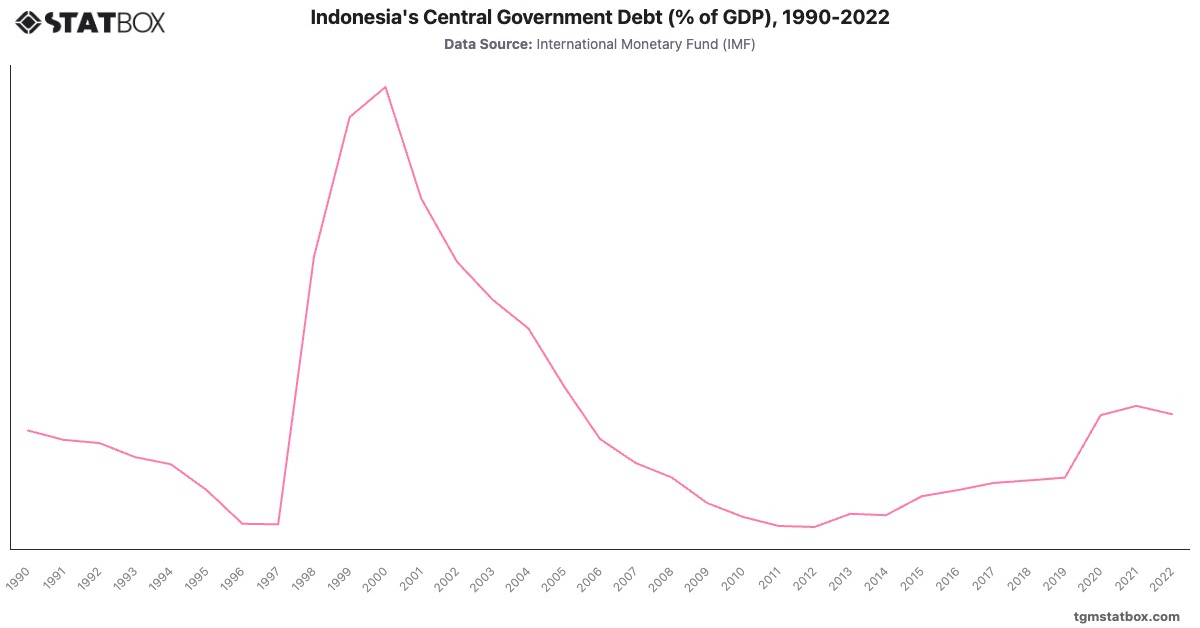
For a broader context, visit other statistics on Indonesia’s manufacturing sector share in GDP, Indonesia’s working-age population trends, Indonesia’s government debt-to-GDP ratio.