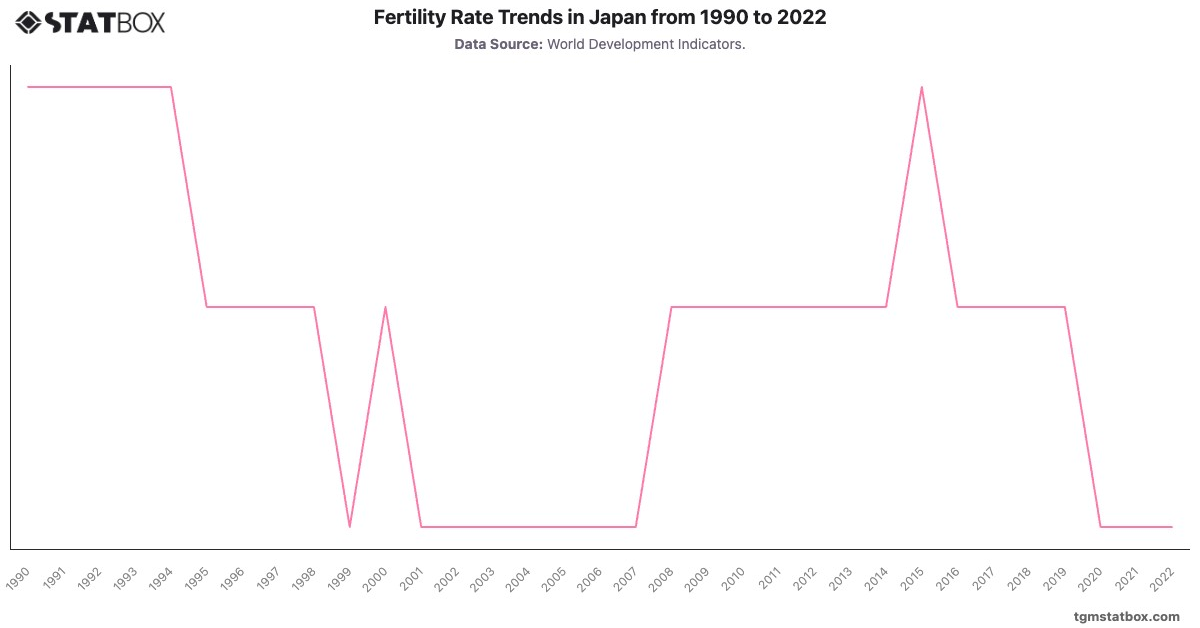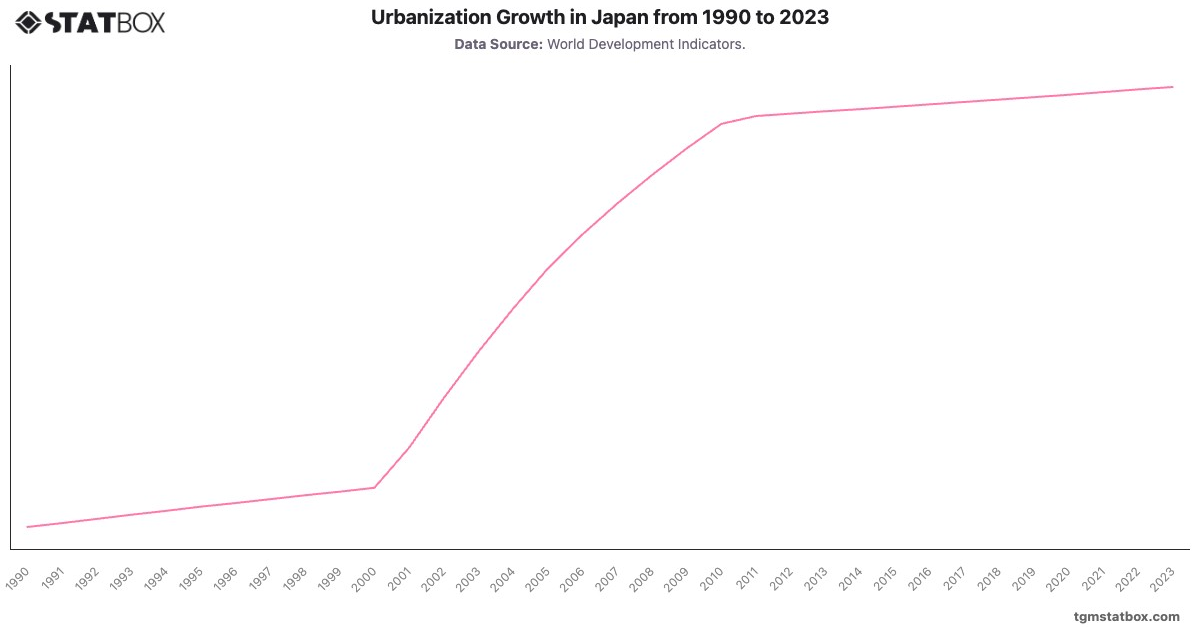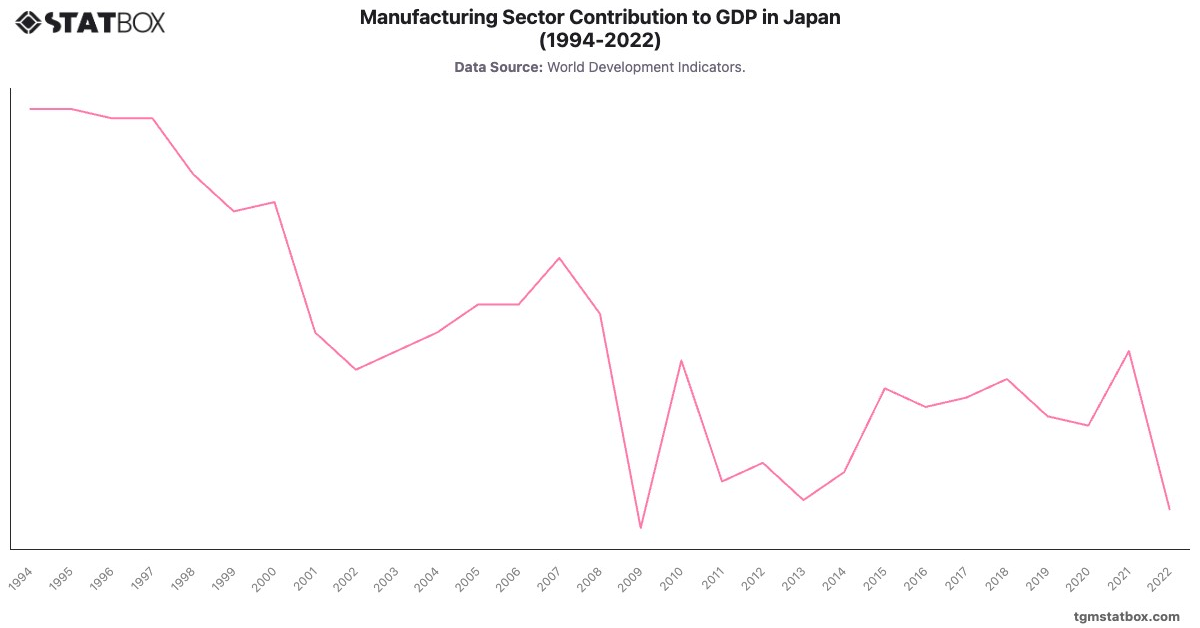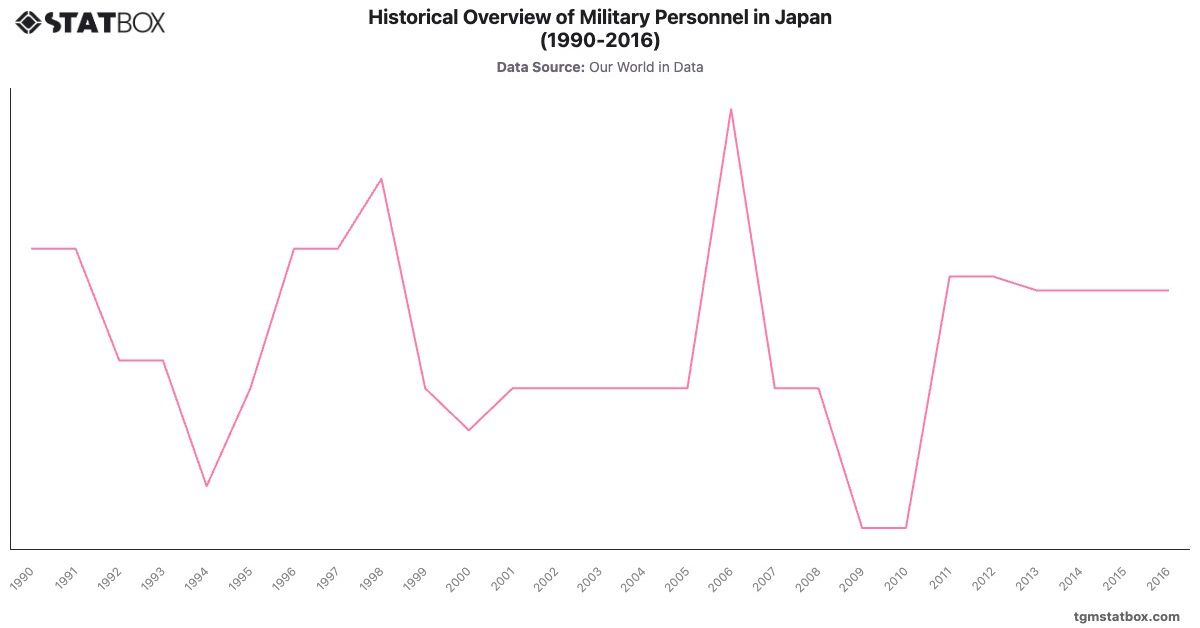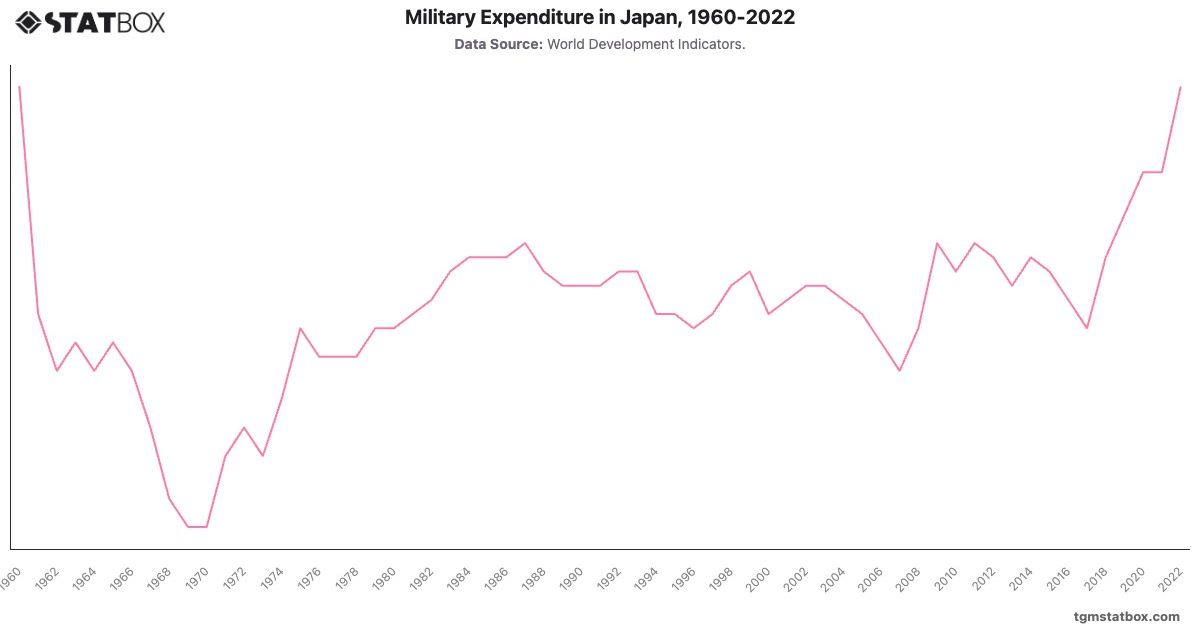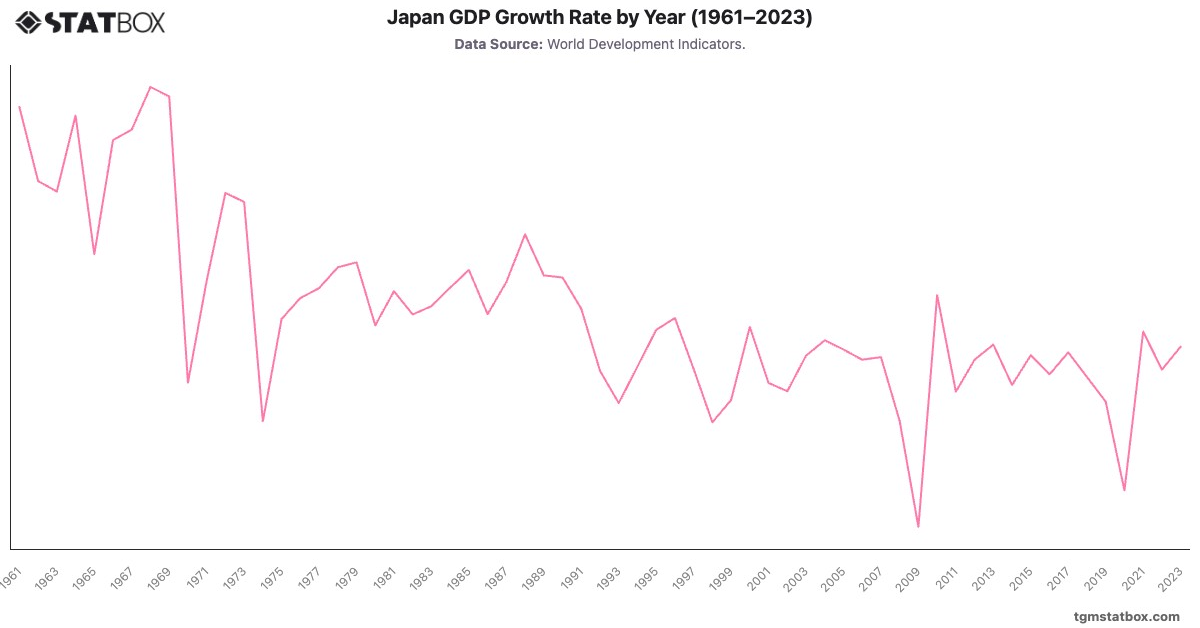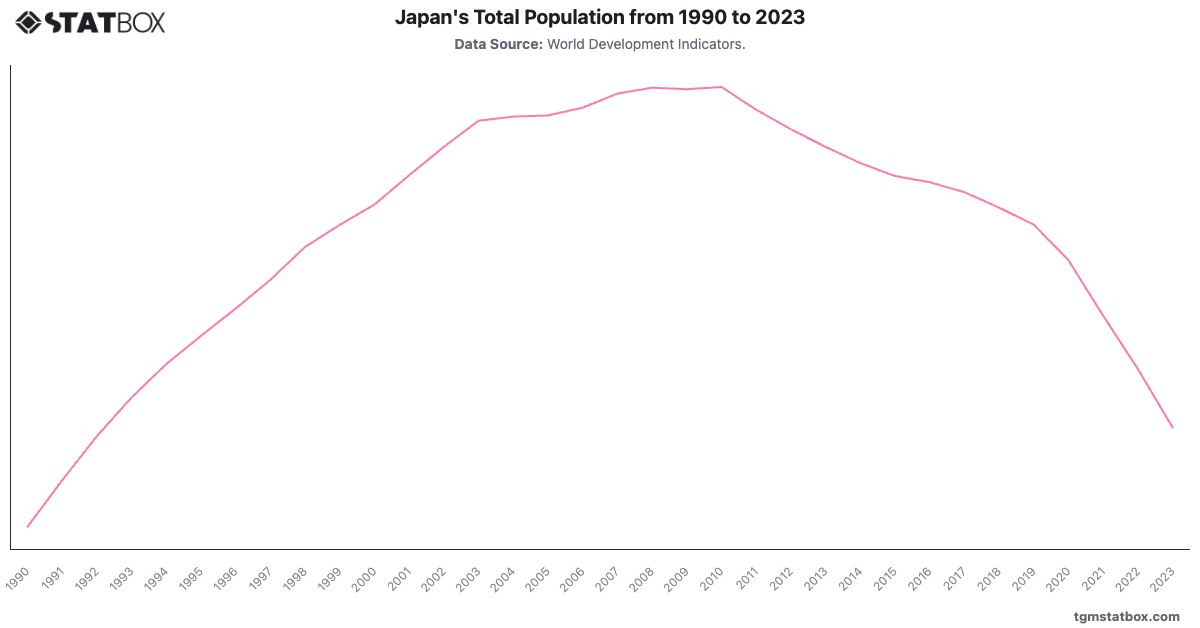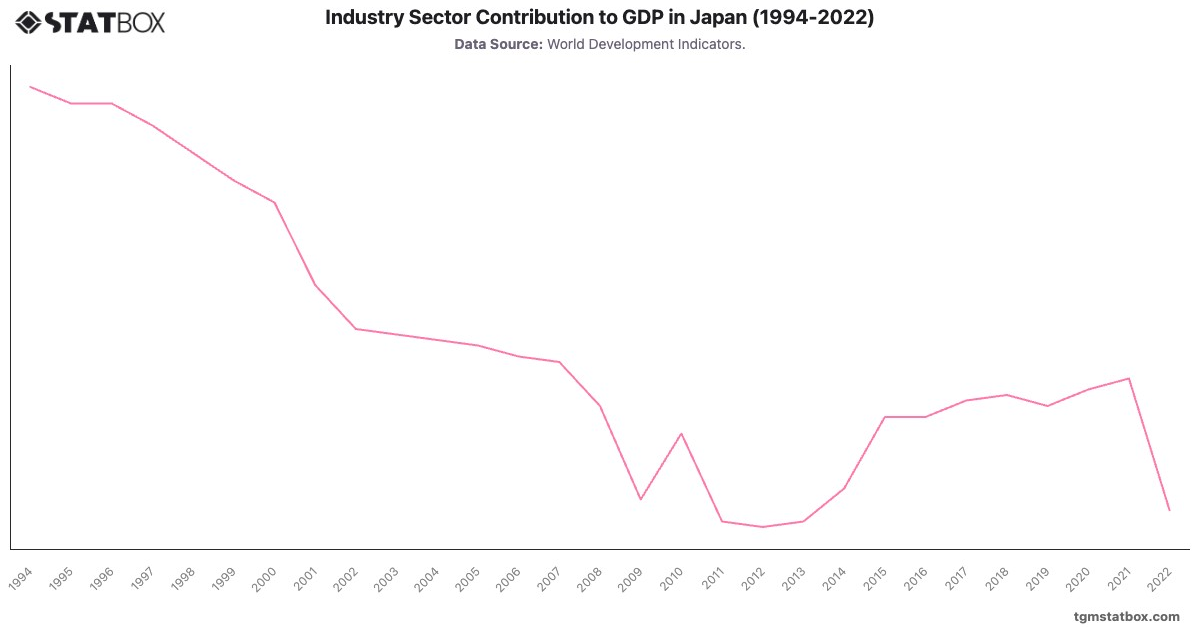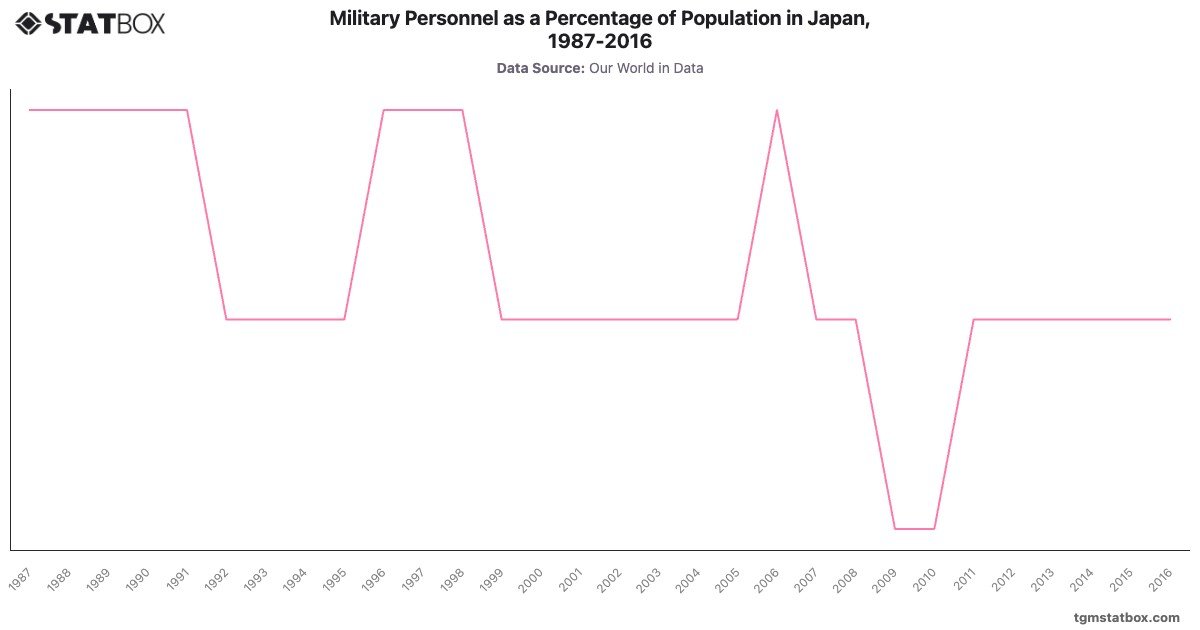
Japan’s military personnel percentage remained stable at from 1987 to 2016, reflecting the country’s long-standing post-World War II policy of pacifism and minimal defense forces under its constitution. This consistent level aligns with Japan’s Self-Defense Forces' limited role, primarily focused on territorial protection and disaster response. Japan’s substantial urbanization during these years did not influence an increase in military personnel, as the country continued to rely on its economic strength and alliance with the United States for security.
Urban growth in Japan, with Tokyo as one of the world's largest metropolises, supported Japan’s focus on civilian infrastructure and economic development over defense expansion. This long-term stability in military personnel percentage underscores Japan’s strategic choice to prioritize urban growth and economic development while maintaining a restrained defense profile.
Urban growth in Japan, with Tokyo as one of the world's largest metropolises, supported Japan’s focus on civilian infrastructure and economic development over defense expansion. This long-term stability in military personnel percentage underscores Japan’s strategic choice to prioritize urban growth and economic development while maintaining a restrained defense profile.
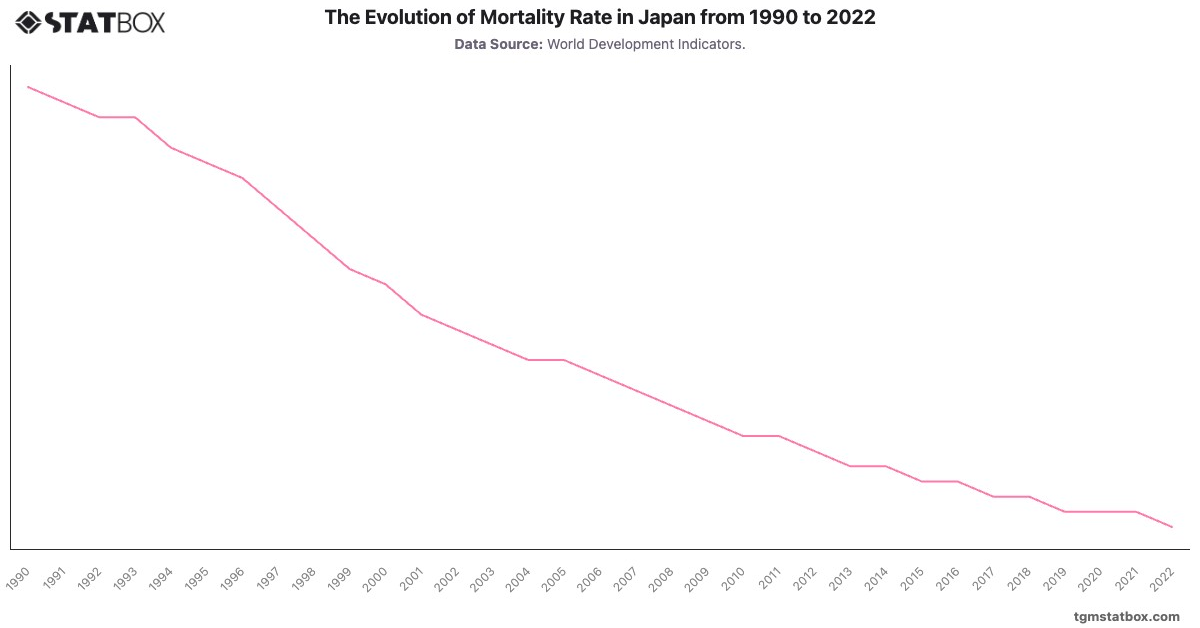
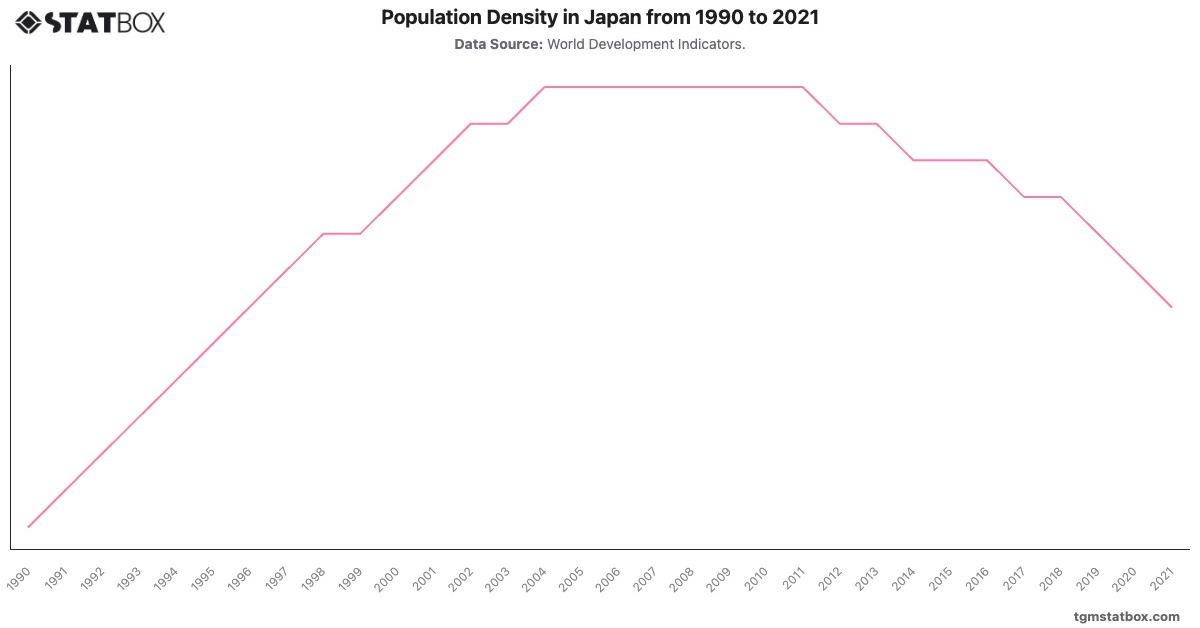
Gain a broader perspective by reviewing Japan’s population density estimate, overview of Japan’s military personnel, Japan’s mortality rate.