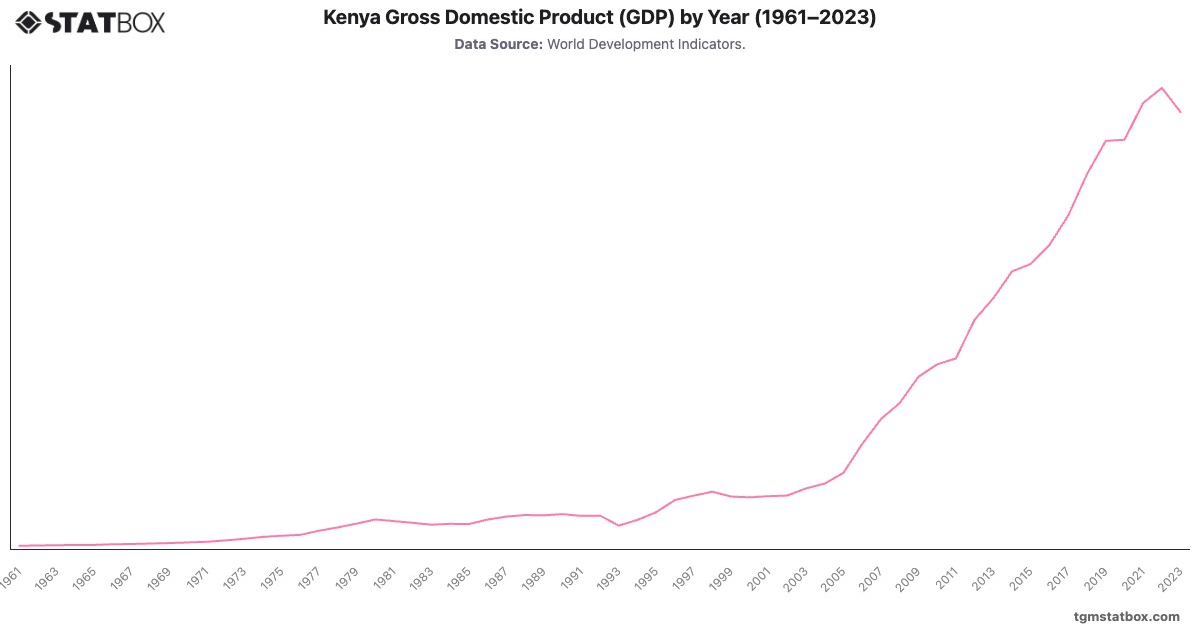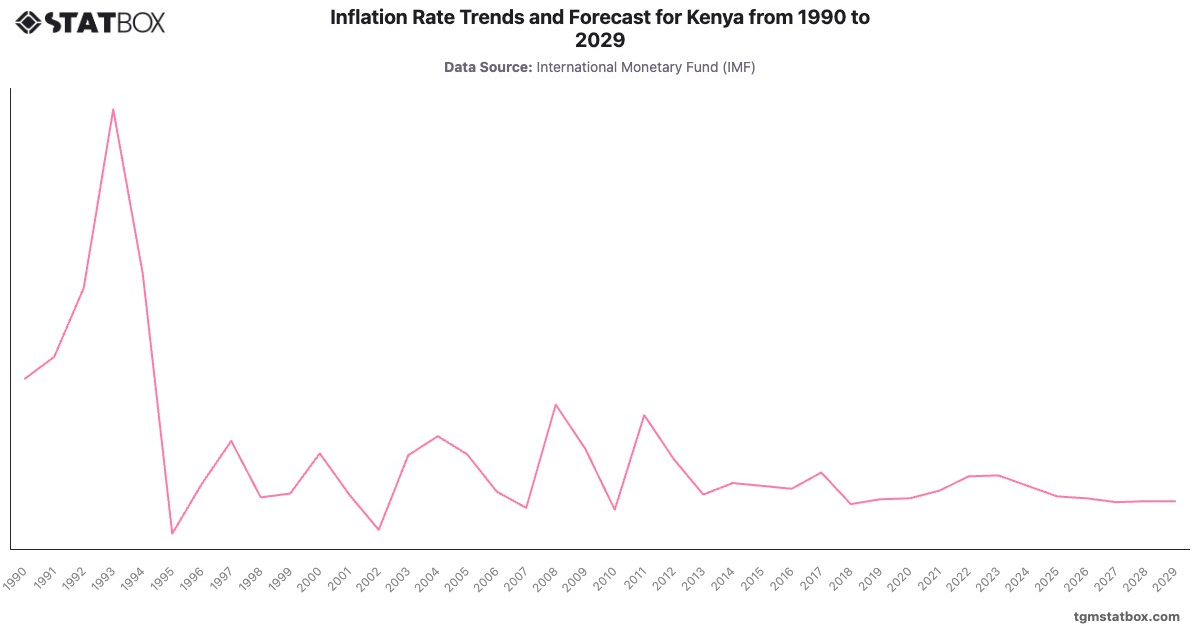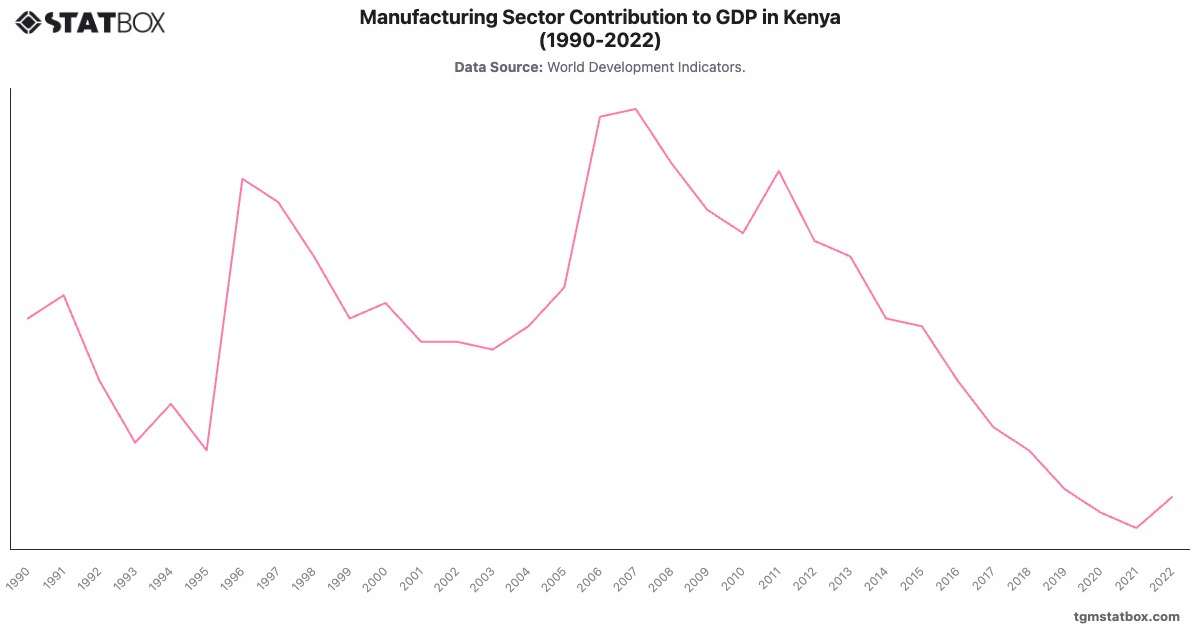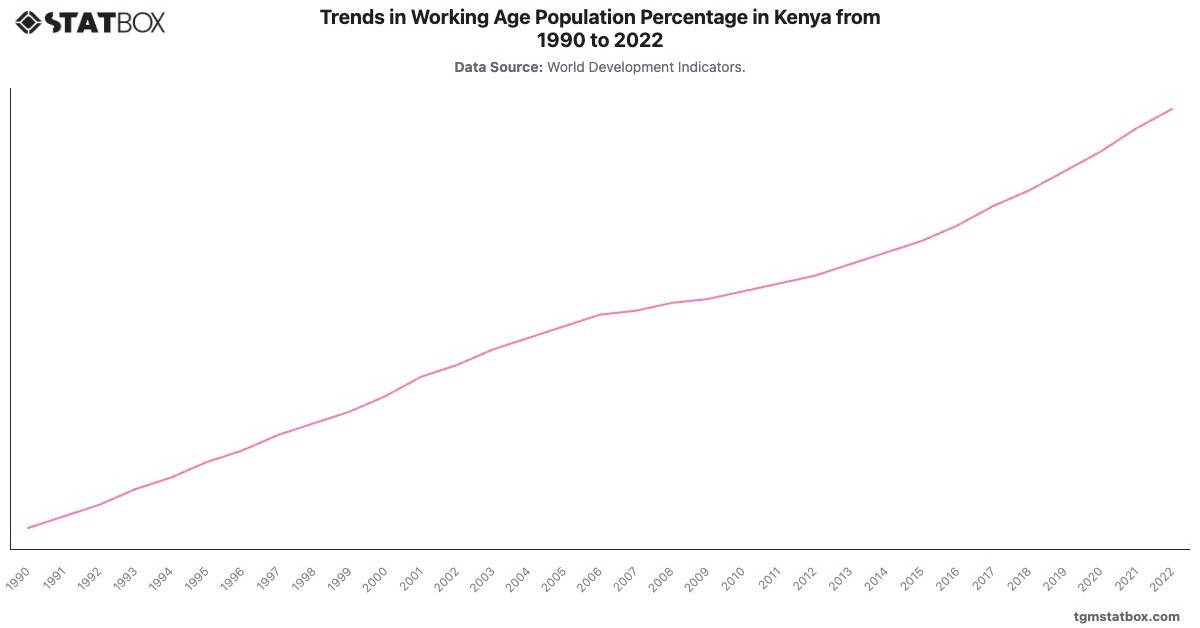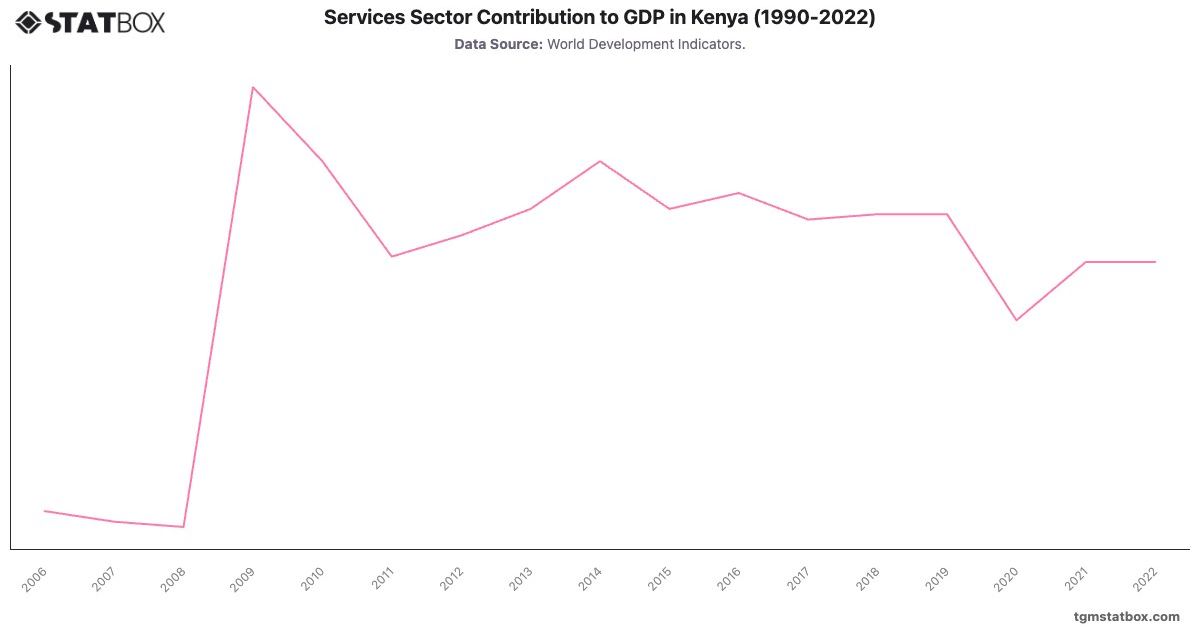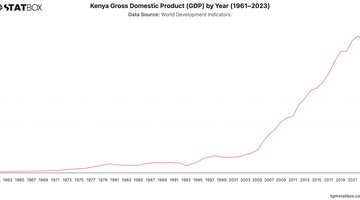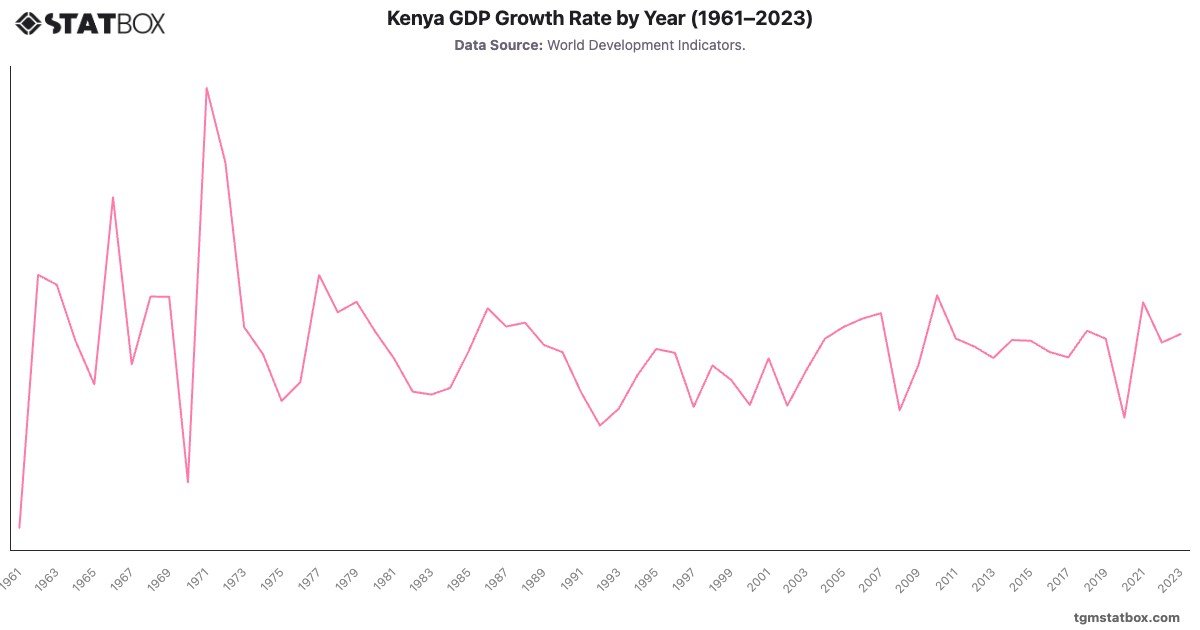
Kenya's GDP growth from 1961 to 2023 highlights an economy shaped by a mix of internal reforms, external shocks, and significant global trends. The early 1960s reflect this volatility, with a sharp contraction of - in 1961, likely due to post-colonial challenges as Kenya transitioned to independence. However, the subsequent years showed a swift recovery, with growth reaching by 1962, buoyed by the establishment of key industries, especially in agriculture and tourism.
The 1970s saw continued fluctuations, with moments of strong growth like in 1966 and more tempered gains in other years. A standout year was 1971, when the economy surged by . This was largely driven by the global coffee boom, as Kenya’s exports benefited from high prices, coupled with improved infrastructure investment. However, the 1970s oil crisis and political instability in the region weighed heavily, bringing growth down to a modest by 1975.
The 1980s were marked by a steady but slower growth trajectory, reflecting the global recession and ongoing domestic structural issues. In 1979, Kenya’s economy expanded by , yet growth faltered throughout the decade due to droughts, corruption, and political uncertainties. These factors contributed to low or even negative growth, such as - in 1992, reflecting the cumulative challenges of poor governance and the need for economic diversification.
Entering the 2000s, the country’s growth began to stabilize, supported by economic reforms and infrastructure development. The introduction of Vision 2030 in 2008 marked a pivotal shift toward sustained development, yet the global financial crisis that year resulted in near-zero growth (). Nevertheless, Kenya’s recovery was robust, with growth surging by in 2010 as agriculture, manufacturing, and services sectors strengthened, and investment in technology surged.
Despite challenges like the COVID-19 pandemic, which caused a brief contraction of - in 2020, Kenya’s economic fundamentals remained resilient. The rebound to in 2021 was driven by the digital economy, agricultural production, and favorable international conditions, solidifying Kenya’s position as one of Africa’s fastest-growing economies.
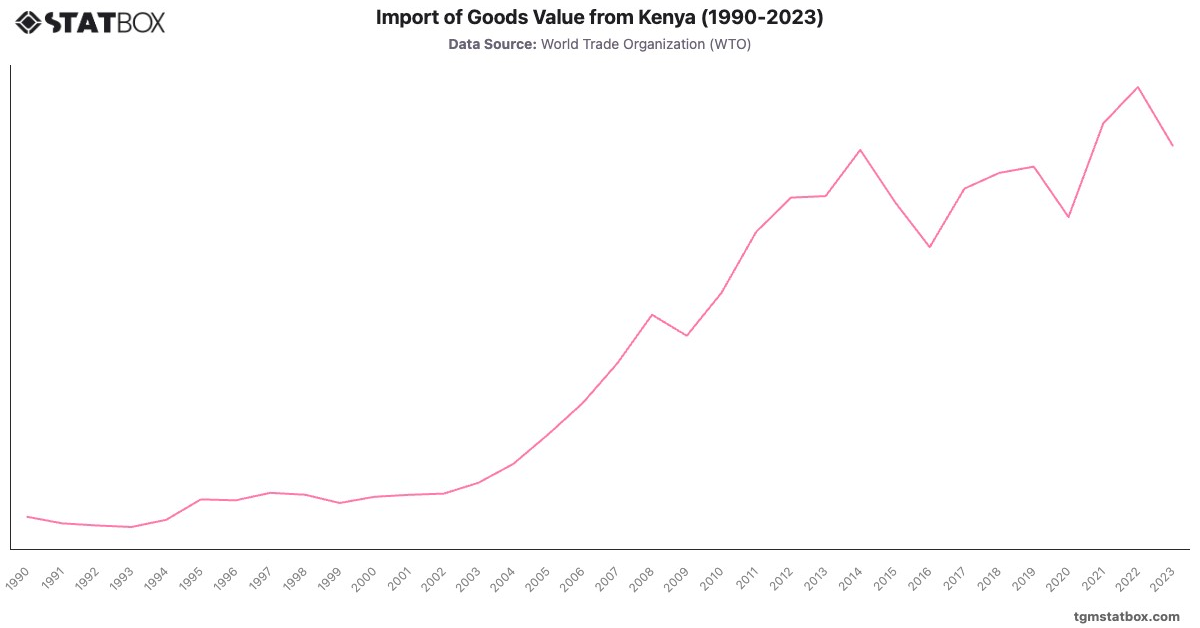
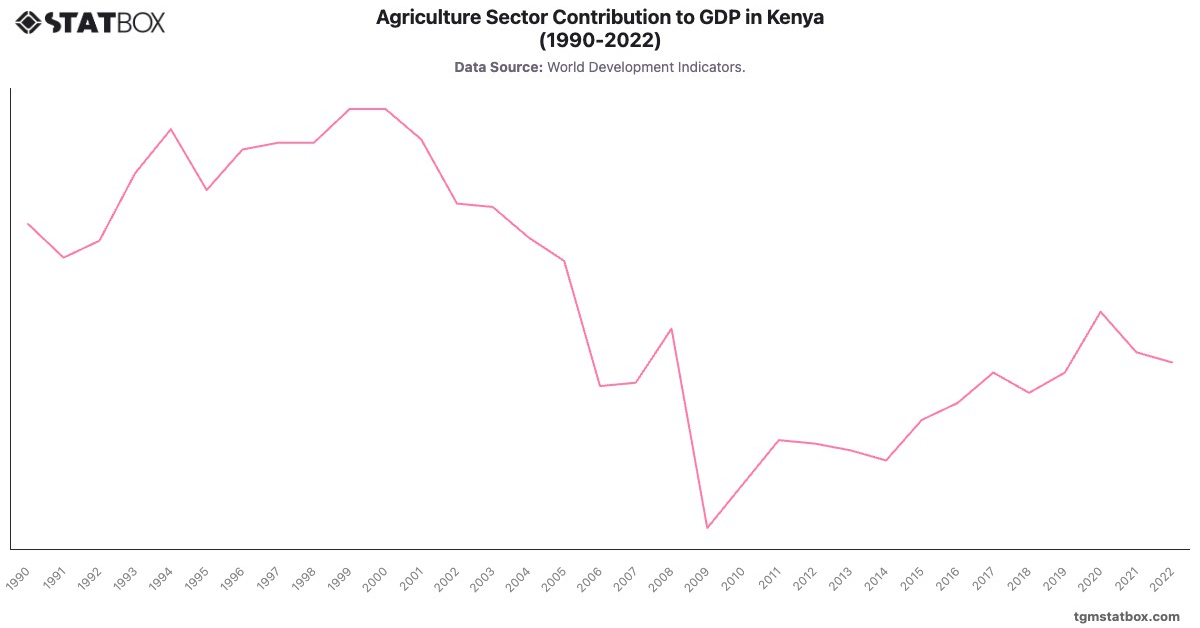
For a deeper dive into the topic, explore Kenya’s unemployment rate, Kenya’s agricultural share in GDP, Kenya’s goods import value.