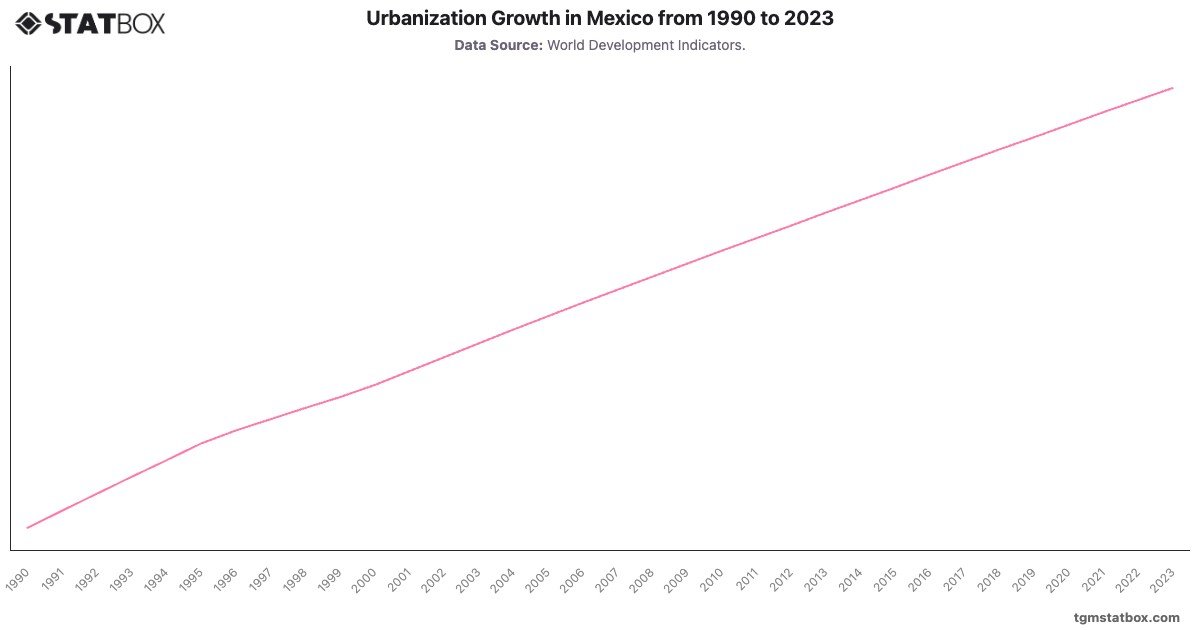
Mexico's urbanization grew steadily from 1990 to 2023, driven by industrialization, economic policies, and urban development. In 1990, urbanization was at , with consistent increases as economic reforms encouraged urbanization. By 2000, urbanization reached , supported by the growth of cities like Mexico City and Monterrey. The trend continued through the 2000s, with urbanization hitting by 2010, despite economic challenges. Between 2015 and 2020, urbanization increased to , driven by economic shifts and urban job growth. By 2023, the urbanization rate was , reflecting Mexico’s ongoing shift toward urban-centered development as economic activities concentrate in cities, fostering sustained urban growth.
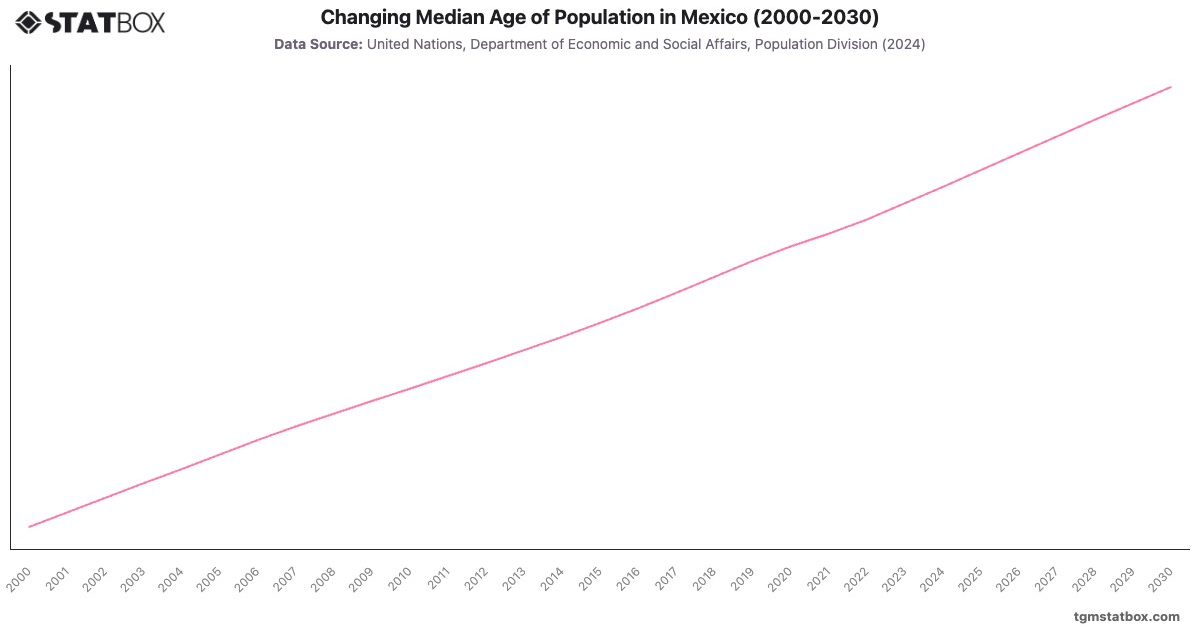
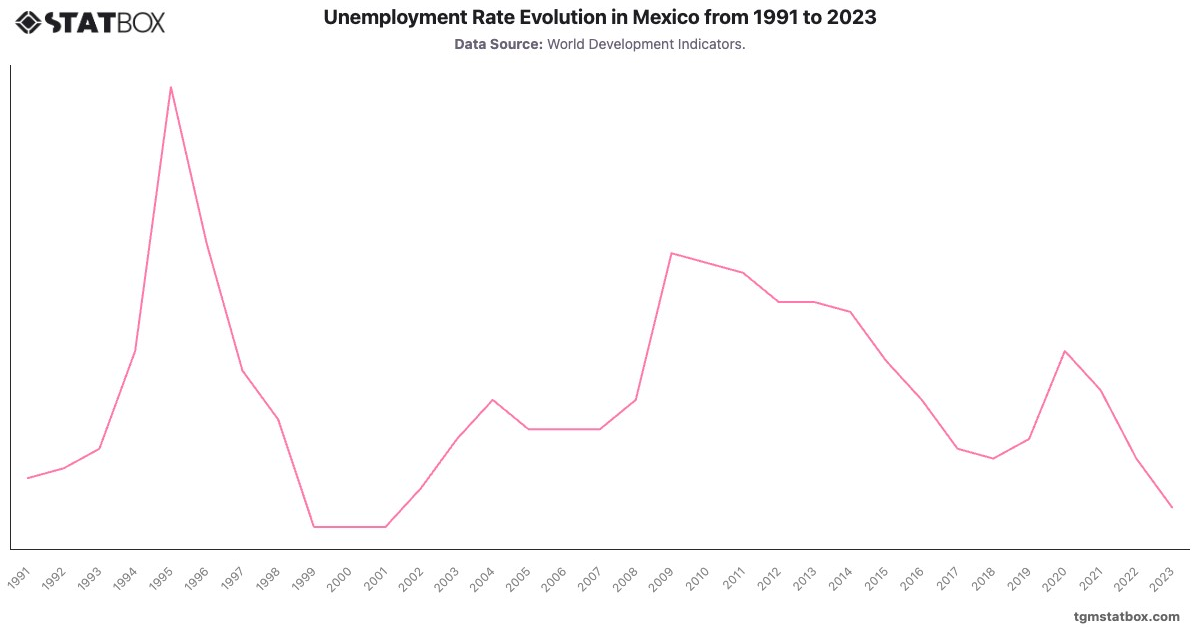
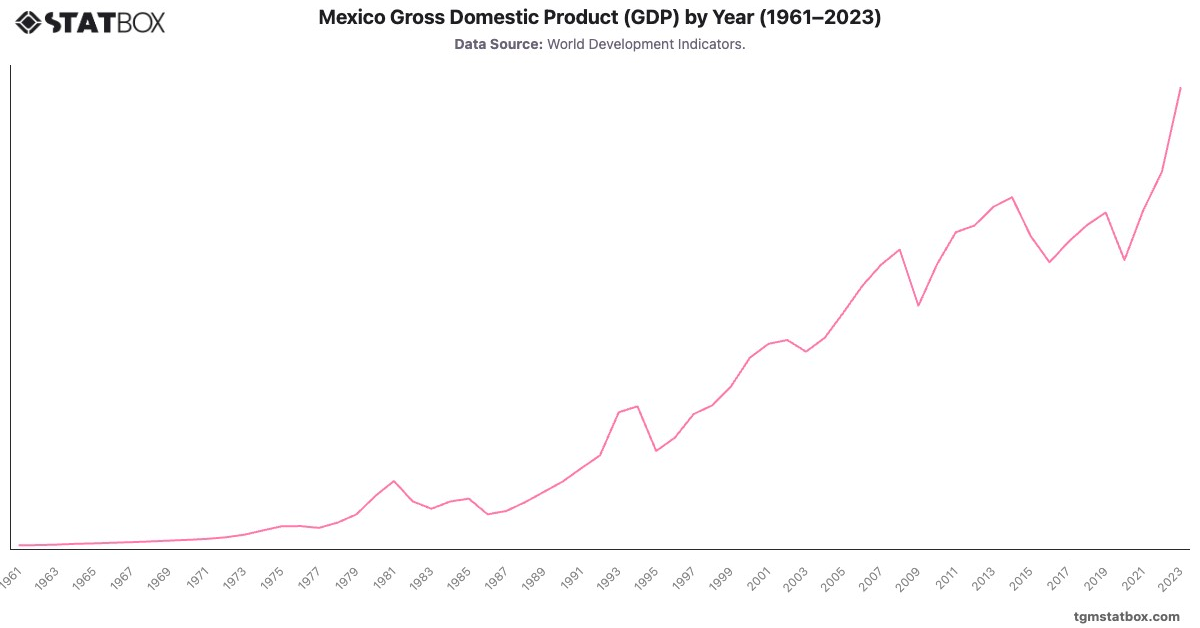
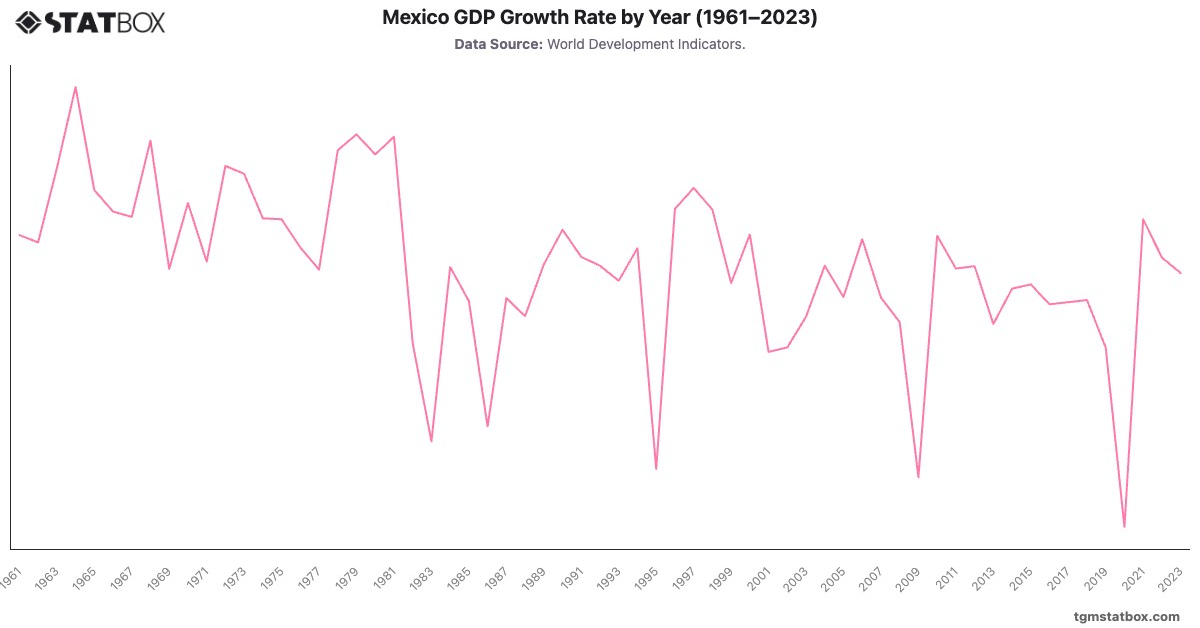
Explore related charts to gain a better understanding of Mexico’s shifting median age, Mexico’s annual GDP growth rate, Mexico’s net ODA received.