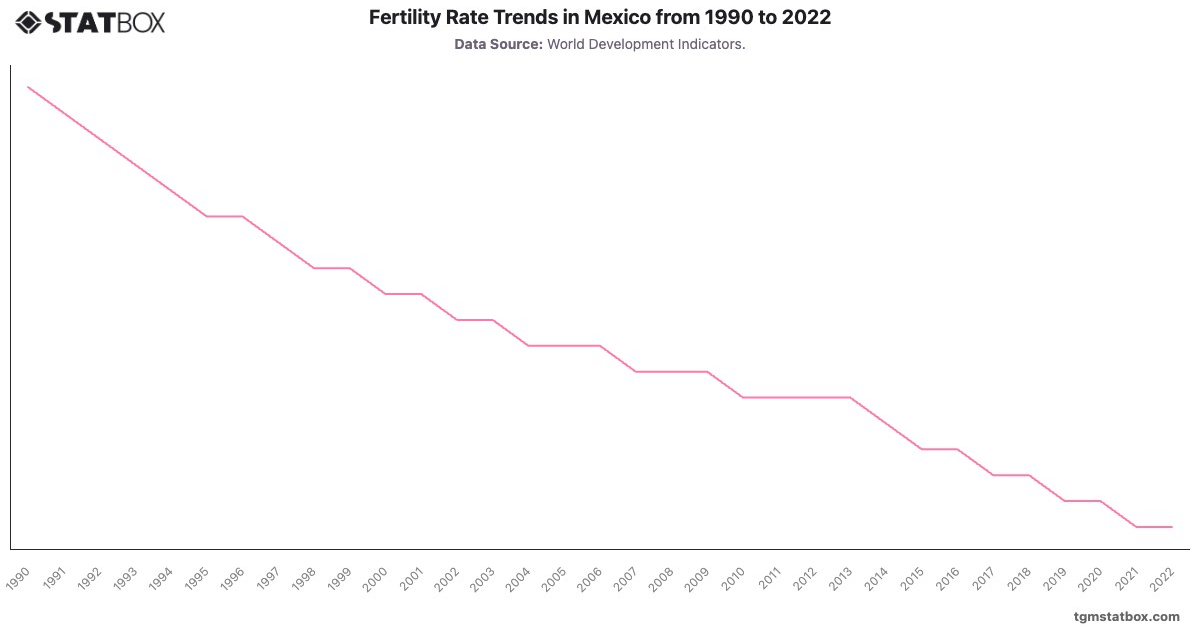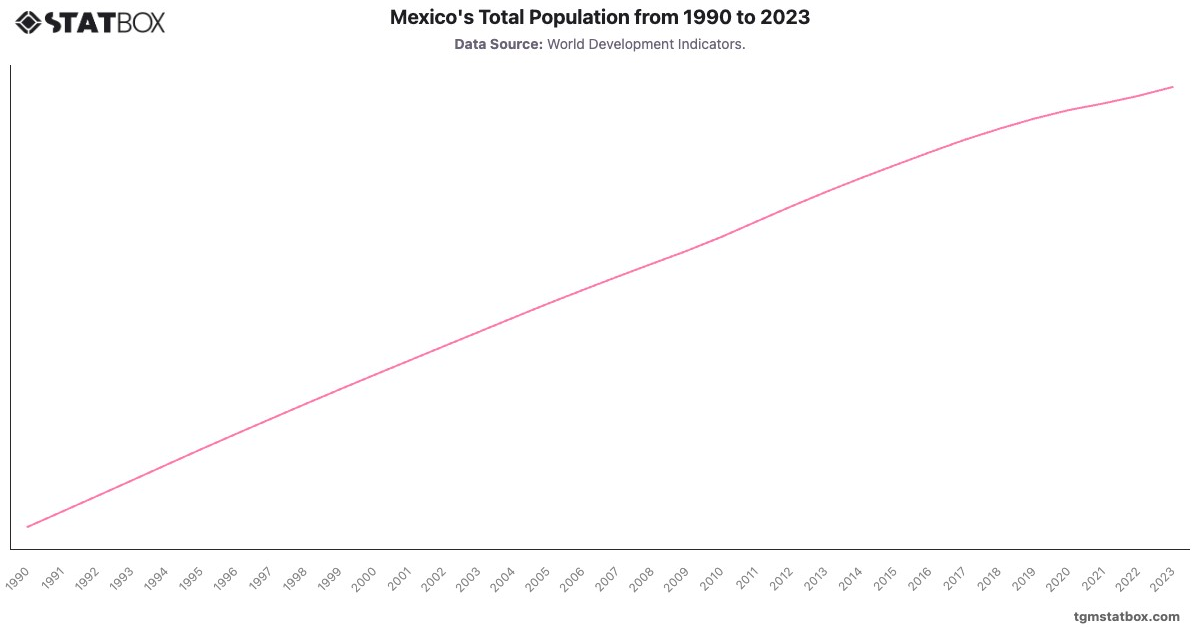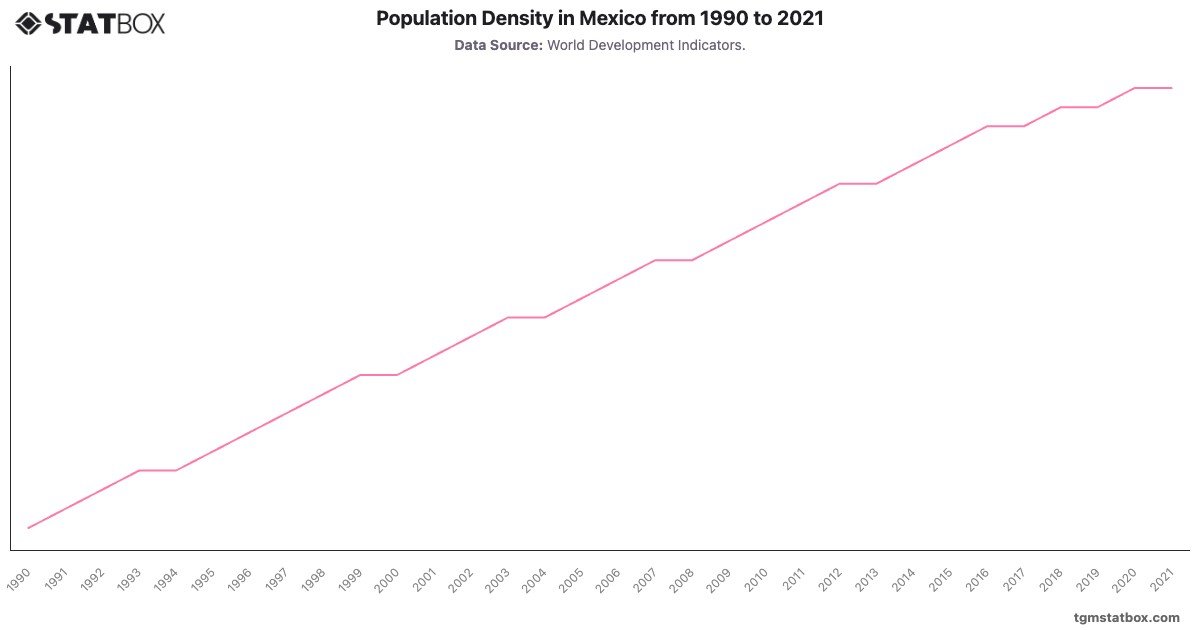
Mexico's population density rose from 42 people per square kilometer in 1990 to 65 by 2021, illustrating steady urbanization and population growth. This increase is especially notable in urban regions like Mexico City, Guadalajara, and Monterrey, where economic opportunities have drawn people from rural areas. Mexico's high birth rate in the 1990s and early 2000s contributed significantly to its population growth, although this rate has begun to decline in recent years.
The growing density reflects Mexico’s shift toward urbanization, with around of the population living in cities by 2021. Despite population growth, rural areas remain sparsely populated, balancing the national average. Mexico's future trends may reveal slowing growth as birth rates decrease, with urban areas continuing to see the highest density levels.
The growing density reflects Mexico’s shift toward urbanization, with around of the population living in cities by 2021. Despite population growth, rural areas remain sparsely populated, balancing the national average. Mexico's future trends may reveal slowing growth as birth rates decrease, with urban areas continuing to see the highest density levels.
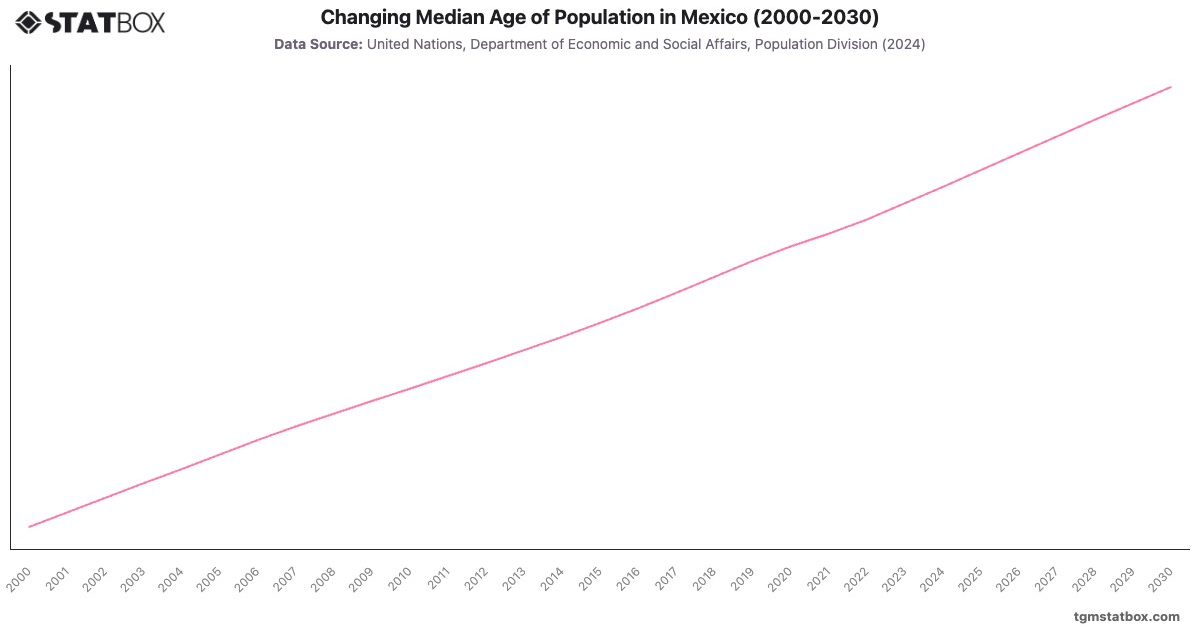
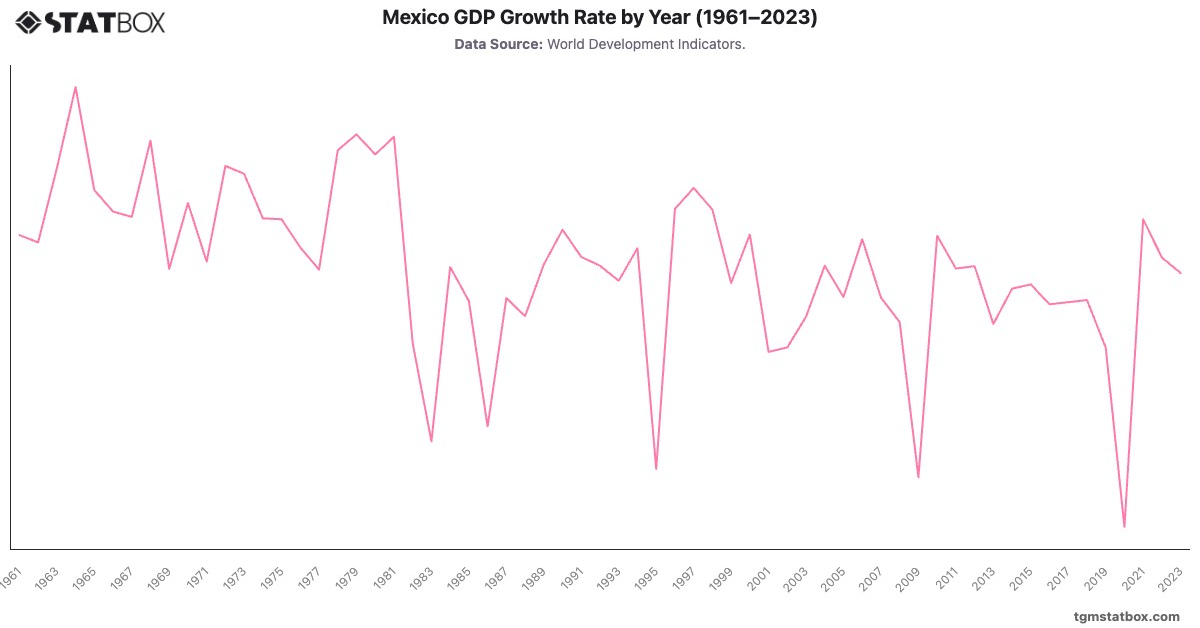
For a deeper dive into the topic, explore Mexico’s shifting median age, Mexico’s working-age population percentage, Mexico’s annual GDP growth rate.