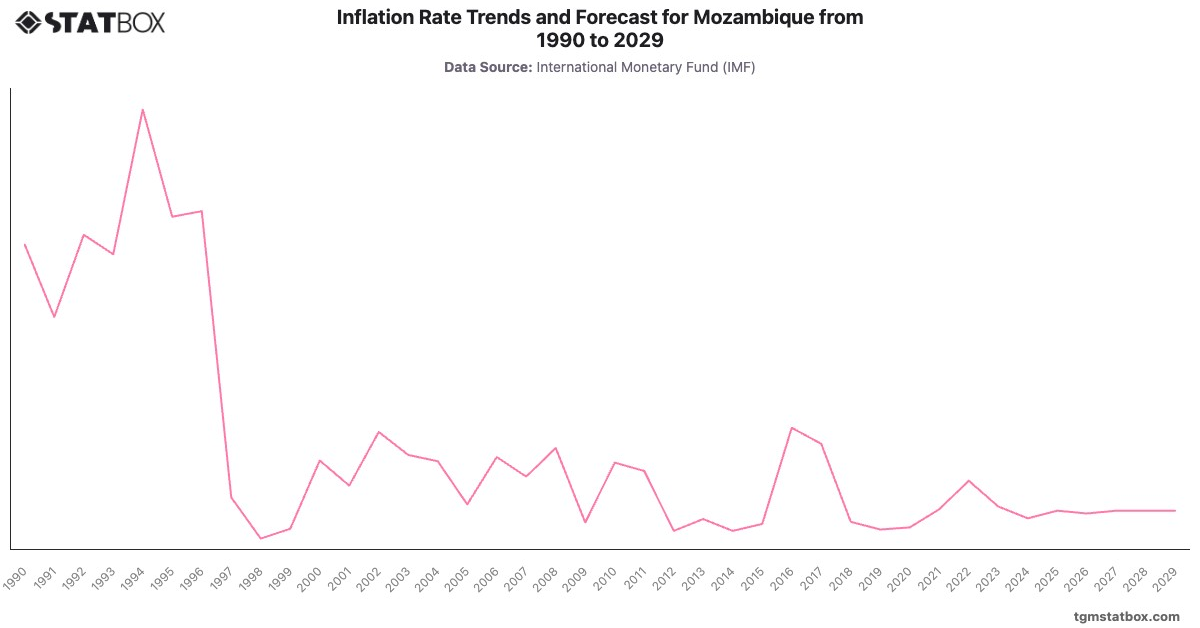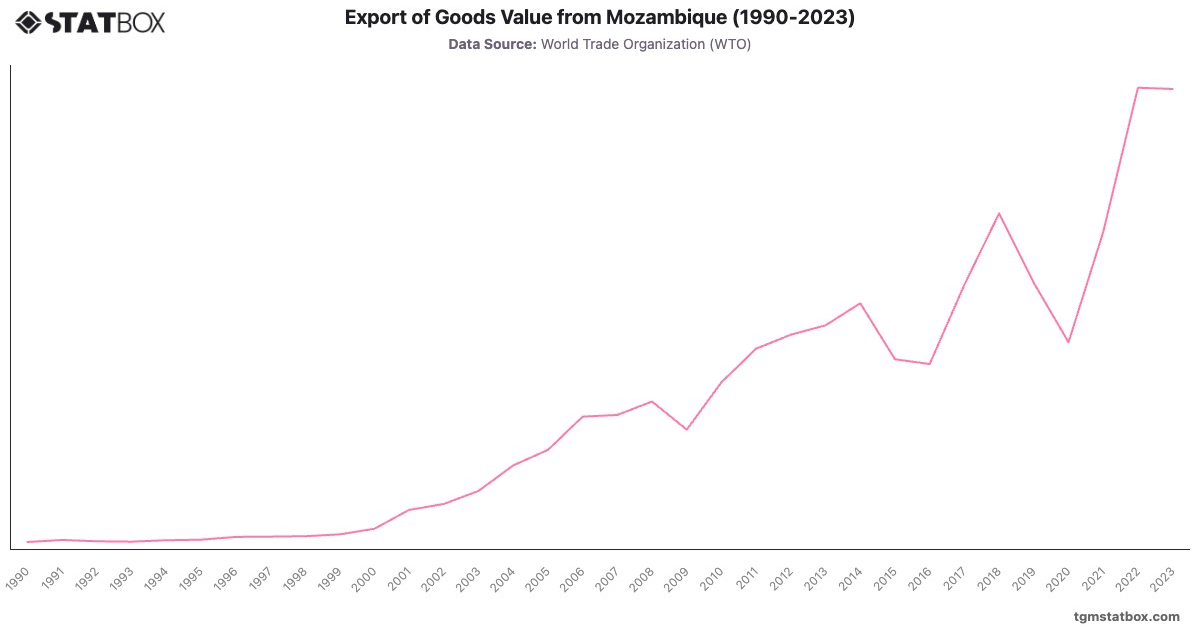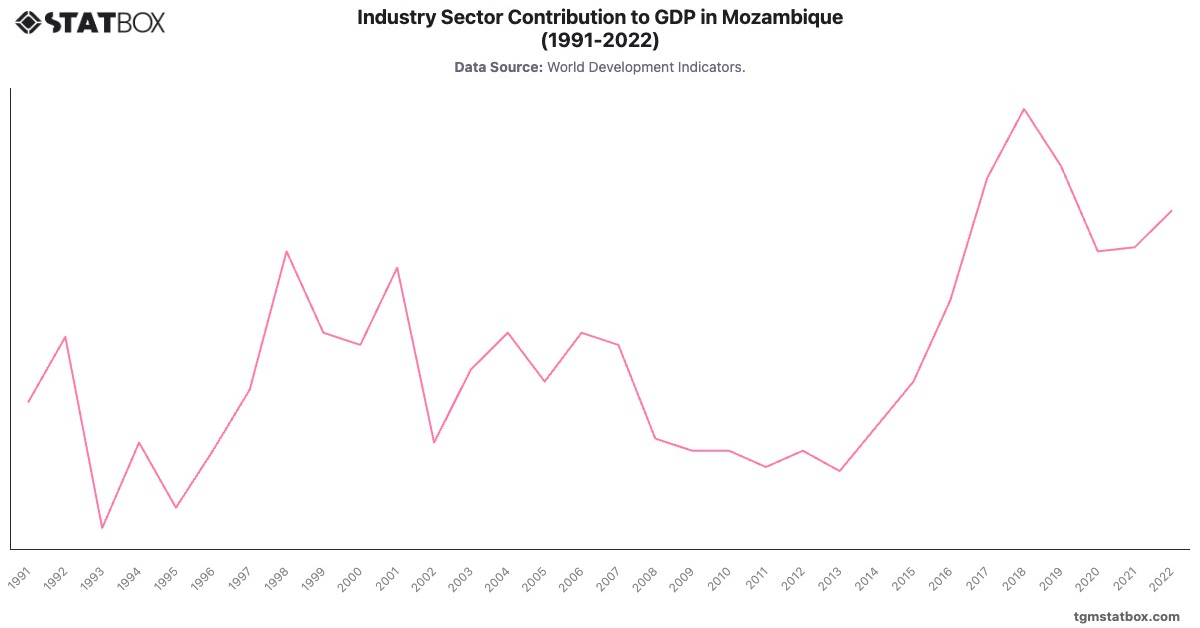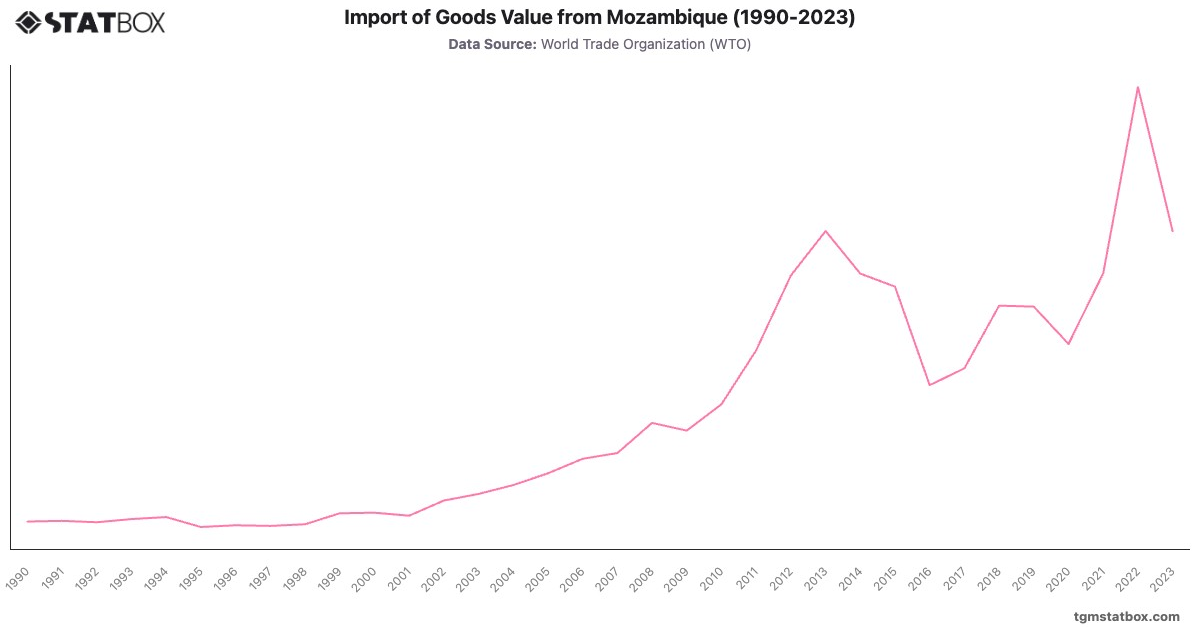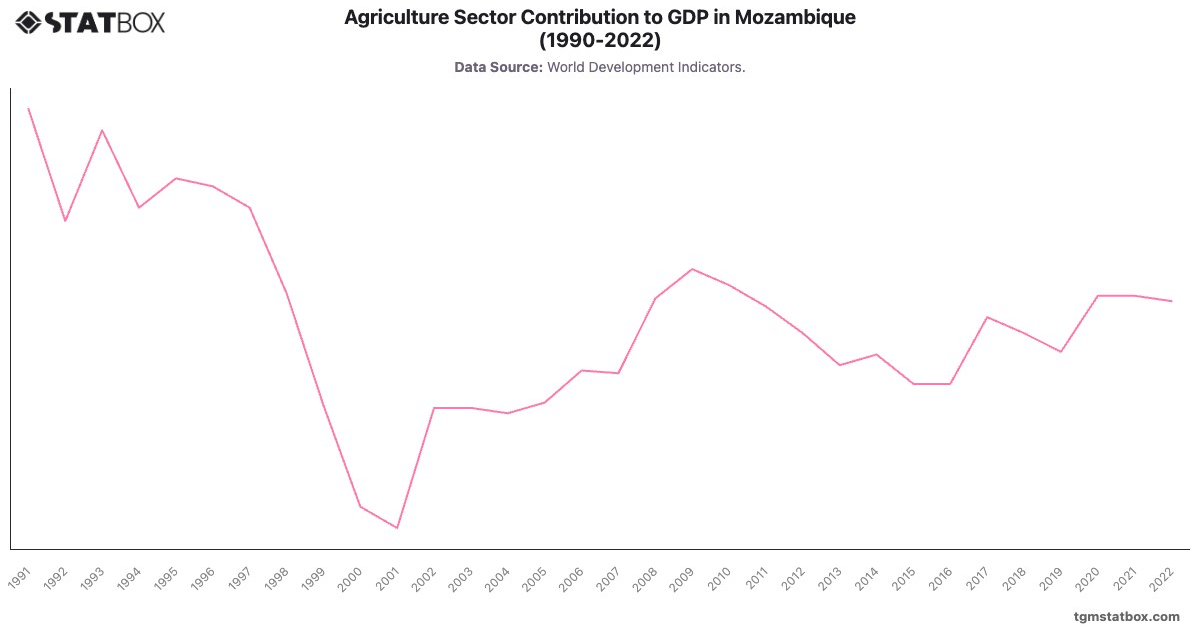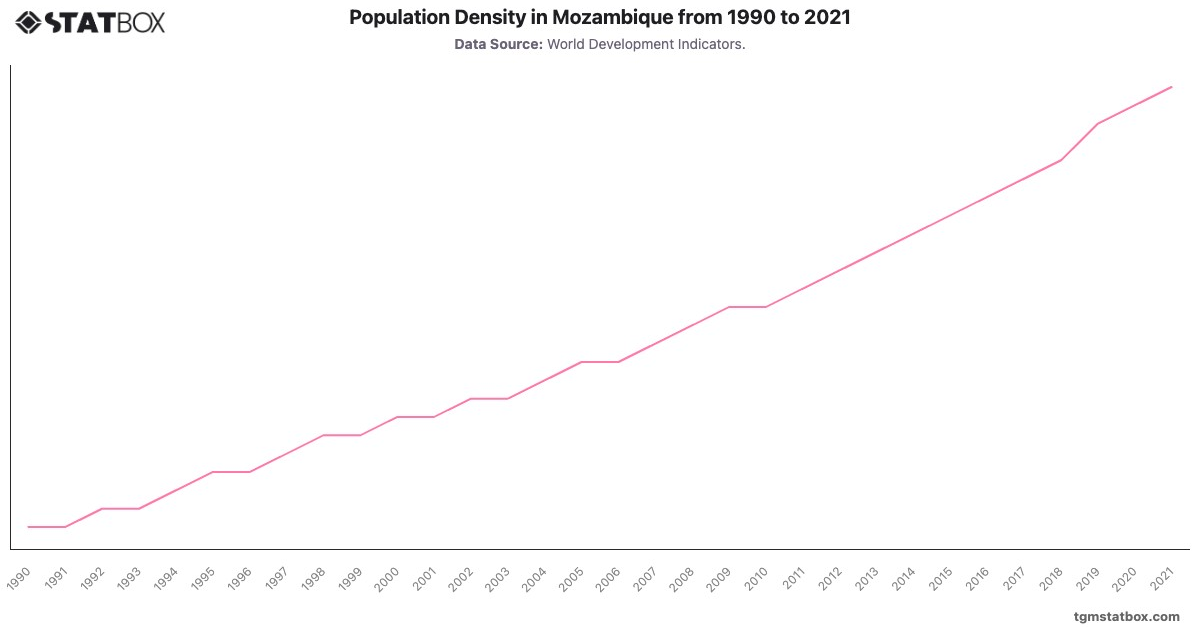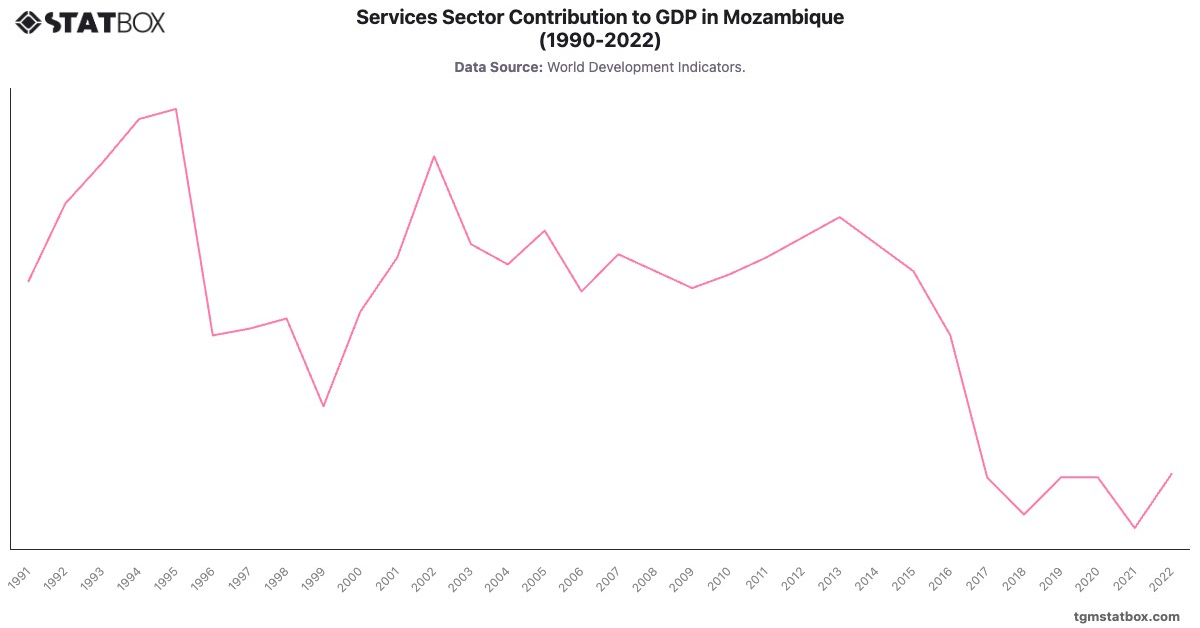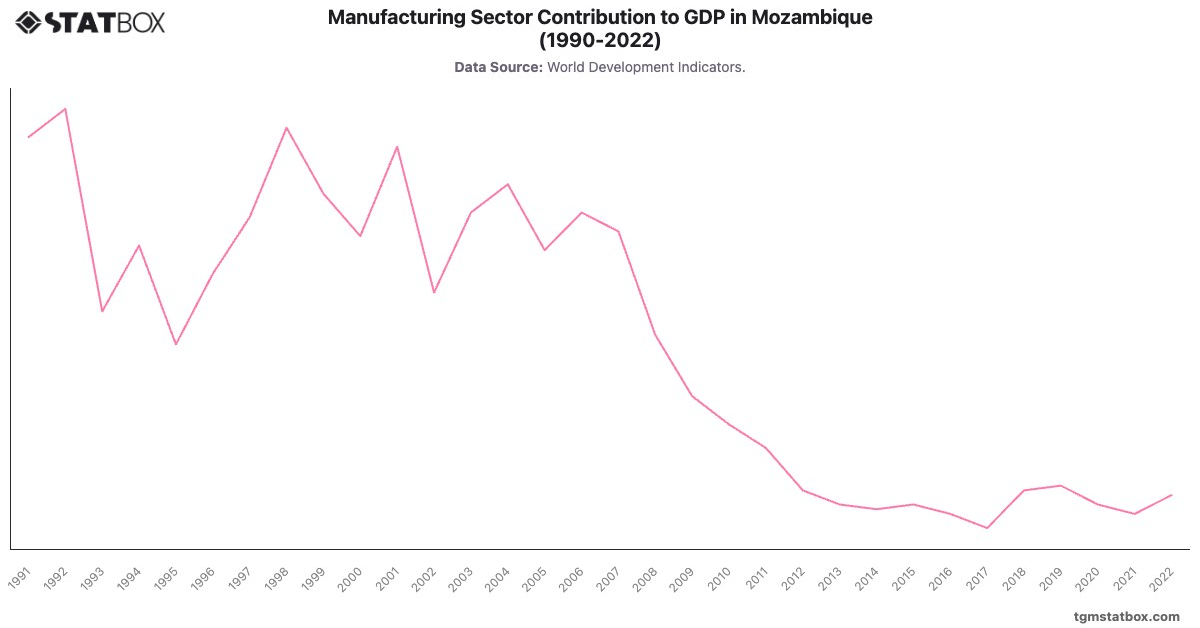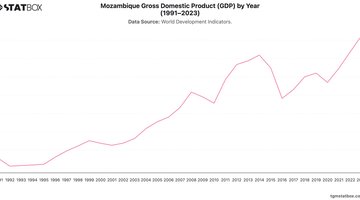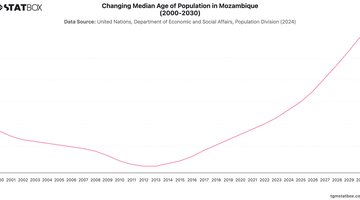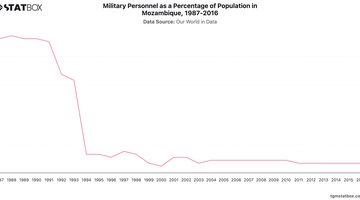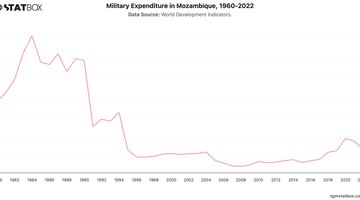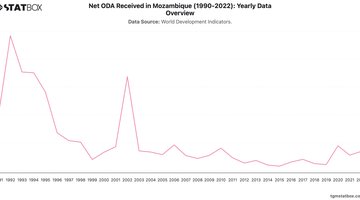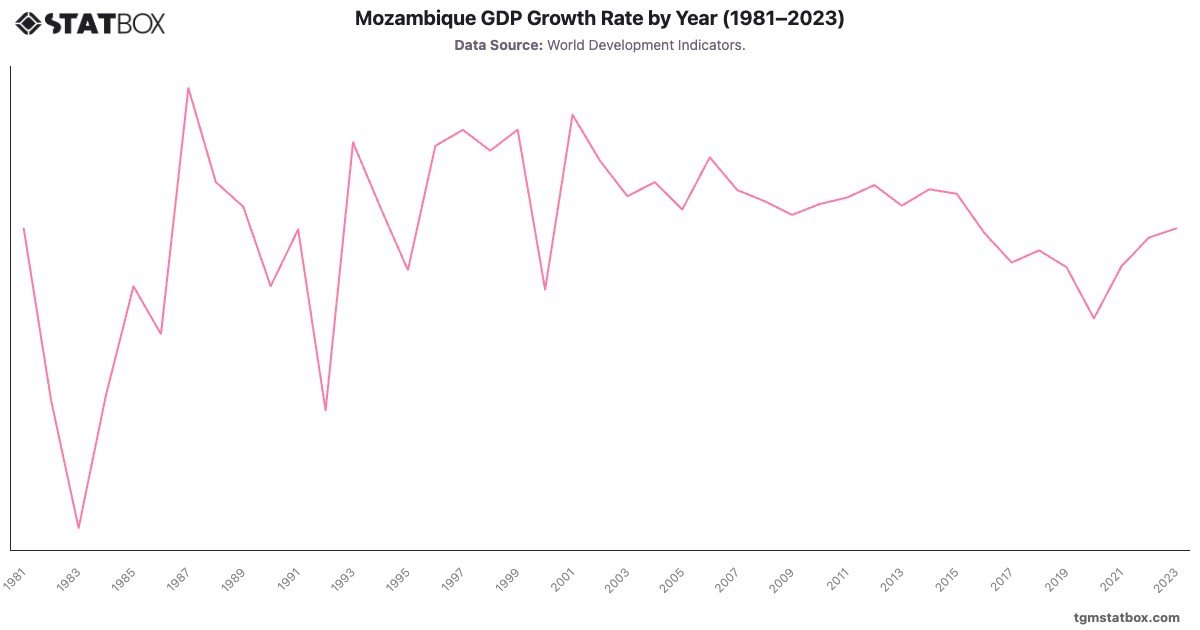
Mozambique's GDP growth has fluctuated significantly since the 1980s, largely driven by political instability, natural disasters, and changes in foreign investment. The country's economic downturns, particularly in the early 1980s, were primarily due to the civil war that damaged infrastructure and disrupted production. Recovery began in the late 1980s, with growth peaking at in 1987 following the implementation of economic reforms and peace agreements, which fostered foreign aid and investment.
The 2000s saw more stable growth, spurred by Mozambique's expanding mining sector, especially in coal and natural gas. Investments in infrastructure and agriculture also contributed to GDP increases. However, political challenges and external shocks, such as fluctuating commodity prices, affected growth. In the 2020s, Mozambique experienced a downturn during the global pandemic but began recovering as international investments resumed and natural gas projects progressed, which are key to the country's future economic potential.
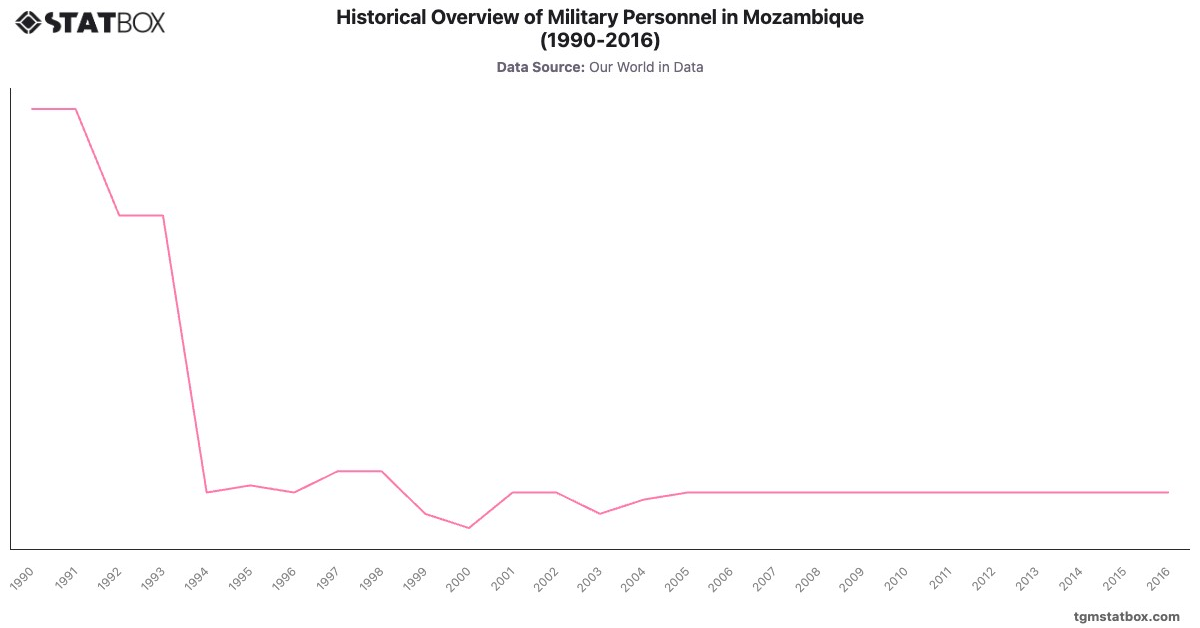
For a deeper dive into the topic, explore Mozambique’s annual GDP data, Mozambique sector-wise GDP contribution, Mozambique’s military personnel proportion.