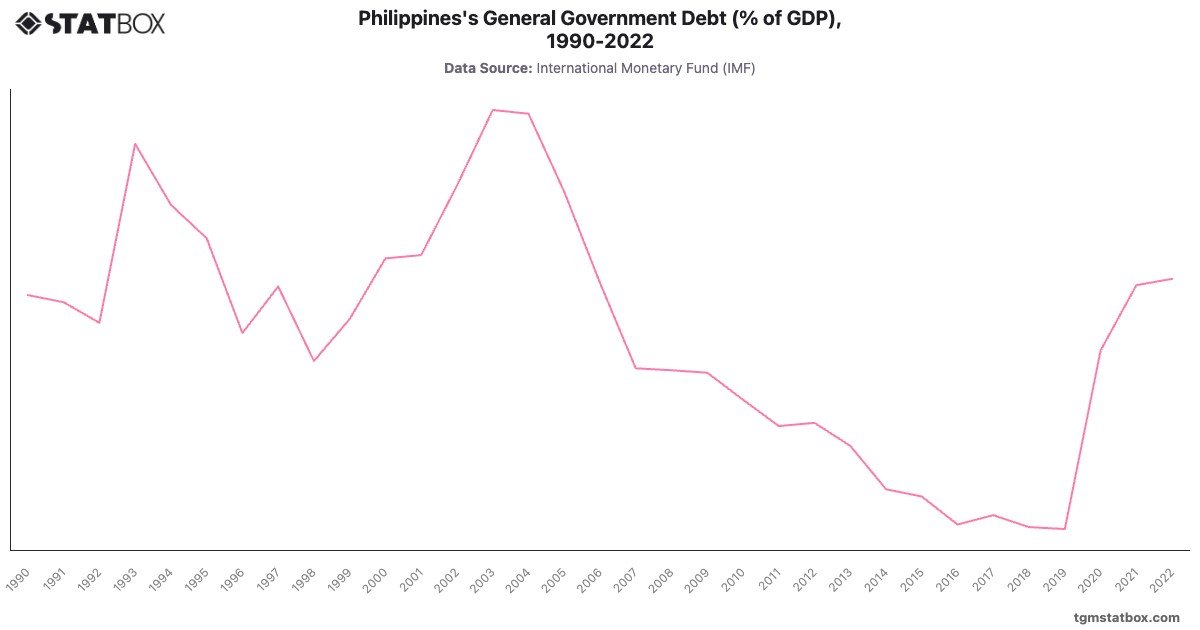
The Philippines experienced a dynamic trend in its government debt-to-GDP ratio from 1990 to 2022, shaped by fiscal policies, economic cycles, and global economic events. In the early 1990s, debt levels gradually declined, dropping from in 1990 to in 1992. However, a sharp increase occurred in 1993, bringing debt up to , partly due to public investments aimed at stabilizing and boosting the economy. Following this peak, debt began to decline again as economic reforms were implemented, with the ratio reaching by 1998.
The debt ratio climbed in the early 2000s, reaching a high of in 2003 due to increased public spending and a challenging global economic environment. A gradual decline followed, aided by fiscal consolidation efforts and steady economic growth, with the debt-to-GDP ratio decreasing to in 2008 and further down to by 2011. This downward trend continued, reaching a low of by 2019, reflecting disciplined fiscal management and a growing economy.
The onset of the COVID-19 pandemic in 2020 led to a significant rise in the debt ratio, which jumped to as the government increased spending on health and economic relief measures. This trend continued into 2021 and 2022, with the debt-to-GDP ratio peaking at as the country worked to support recovery efforts. Despite recent increases, the Philippines' debt ratio reflects a careful balancing act between growth-oriented spending and fiscal responsibility.
The debt ratio climbed in the early 2000s, reaching a high of in 2003 due to increased public spending and a challenging global economic environment. A gradual decline followed, aided by fiscal consolidation efforts and steady economic growth, with the debt-to-GDP ratio decreasing to in 2008 and further down to by 2011. This downward trend continued, reaching a low of by 2019, reflecting disciplined fiscal management and a growing economy.
The onset of the COVID-19 pandemic in 2020 led to a significant rise in the debt ratio, which jumped to as the government increased spending on health and economic relief measures. This trend continued into 2021 and 2022, with the debt-to-GDP ratio peaking at as the country worked to support recovery efforts. Despite recent increases, the Philippines' debt ratio reflects a careful balancing act between growth-oriented spending and fiscal responsibility.
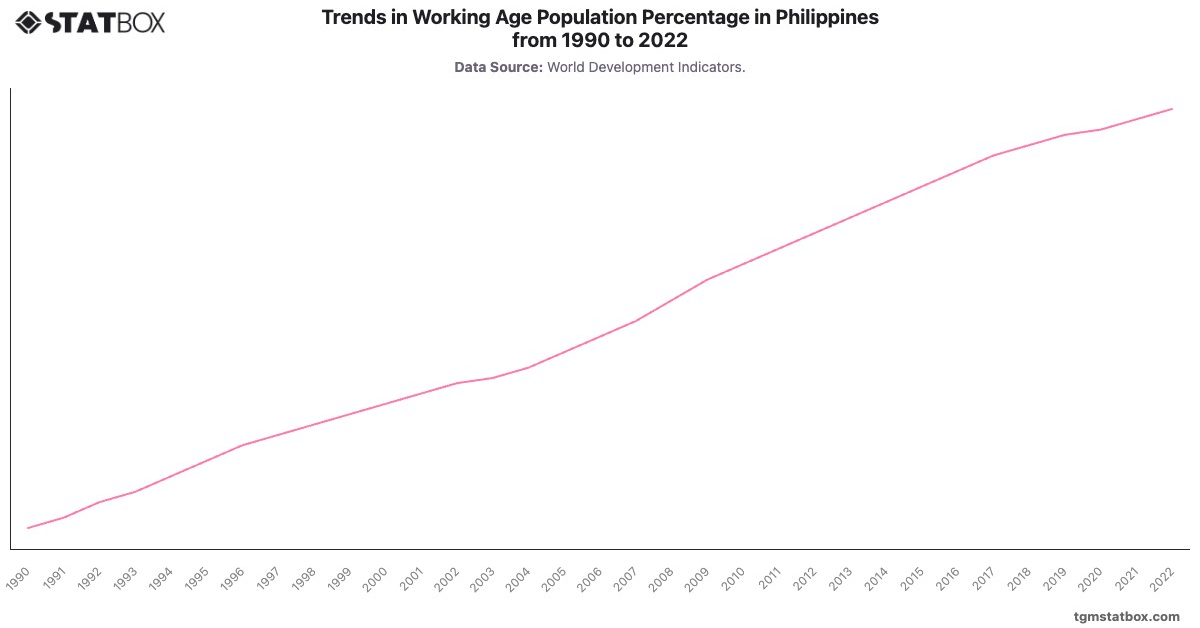
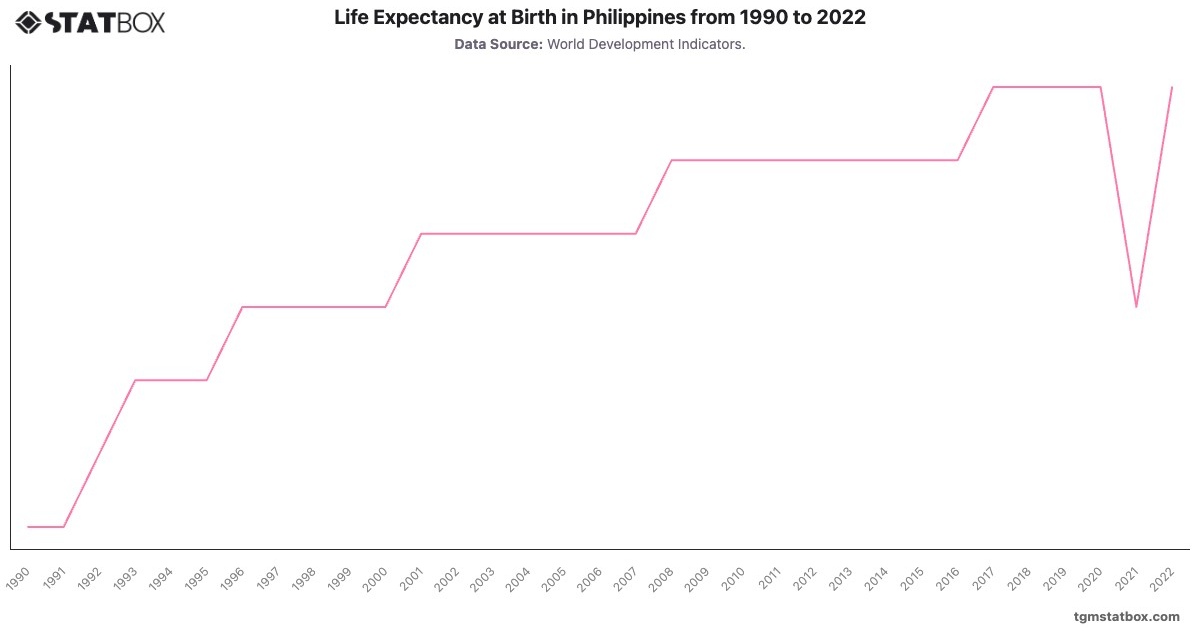
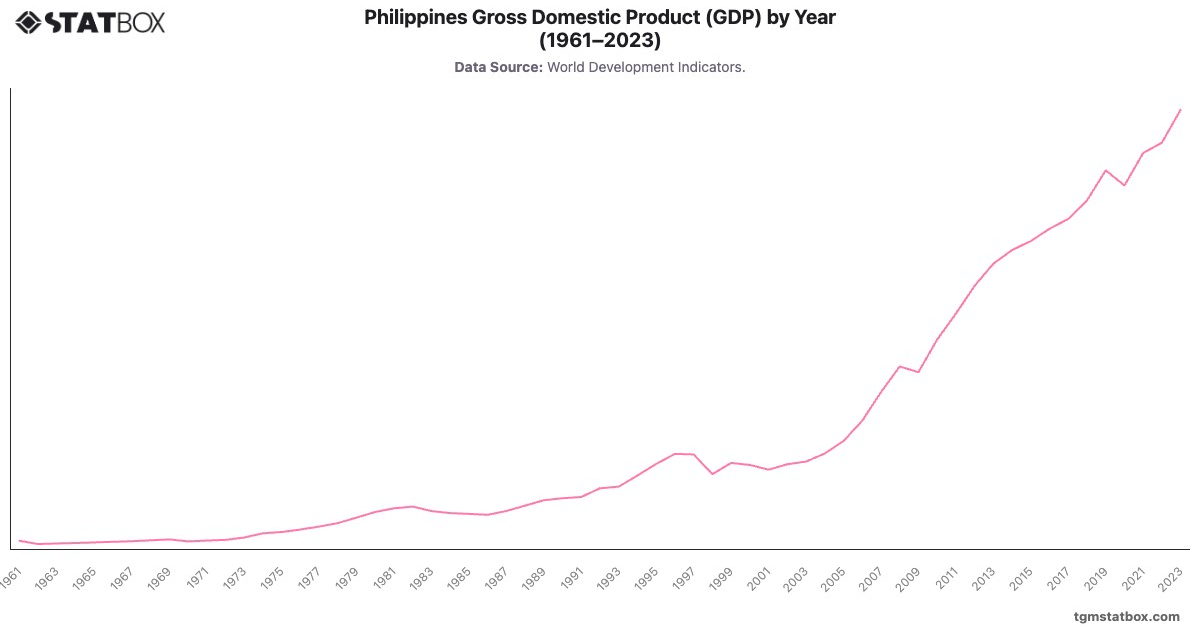
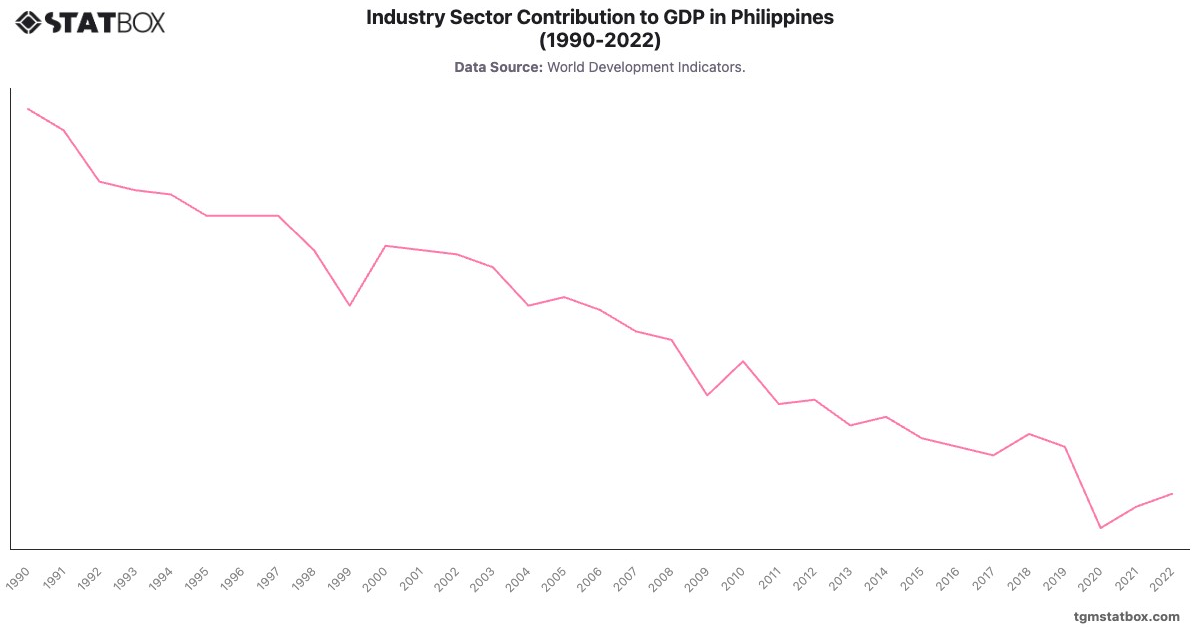
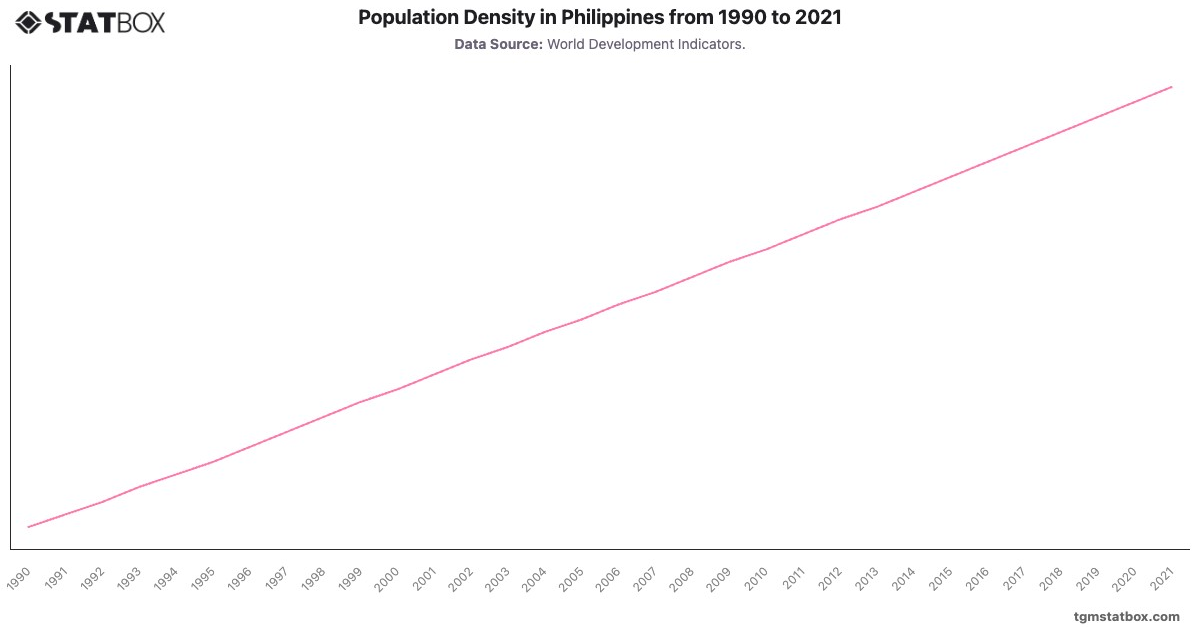
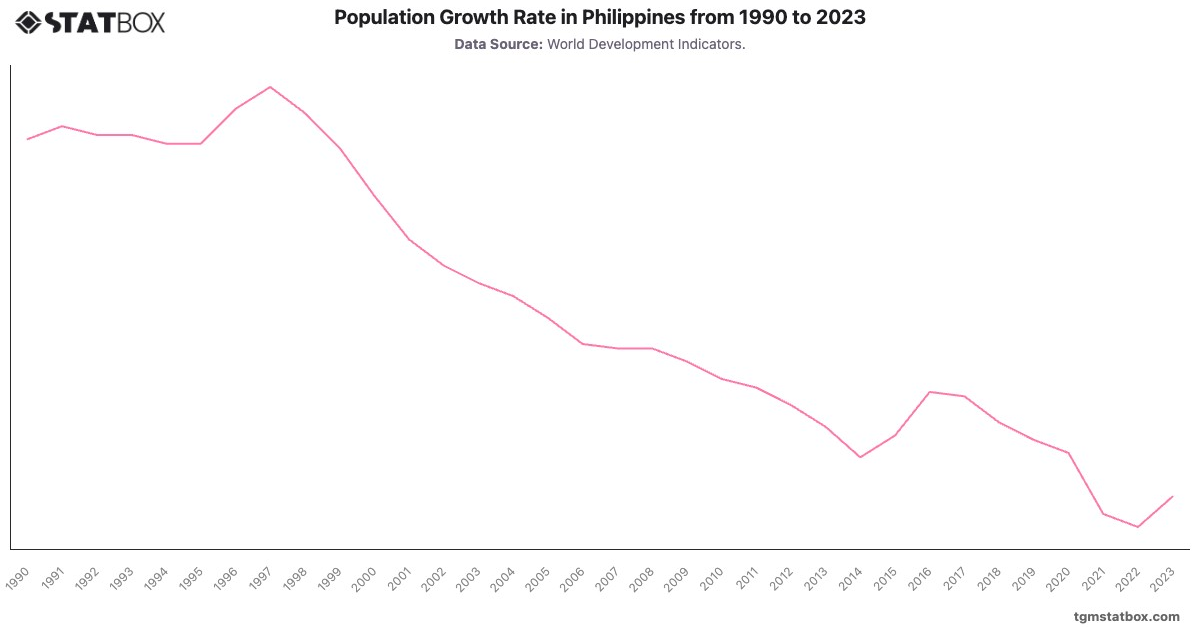
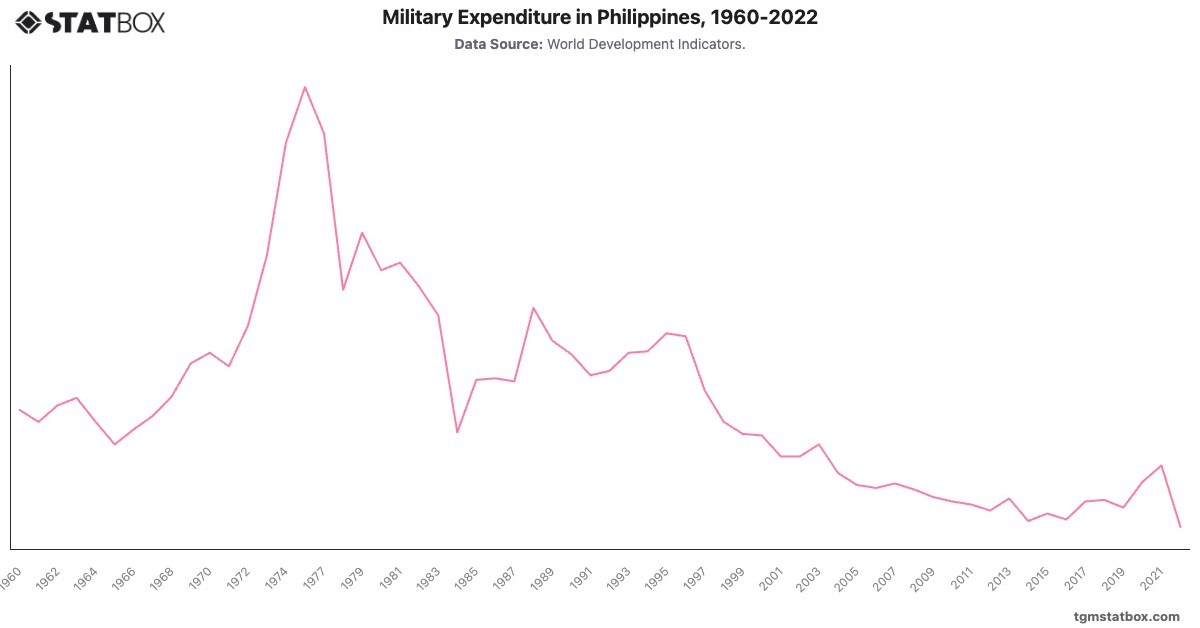
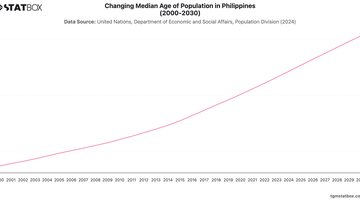
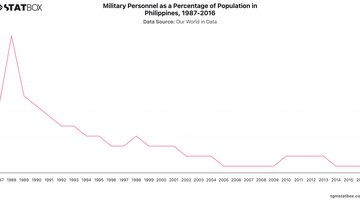
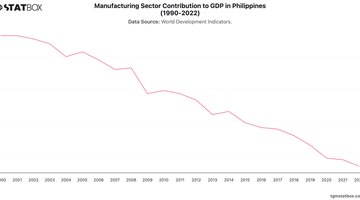
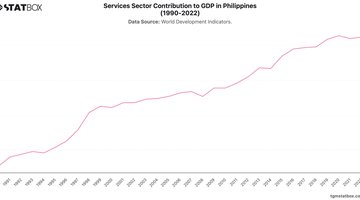
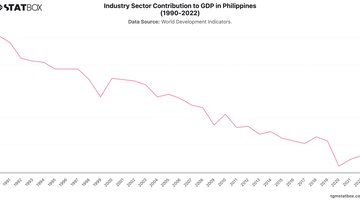
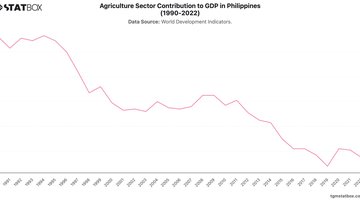
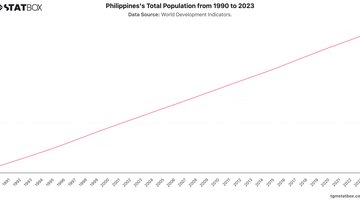
Explore related charts to gain a better understanding of Philippines’ population growth rate, Philippines’ military spending, Philippines’ industry share in GDP.