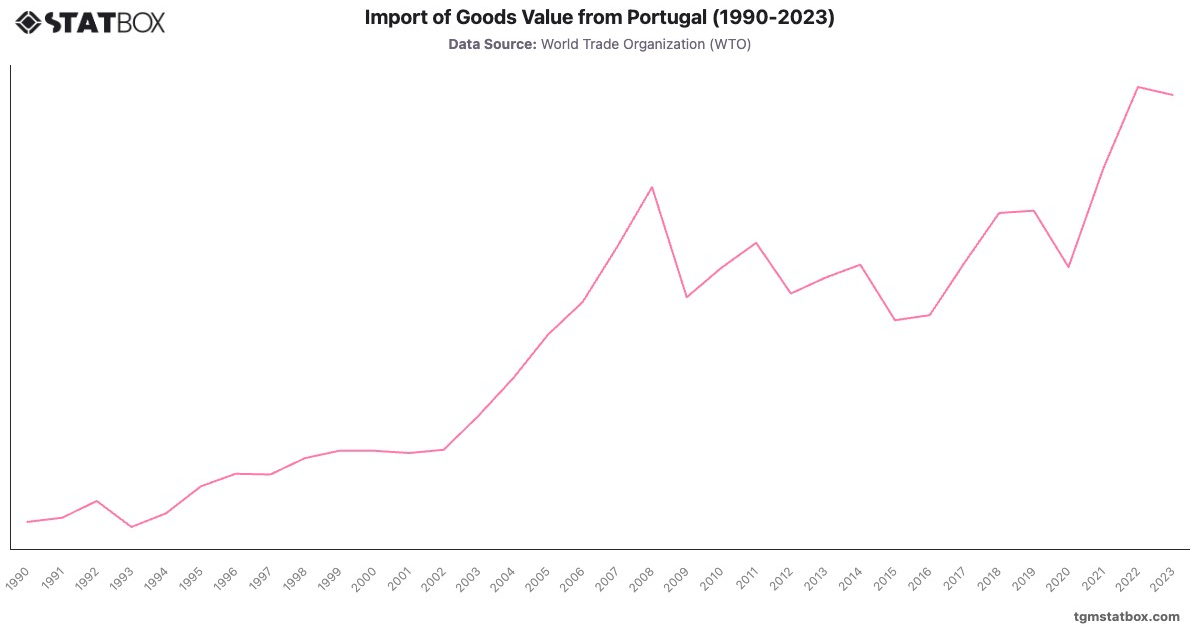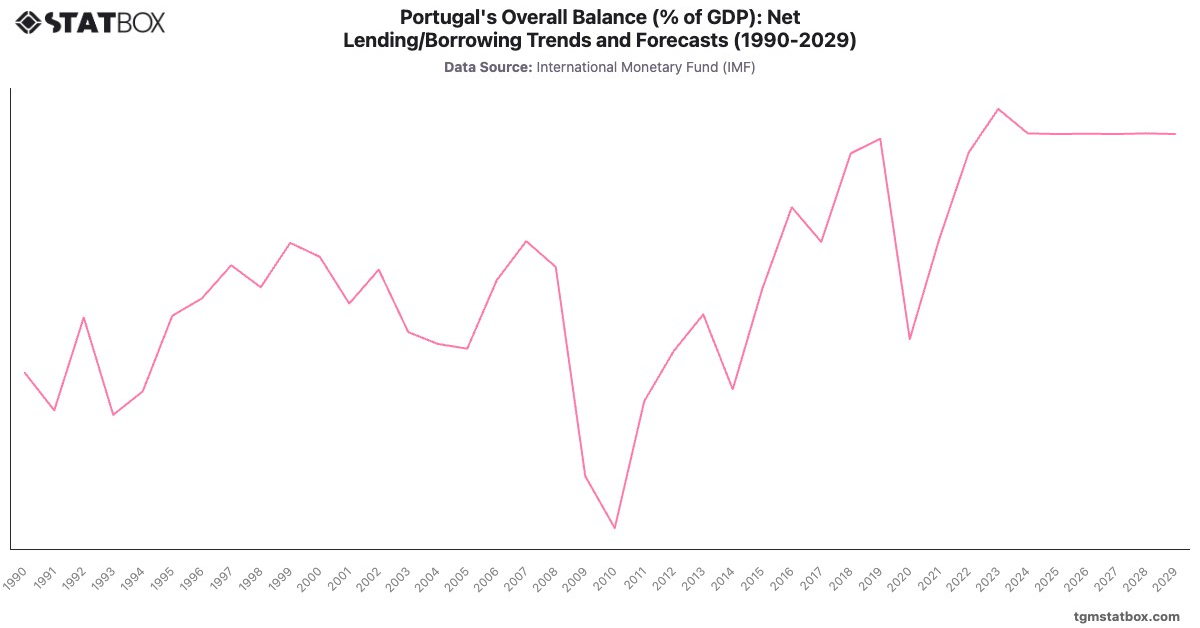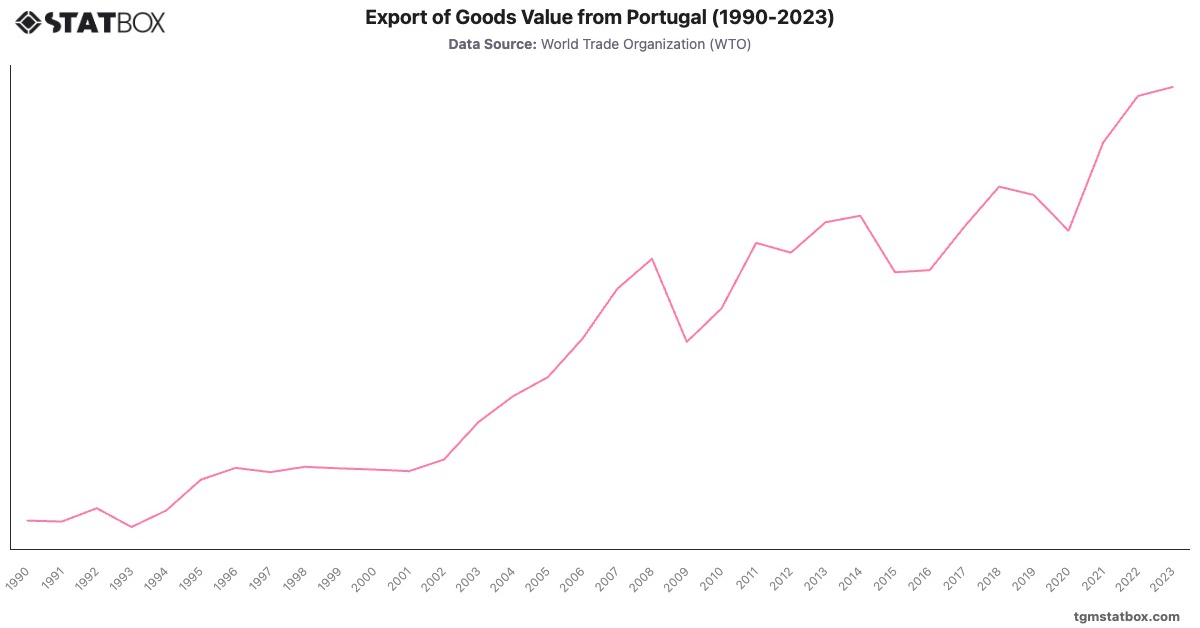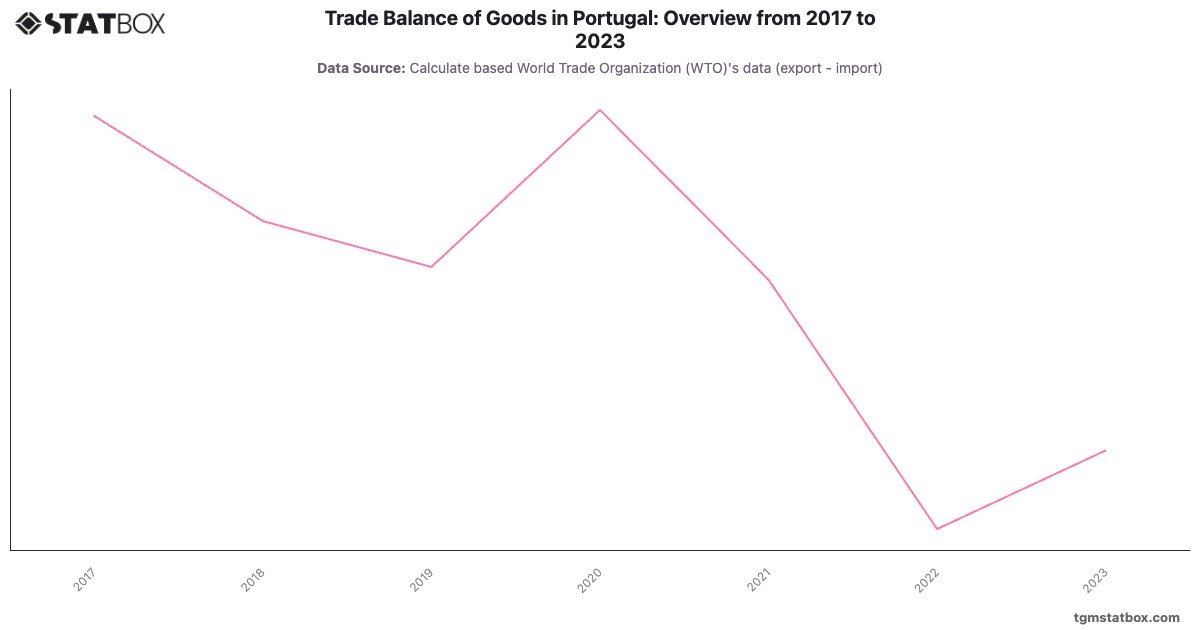
Portugal recorded persistent trade deficits from 2017 to 2023, with the deficit widening from -16,632.8 million USD in 2017 to -32,617.2 million USD in 2022, reflecting increased imports of energy, machinery, and consumer goods. The 2022 peak was driven by soaring energy prices and strong domestic demand as the economy recovered post-pandemic.
In 2023, the deficit improved slightly to -29,574.3 million USD, as moderating energy costs and stronger exports of textiles, cork, and automotive components partially offset import growth. Portugal’s trade imbalance underscores its dependency on energy imports and highlights the importance of export diversification to stabilize trade dynamics.
In 2023, the deficit improved slightly to -29,574.3 million USD, as moderating energy costs and stronger exports of textiles, cork, and automotive components partially offset import growth. Portugal’s trade imbalance underscores its dependency on energy imports and highlights the importance of export diversification to stabilize trade dynamics.
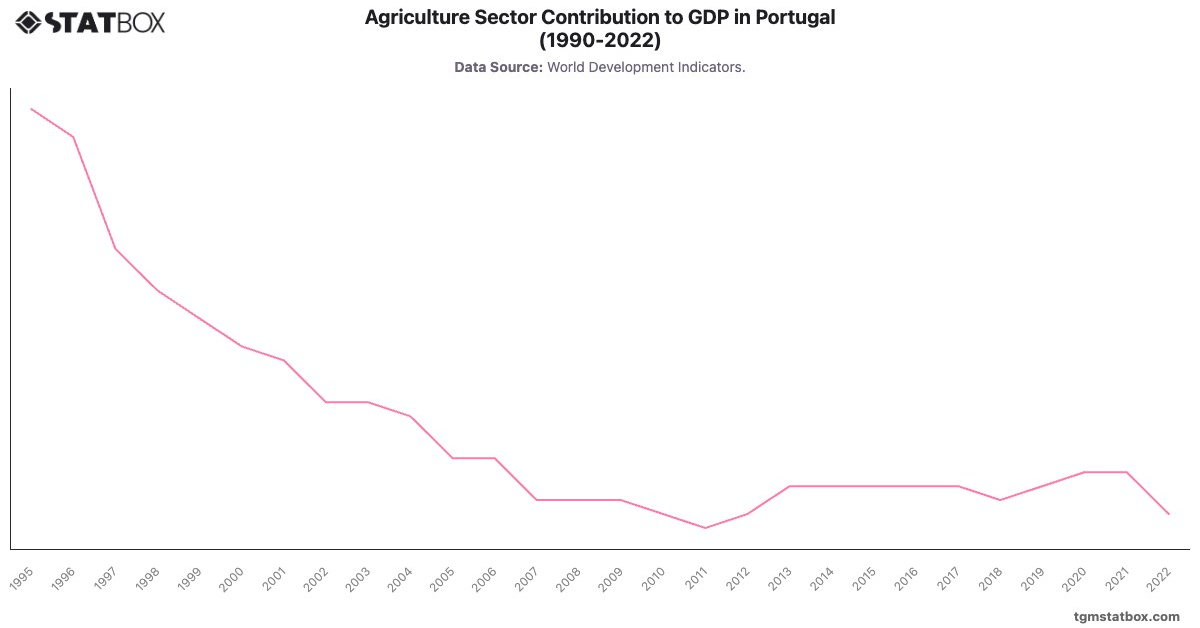
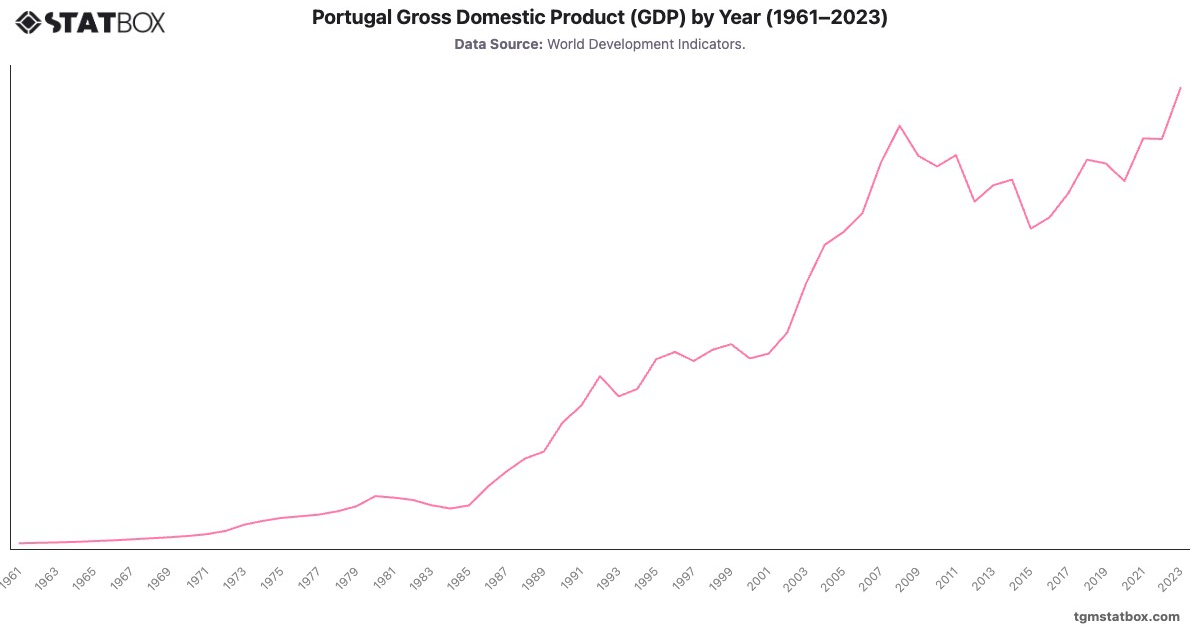
Gain a broader perspective by reviewing Portugal’s agriculture sector share in GDP, Portugal’s annual GDP growth rate, Portugal’s goods import value.