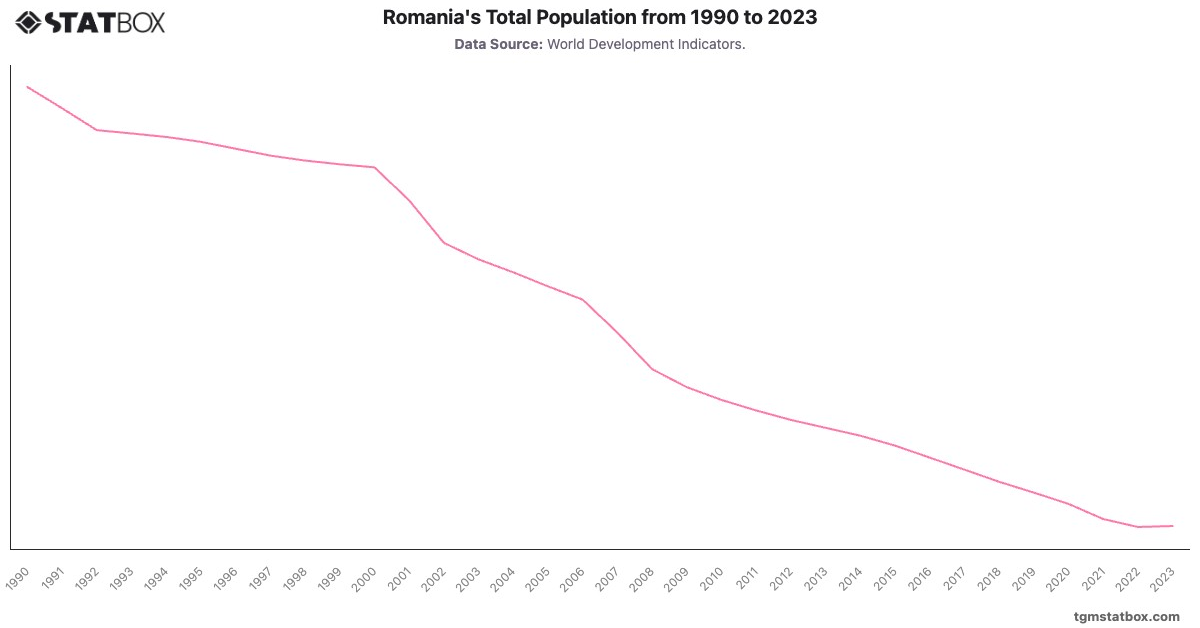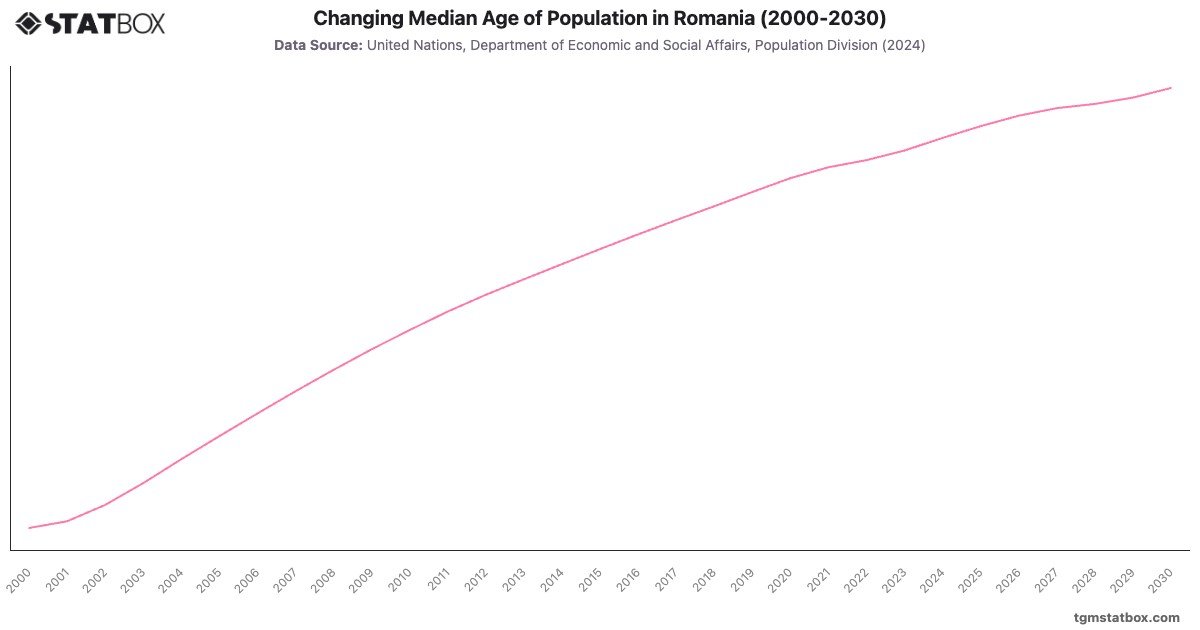
From 2000 to 2030, Romania’s median age has shown a significant rise, moving from 33.6 years in 2000 to a projected 44.1 years in 2030. This trend reflects Romania’s demographic shifts, driven by declining birth rates, increased life expectancy, and the effects of urbanization. In the early 2000s, as Romania transitioned into the European Union, economic opportunities in urban centers grew, encouraging migration from rural areas to cities. However, urbanization did not translate into higher birth rates, leading to an aging population concentrated in urban regions.
By 2010, Romania's median age reached 38.3, with a steady rise following into the 2020s as economic factors prompted younger Romanians to migrate abroad, further accelerating population aging domestically. This out-migration and lower birth rates combined with a longer life expectancy have pushed the median age higher. By 2025, Romania's median age is expected to reach 43.2, highlighting the country's demographic transformation toward an older population, which may increase pressure on social and healthcare systems.
By 2010, Romania's median age reached 38.3, with a steady rise following into the 2020s as economic factors prompted younger Romanians to migrate abroad, further accelerating population aging domestically. This out-migration and lower birth rates combined with a longer life expectancy have pushed the median age higher. By 2025, Romania's median age is expected to reach 43.2, highlighting the country's demographic transformation toward an older population, which may increase pressure on social and healthcare systems.
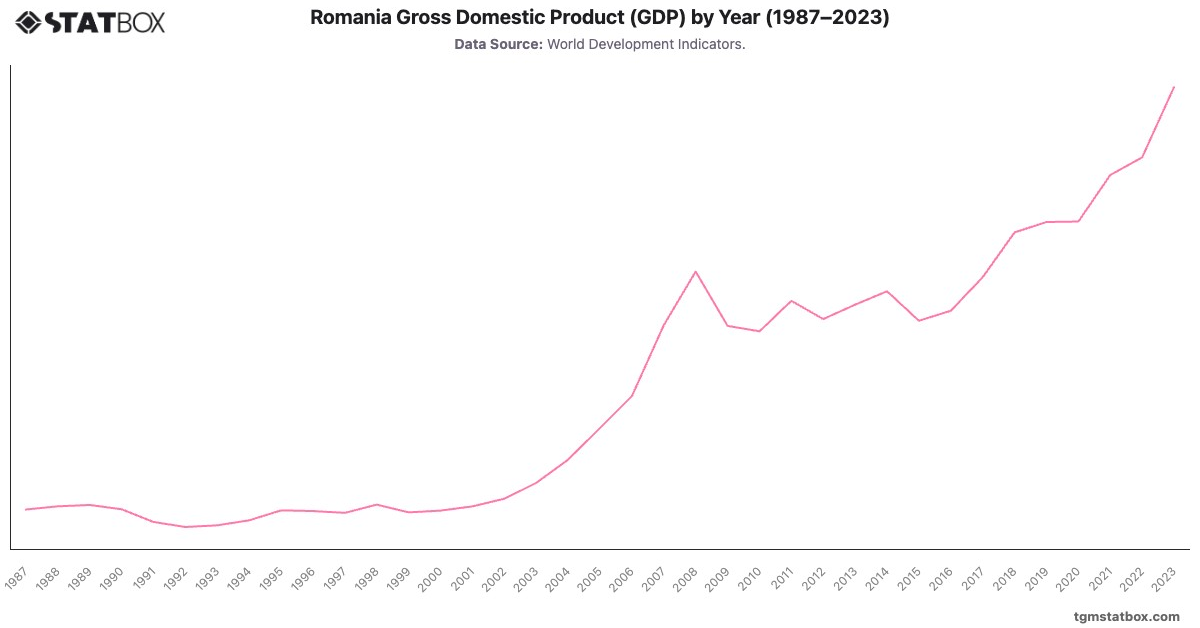
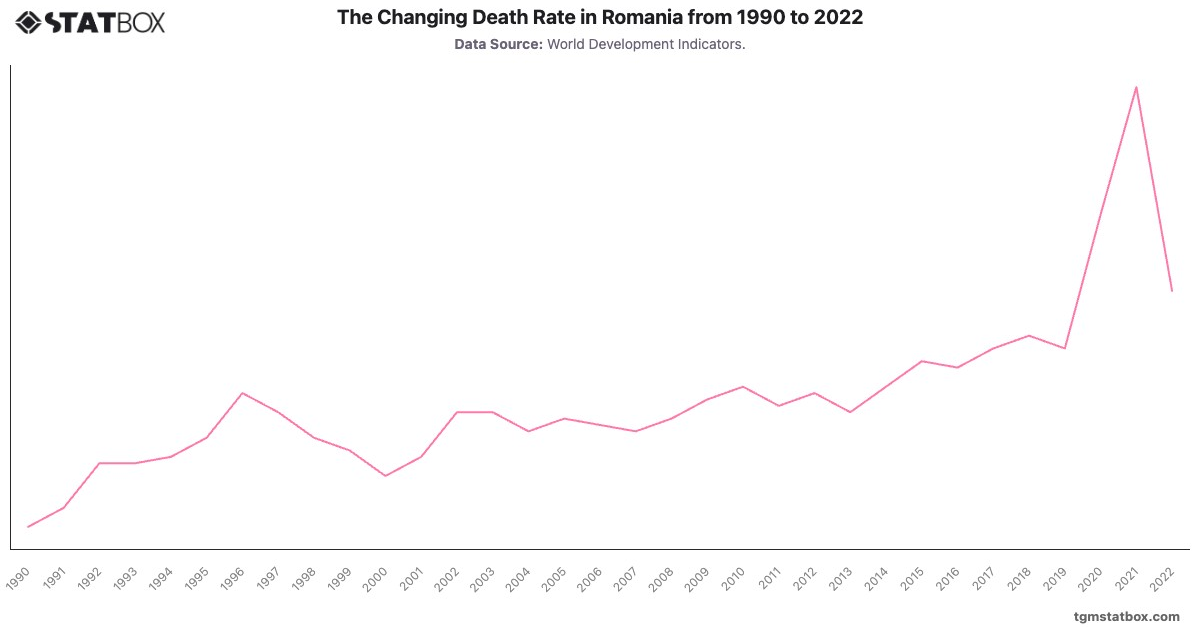
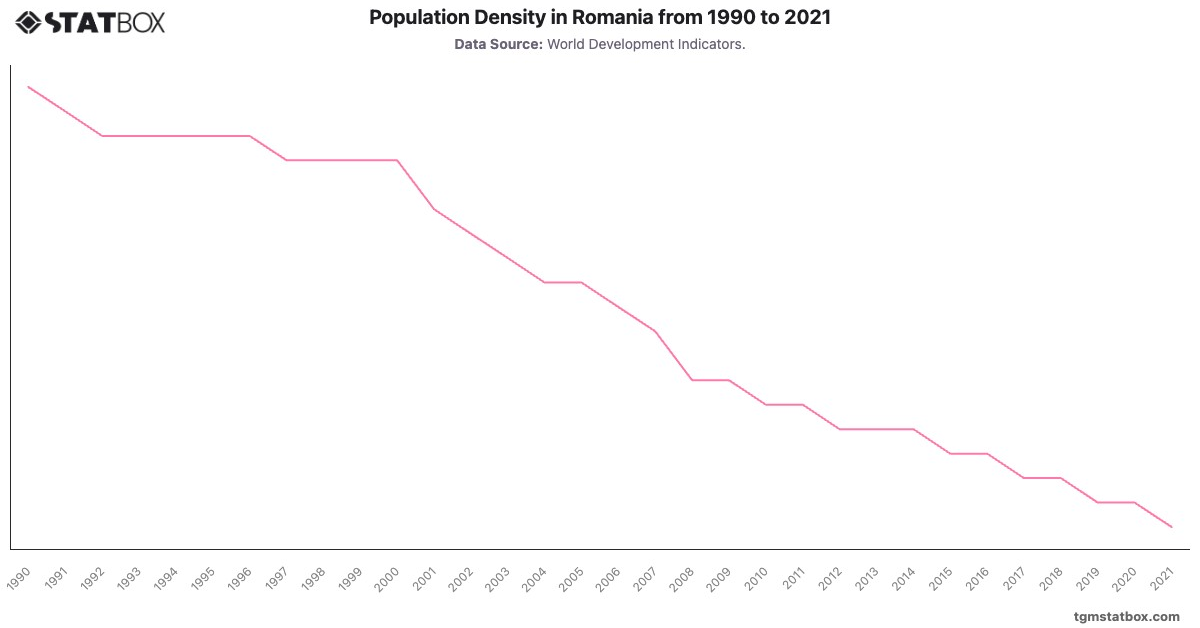
For additional information, visit statistics on yearly GDP growth rate for Romania, Romania’s mortality rate trend, Romania’s population statistics.