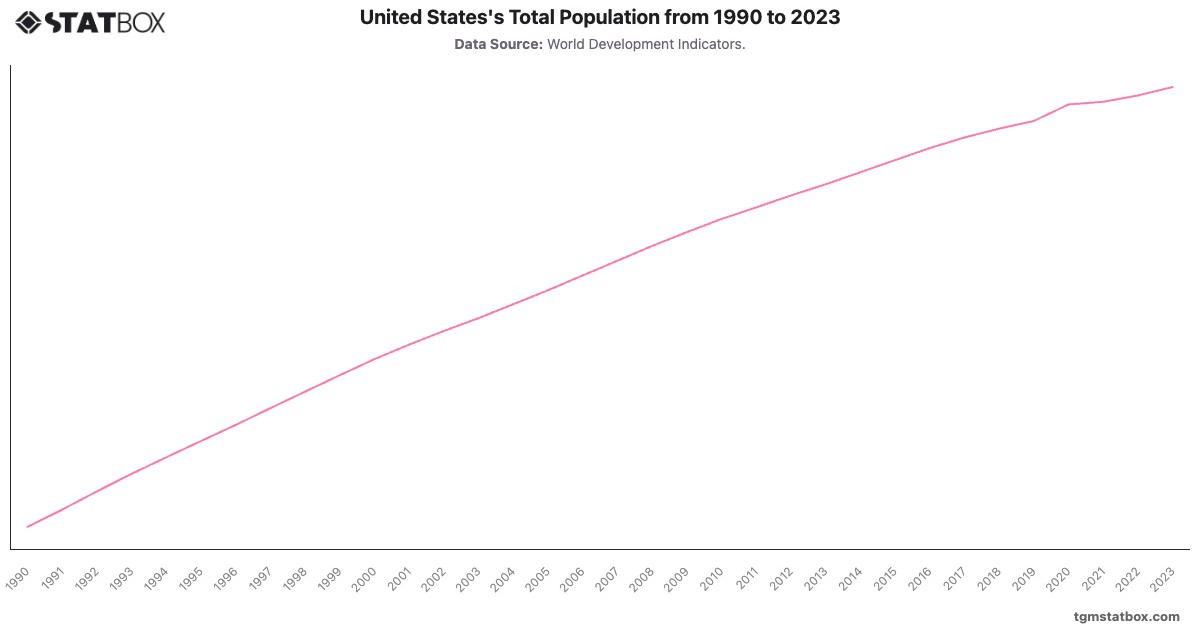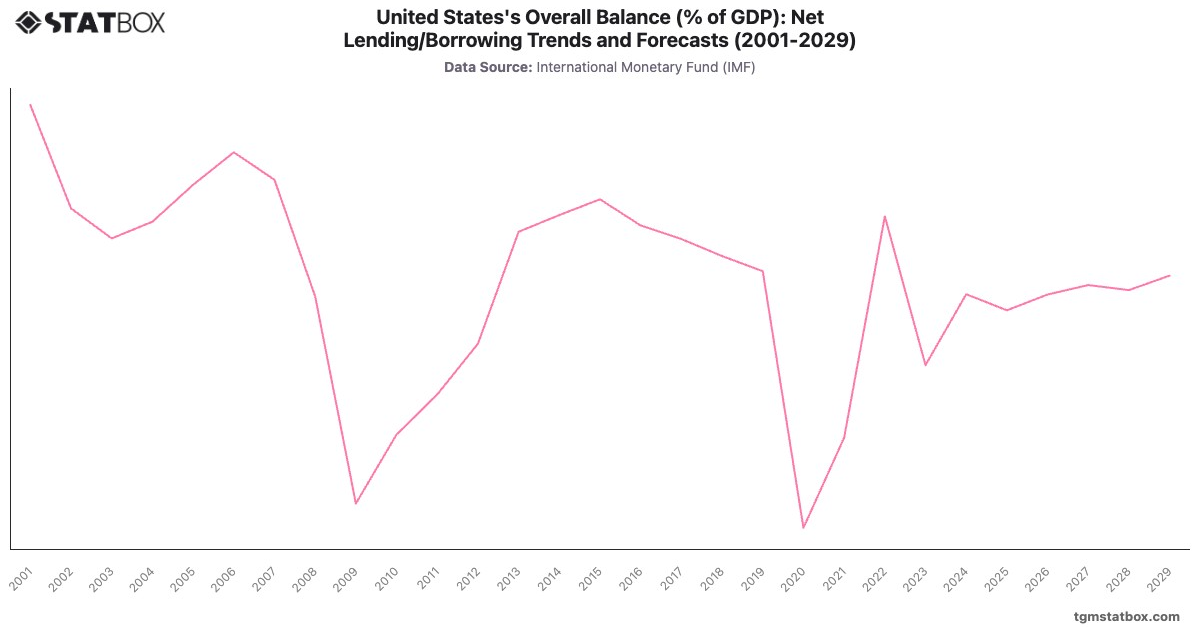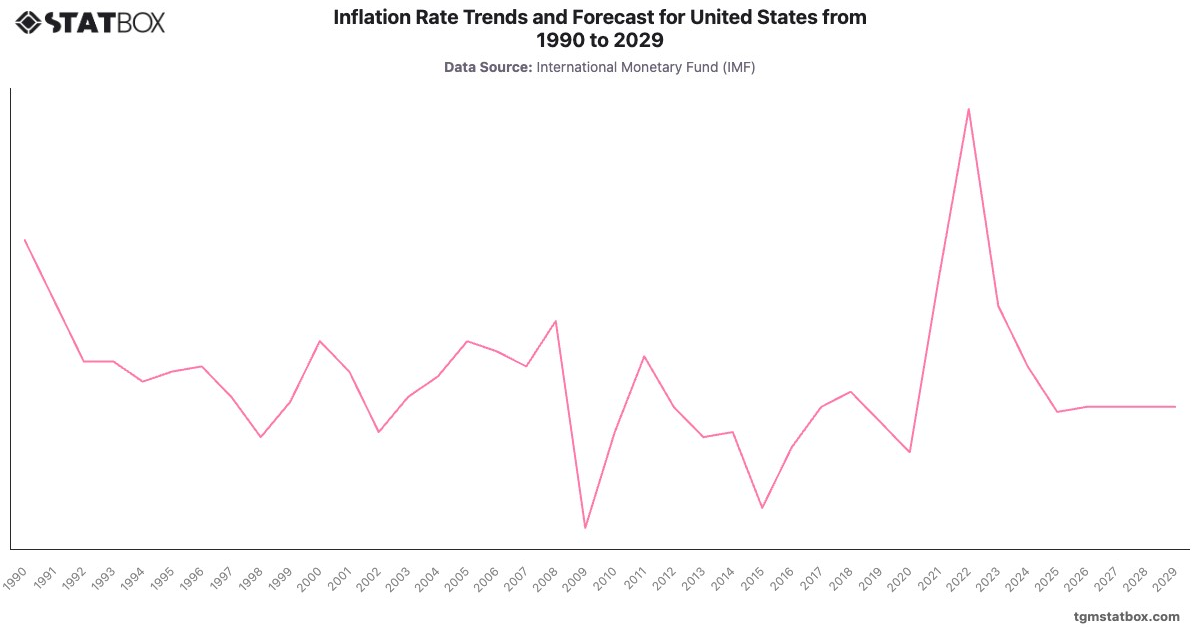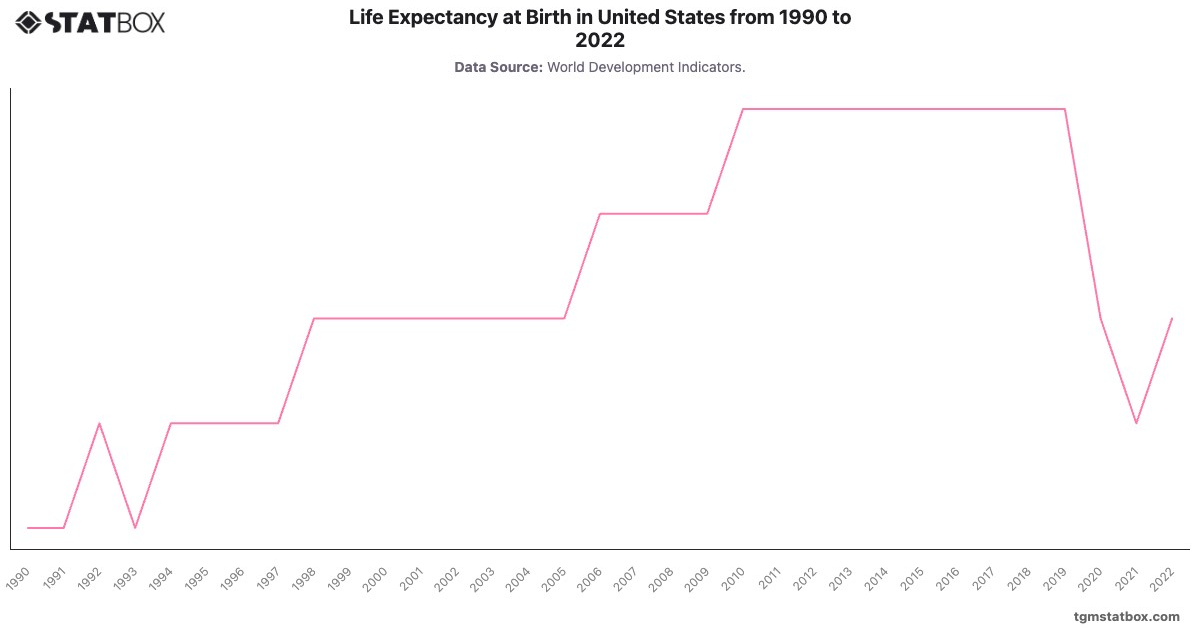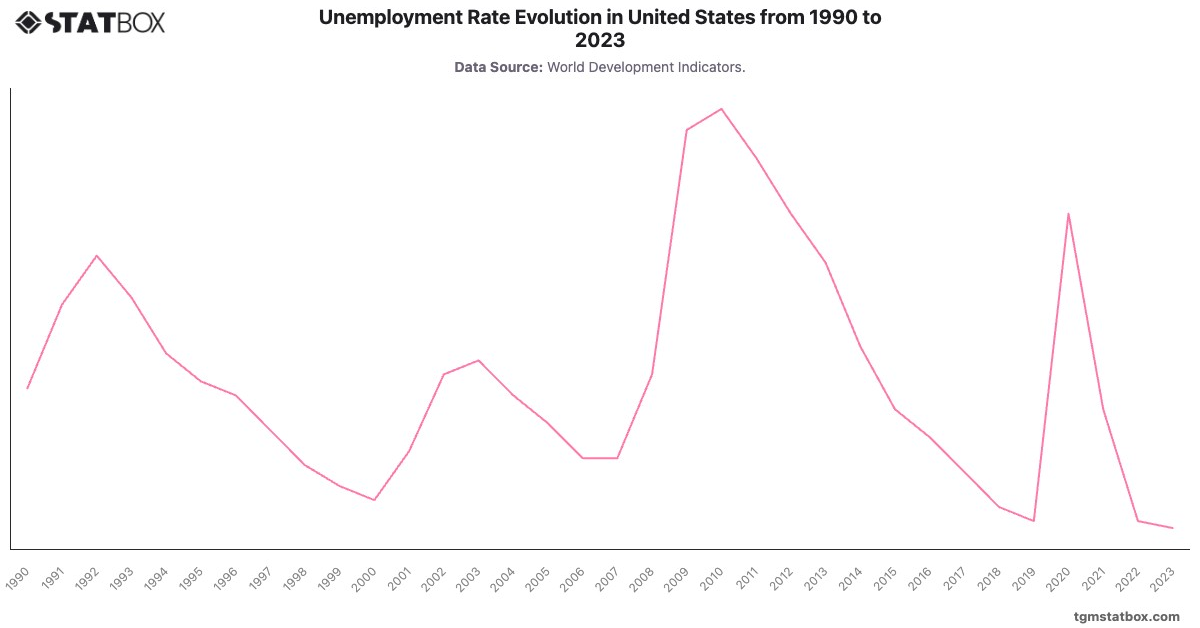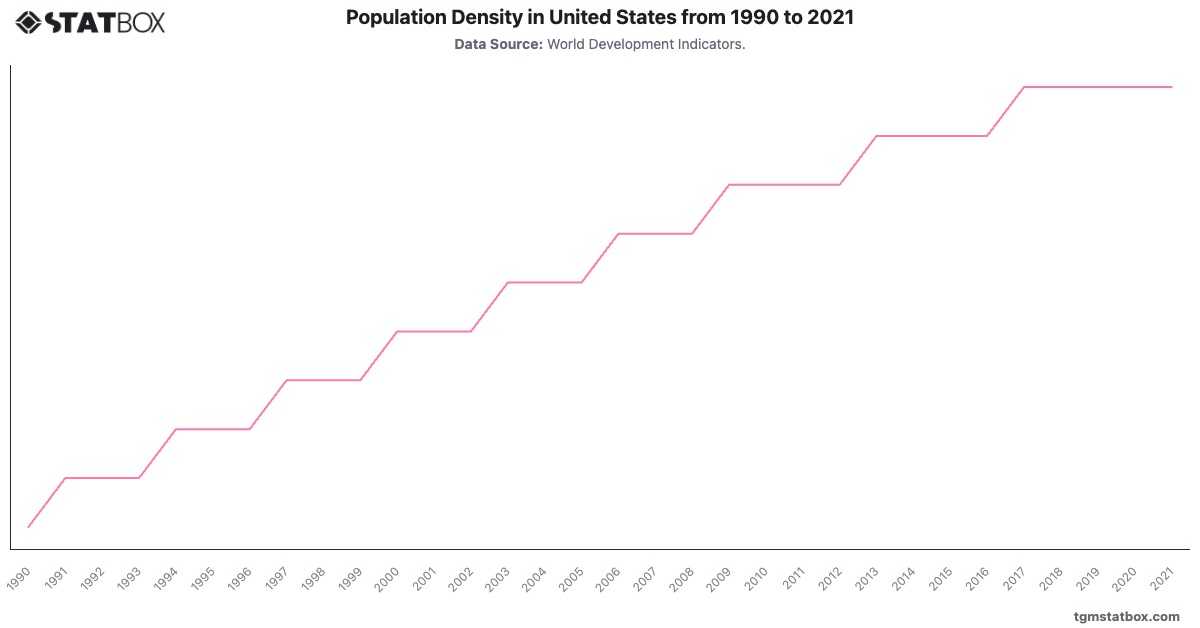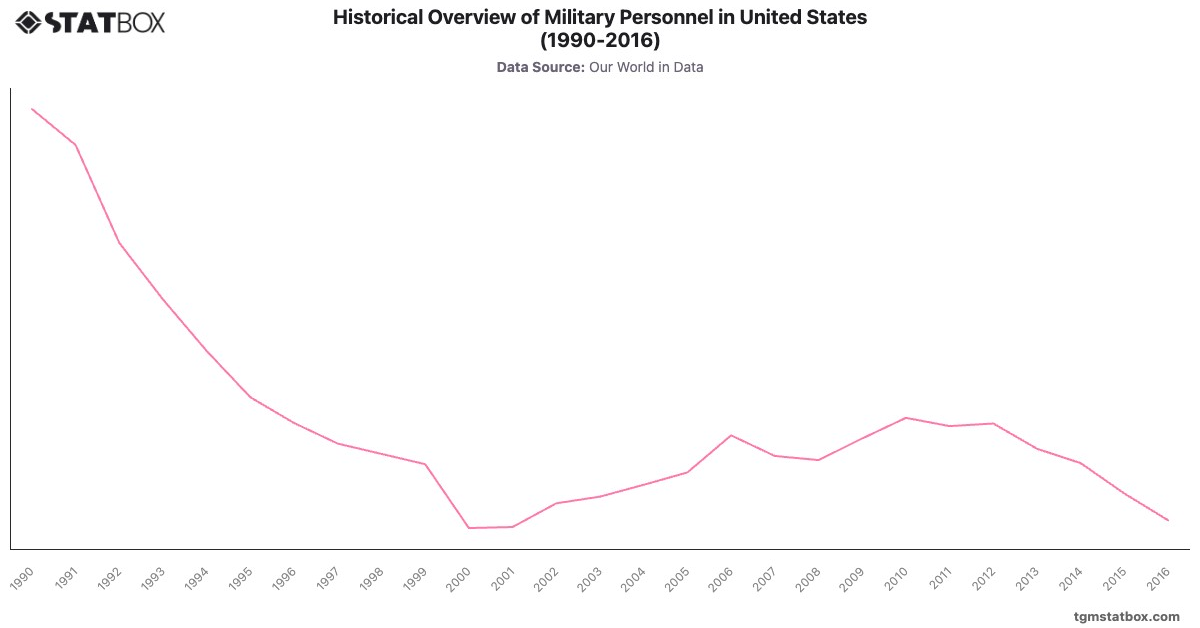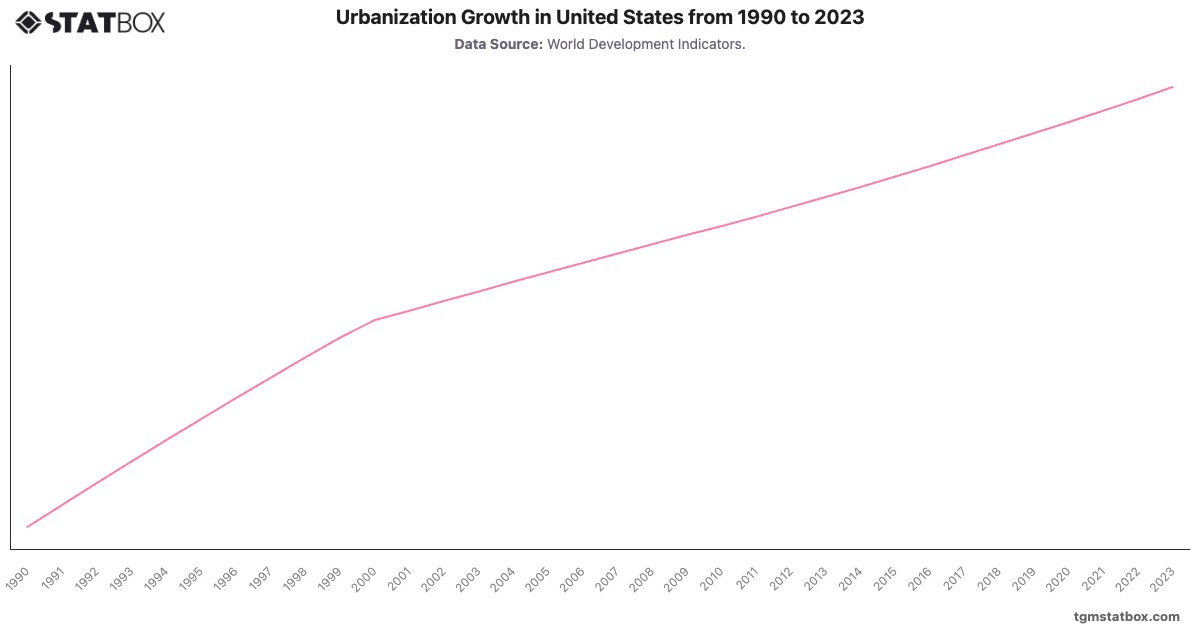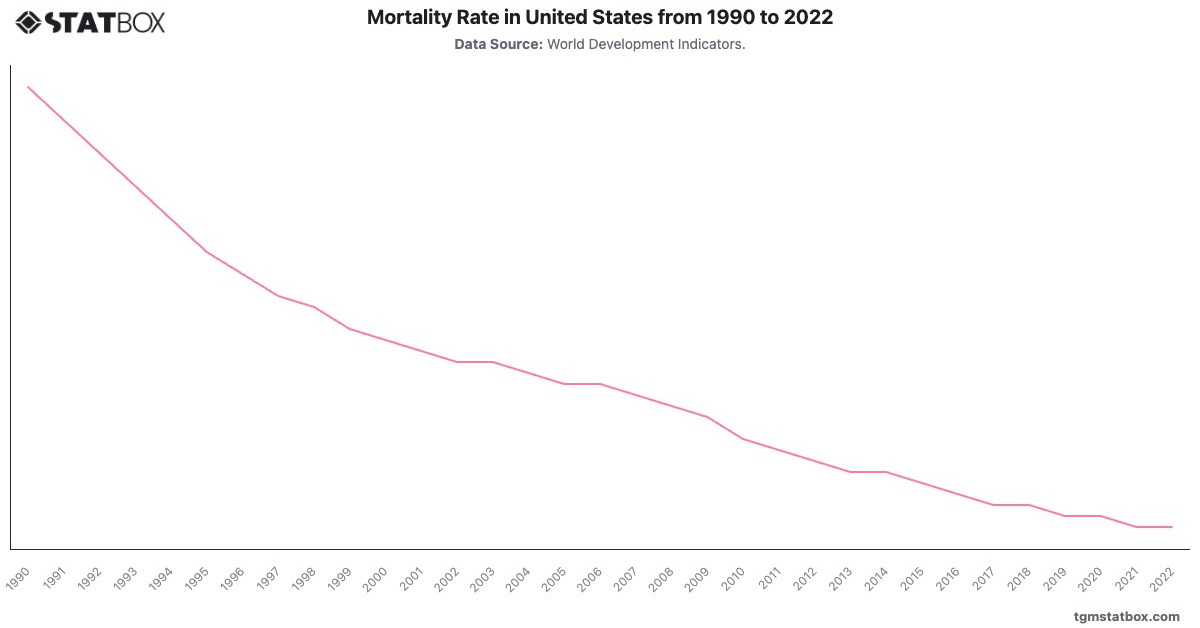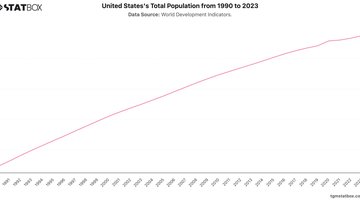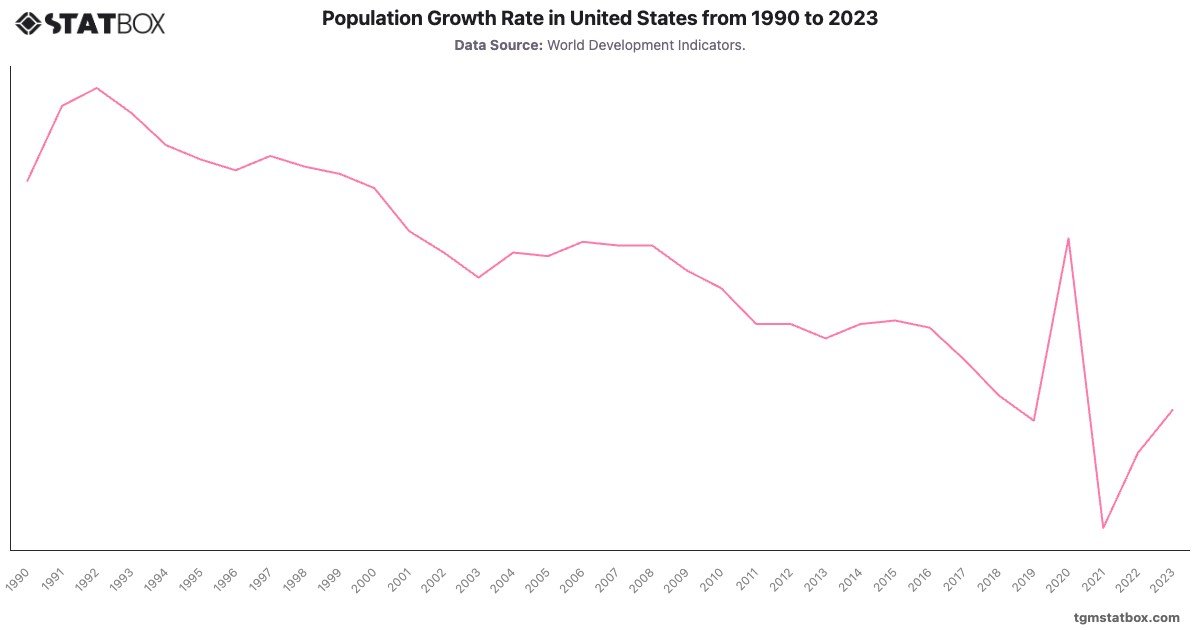
The population growth rate in the United States showcased a gradual decline over the decades, influenced by shifting demographic trends, economic conditions, and public policies. In the early 1990s, the growth rate remained steady at 1.1–, reflecting a robust economy and immigration during the post-Cold War period. By 2000, the rate had declined to , coinciding with stabilizing birth rates and slower net migration.
From 2001 to 2010, the rate fluctuated between and , with the 2008 financial crisis playing a significant role in reducing growth due to lower immigration and delayed family formation. A temporary spike in 2020, at , stemmed from the Census adjustment and pre-pandemic immigration policy effects. However, 2021 marked a sharp drop to , driven by the COVID-19 pandemic's impact on mortality and migration. The recovery to by 2023 highlights improving migration policies and pandemic recovery.
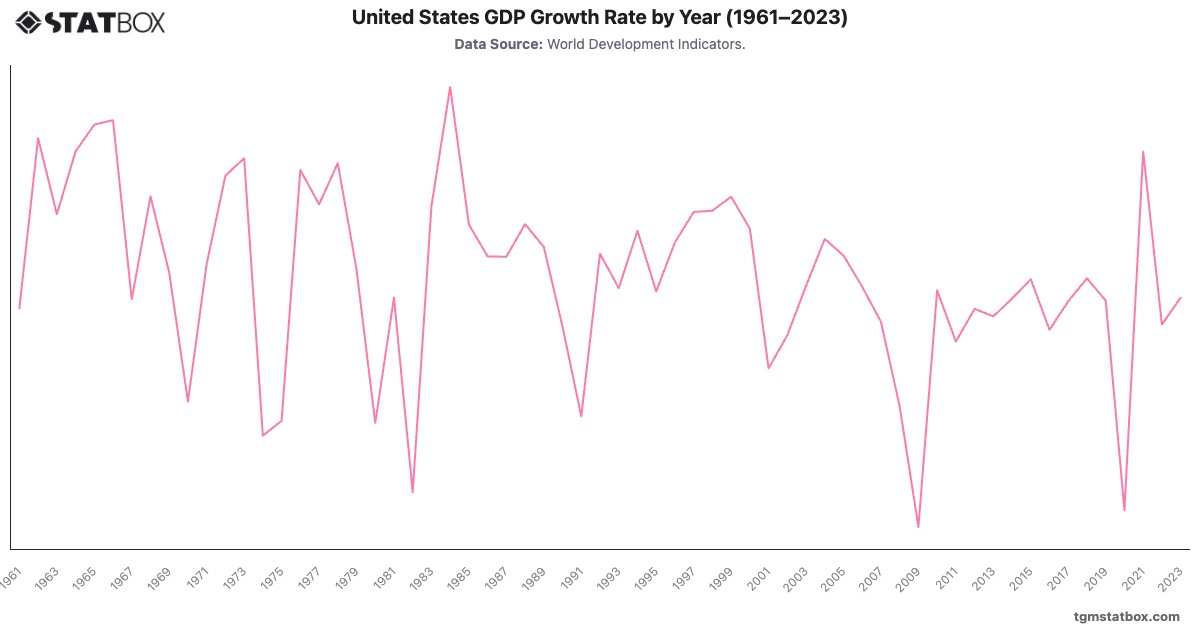
Explore related charts to gain a better understanding of United States annual GDP growth rate, United States unemployment rate, US death rate.