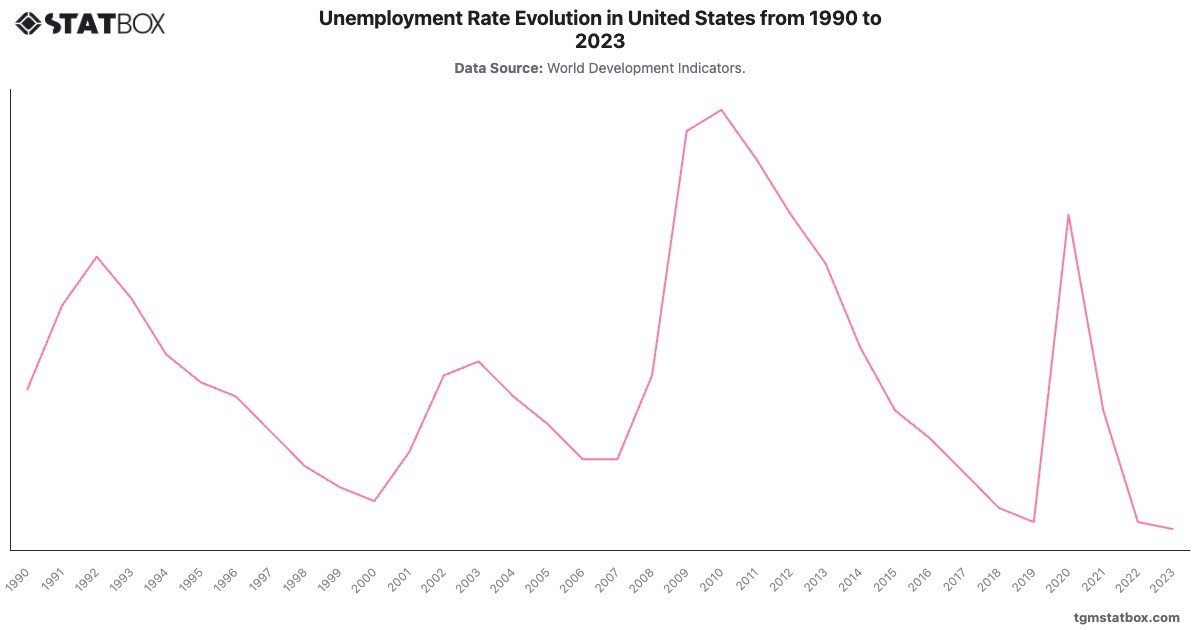
In the United States, the unemployment rate fluctuated in the early 1990s, peaking at in 1992 during a recession. The rate then declined through the decade, reaching a low of in 2000, supported by strong economic growth and technological advancement. The 2008 financial crisis led to a significant rise, with unemployment peaking at in 2010, before gradually decreasing as the economy recovered.
By 2019, the unemployment rate reached a historic low of . However, the COVID-19 pandemic pushed the rate back up to in 2020, with subsequent recovery efforts bringing it back to by 2023. This volatility underscores the cyclical nature of the U.S. labor market and its responsiveness to economic policy and external shocks.
By 2019, the unemployment rate reached a historic low of . However, the COVID-19 pandemic pushed the rate back up to in 2020, with subsequent recovery efforts bringing it back to by 2023. This volatility underscores the cyclical nature of the U.S. labor market and its responsiveness to economic policy and external shocks.
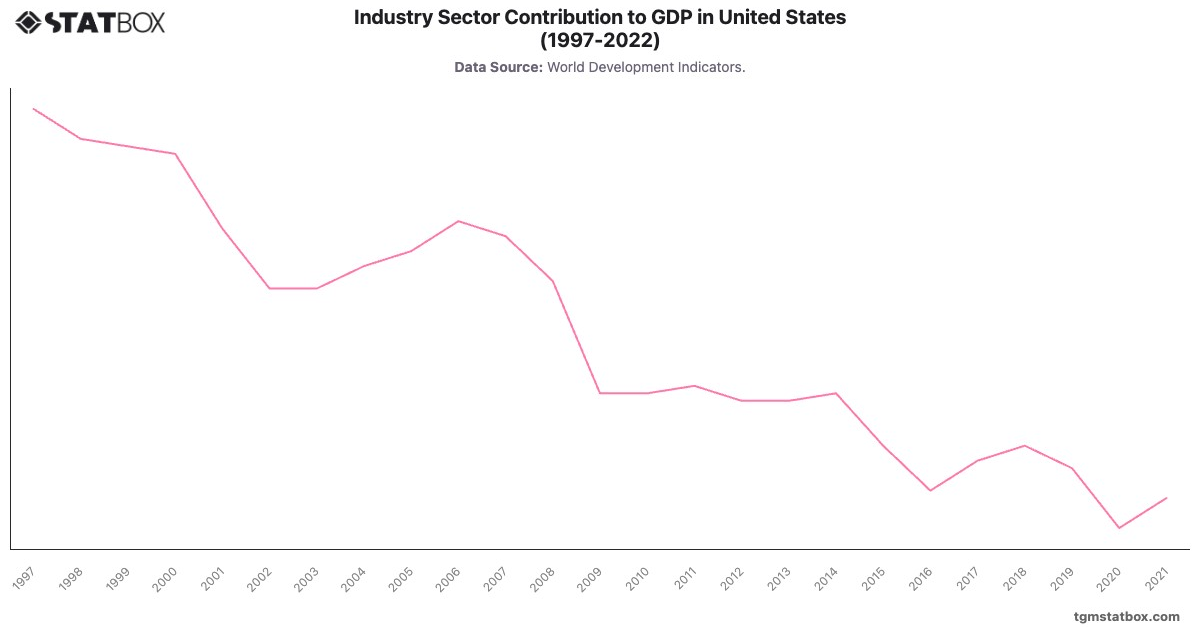
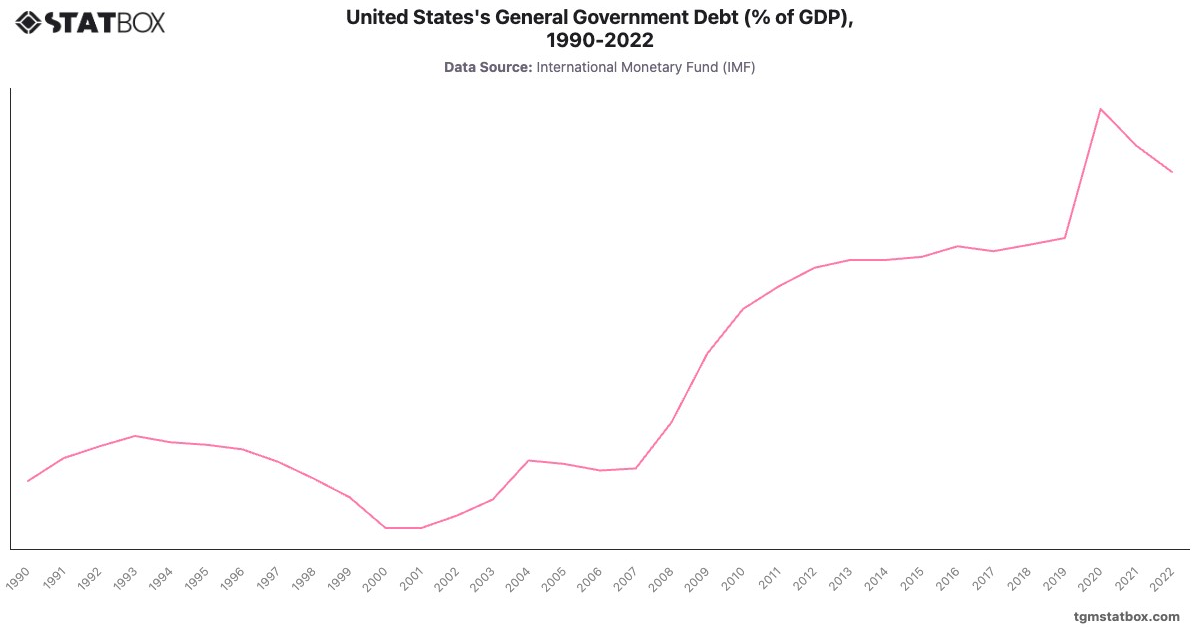
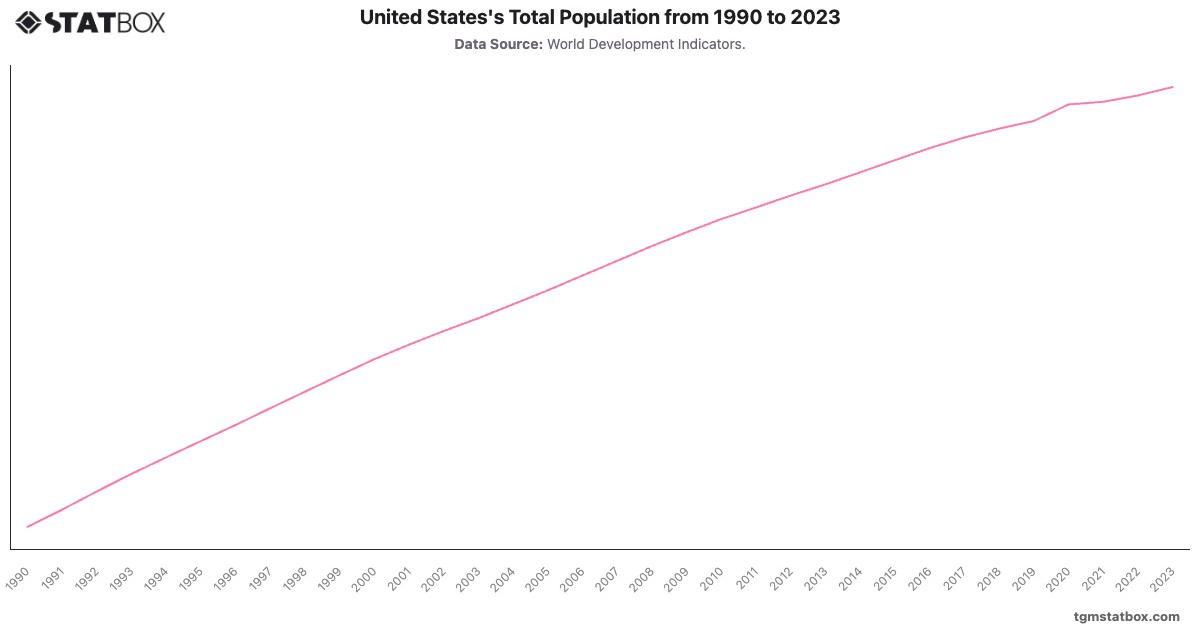
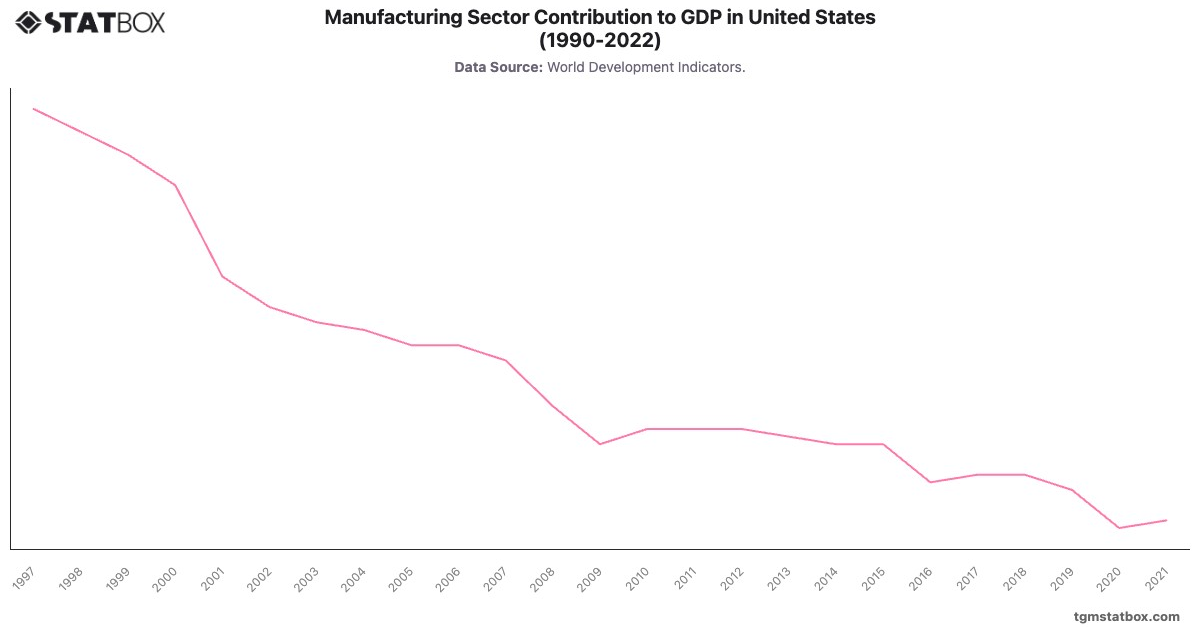
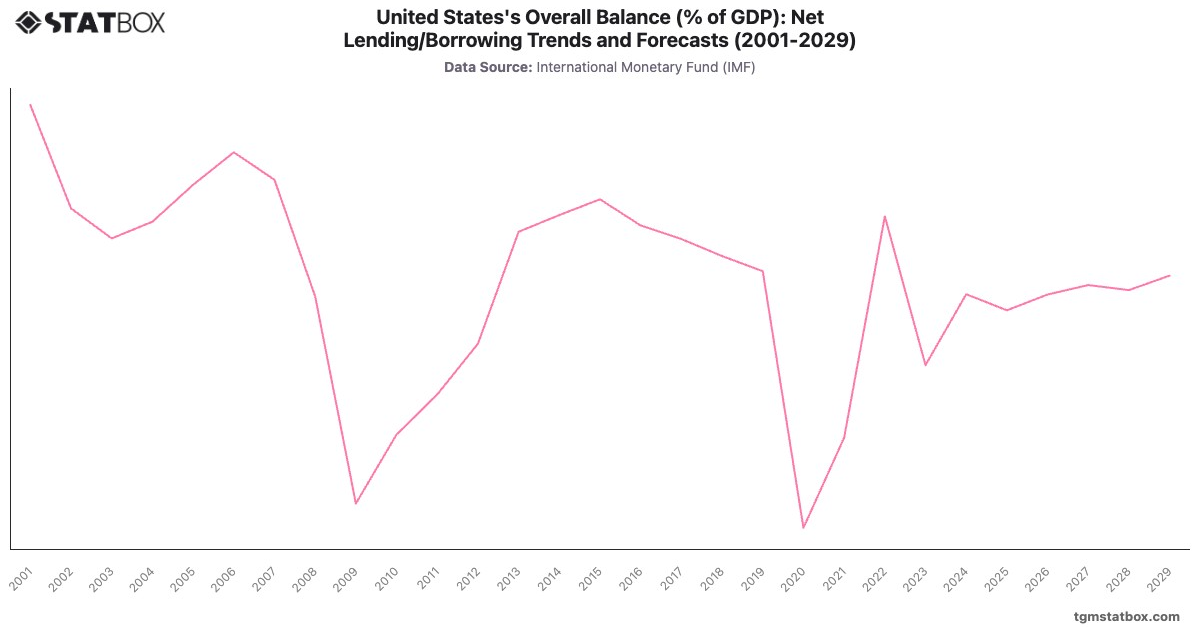
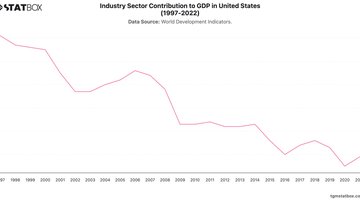
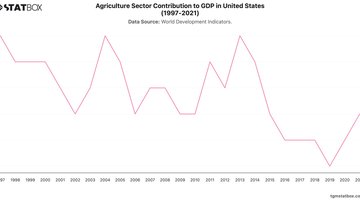
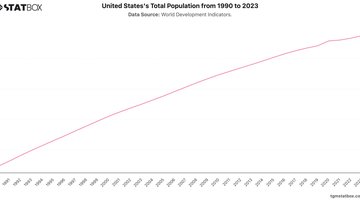
For a deeper dive into the topic, explore Industry sector’s share in US GDP, US net financial position as a percentage of GDP, United States’ population figures.