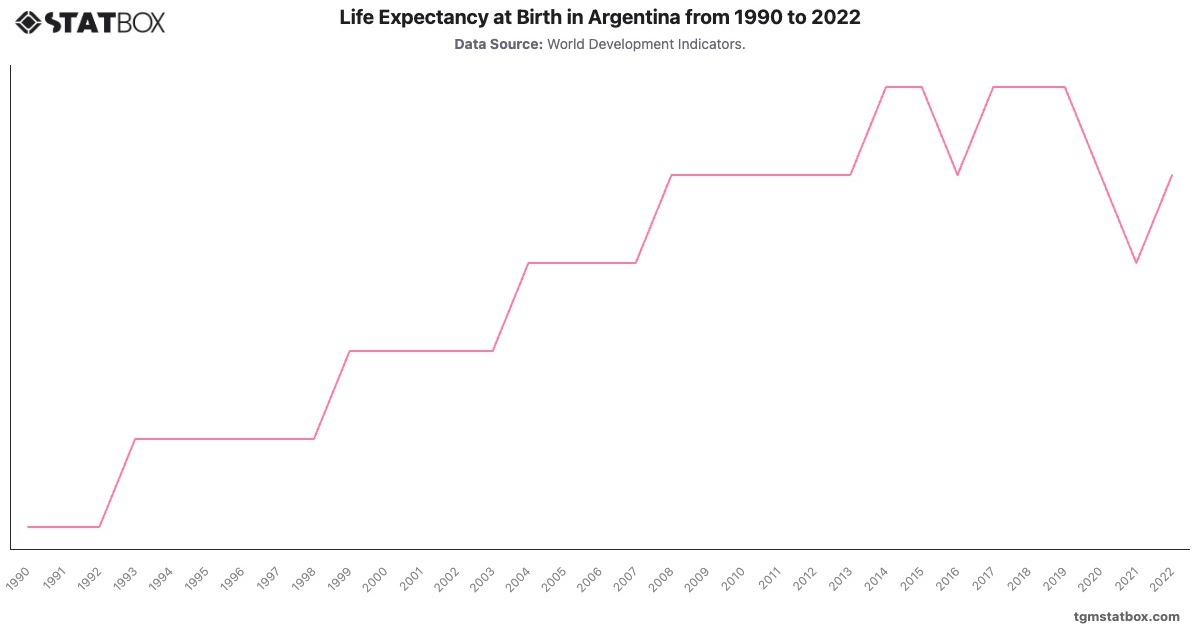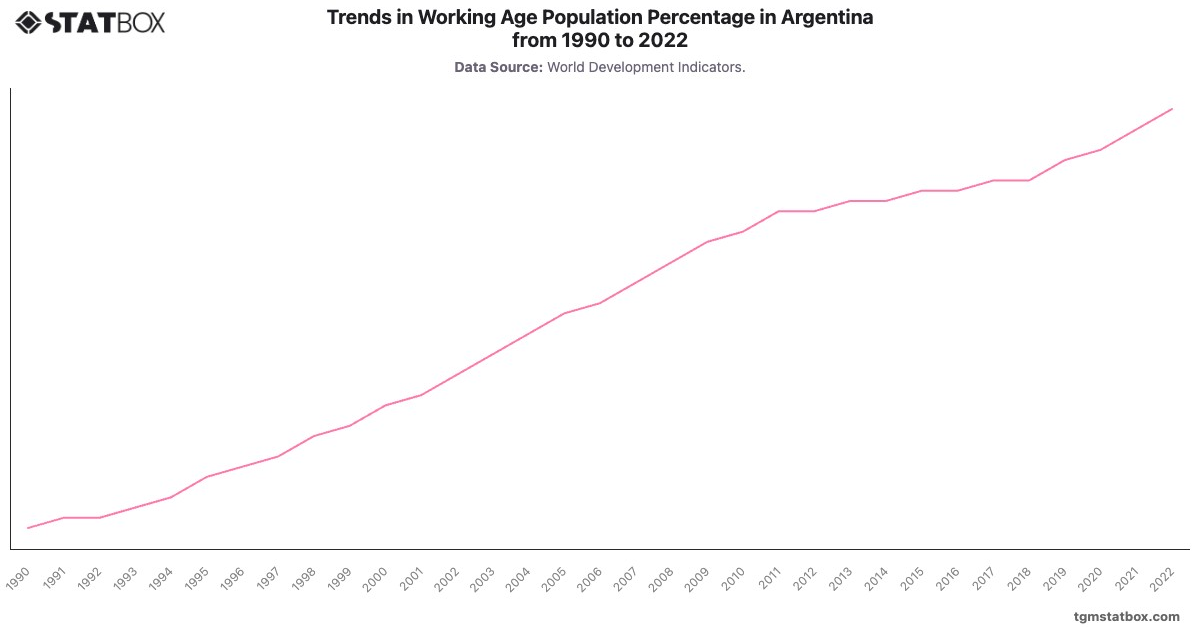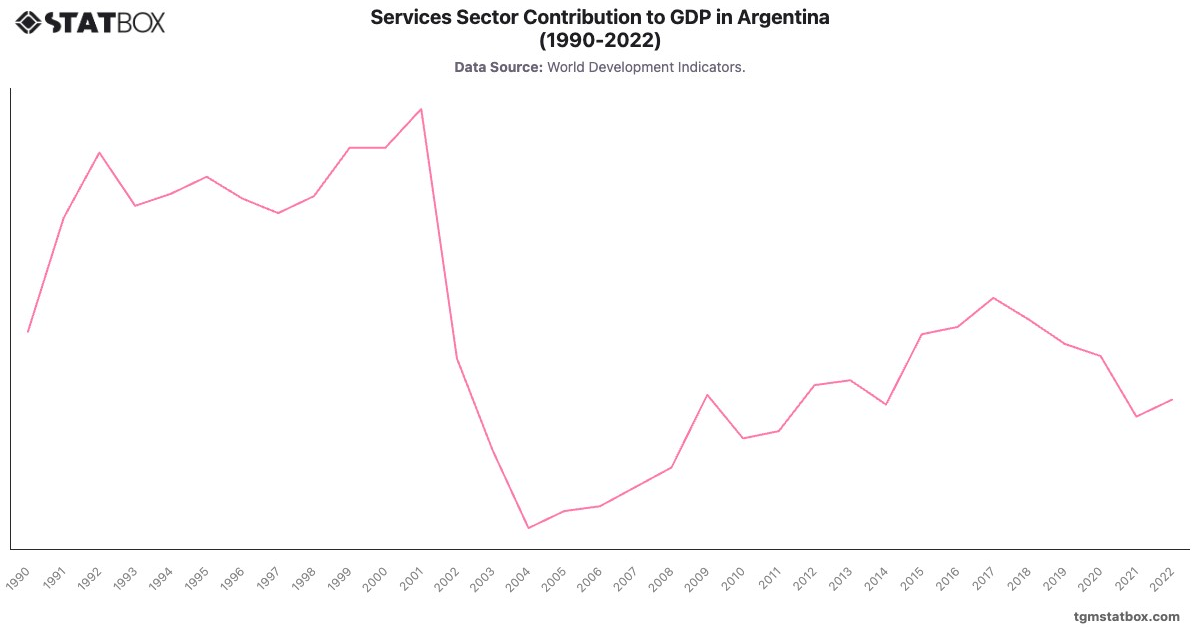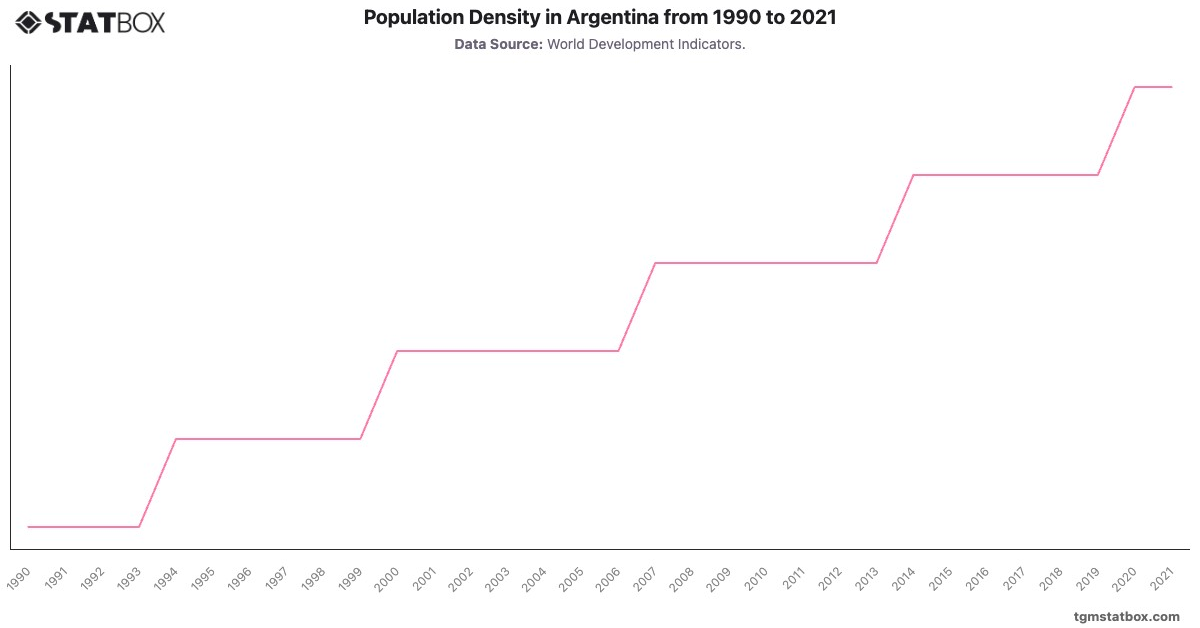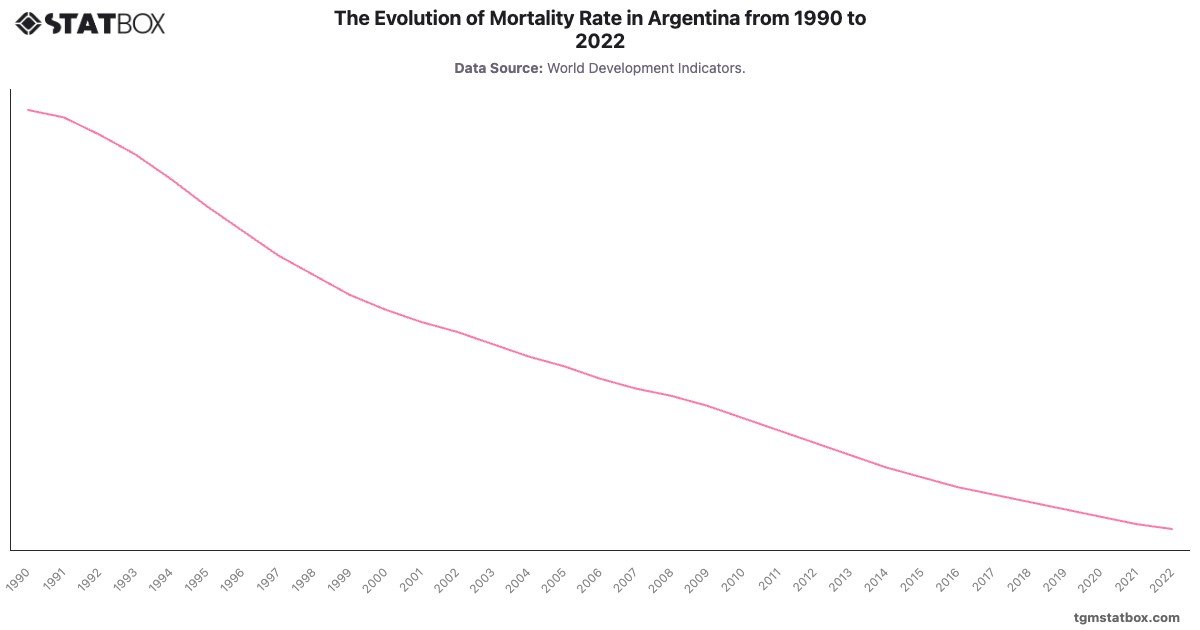
Argentina’s mortality rate steadily declined from 25.4 in 1990 to 8.4 in 2022, reflecting significant advancements in public health. The 1990s marked a gradual reduction, reaching 21.5 by 1995, supported by health reforms and expanded access to immunization. Economic stability during parts of the decade also contributed to better maternal and child care services.
Post-2000, the mortality rate continued its decline, dropping below 17 by 2010. This progress coincided with investments in healthcare infrastructure and targeted interventions like child nutrition programs. The steady decrease to 8.4 in 2022 underscores the long-term impact of improved healthcare access, though economic crises occasionally strained resources and exposed systemic inequalities in rural areas.
Post-2000, the mortality rate continued its decline, dropping below 17 by 2010. This progress coincided with investments in healthcare infrastructure and targeted interventions like child nutrition programs. The steady decrease to 8.4 in 2022 underscores the long-term impact of improved healthcare access, though economic crises occasionally strained resources and exposed systemic inequalities in rural areas.
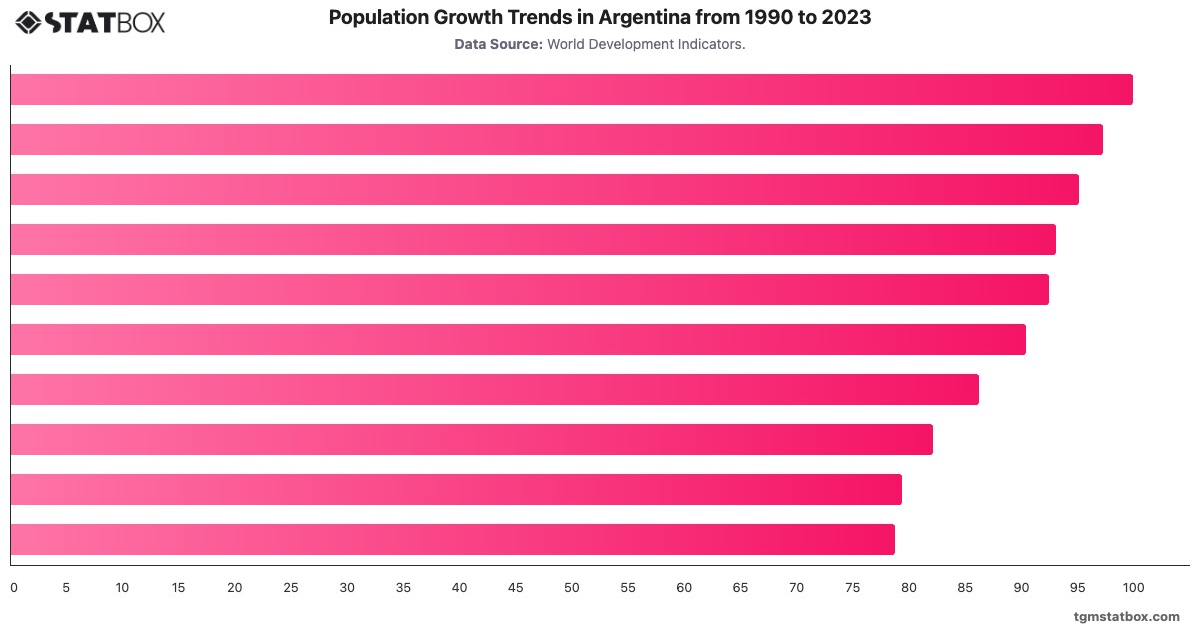
Find out more through related statistics on Argentina’s birth longevity, Argentina’s population growth trends, Argentina’s death rate fluctuations.