Population Growth Trends in Serbia (1990-2023)
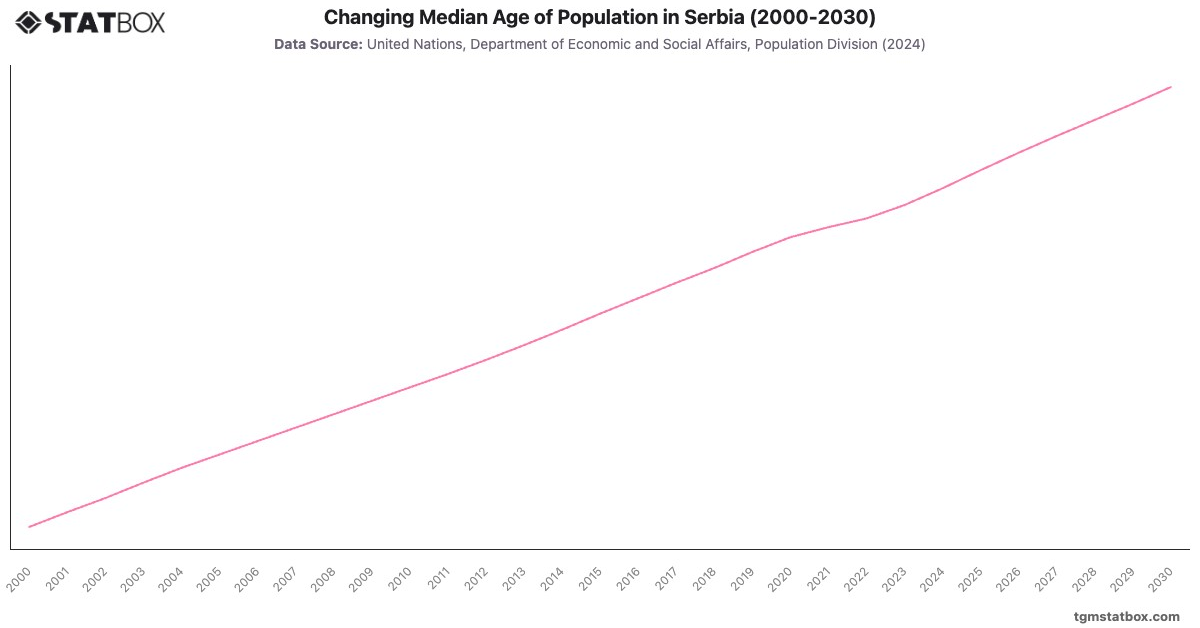
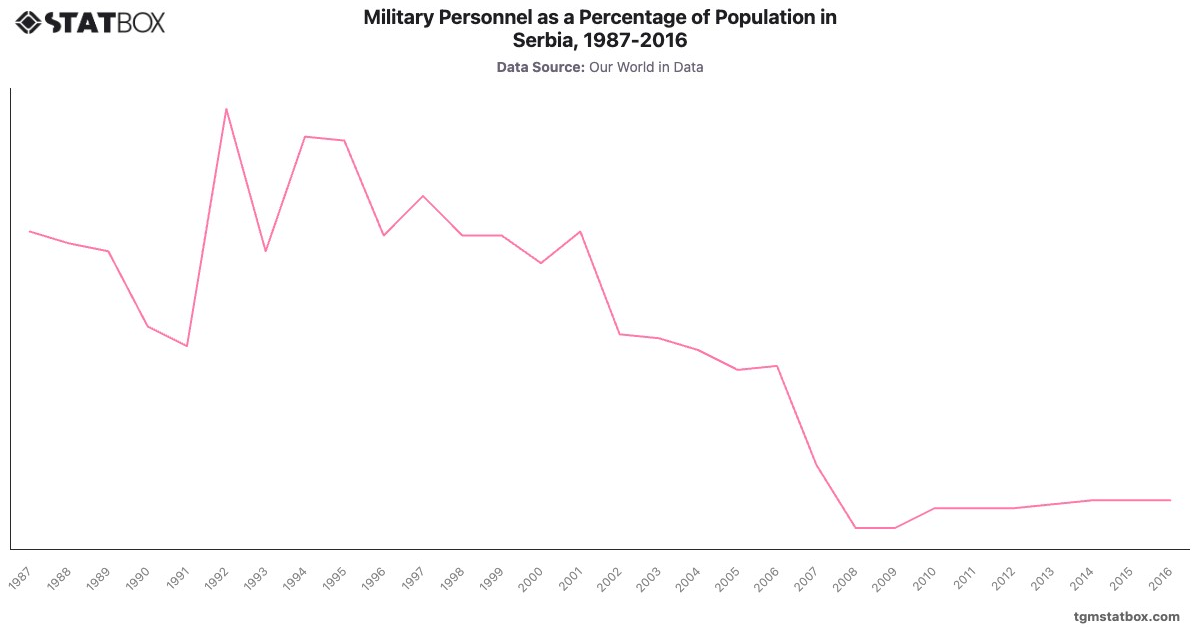
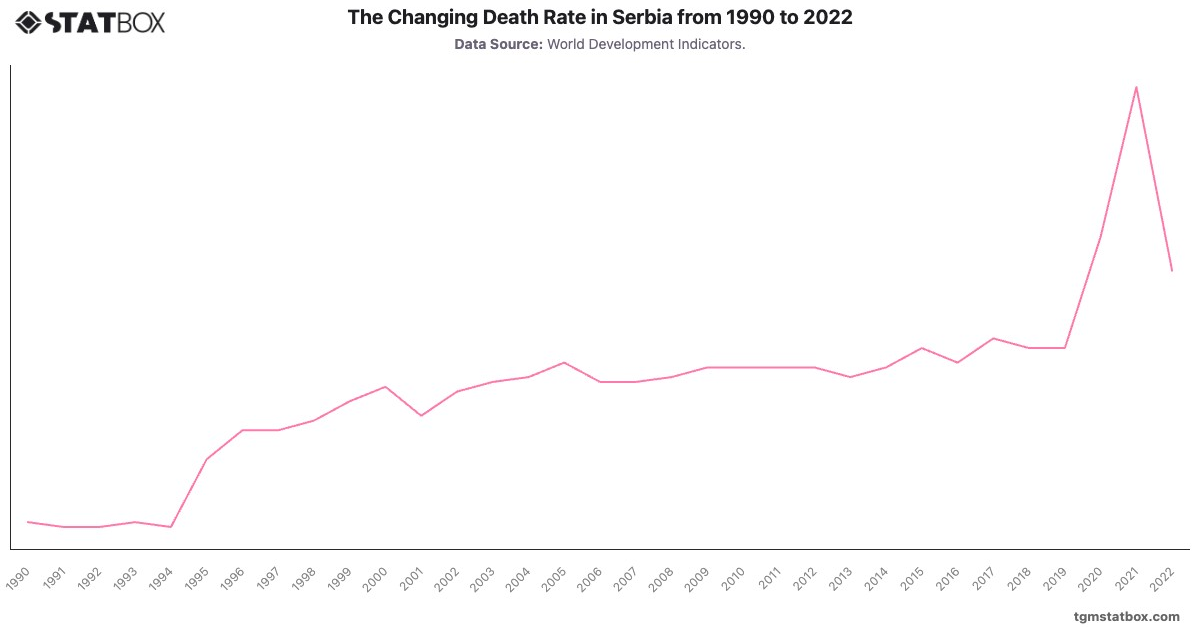
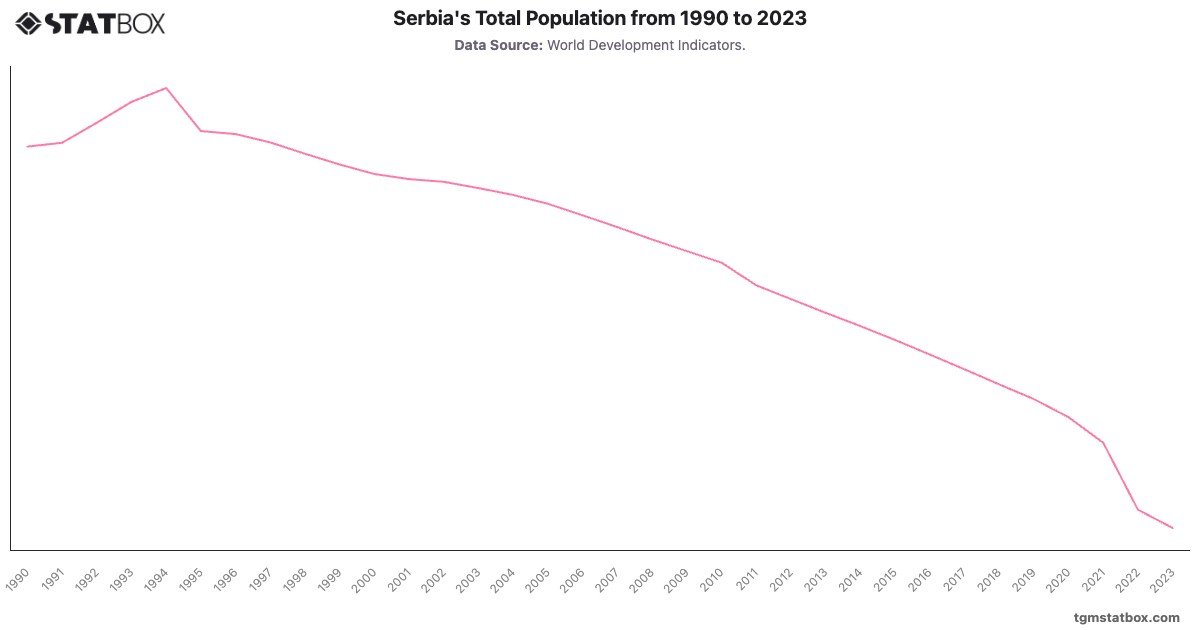
Serbia’s population has gradually declined from around 7.5 million in 1990 to approximately 6.6 million by 2023. The 1990s saw relative stability, but economic challenges and emigration following the Yugoslav Wars led to a steady decrease from 2000 onwards. Low birth rates, coupled with an aging population, have contributed to the population decline, with many younger Serbians moving abroad for economic opportunities. The trend has accelerated in recent years, indicating a persistent demographic challenge for Serbia in terms of workforce sustainability and economic resilience.
Serbia’s population has gradually declined from around 7.5 million in 1990 to approximately 6.6 million by 2023. The 1990s saw relative stability, but economic challenges and emigration following the Yugoslav Wars led to a steady decrease from 2000 onwards. Low birth rates, coupled with an aging population, have contributed to the population decline, with many younger Serbians moving abroad for economic opportunities. The trend has accelerated in recent years, indicating a persistent demographic challenge for Serbia in terms of workforce sustainability and economic resilience.
Explore related charts to gain a better understanding of Serbia’s annual GDP growth rate, Serbia’s population density, Serbia’s median age shift.