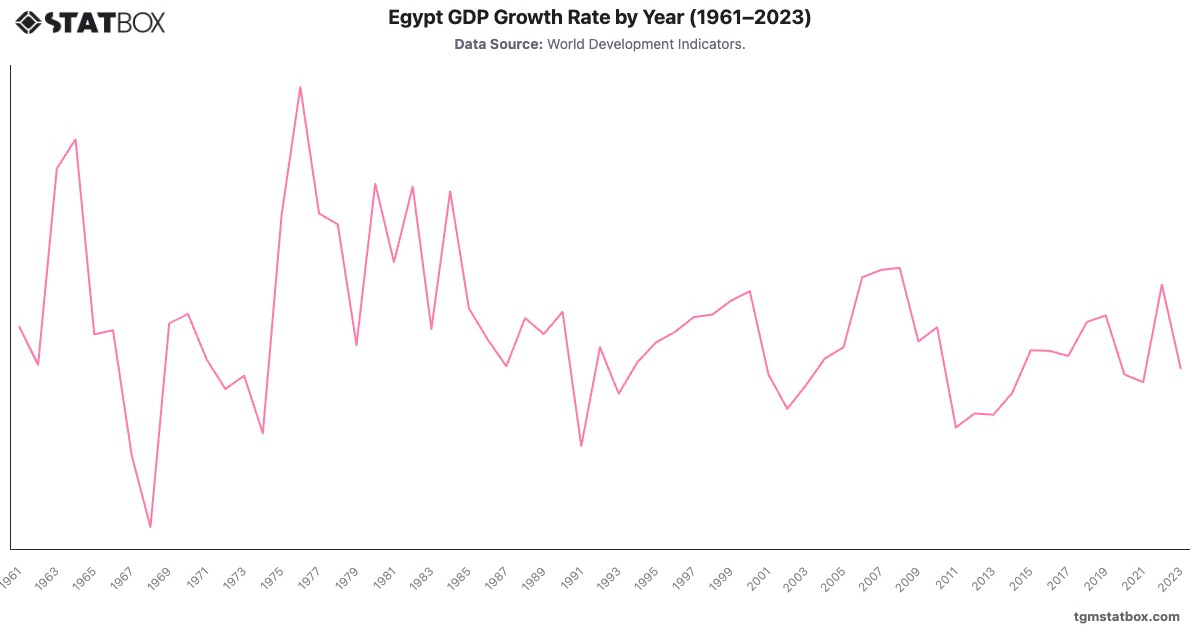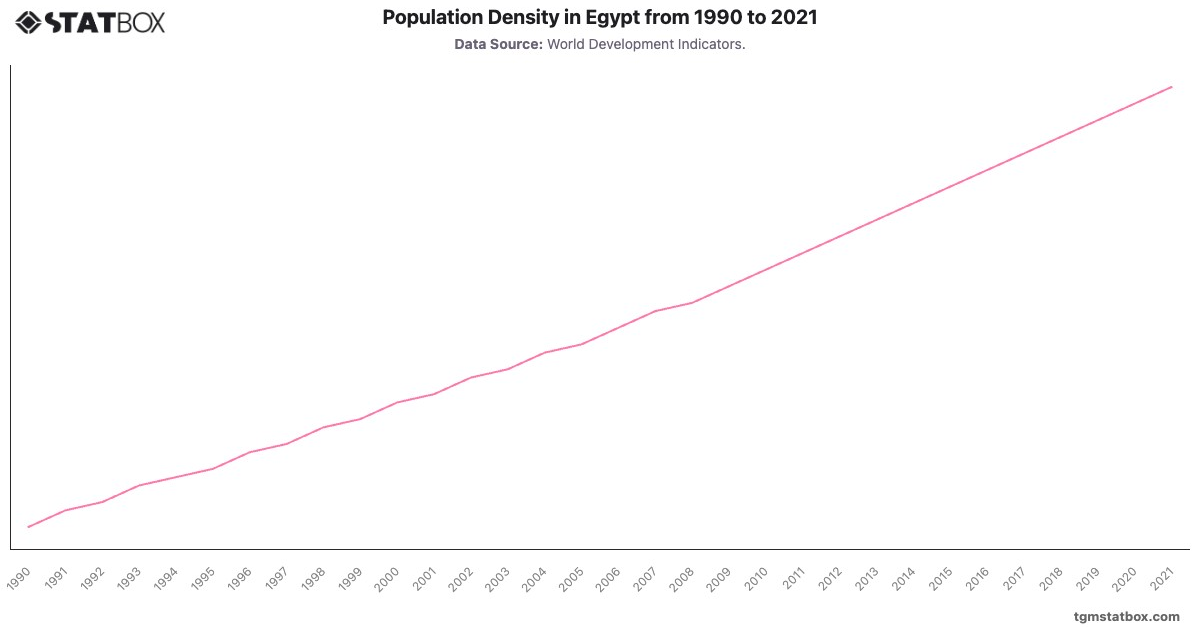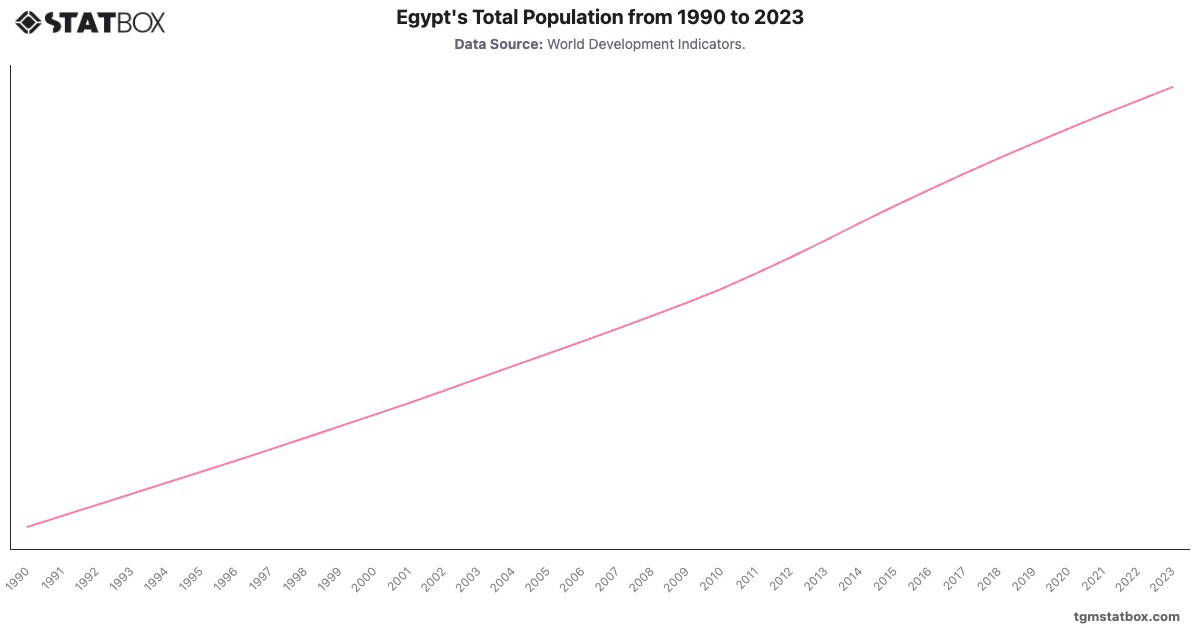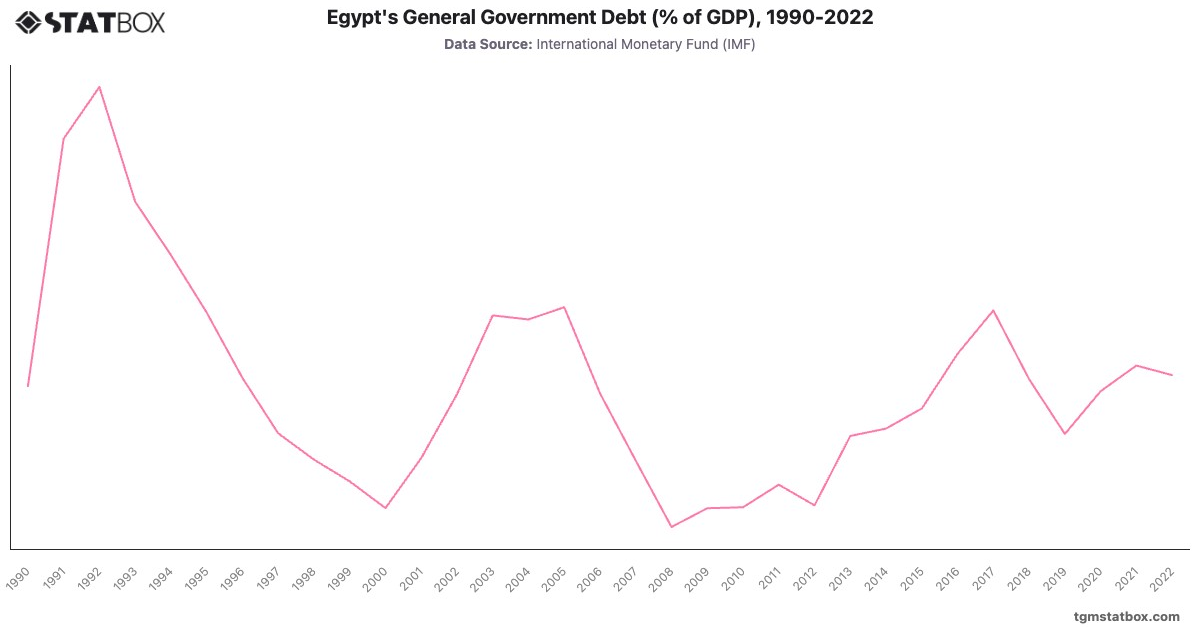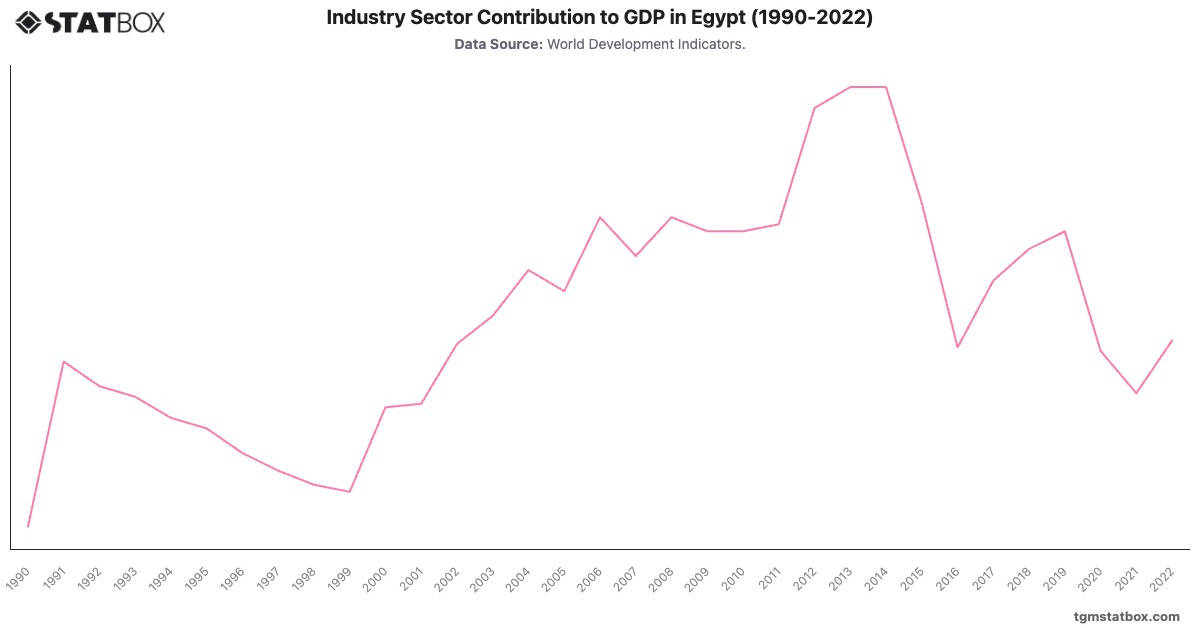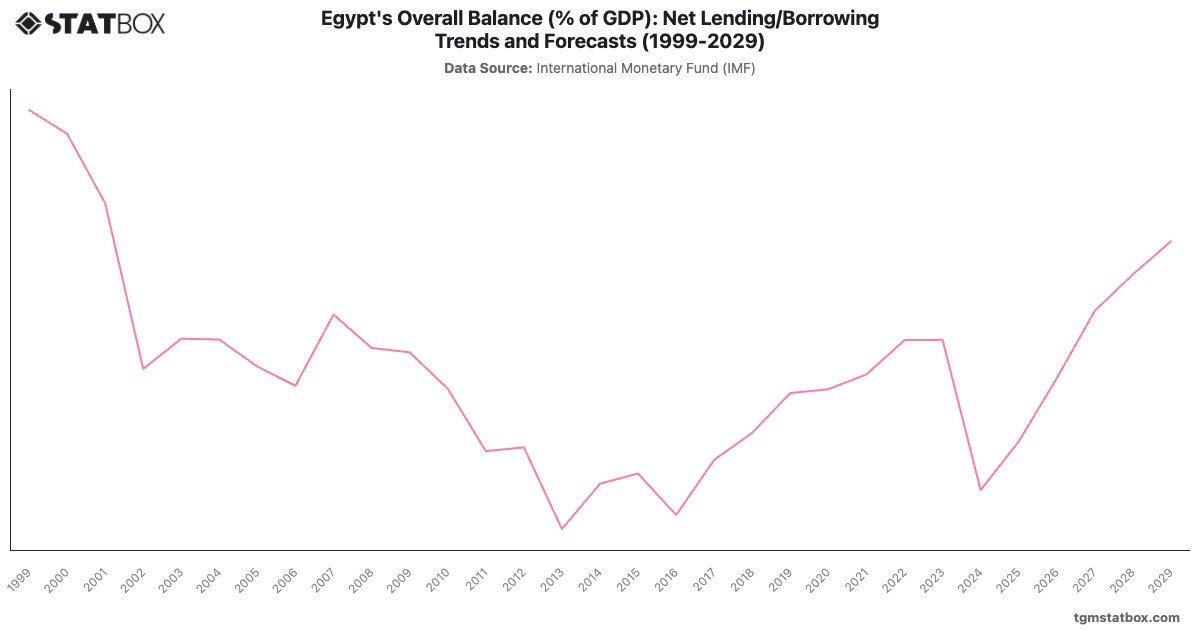
Egypt’s fiscal trends highlight structural challenges and economic reforms. Deficits deepened during the 2000s, peaking at - in 2013 due to political instability and rising subsidies. Reforms since 2016, including subsidy cuts and tax reforms, have reduced deficits to - by 2022.
Projections suggest gradual improvement, with deficits narrowing to - by 2029. However, high public debt and external vulnerabilities remain key risks. Egypt’s fiscal trajectory underscores the need for sustained reforms to achieve macroeconomic stability.
Projections suggest gradual improvement, with deficits narrowing to - by 2029. However, high public debt and external vulnerabilities remain key risks. Egypt’s fiscal trajectory underscores the need for sustained reforms to achieve macroeconomic stability.
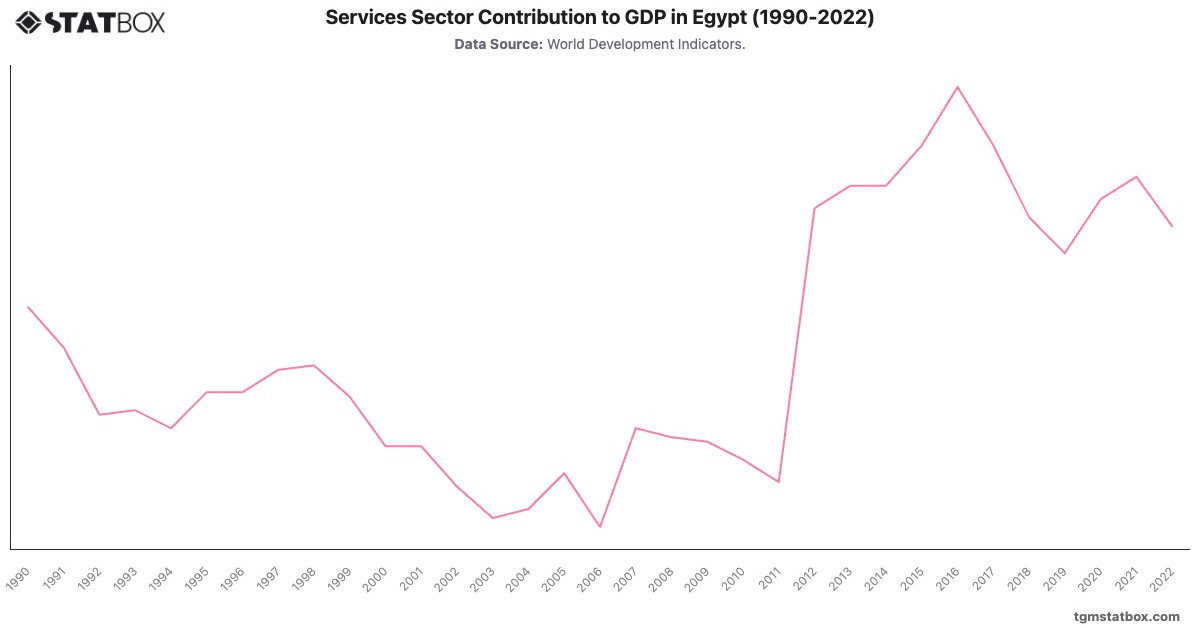
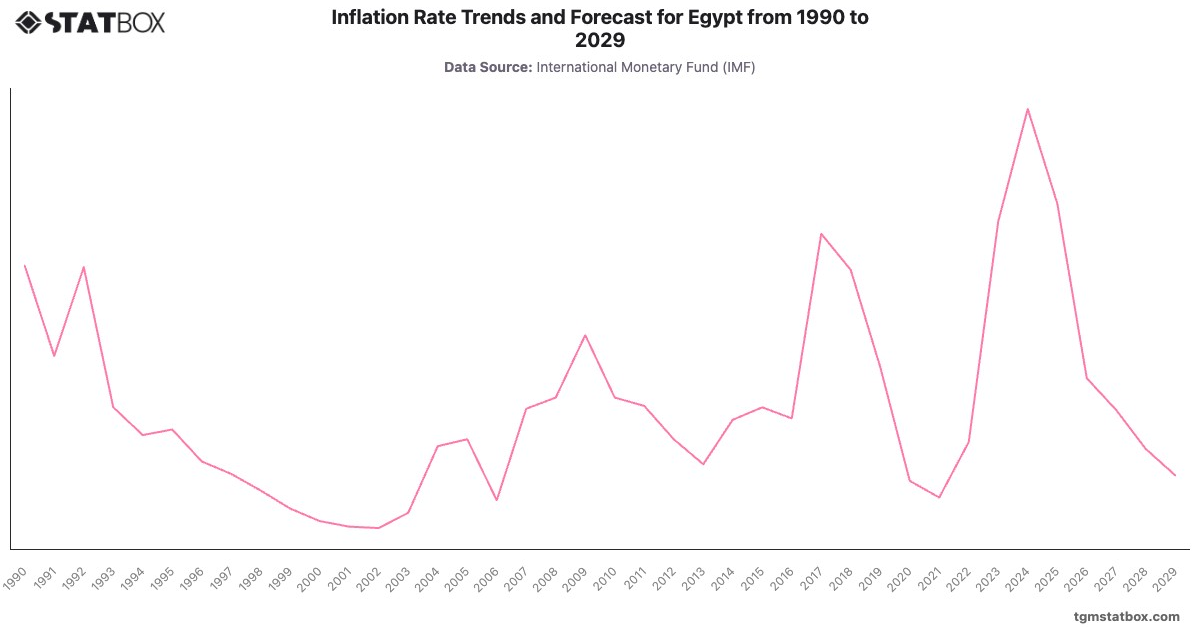
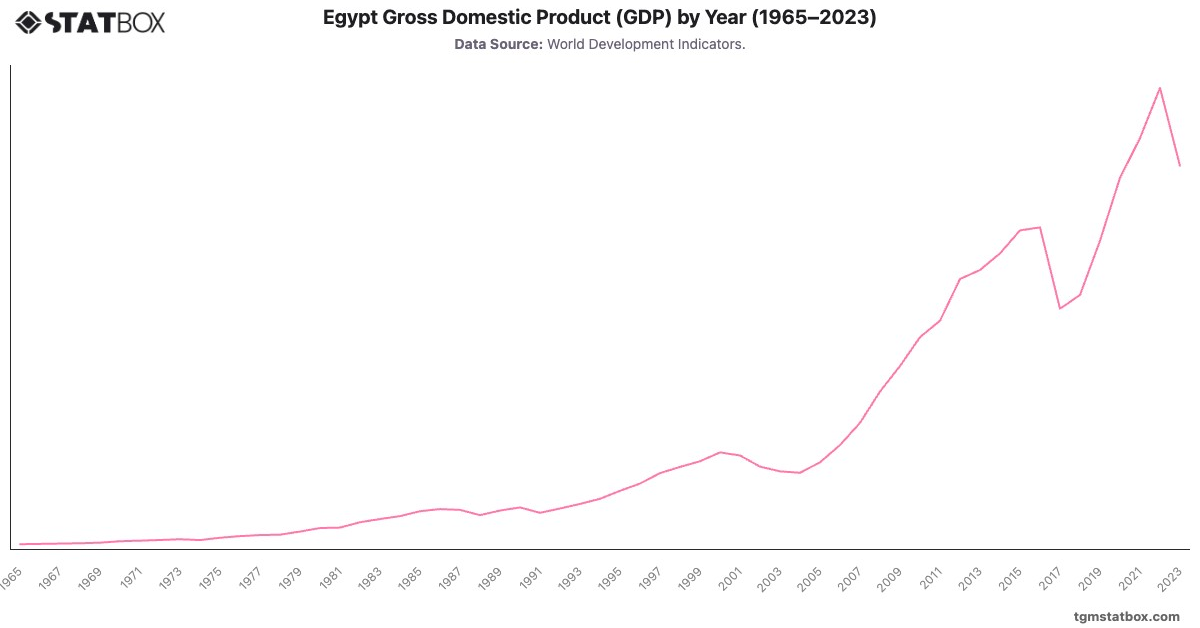
Explore related charts to gain a better understanding of Egypt’s annual GDP, Egypt’s services sector share in GDP, Egypt’s inflation rate trajectory.