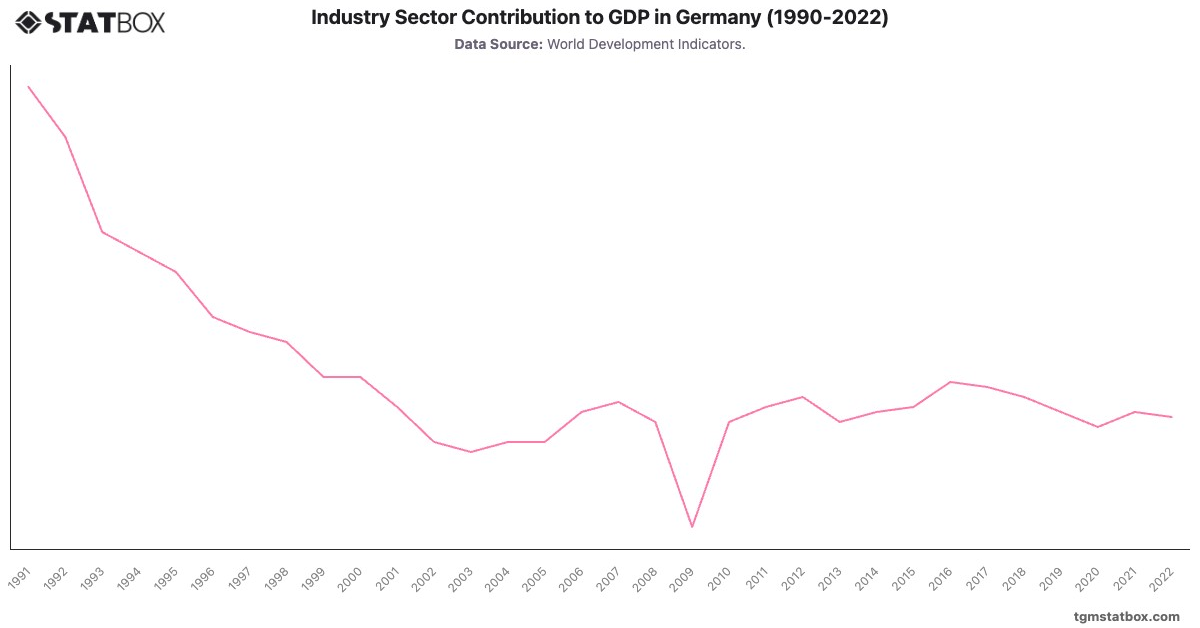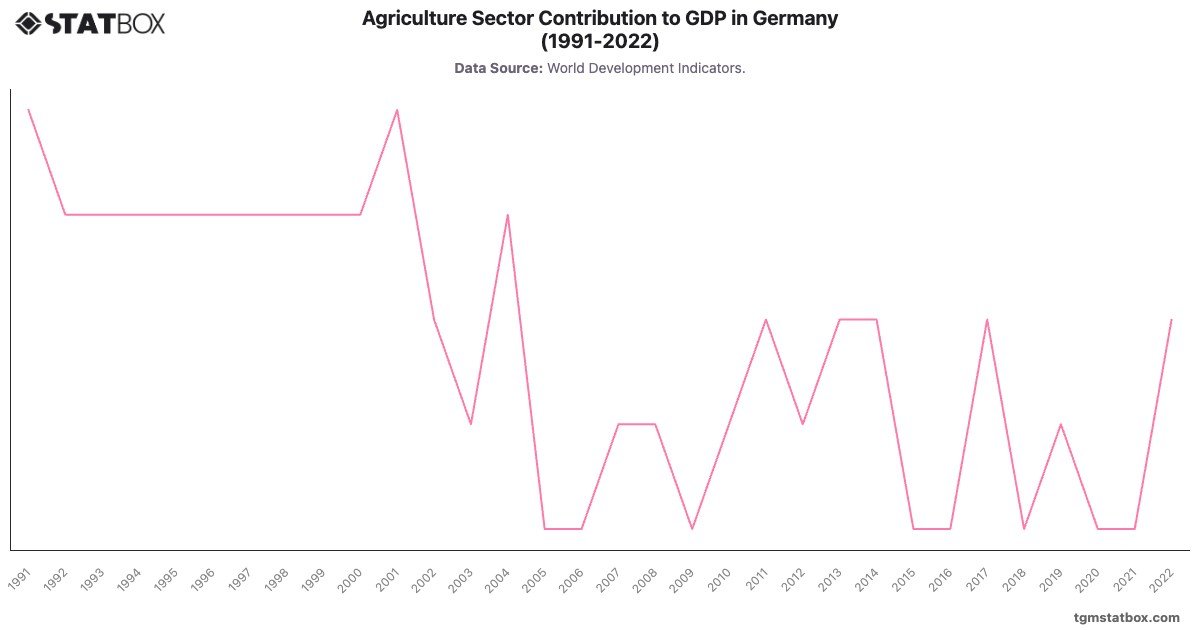
The contribution of agriculture to Germany’s GDP remained consistently low throughout the period from 1991 to 2022, starting at in 1991 and generally fluctuating around . This stability reflects Germany's highly industrialized and diversified economy, where sectors like manufacturing and services play dominant roles. The slight decrease to in 2005 and subsequent fluctuations between and indicate ongoing technological advancements and increased productivity in agriculture, which allowed for steady output even as its GDP share declined.
The occasional slight increases, such as to in 2022, may be attributed to policy shifts or global events, like the COVID-19 pandemic, which raised awareness of food security and may have boosted agricultural demand temporarily.
The occasional slight increases, such as to in 2022, may be attributed to policy shifts or global events, like the COVID-19 pandemic, which raised awareness of food security and may have boosted agricultural demand temporarily.
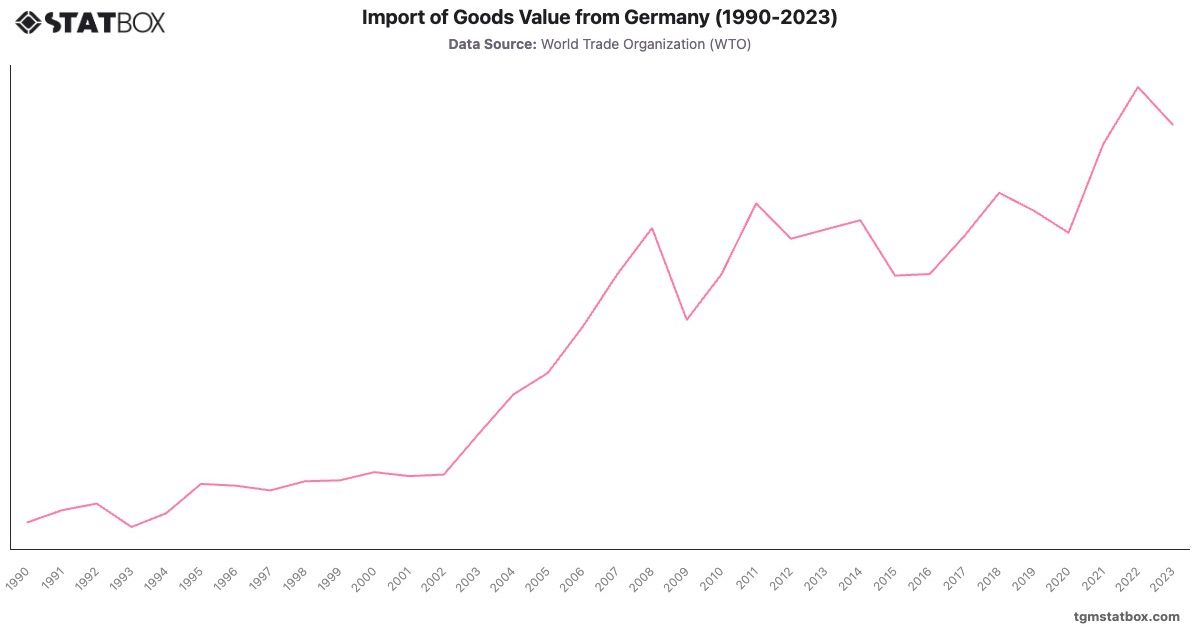
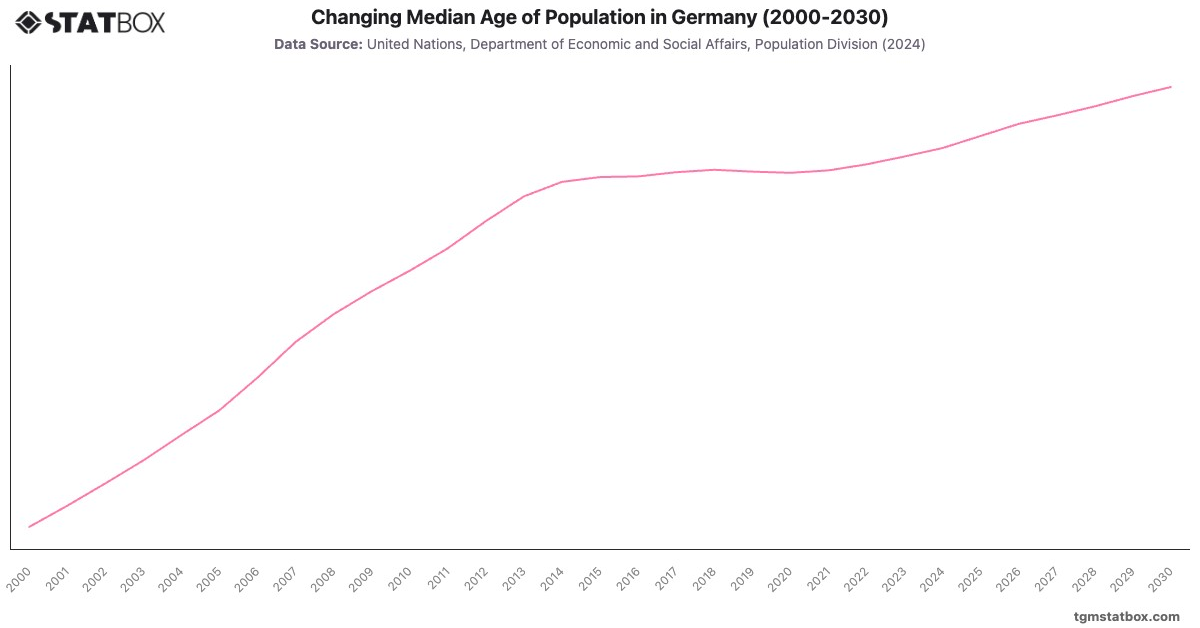
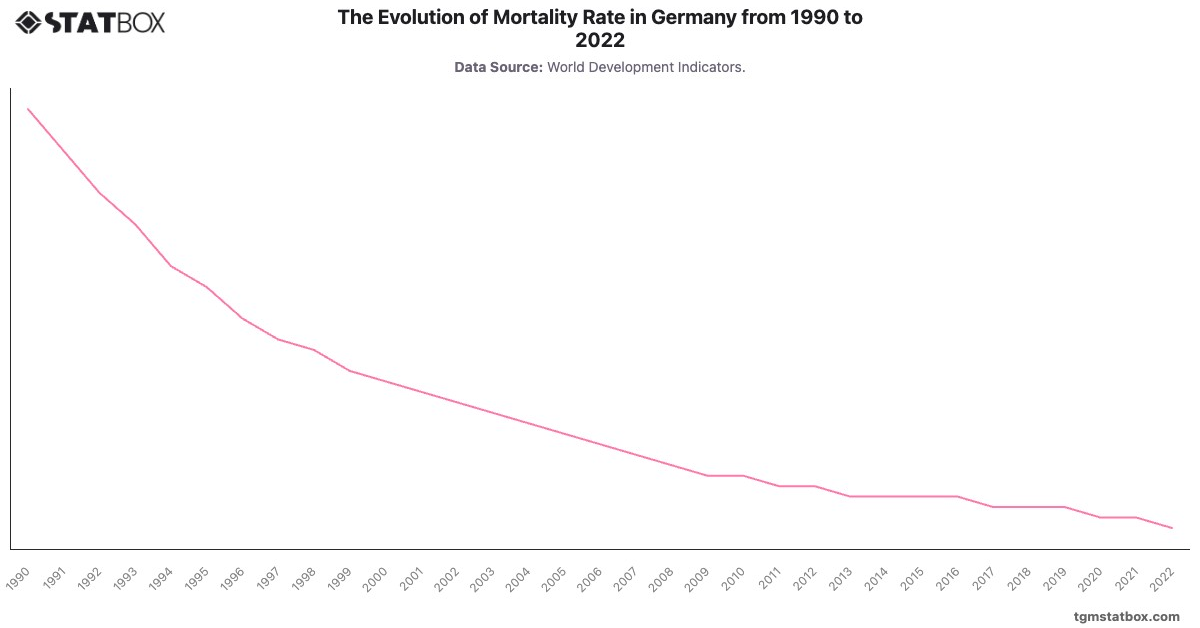
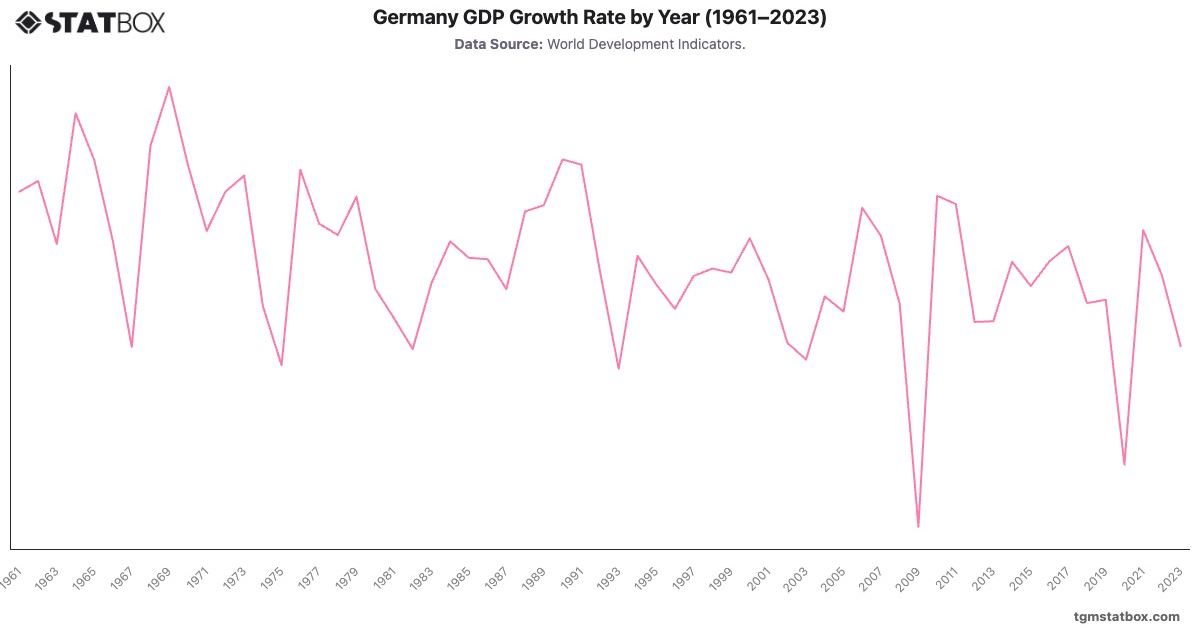
Explore related charts to gain a better understanding of Germany’s fertility rate, Germany’s services sector GDP share in Germany, Germany’s goods import value.