Population Growth Trends in Mexico (1990-2023)
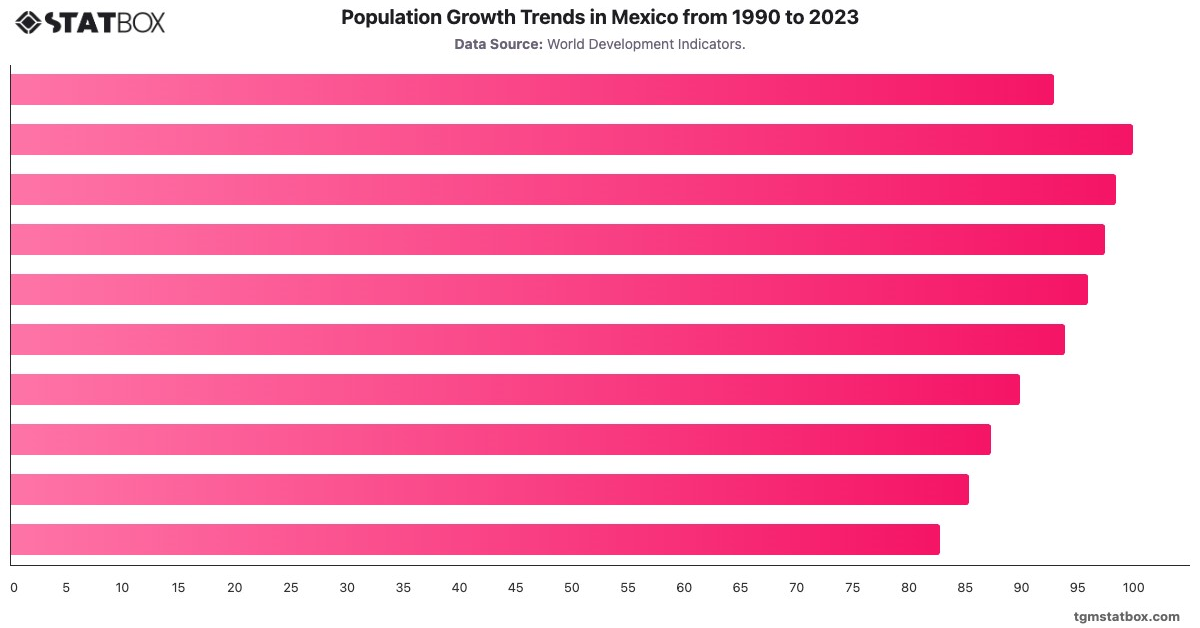
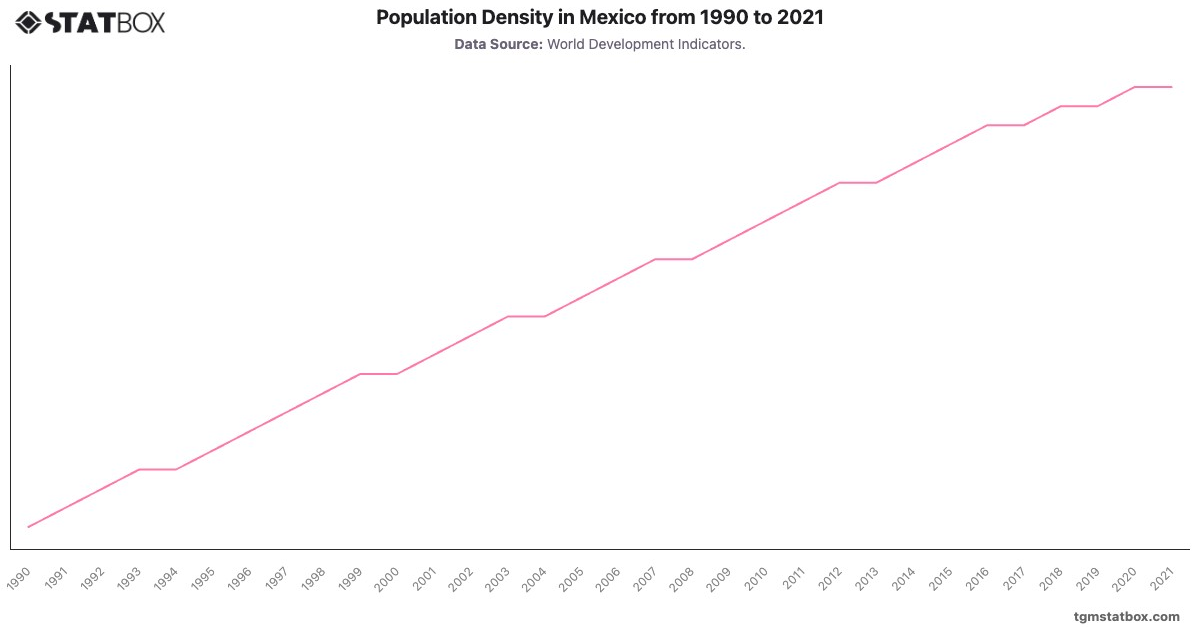
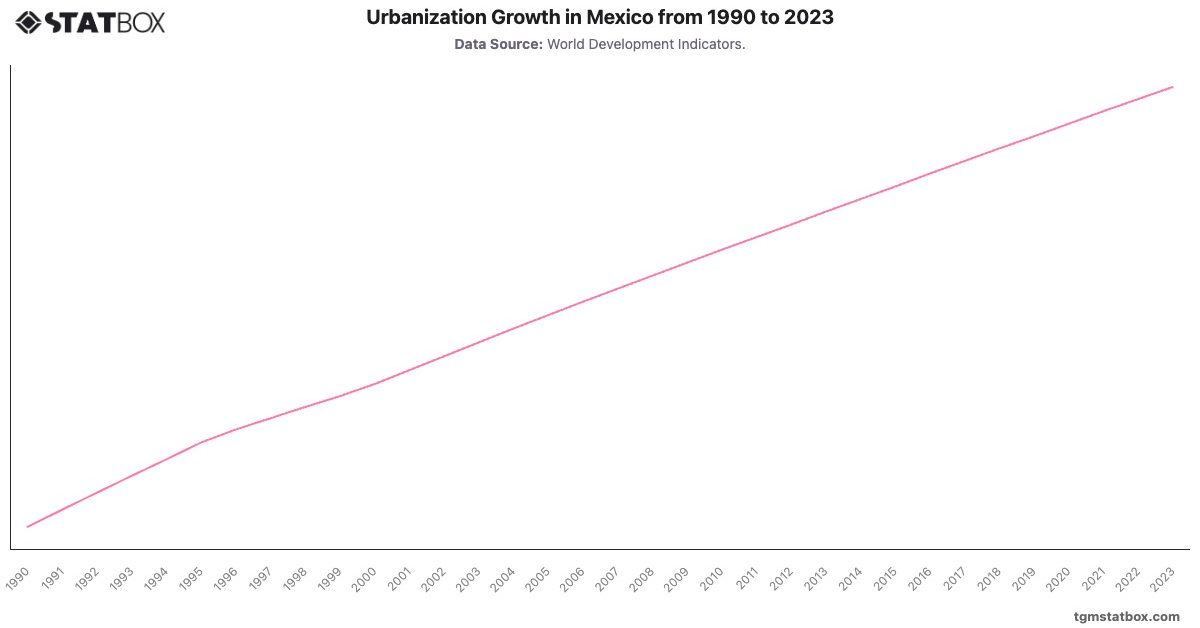
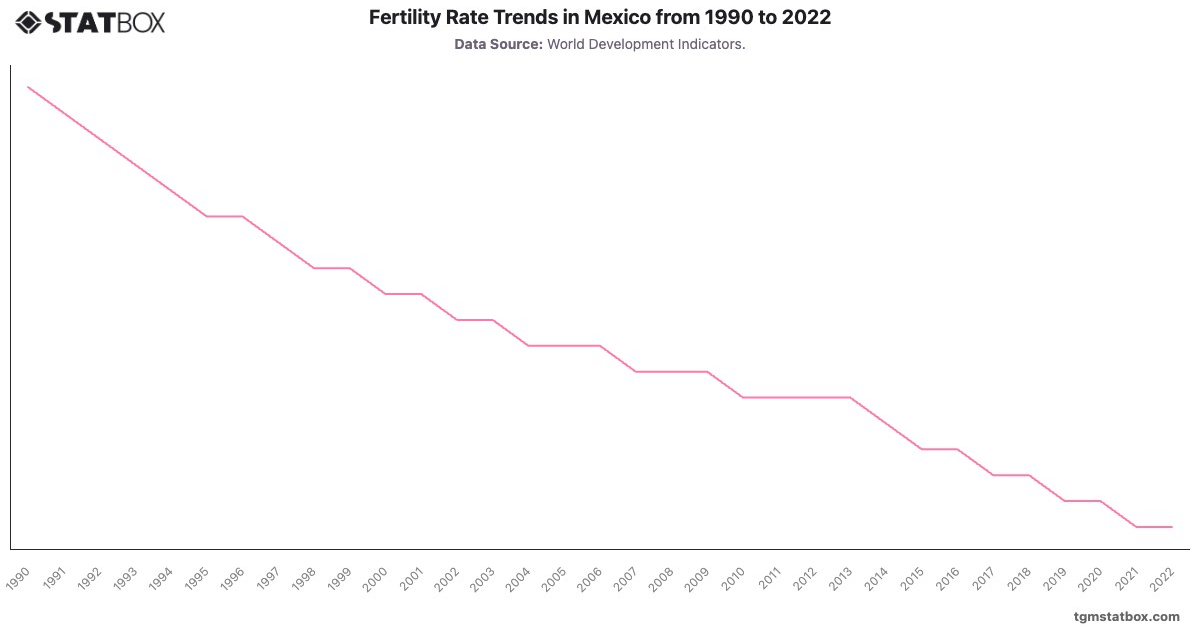
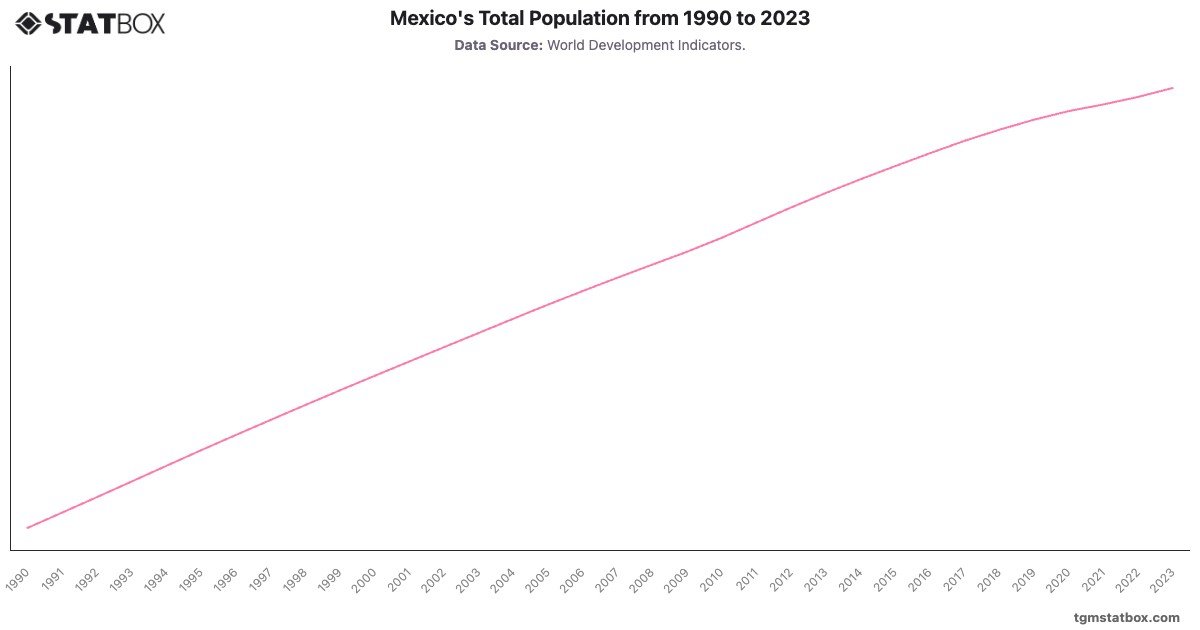
Mexico’s population growth was substantial from 81 million in 1990 to over 128 million by 2023, driven by high birth rates and a relatively young population. Economic development, healthcare improvements, and urbanization have supported steady growth rates. The 1990s and early 2000s saw consistent increases, with the population reaching nearly 100 million by 2000. In recent years, growth has slowed slightly as birth rates begin to moderate due to urbanization and improved access to family planning. Nevertheless, Mexico’s demographic trends show a sustained expansion, contributing to a young and dynamic workforce, although future growth is expected to slow as the population ages.
Mexico’s population growth was substantial from 81 million in 1990 to over 128 million by 2023, driven by high birth rates and a relatively young population. Economic development, healthcare improvements, and urbanization have supported steady growth rates. The 1990s and early 2000s saw consistent increases, with the population reaching nearly 100 million by 2000. In recent years, growth has slowed slightly as birth rates begin to moderate due to urbanization and improved access to family planning. Nevertheless, Mexico’s demographic trends show a sustained expansion, contributing to a young and dynamic workforce, although future growth is expected to slow as the population ages.
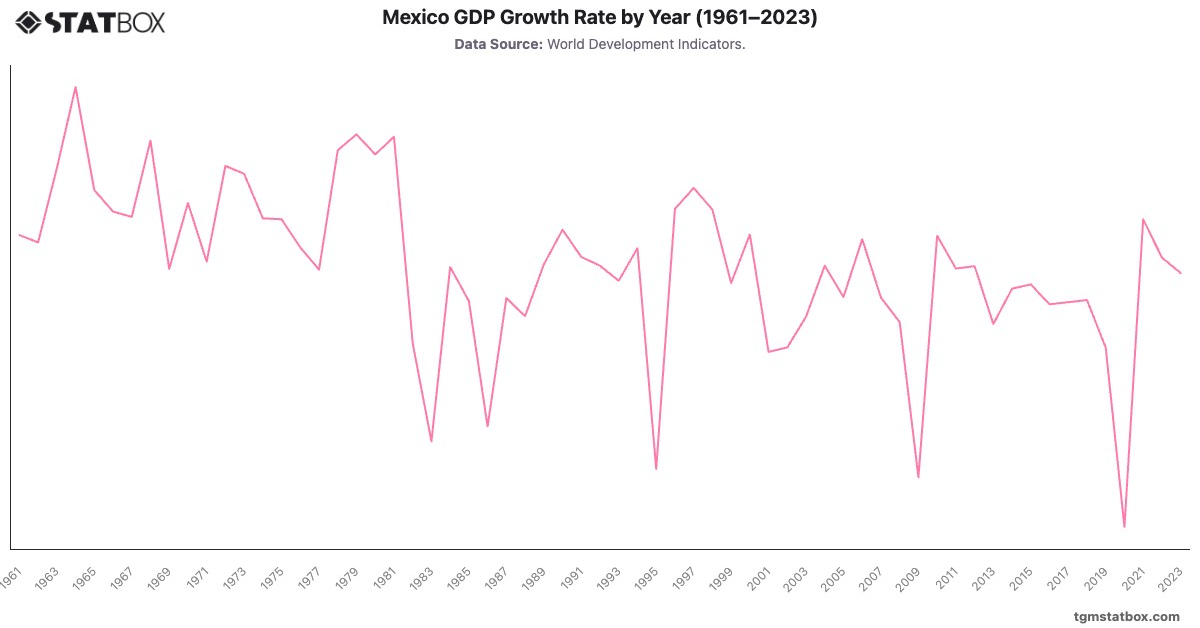
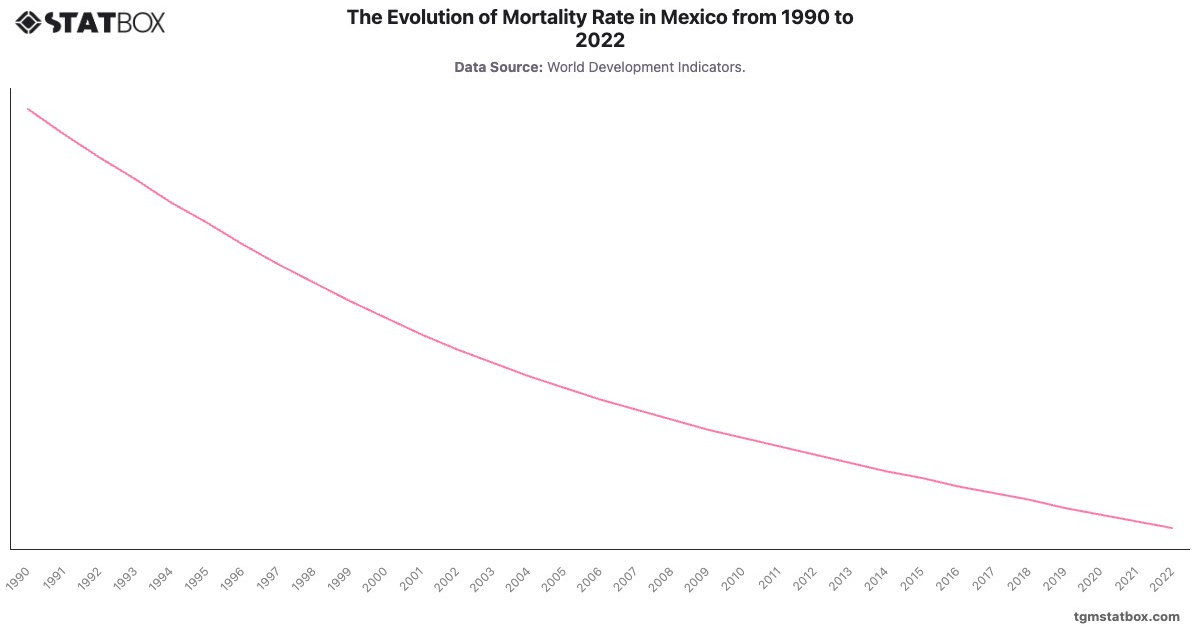
Find out more through related statistics on Mexico’s working-age population percentage, Mexico’s annual GDP growth rate, Mexico’s shifting mortality rate.