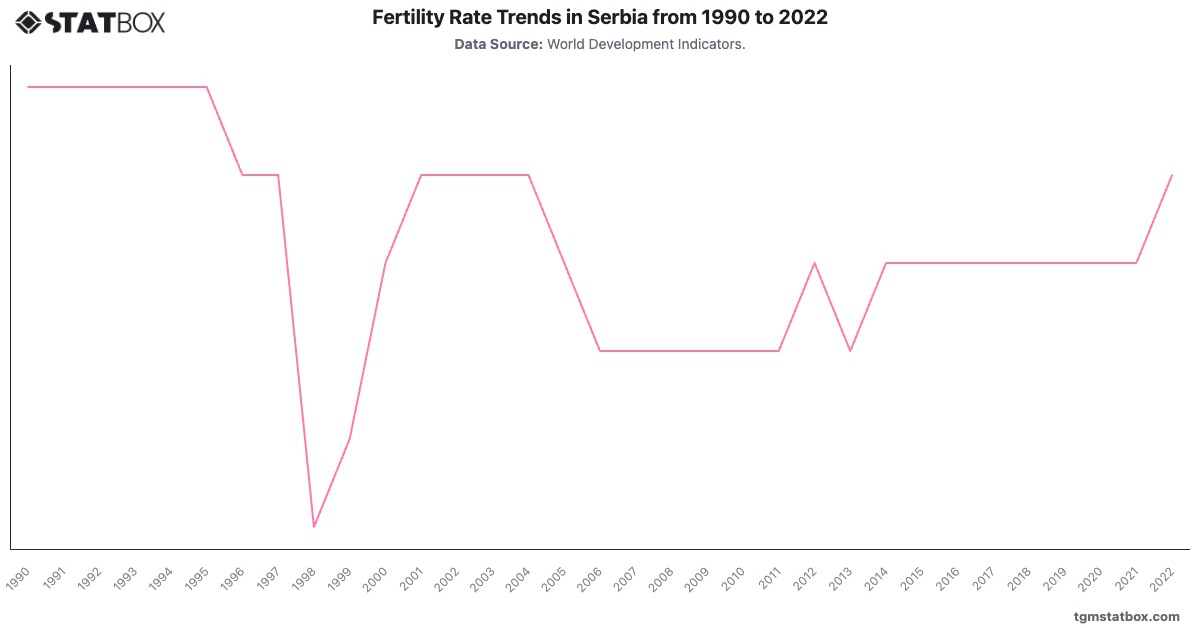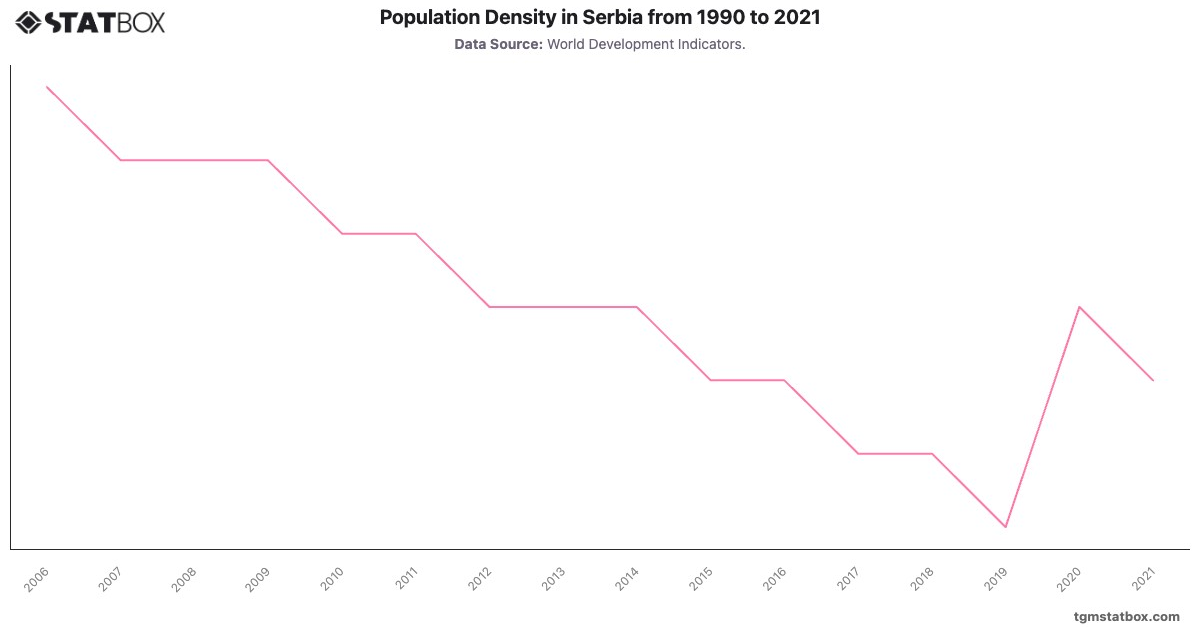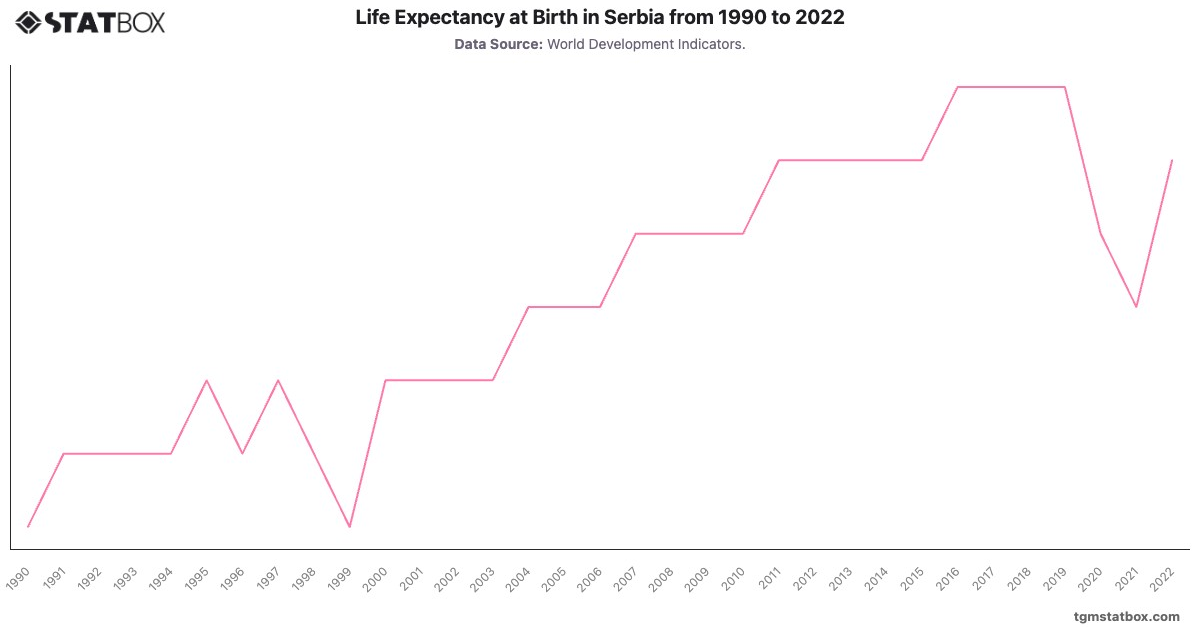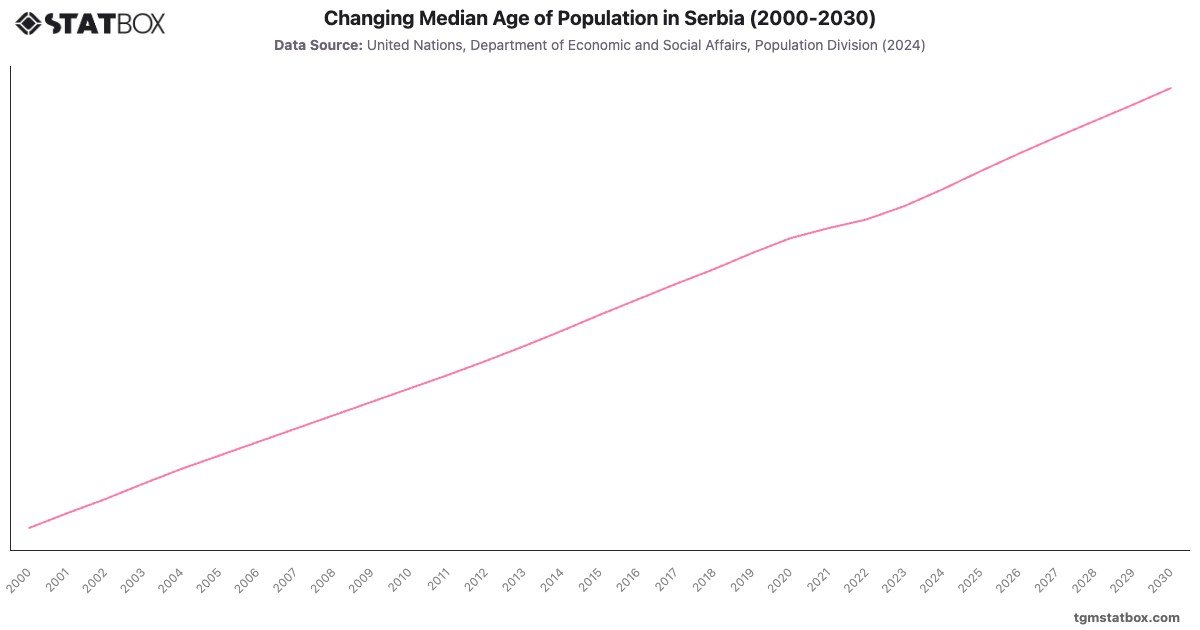
In Serbia, the median age has consistently risen from 39.1 years in 2000 to a projected 45.6 years by 2030. This trend mirrors the broader demographic challenges facing Serbia, including declining birth rates, increased emigration, and a steady rise in life expectancy. Early in the 2000s, economic factors and opportunities in urban areas spurred internal migration toward cities. However, this urbanization has not offset the overall aging trend, with many younger Serbians leaving the country for work opportunities abroad, contributing to the population’s aging.
By 2020, Serbia's median age had risen to 43.4, and it is projected to reach 45.6 by 2030 as the aging population continues to grow. The urban areas of Serbia are increasingly composed of older residents, a trend likely to intensify as younger demographics decline due to lower birth rates and emigration. These dynamics underscore the need for policies addressing the demands of an aging urban population in the coming decades.
By 2020, Serbia's median age had risen to 43.4, and it is projected to reach 45.6 by 2030 as the aging population continues to grow. The urban areas of Serbia are increasingly composed of older residents, a trend likely to intensify as younger demographics decline due to lower birth rates and emigration. These dynamics underscore the need for policies addressing the demands of an aging urban population in the coming decades.
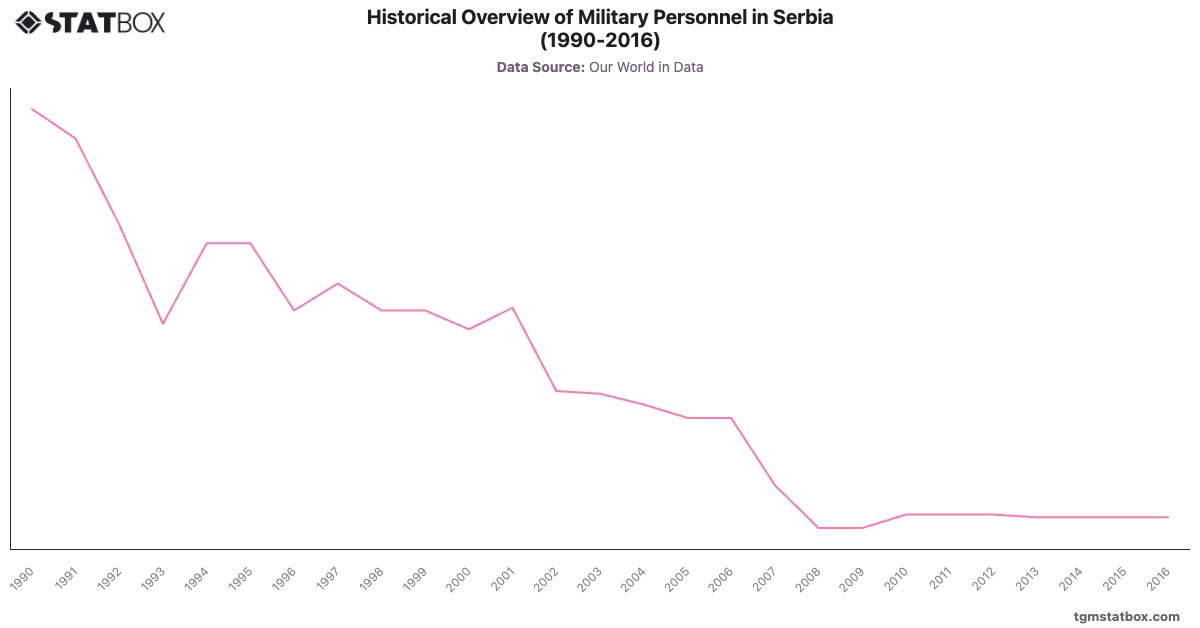
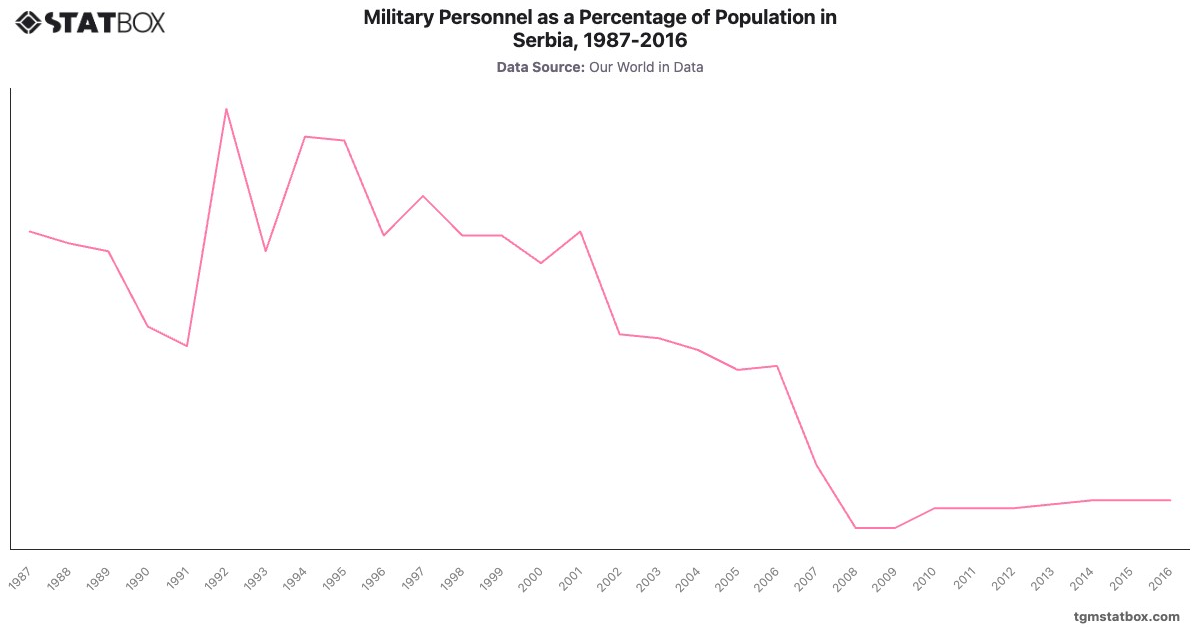
Gain a broader perspective by reviewing percentage of military personnel in Serbia, Serbia’s working-age demographic trends, Changes in Serbia’s death rate.