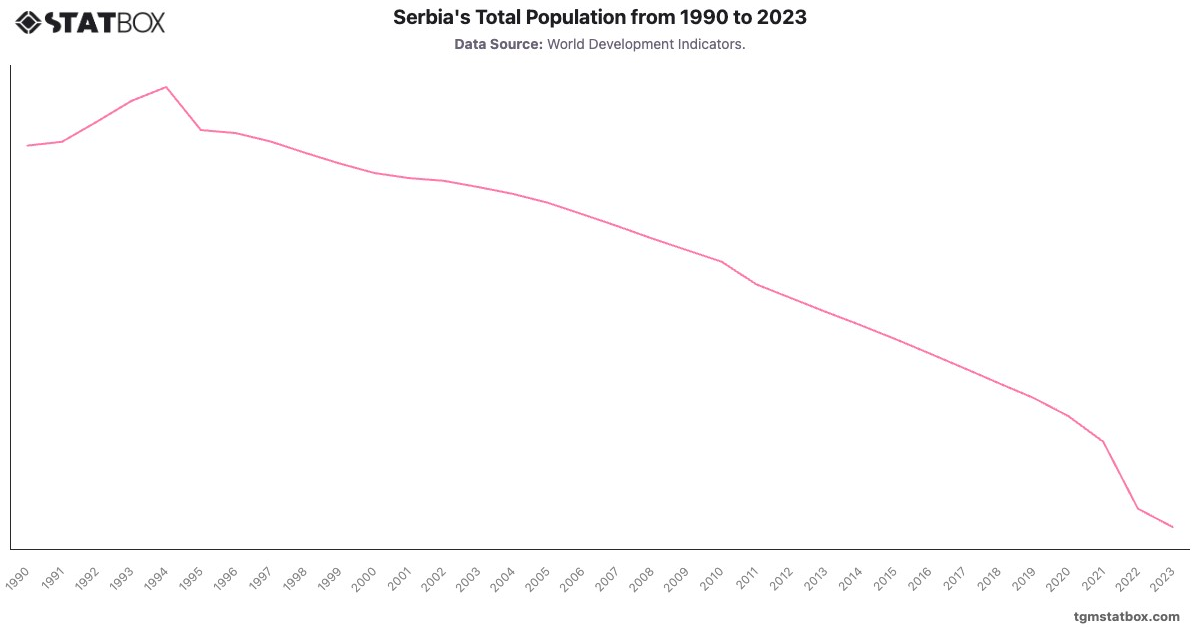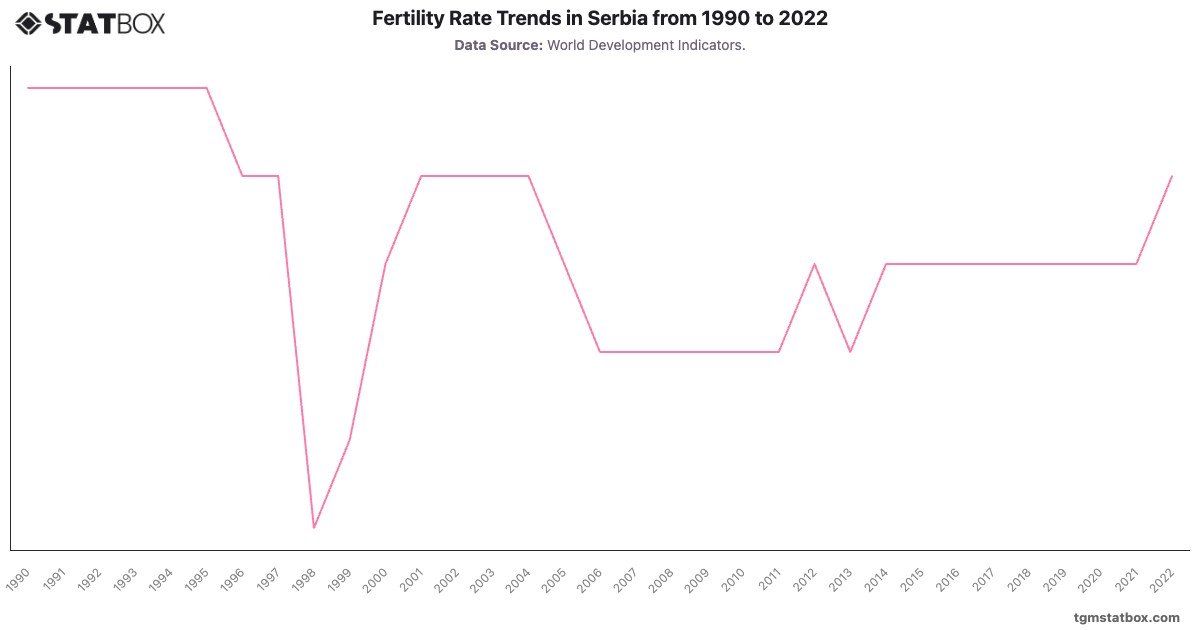
Serbia's fertility rate declined from 1.7 in 1990 to 1.3 by 1998, reflecting economic hardships and political instability following the Yugoslav Wars. The rate fluctuated slightly over the next two decades, with modest recoveries during periods of relative stability.
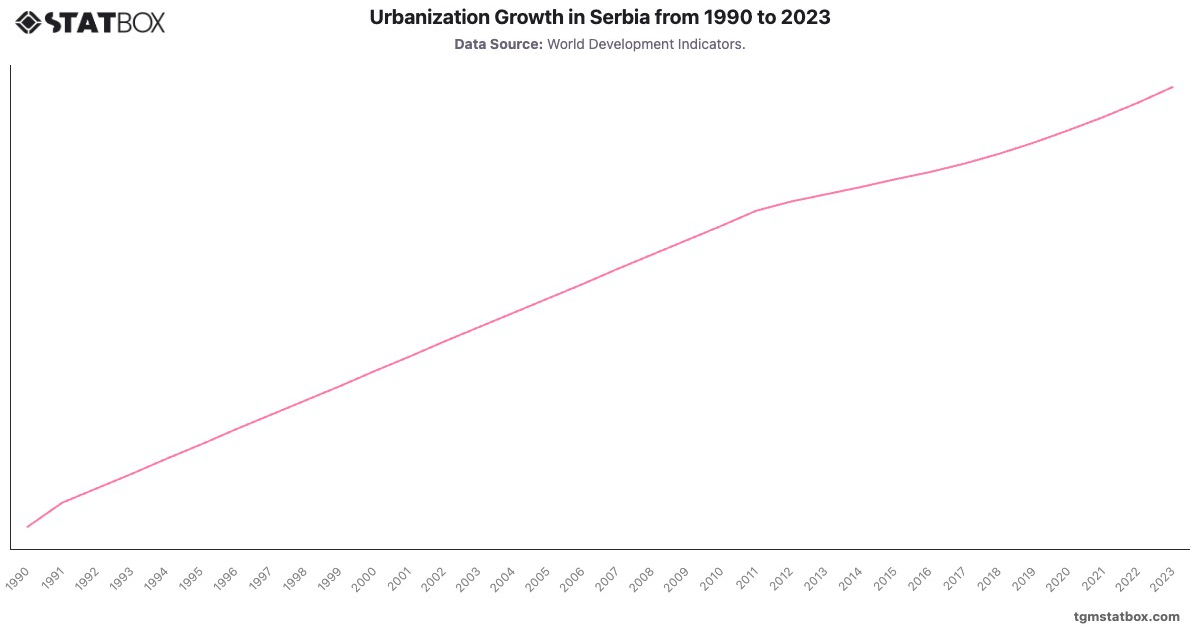
By 2022, the rate had risen marginally to 1.6, supported by targeted policies promoting family growth. However, long-term demographic sustainability remains an ongoing challenge amid continued migration and urbanization trends.
By 2022, the rate had risen marginally to 1.6, supported by targeted policies promoting family growth. However, long-term demographic sustainability remains an ongoing challenge amid continued migration and urbanization trends.
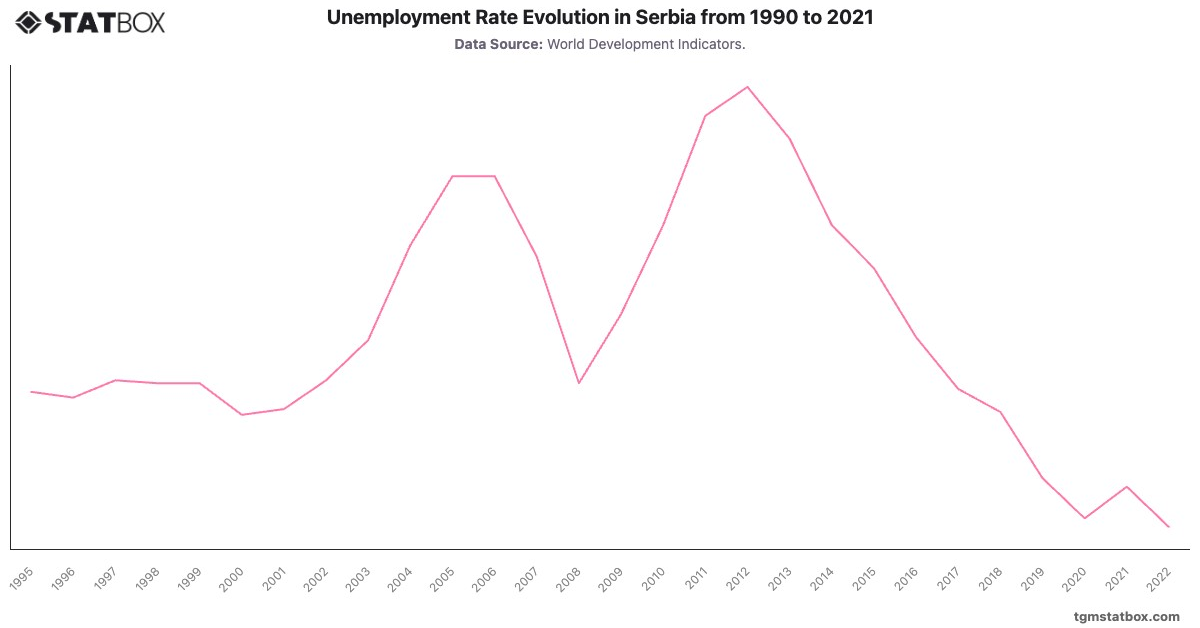
For a deeper dive into the topic, explore agriculture’s GDP share in Serbia, Serbia’s annual GDP data, Serbia’s unemployment rate.