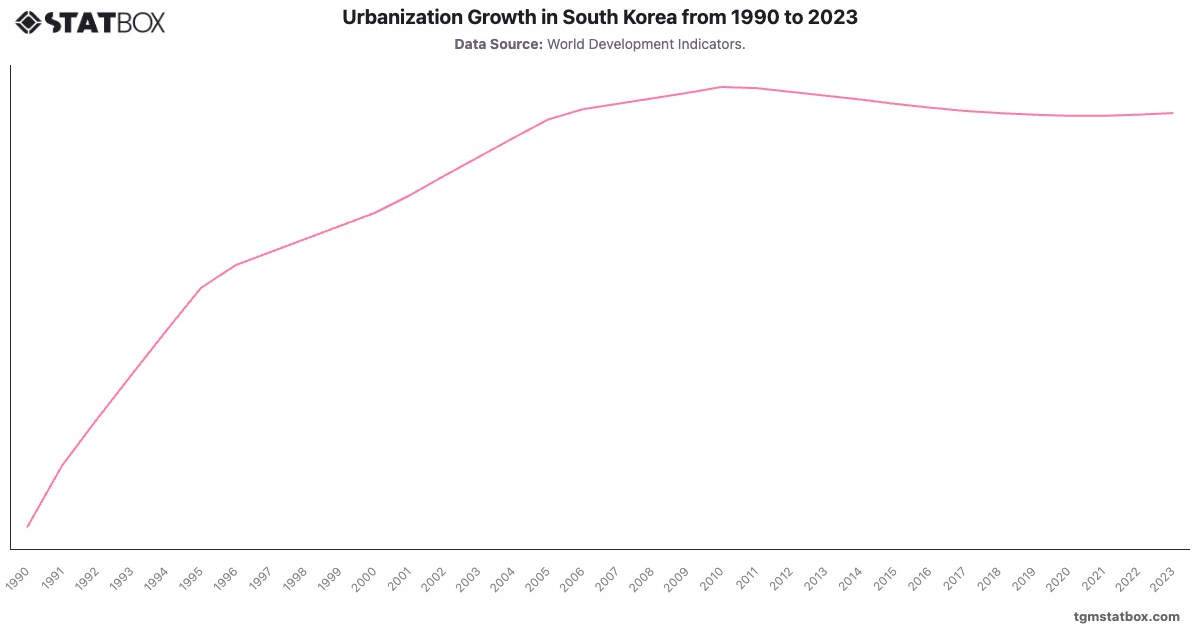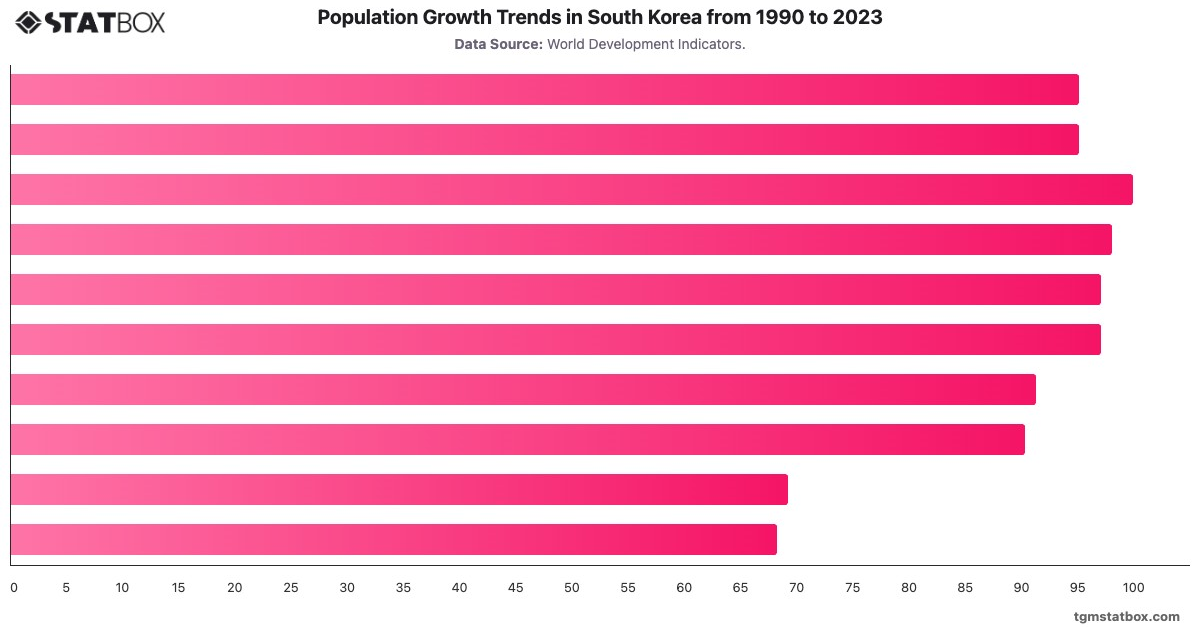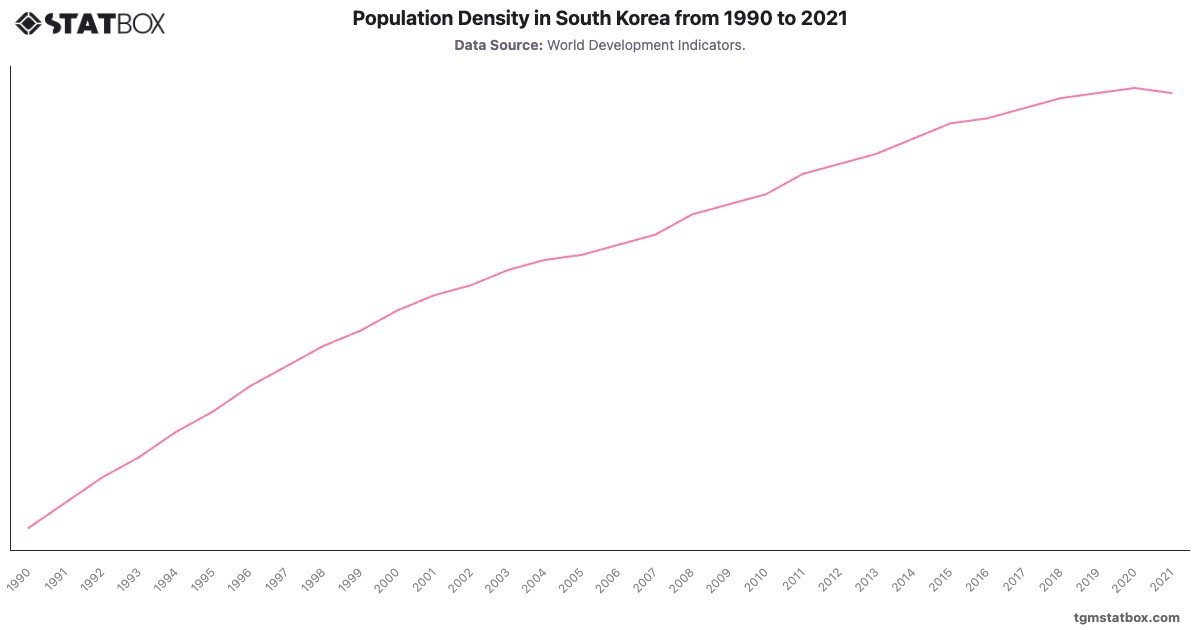
South Korea’s population density grew significantly from 444 people per square kilometer in 1990 to 531 by 2020, before stabilizing around 530 in 2021. This upward trend reflects South Korea's rapid urbanization and economic growth throughout the 1990s and 2000s, with urban centers like Seoul, Busan, and Incheon experiencing the most dramatic population concentrations. This urban migration was fueled by industrialization and the rise of Korea's high-tech sector, drawing people to cities for job opportunities and improved living standards.
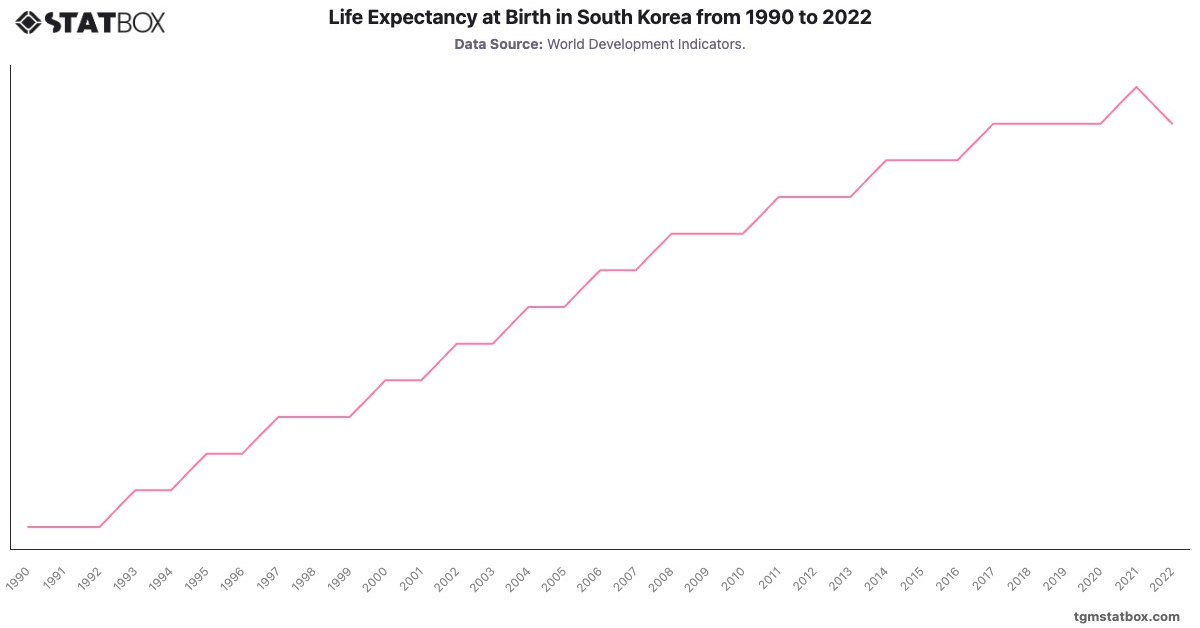
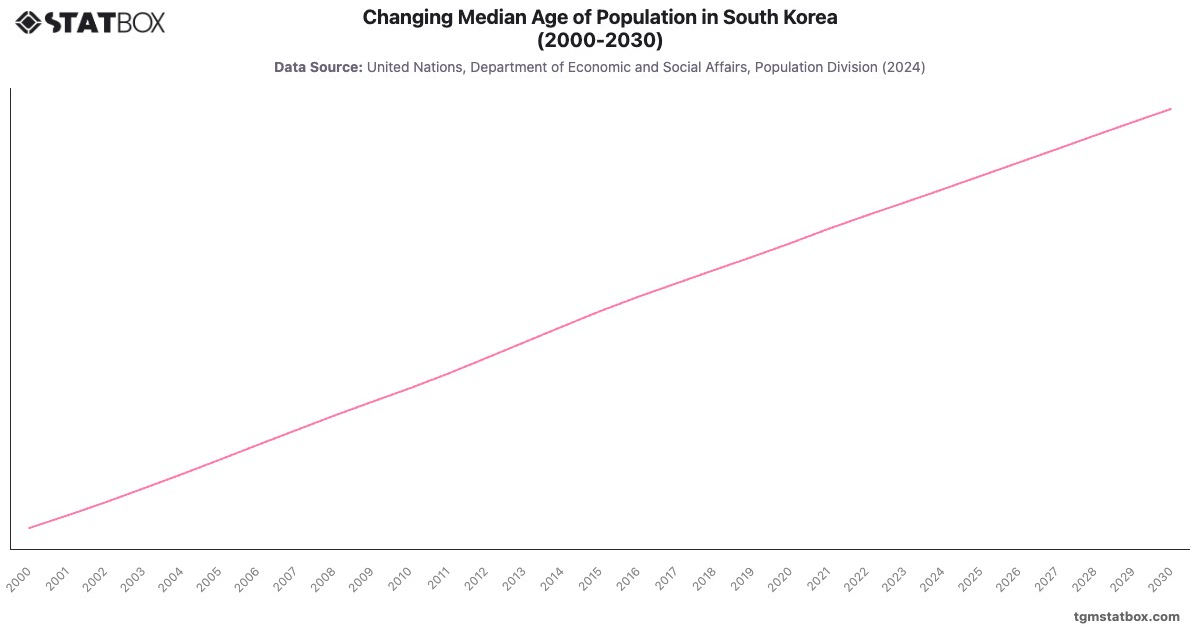
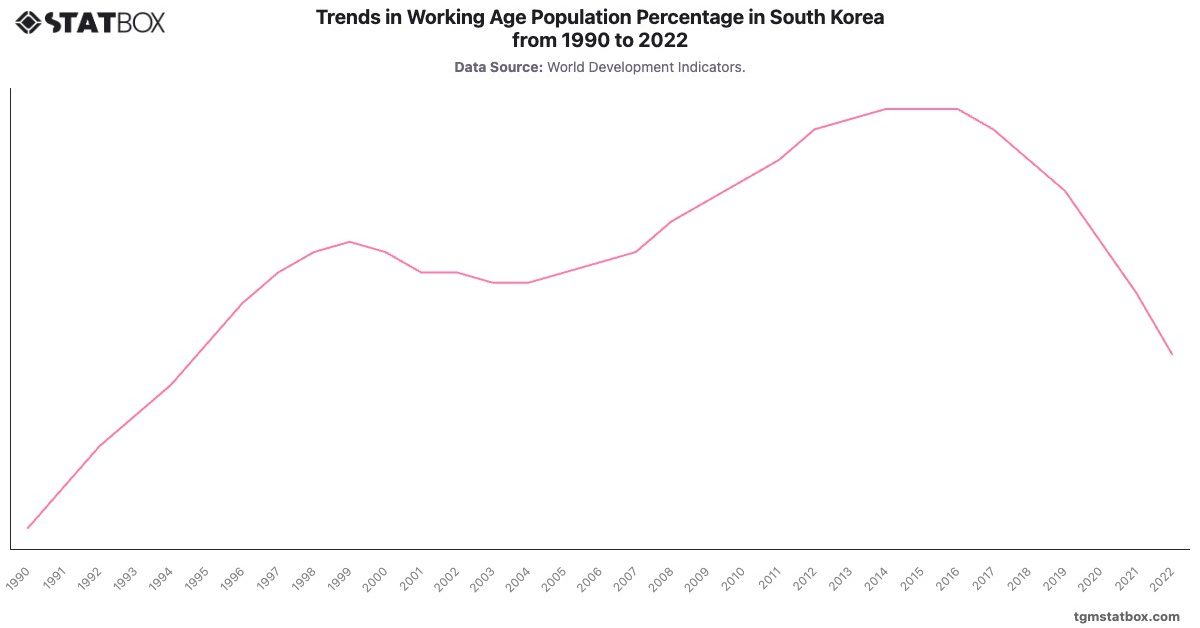
The slight stabilization observed in the last few years may signal the beginning of demographic shifts as South Korea faces similar issues to Japan, such as low birth rates and an aging population. While urban areas continue to grow, rural depopulation has balanced the overall density, showing how South Korea’s development is reshaping population distribution.
The slight stabilization observed in the last few years may signal the beginning of demographic shifts as South Korea faces similar issues to Japan, such as low birth rates and an aging population. While urban areas continue to grow, rural depopulation has balanced the overall density, showing how South Korea’s development is reshaping population distribution.
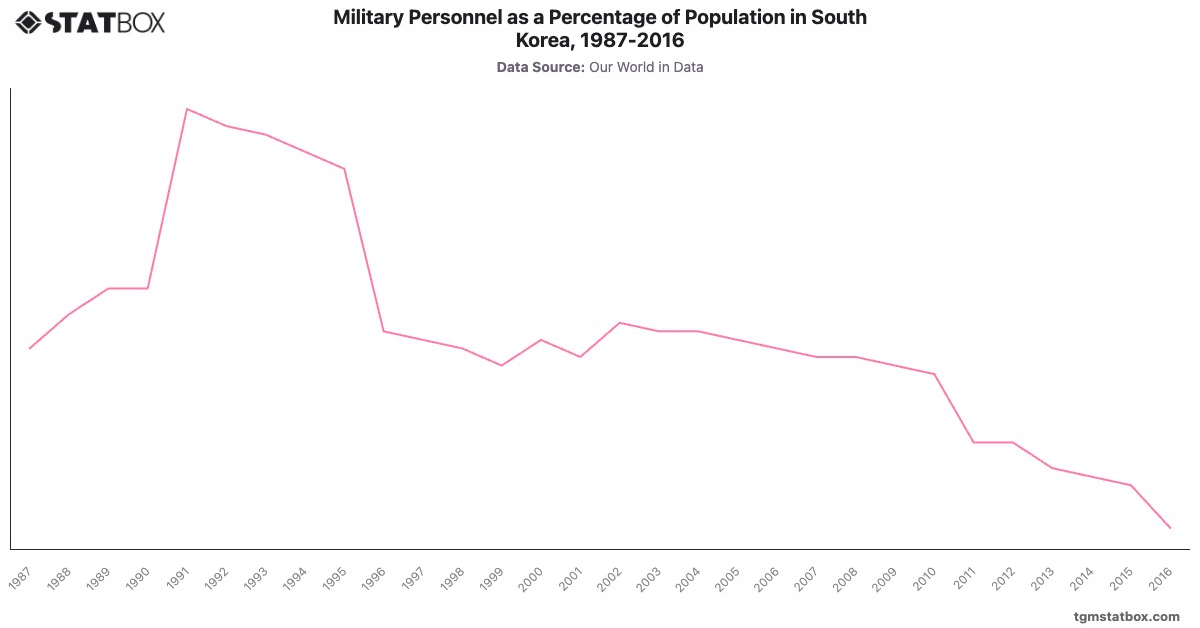
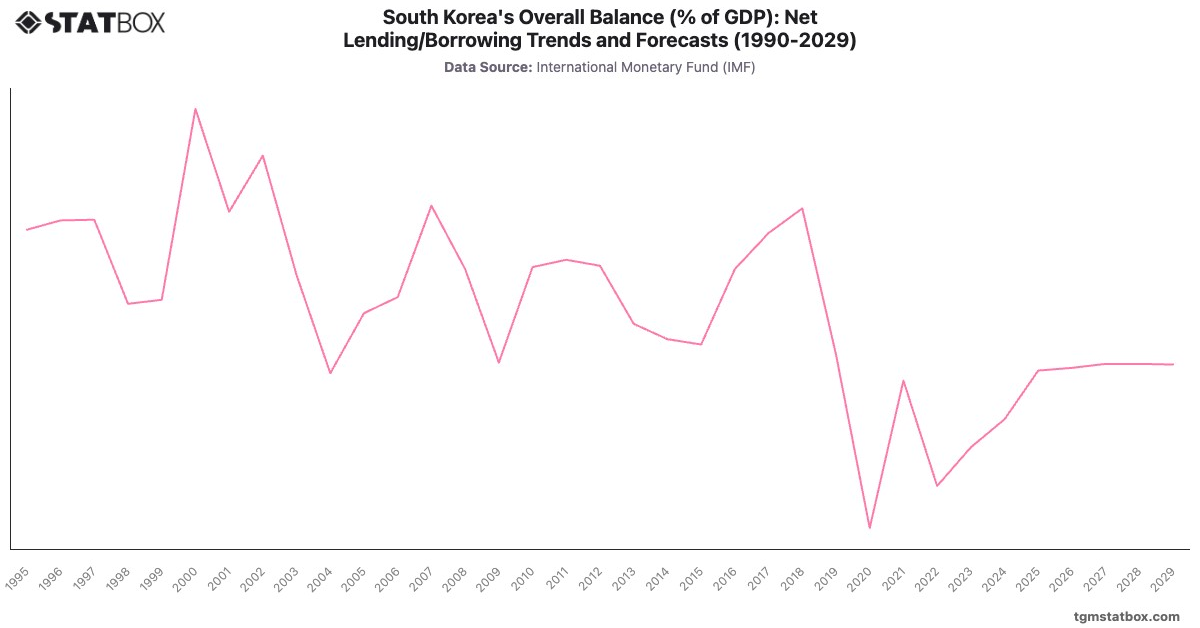
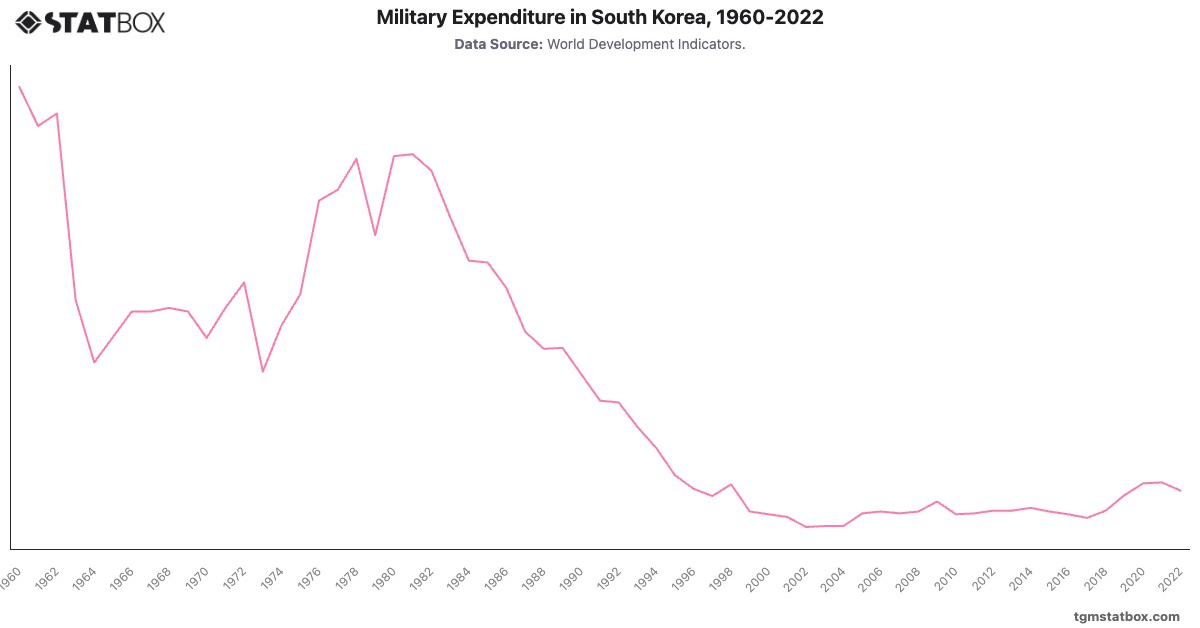
Explore related charts to gain a better understanding of South Korea’s urbanization rate, South Korea’s military-to-population ratio, South Korea’s net lending/borrowing as percentage of GDP.