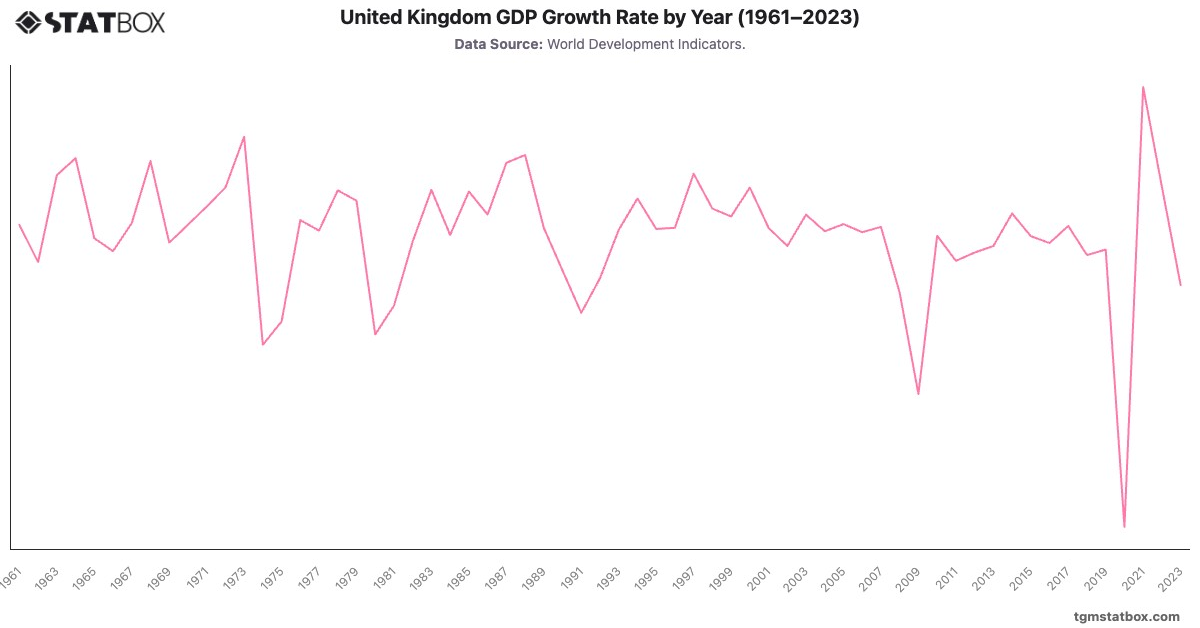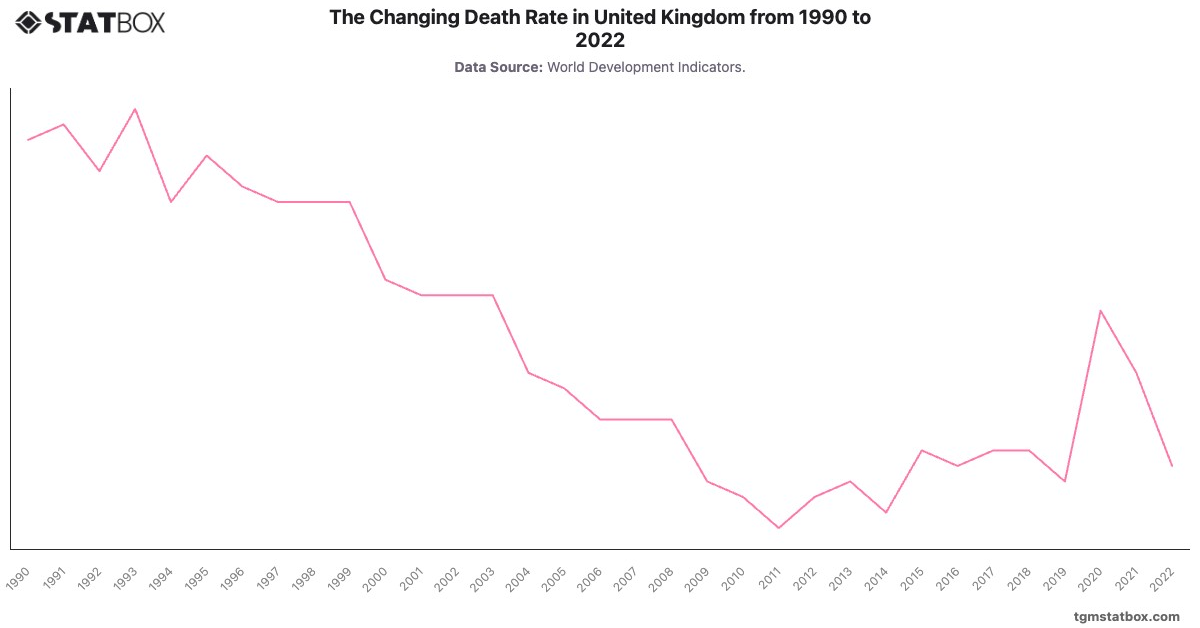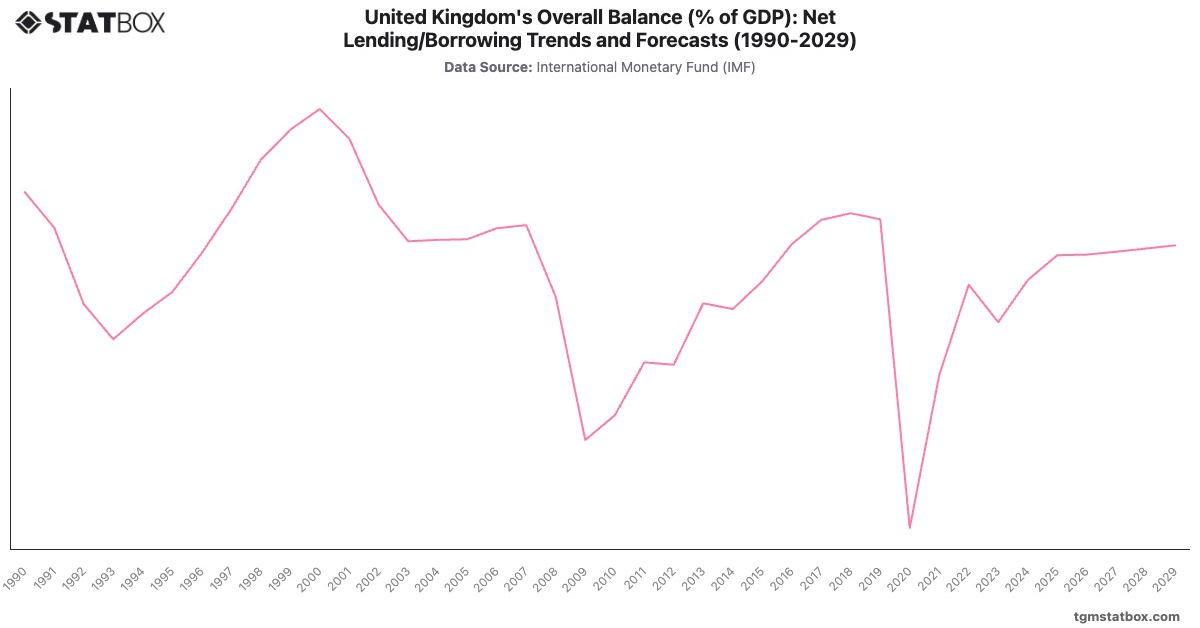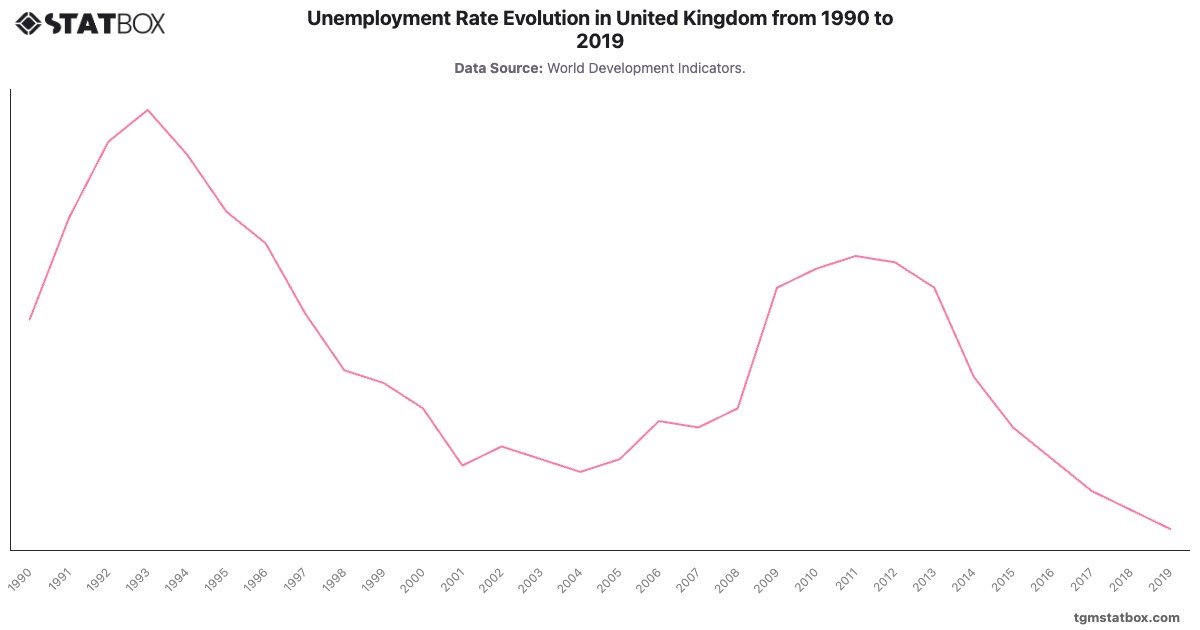
The UK’s unemployment rate rose sharply in the early 1990s due to a recession, reaching a peak of in 1993. However, economic recovery saw a gradual decline, and by the 2000s, unemployment dropped to in 2004, reflecting stable economic growth. The 2008 global financial crisis led to another peak at in 2011, after which the rate decreased as the economy rebounded.
The unemployment rate continued to decline in the following years, reaching a low of by 2019. However, the COVID-19 pandemic caused a temporary increase in 2020. The UK labor market has shown resilience, with policy interventions and job support schemes playing a role in keeping the rate low.
The unemployment rate continued to decline in the following years, reaching a low of by 2019. However, the COVID-19 pandemic caused a temporary increase in 2020. The UK labor market has shown resilience, with policy interventions and job support schemes playing a role in keeping the rate low.
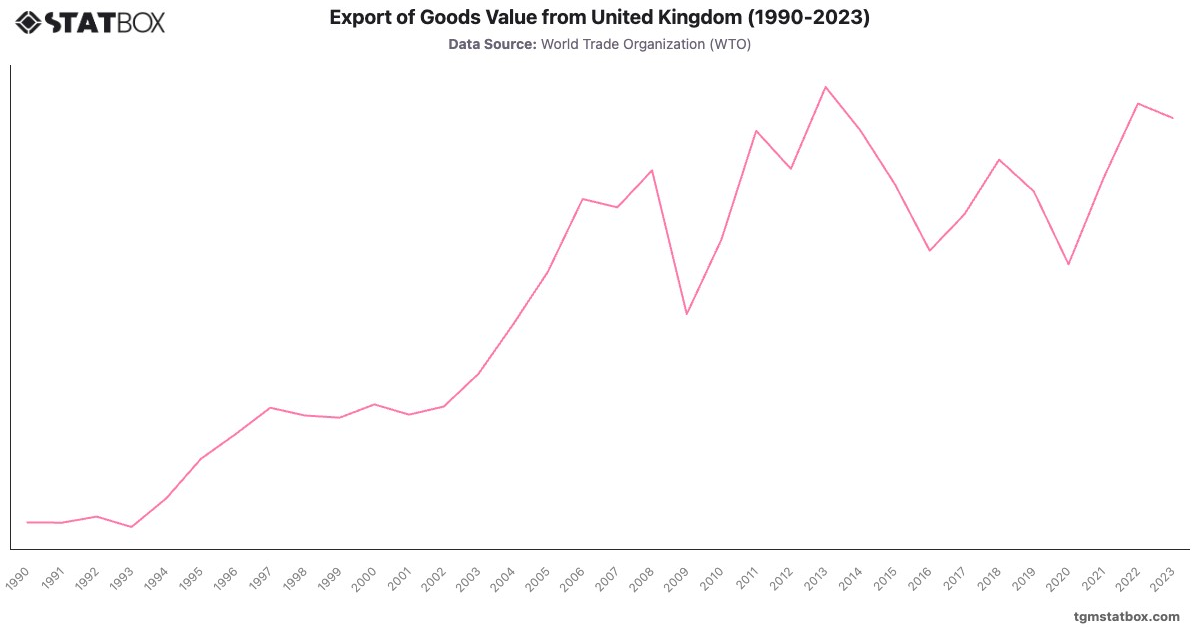
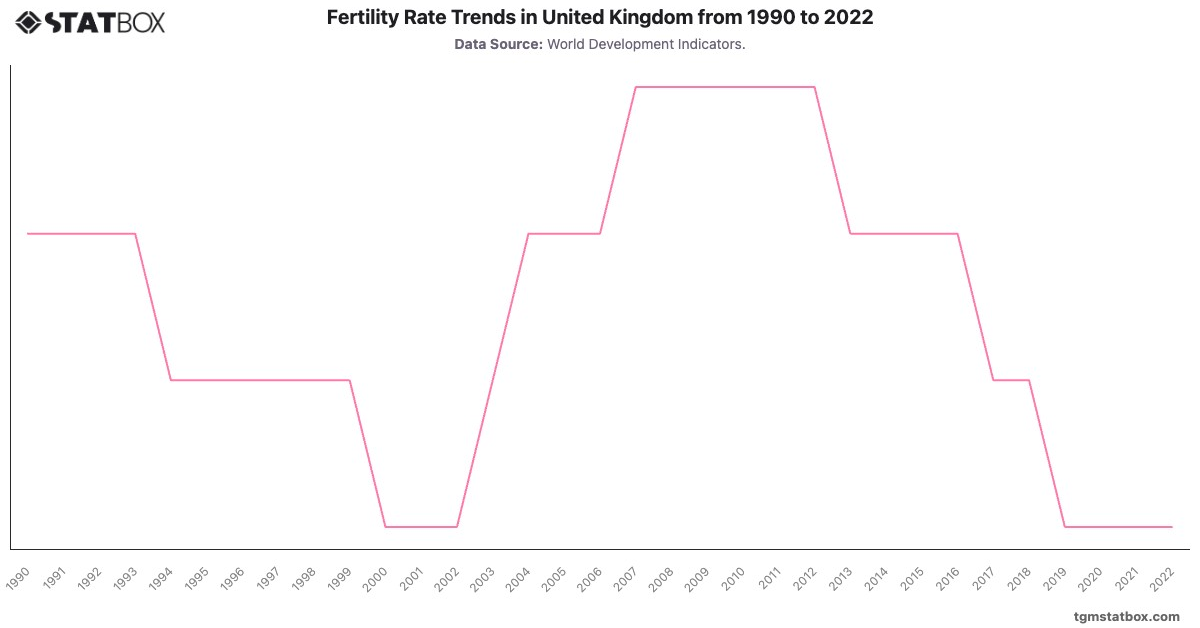
For a broader context, visit other statistics on United Kingdom’s fertility rate trends, UK’s net lending/borrowing as a share of GDP, United Kingdom’s export value.