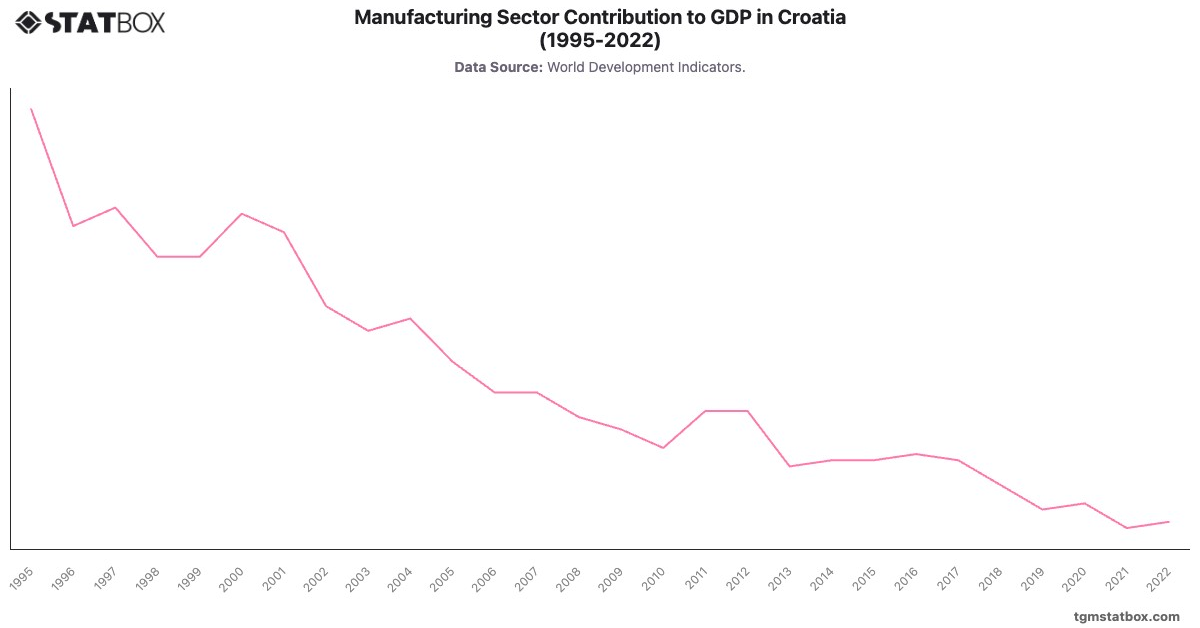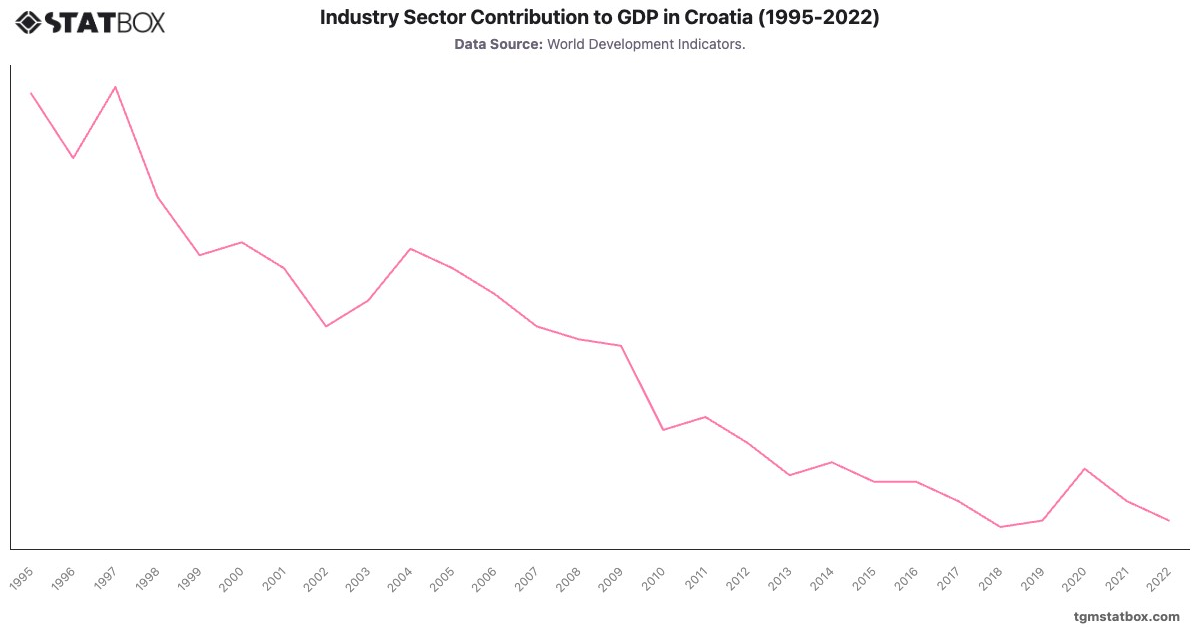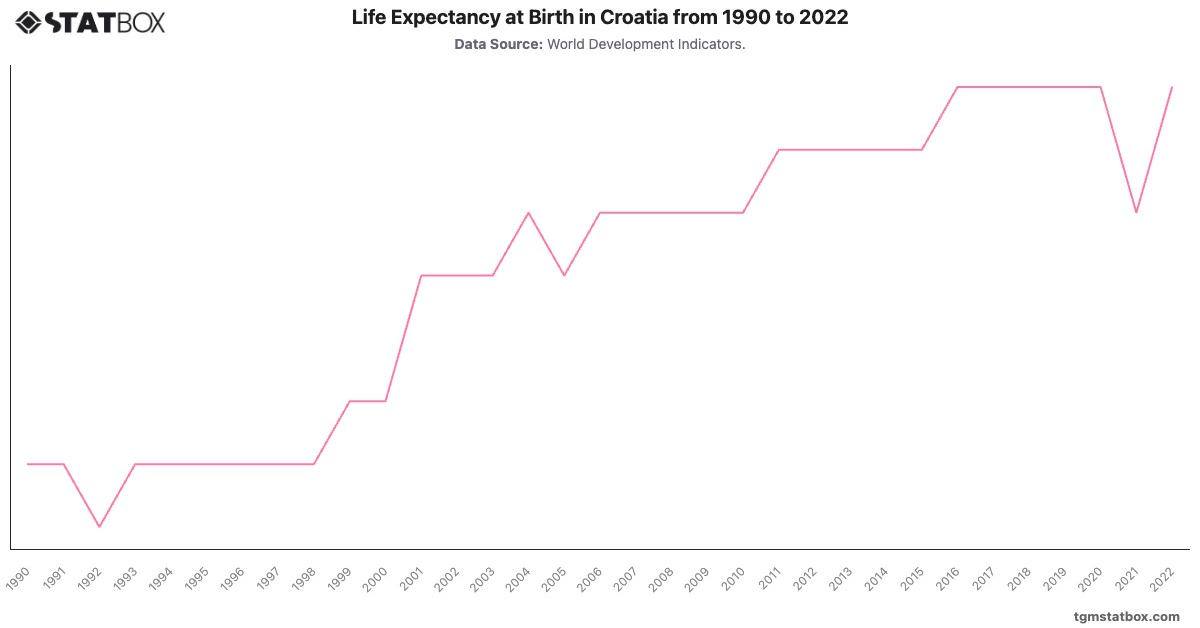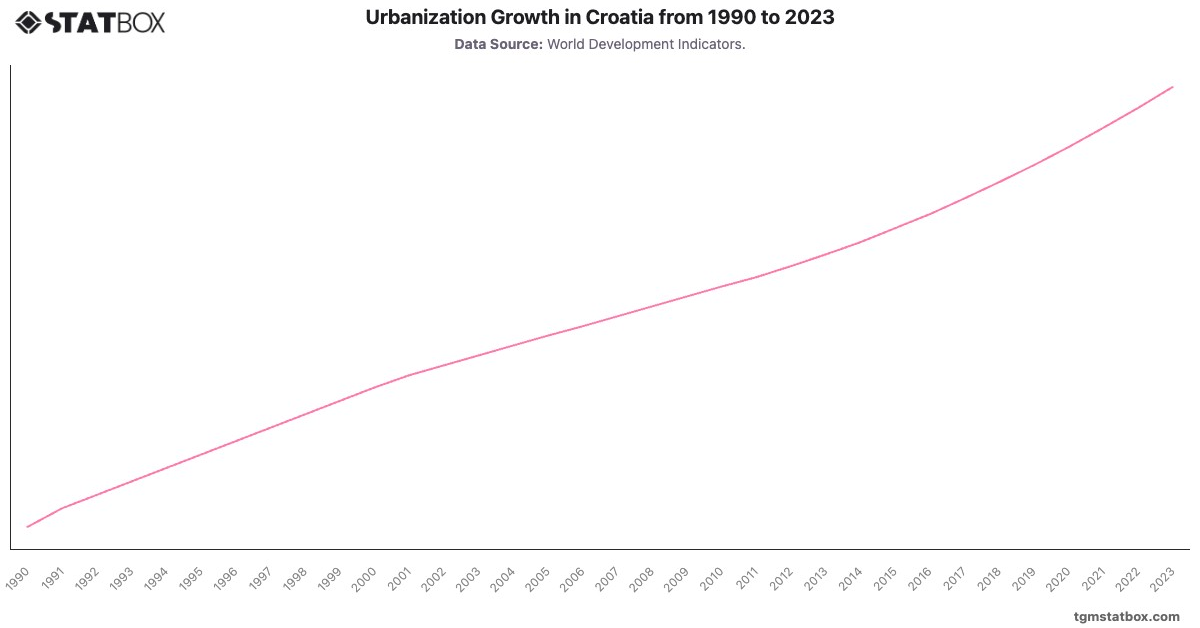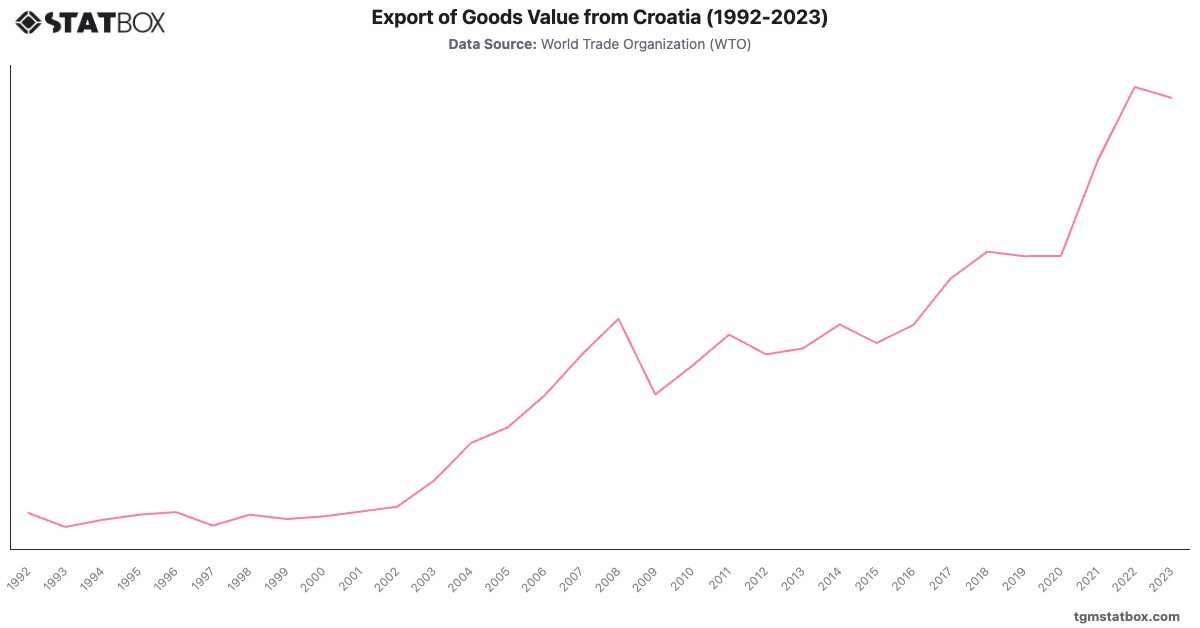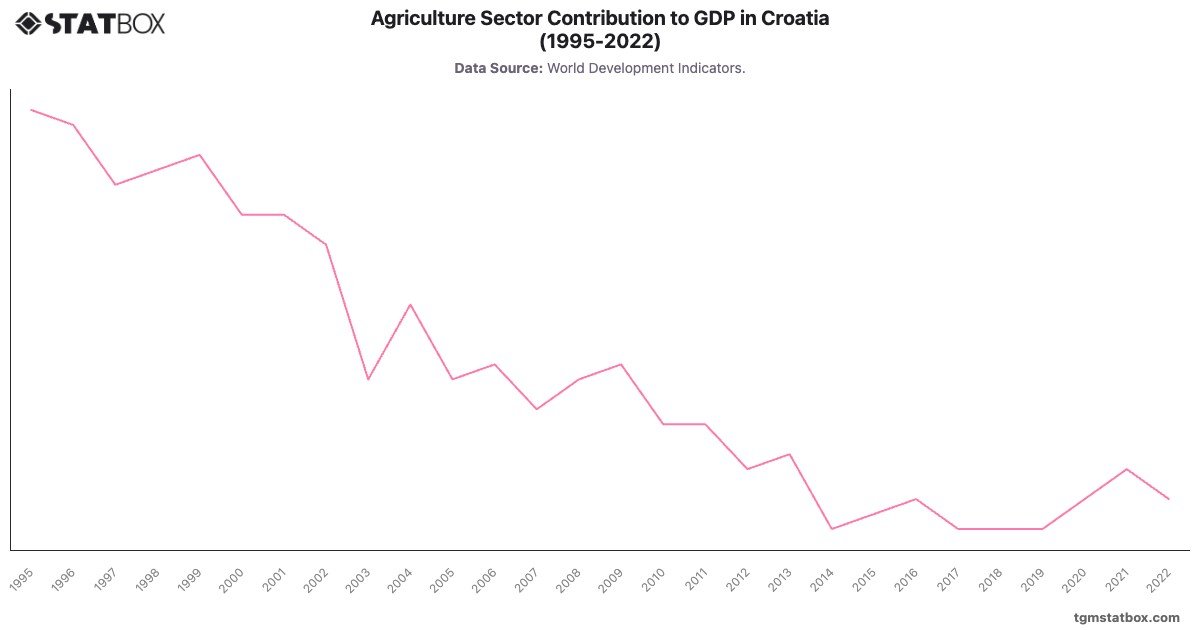
Croatia's agriculture sector’s contribution to GDP gradually decreased from in 1995 to around by 2022. This reduction reflects the country’s transition toward a service-oriented economy, especially after joining the European Union in 2013, which fostered economic diversification and industrial growth. The sector’s share dipped noticeably in the early 2000s, stabilizing around 3- over the following years, indicating a steady yet smaller role for agriculture amid Croatia's shifting economic landscape.
The minor fluctuations in recent years, such as the slight increase to in 2021, may be linked to global supply chain disruptions during the COVID-19 pandemic, which spurred demand for local agricultural products. While agriculture's share in GDP has diminished, it remains important for rural employment and national food security.
The minor fluctuations in recent years, such as the slight increase to in 2021, may be linked to global supply chain disruptions during the COVID-19 pandemic, which spurred demand for local agricultural products. While agriculture's share in GDP has diminished, it remains important for rural employment and national food security.
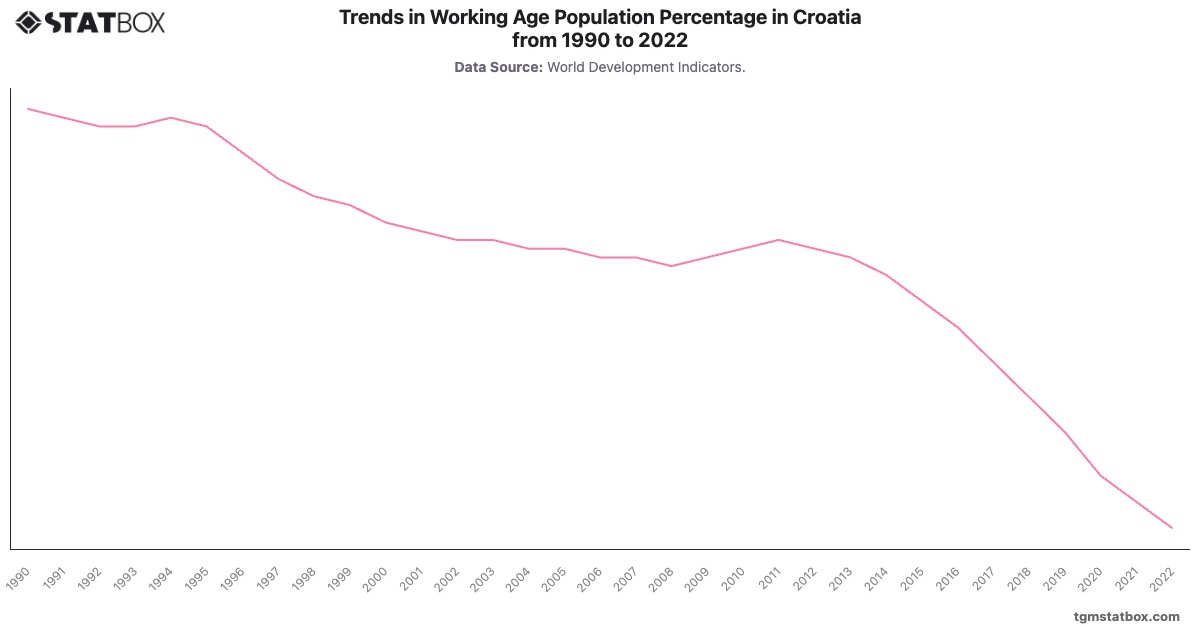
Discover additional trends and data on Croatia’s industry sector share in GDP, Croatia’s working-age population percentage trend, Croatia’s manufacturing sector share in GDP.