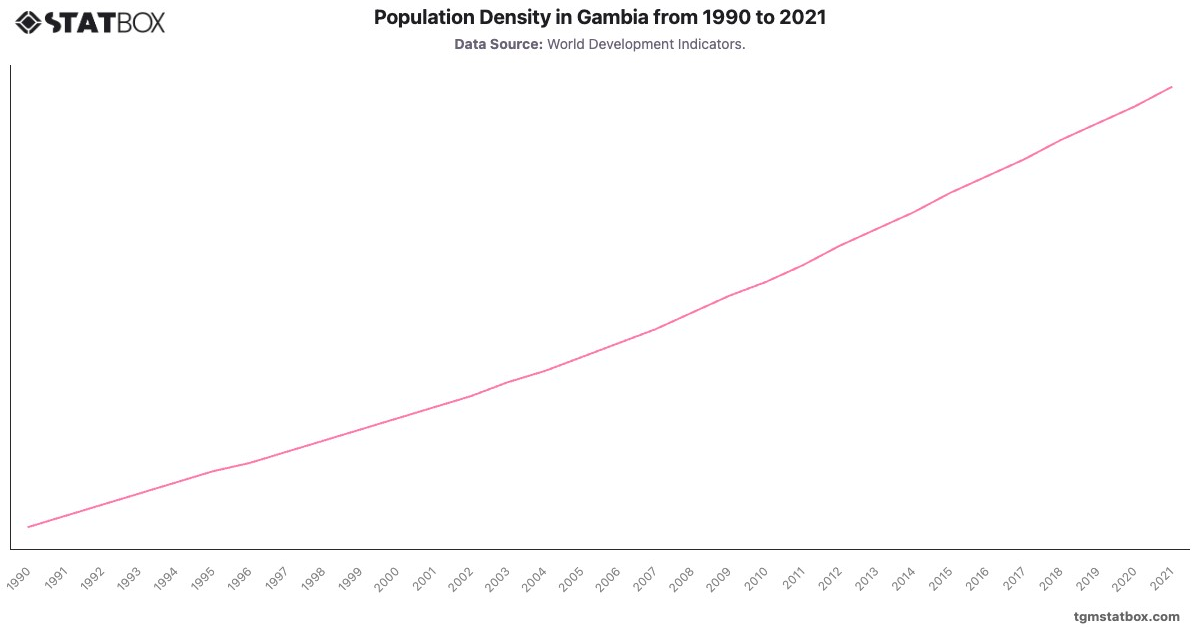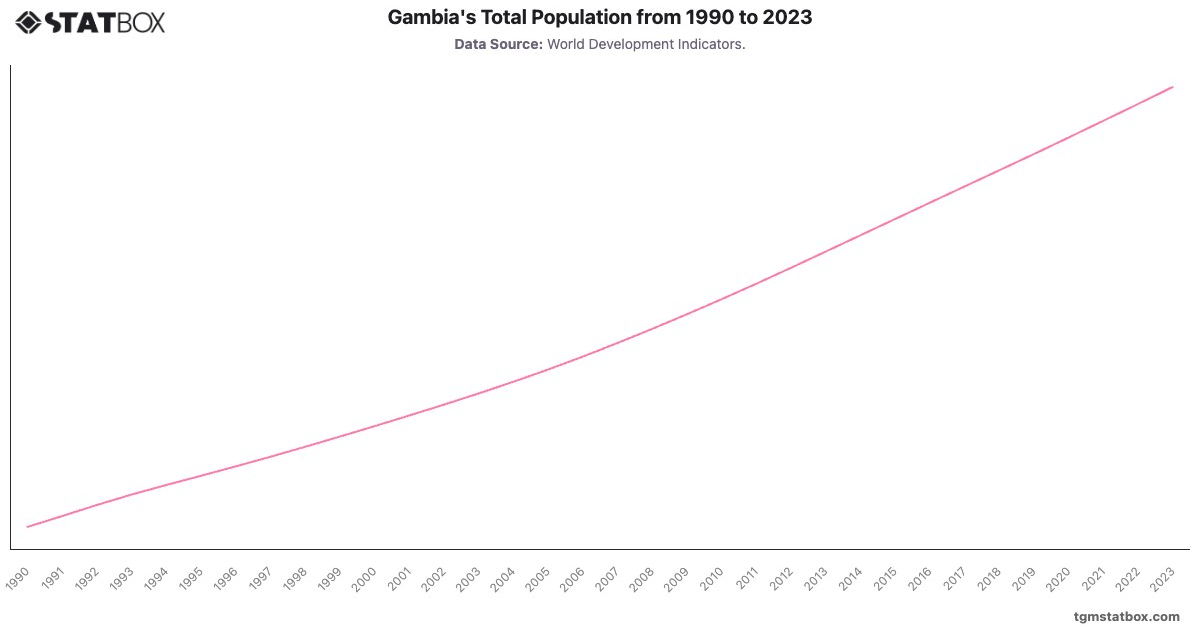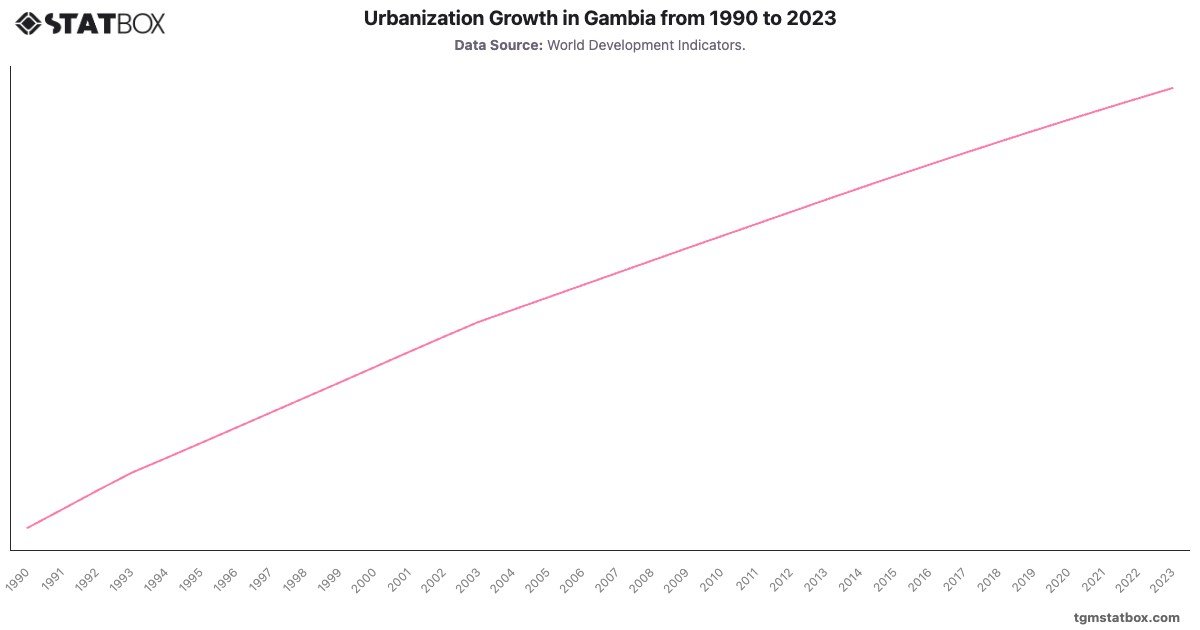
The Gambia’s urbanization grew from in 1990 to in 2023, illustrating a steady transformation toward urban living. During the early 1990s, Gambia’s urban population was under , with small yet steady increases annually as urban centers like Banjul and Serrekunda became hubs of economic activity. The country’s shift to urban areas was largely driven by job opportunities in tourism, trade, and services. The government’s focus on developing urban infrastructure and providing basic services helped to attract more people to cities. By the late 2000s, urbanization accelerated, reaching over by 2023. This trend reflects Gambia’s continued economic development and increased reliance on urban-based industries. However, the rise in urbanization also presents challenges in providing housing, sanitation, and employment for the growing urban population, with Gambia’s urban centers now central to the country’s economic future and social development.
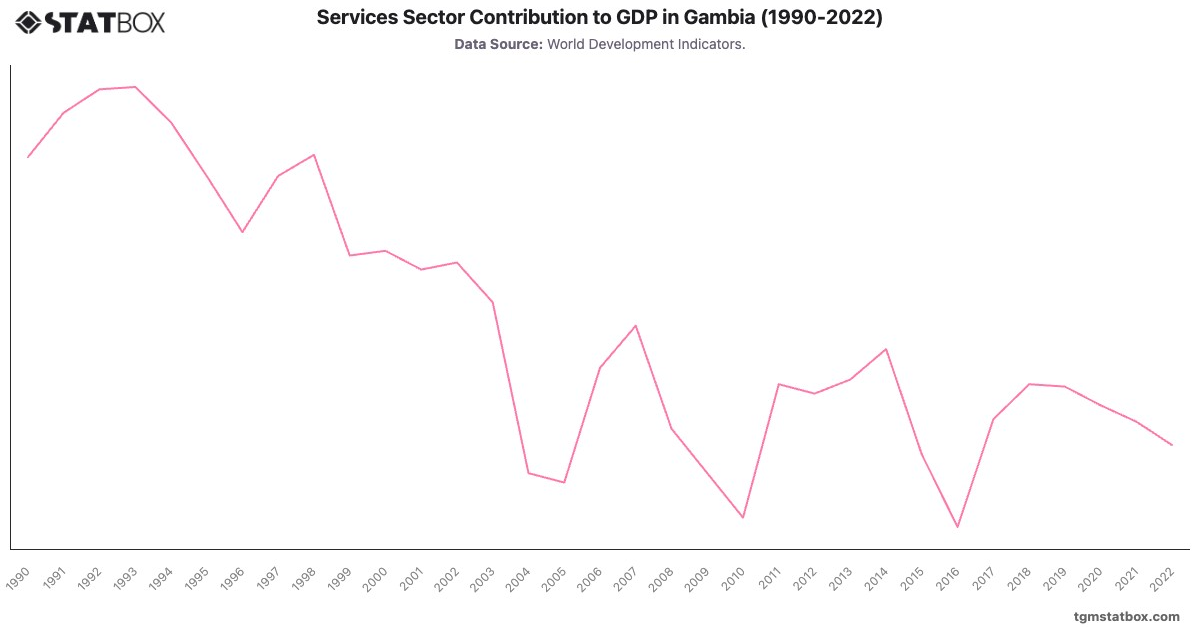
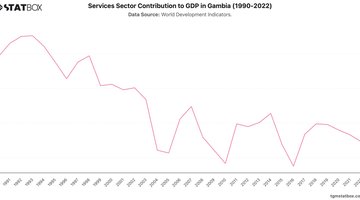
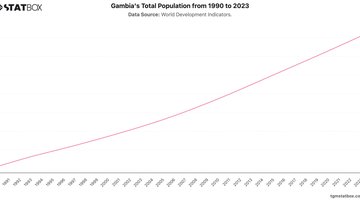
Explore related charts to gain a better understanding of Gambia’s population growth rate, Gambia’s population numbers, Gambia’s services sector GDP share.