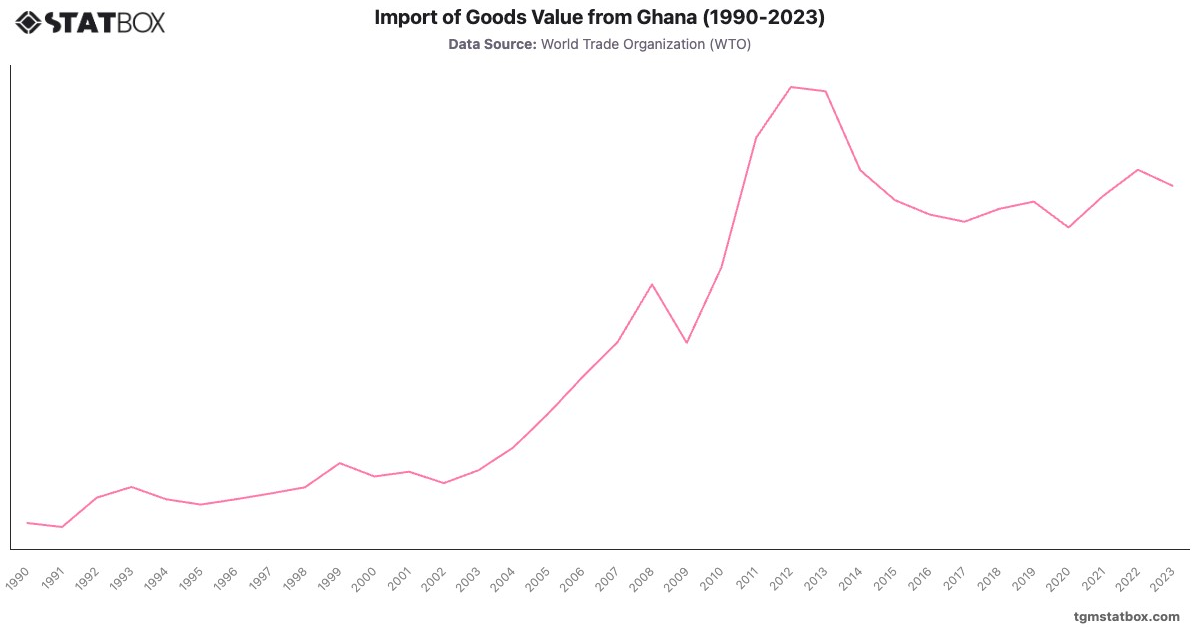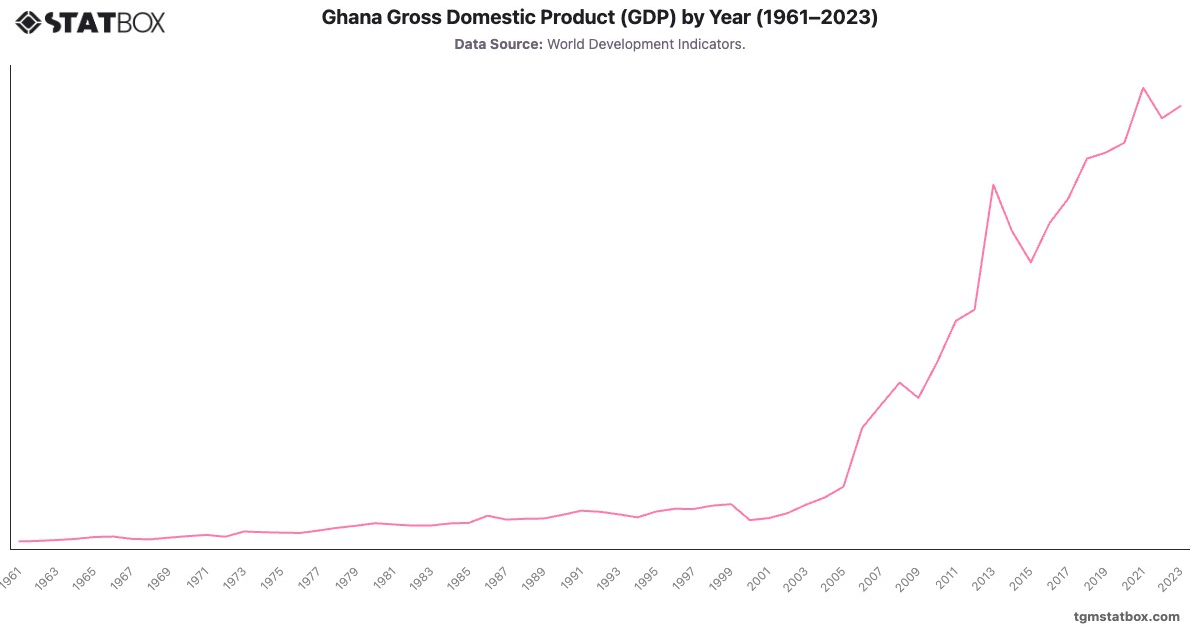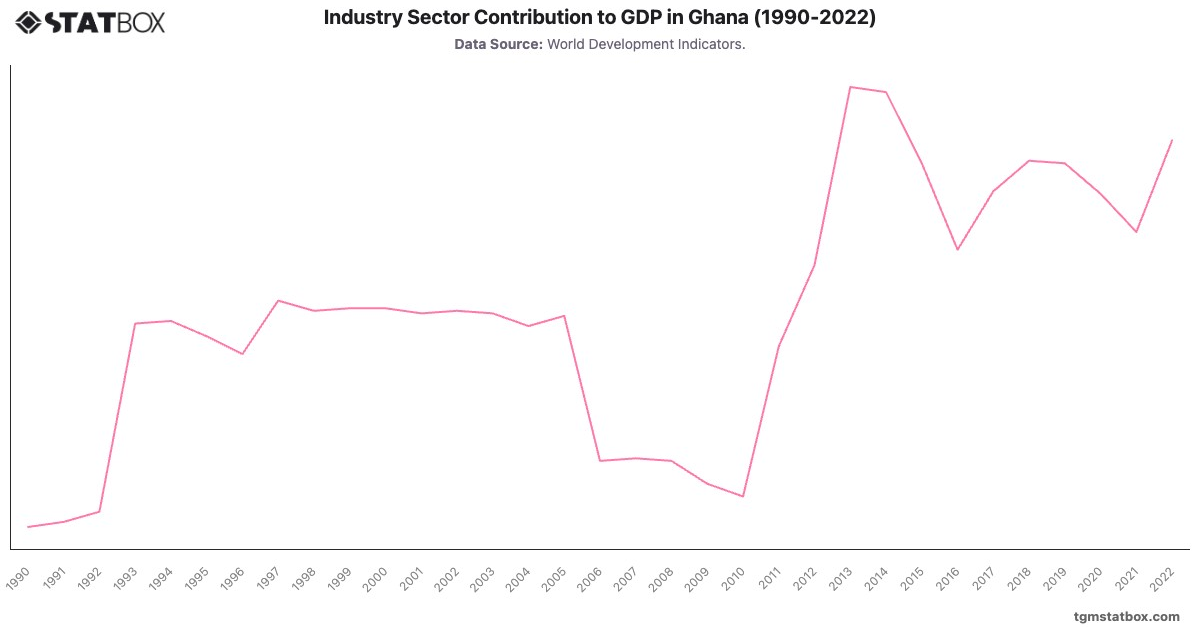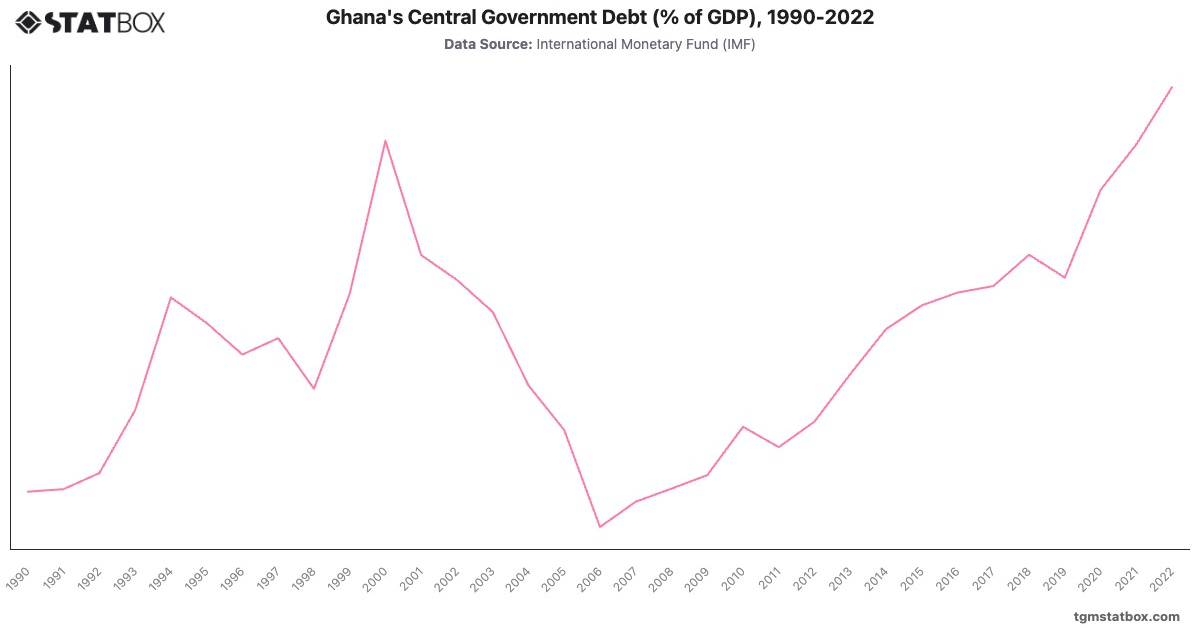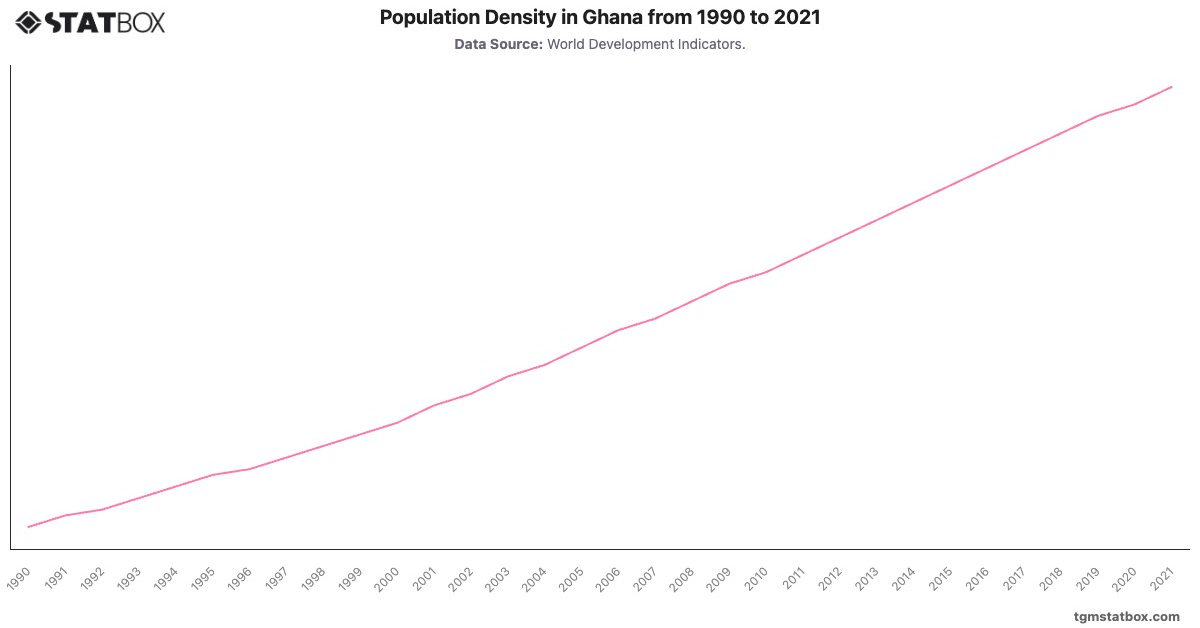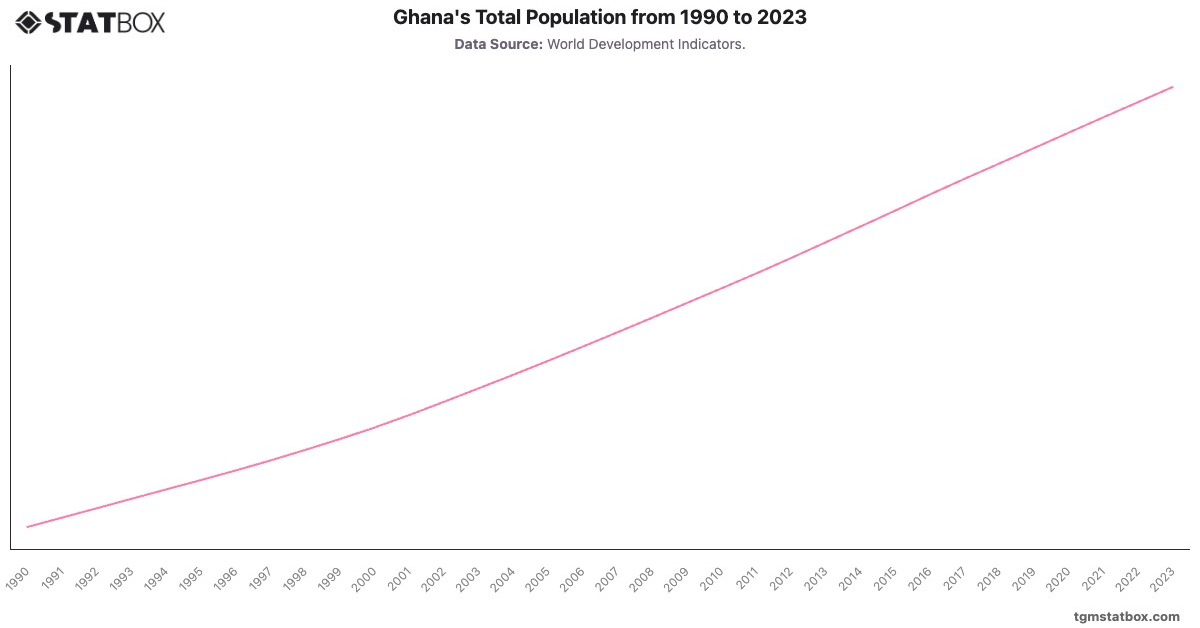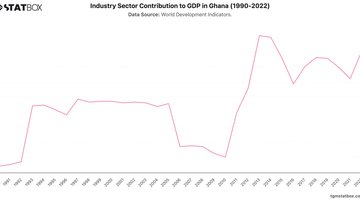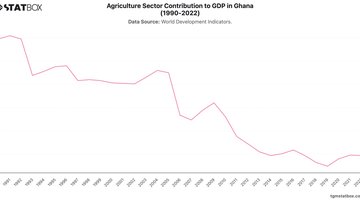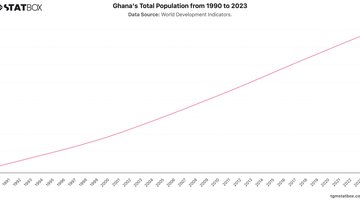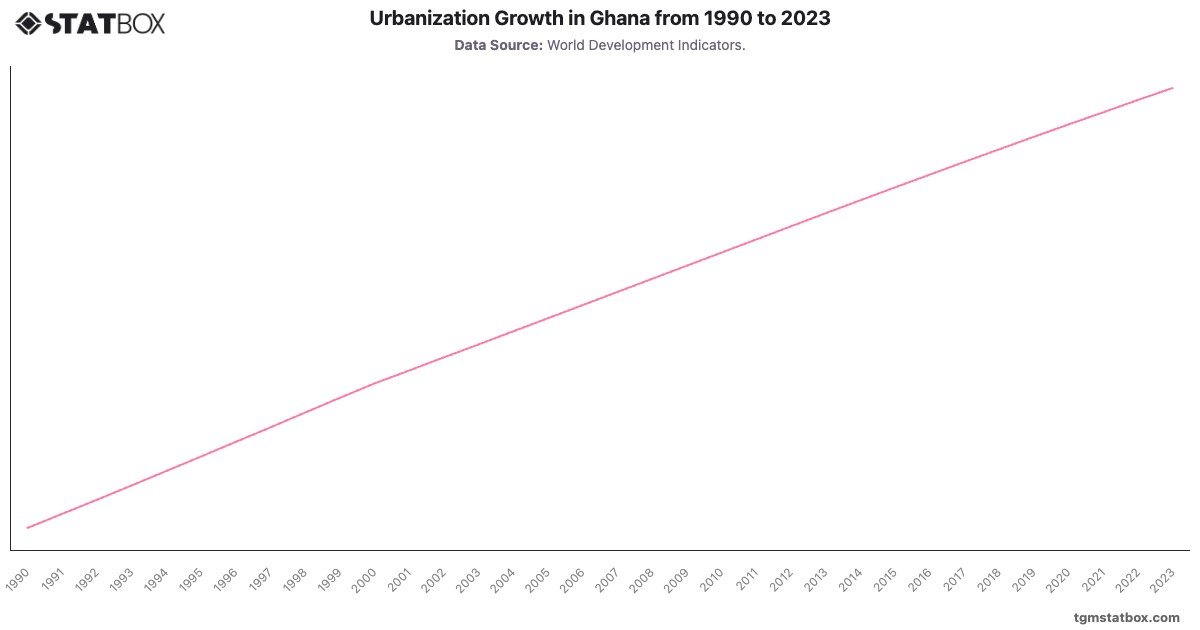
Ghana’s urbanization rate increased from in 1990 to in 2023, signifying a strong shift toward urban living over three decades. During the 1990s, Ghana’s urban growth was gradual as people migrated to cities like Accra and Kumasi, seeking better job opportunities, especially within the growing services and industrial sectors. The trend gained momentum post-2000, driven by Ghana’s status as one of West Africa’s more stable and economically diverse countries, with robust growth in construction, retail, and energy sectors. Ghana’s cities expanded rapidly, with infrastructure development, improved healthcare, and educational facilities playing crucial roles in attracting rural populations. By 2023, nearly of the population resided in urban areas, marking Ghana’s transition to a more urban-centered economy. This urban shift has brought challenges, such as managing urban sprawl and providing adequate services, yet it remains a critical aspect of Ghana’s economic and social progress.
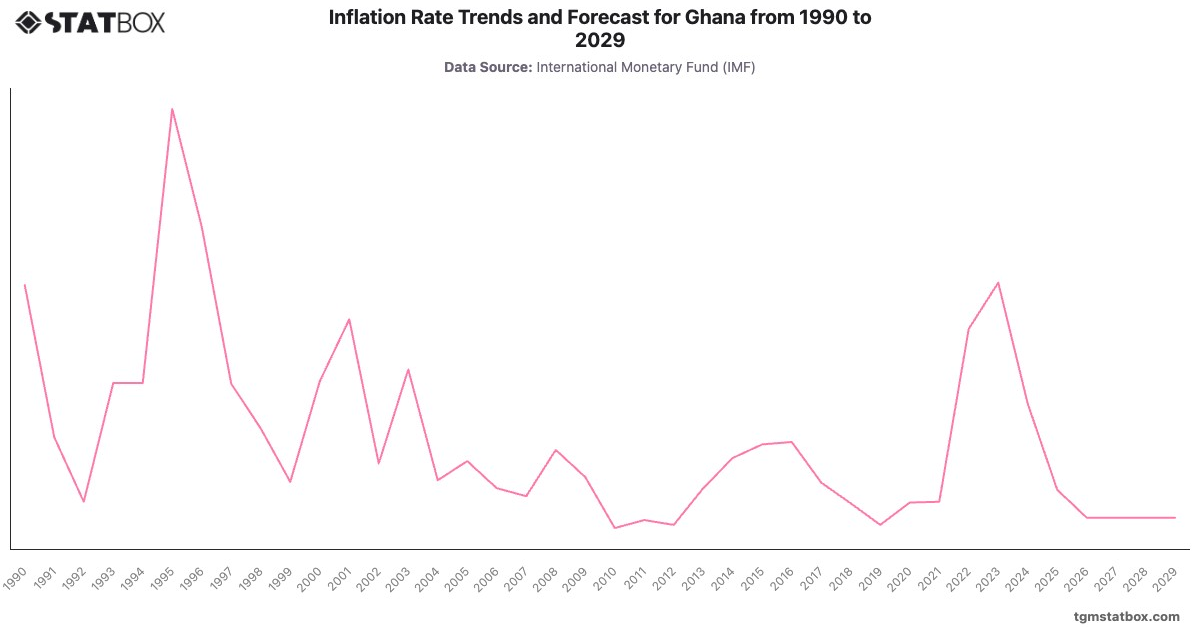
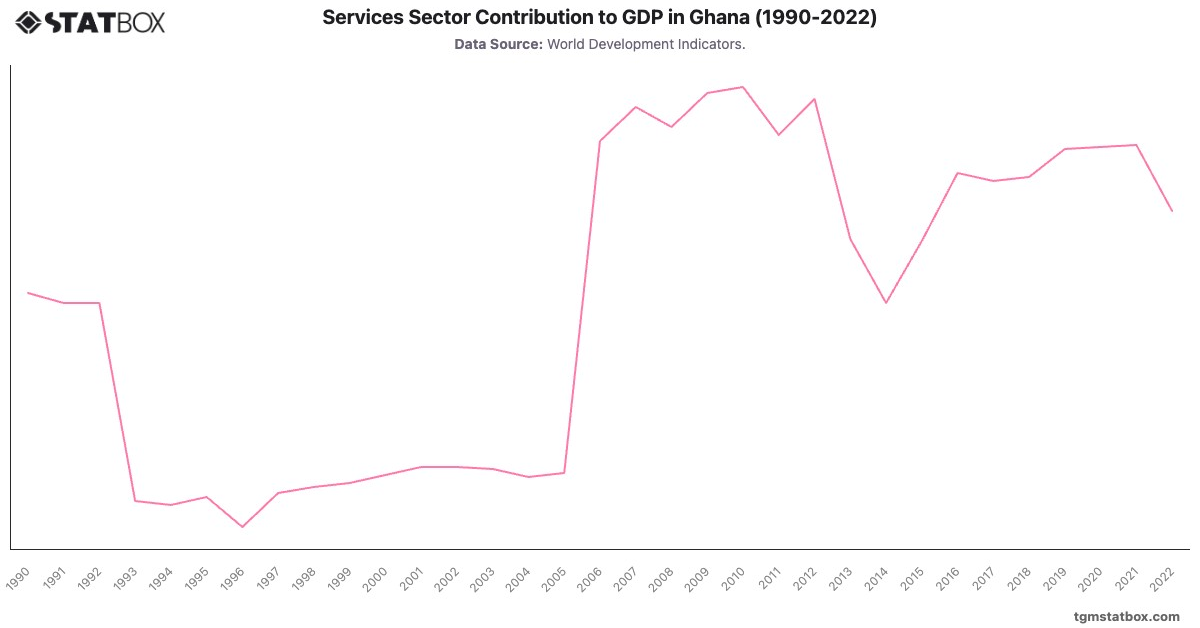
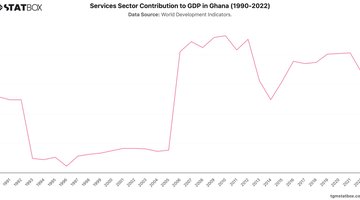
For a deeper dive into the topic, explore Ghana’s services sector share in GDP, Ghana’s yearly net ODA data, Ghana’s inflation trends.