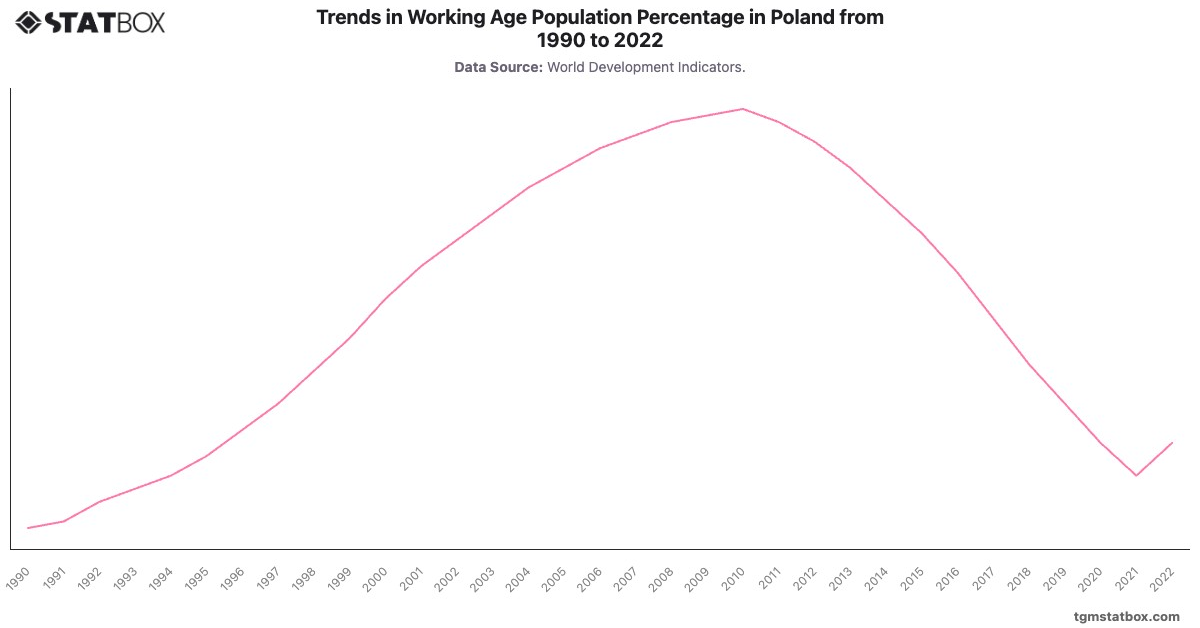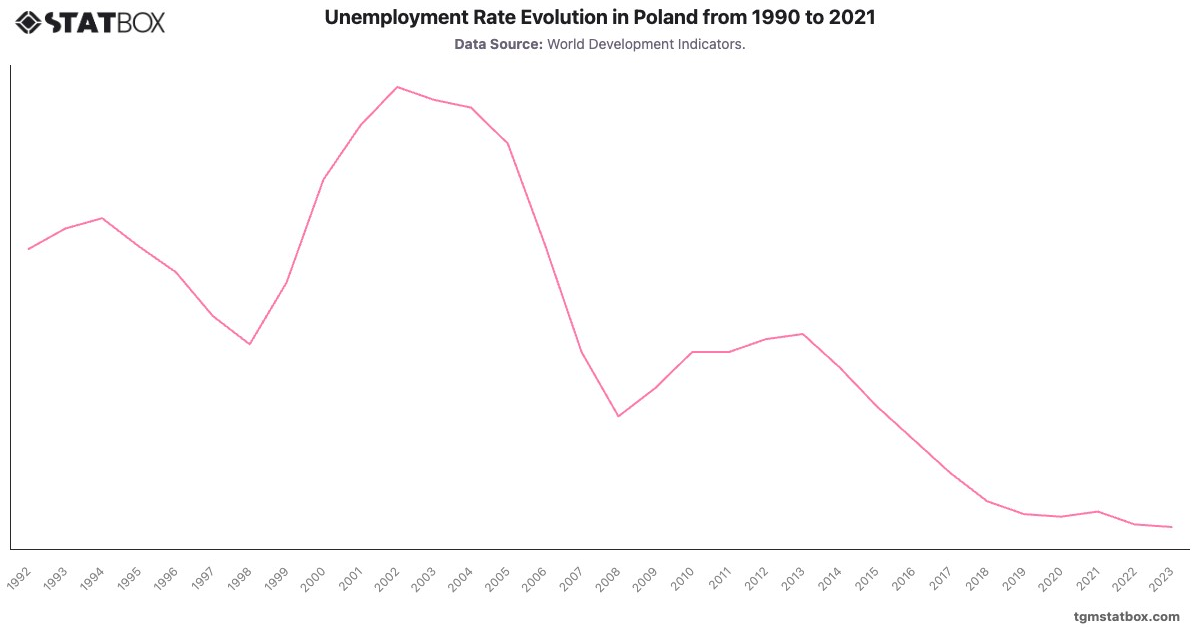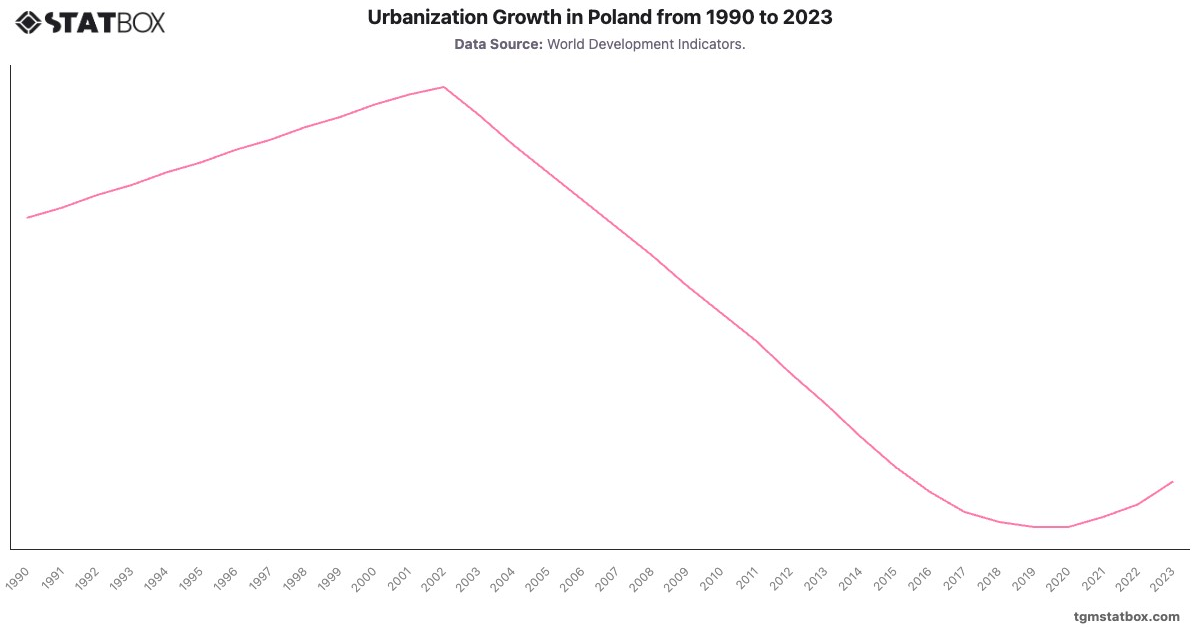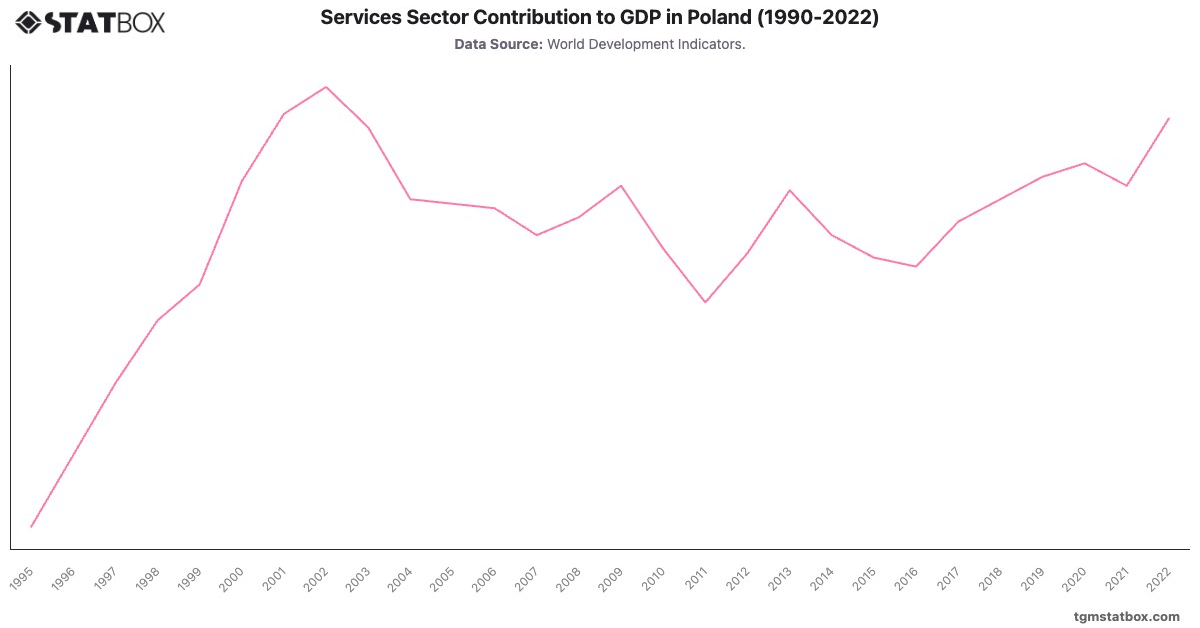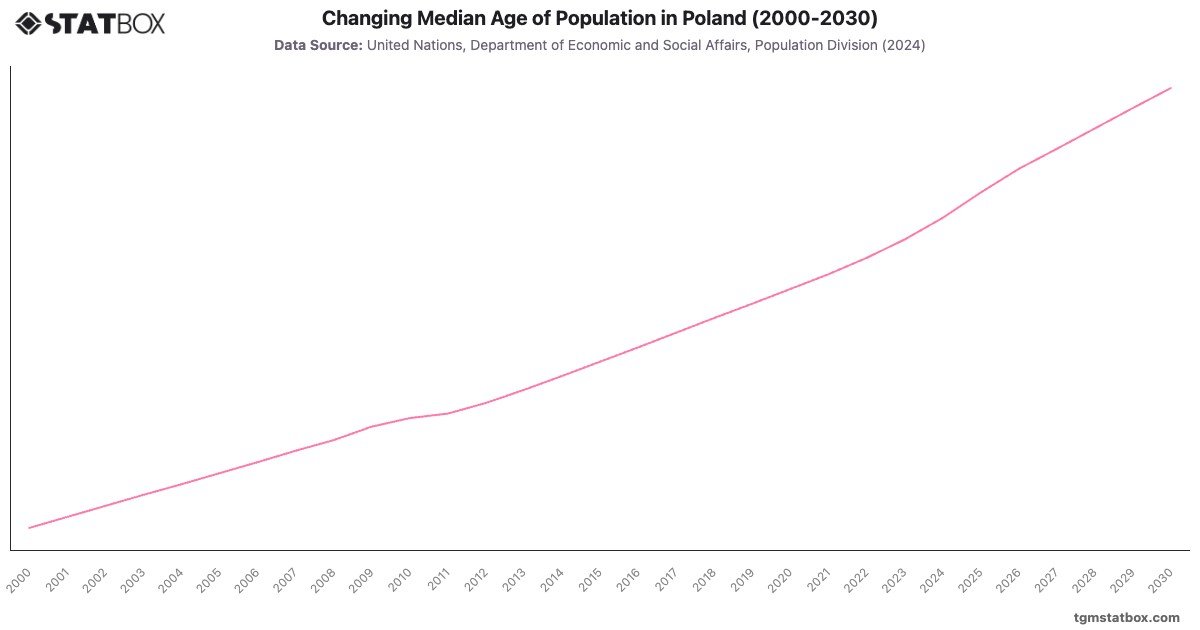
Poland’s median age rises from 34.3 in 2000 to a projected 45.0 by 2030, reflecting a rapidly aging society. From 2000 to 2010, the median age increases to 36.9, influenced by low birth rates and a significant rural-to-urban migration that transforms Poland’s demographic structure. Urbanization and economic growth contribute to the population’s aging.
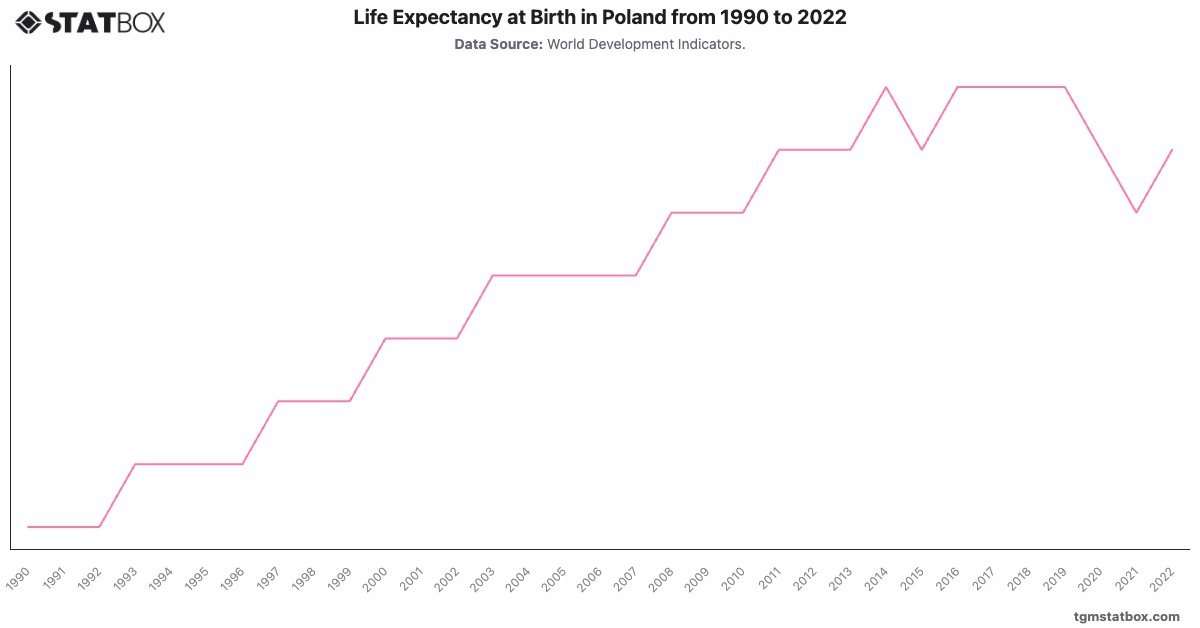
Between 2020 and 2030, Poland’s median age is expected to rise sharply, reaching 45.0. As the younger generation remains smaller due to lower birth rates, Poland’s age structure is increasingly skewed toward older adults. This trend reflects the long-term impact of urbanization on birth rates and life expectancy in Poland.
Between 2020 and 2030, Poland’s median age is expected to rise sharply, reaching 45.0. As the younger generation remains smaller due to lower birth rates, Poland’s age structure is increasingly skewed toward older adults. This trend reflects the long-term impact of urbanization on birth rates and life expectancy in Poland.
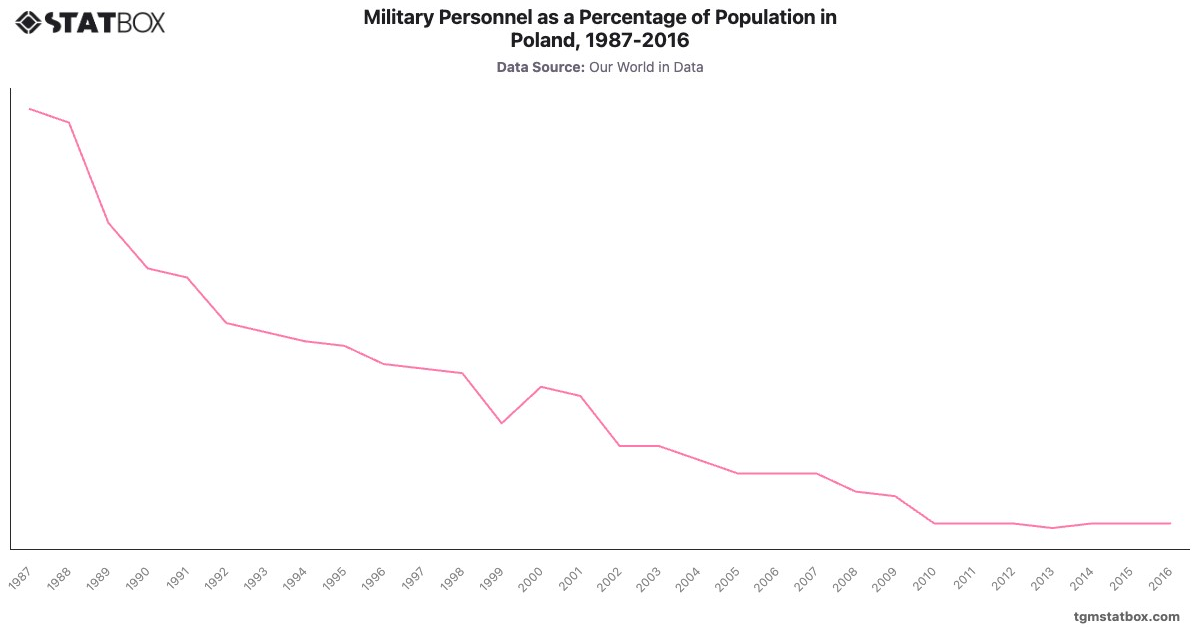
Discover additional trends and data on Poland’s demographic count, Poland’s urbanization rate, military personnel ratio in Poland.