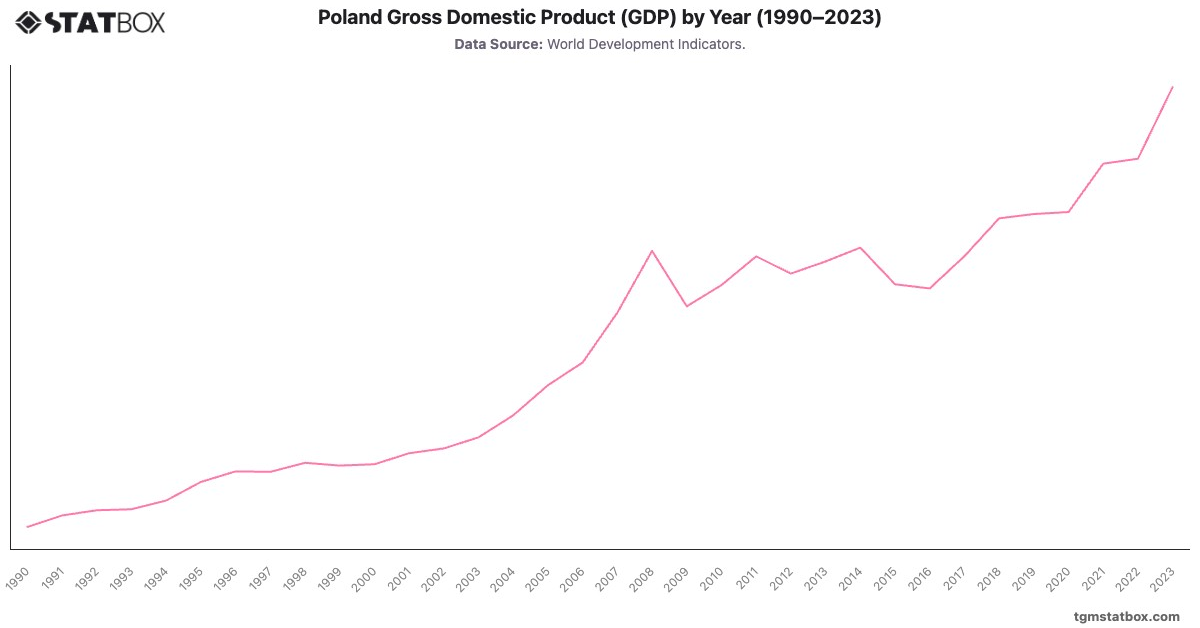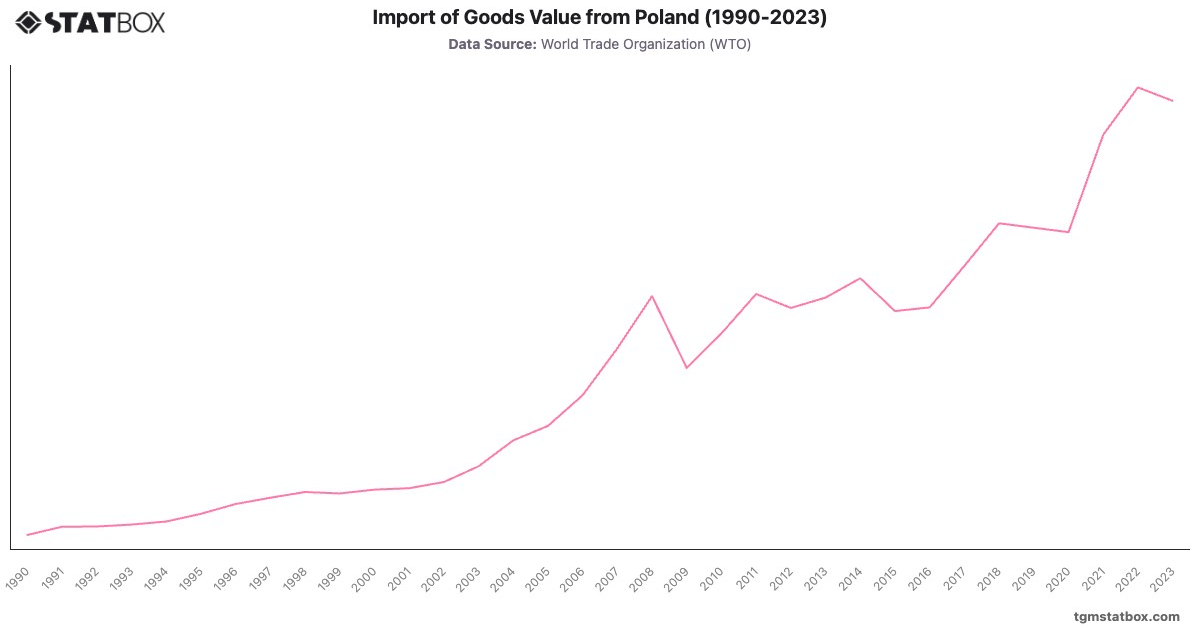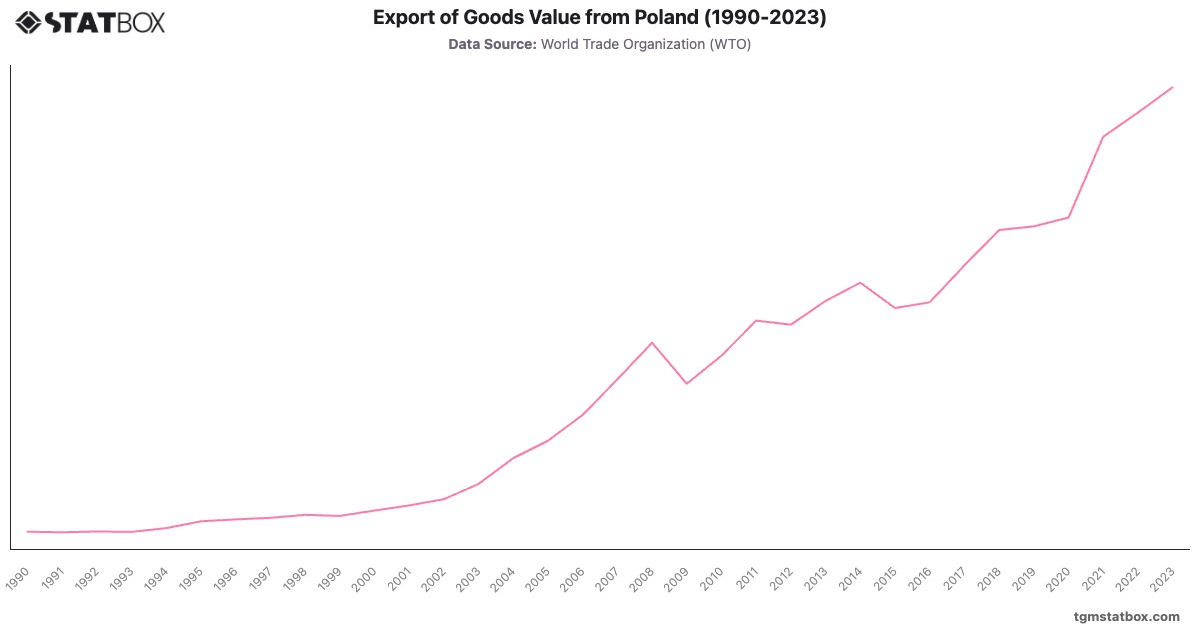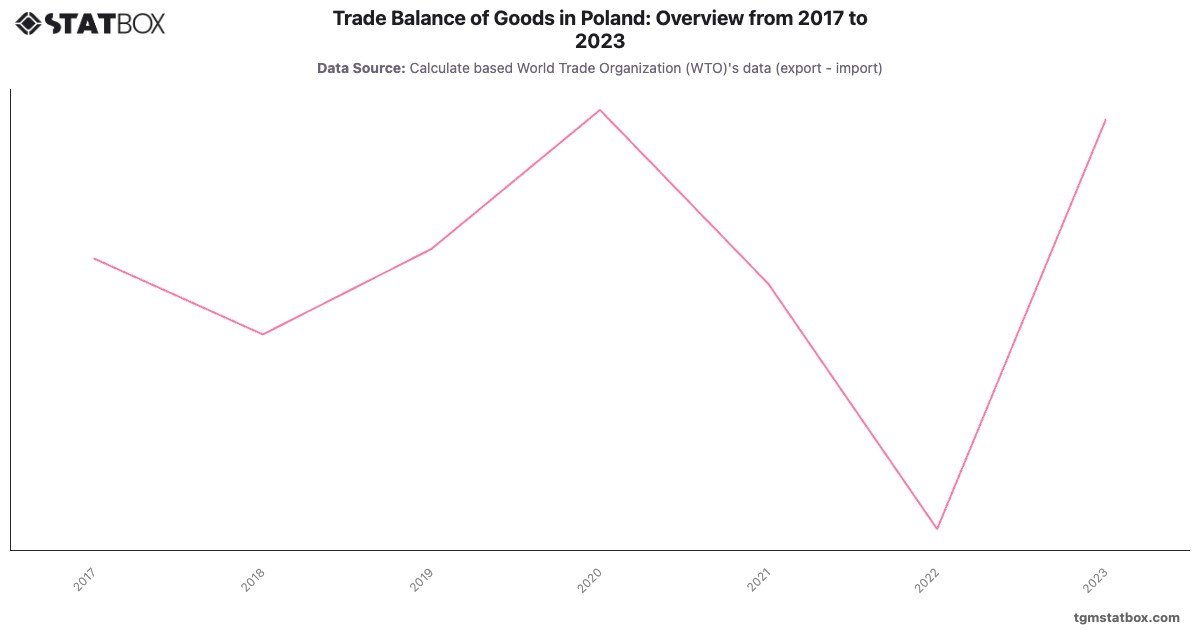
Poland’s trade balance of goods exhibited significant fluctuations between 2017 and 2023, alternating between surplus and deficit. After a surplus of 12,209.4 million USD in 2020, driven by reduced imports during the pandemic and strong exports of machinery and vehicles, the trade balance shifted to a substantial deficit of -20,645.1 million USD in 2022. This was primarily influenced by rising energy costs and higher demand for imported consumer and capital goods.
By 2023, the trade balance returned to a surplus of 11,440.8 million USD, likely aided by easing import costs and a recovery in export-driven sectors such as automotive and industrial machinery. Poland’s trade performance reflects the economy’s sensitivity to global energy prices and its reliance on manufacturing exports, highlighting the need for balanced import and export strategies.
By 2023, the trade balance returned to a surplus of 11,440.8 million USD, likely aided by easing import costs and a recovery in export-driven sectors such as automotive and industrial machinery. Poland’s trade performance reflects the economy’s sensitivity to global energy prices and its reliance on manufacturing exports, highlighting the need for balanced import and export strategies.
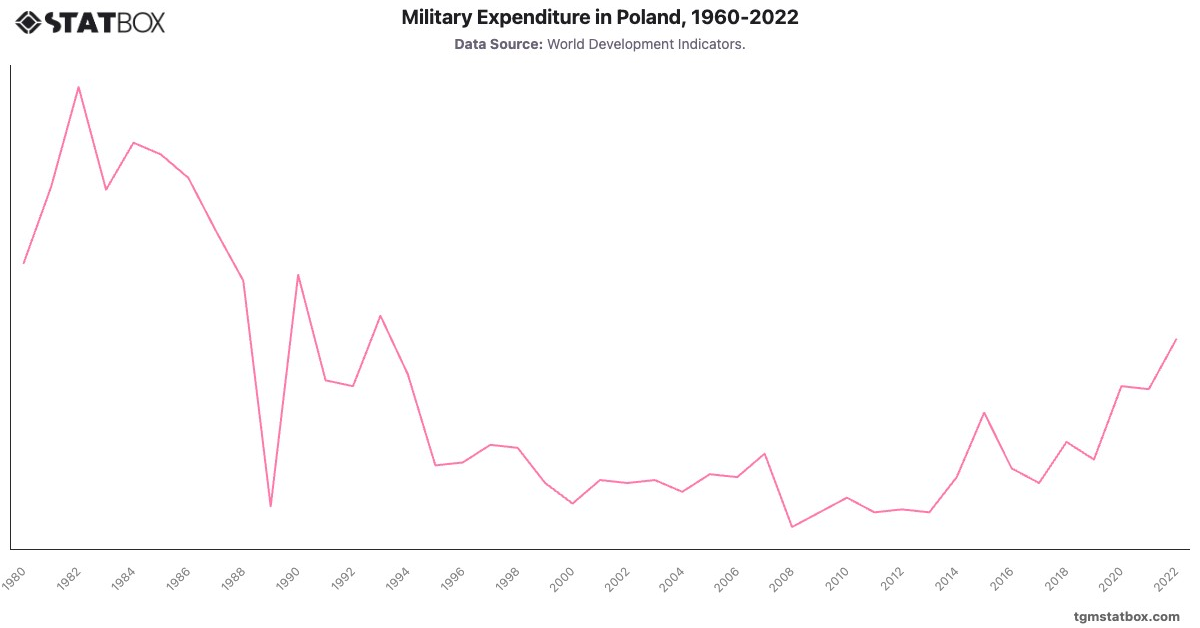
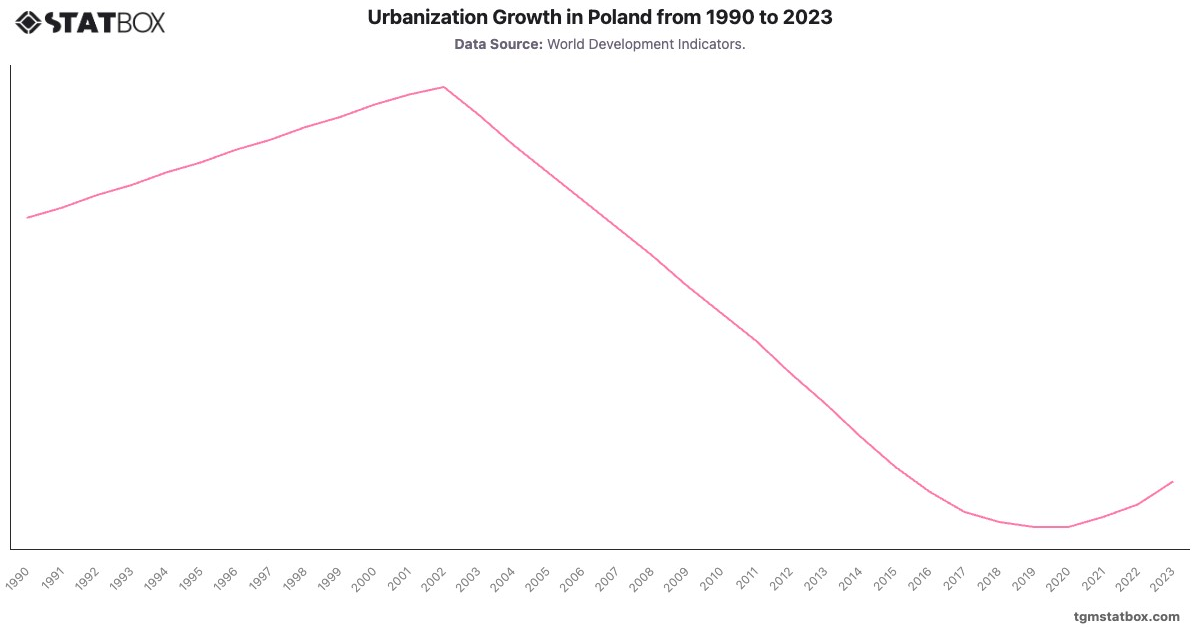
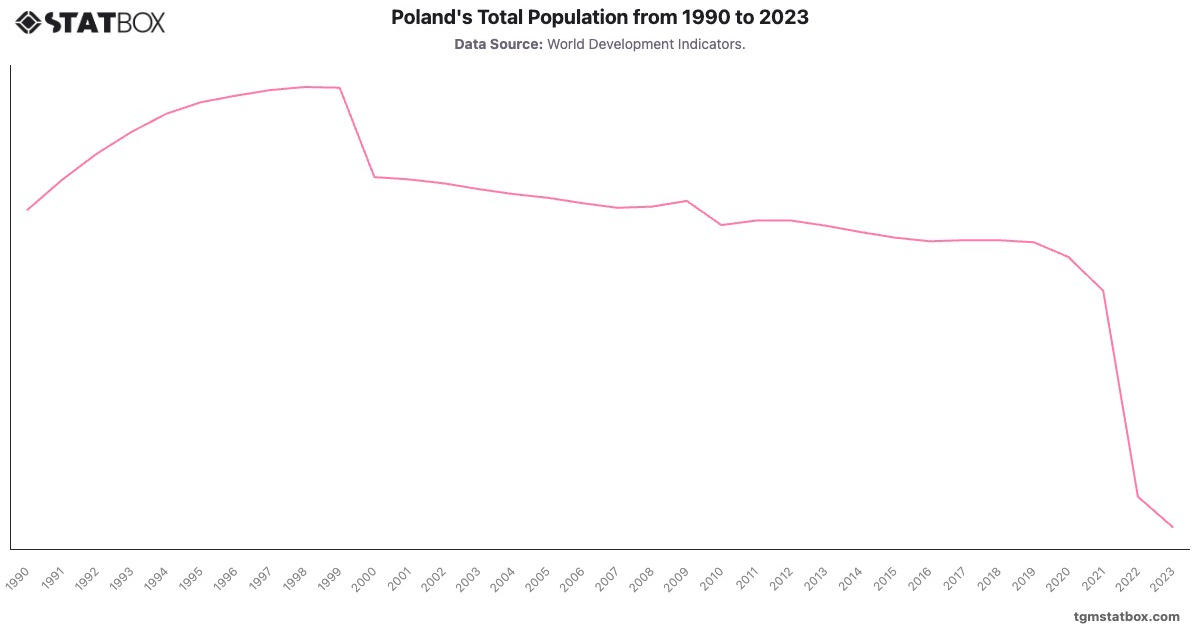
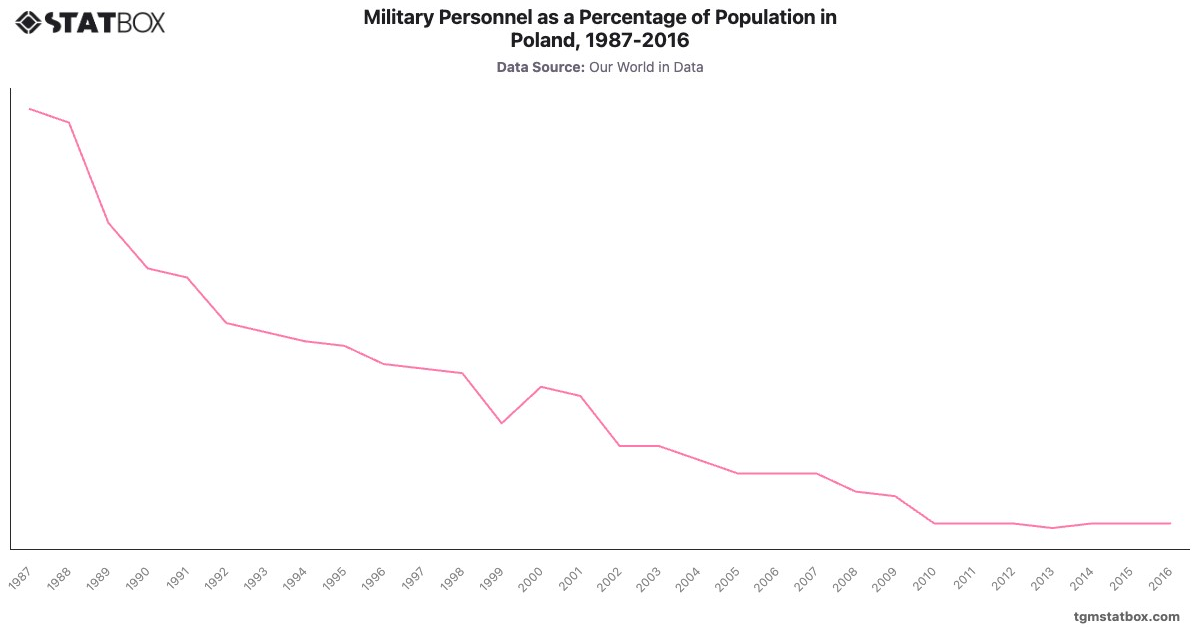
Find out more through related statistics on Poland’s demographic count, Poland’s urbanization rate, military personnel ratio in Poland.