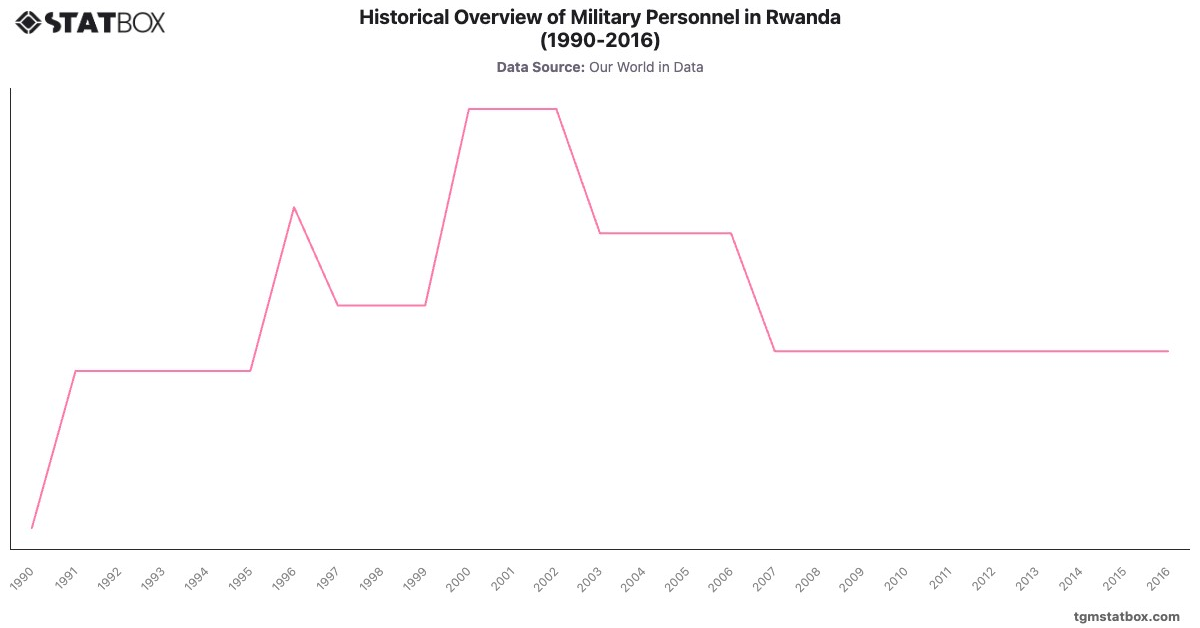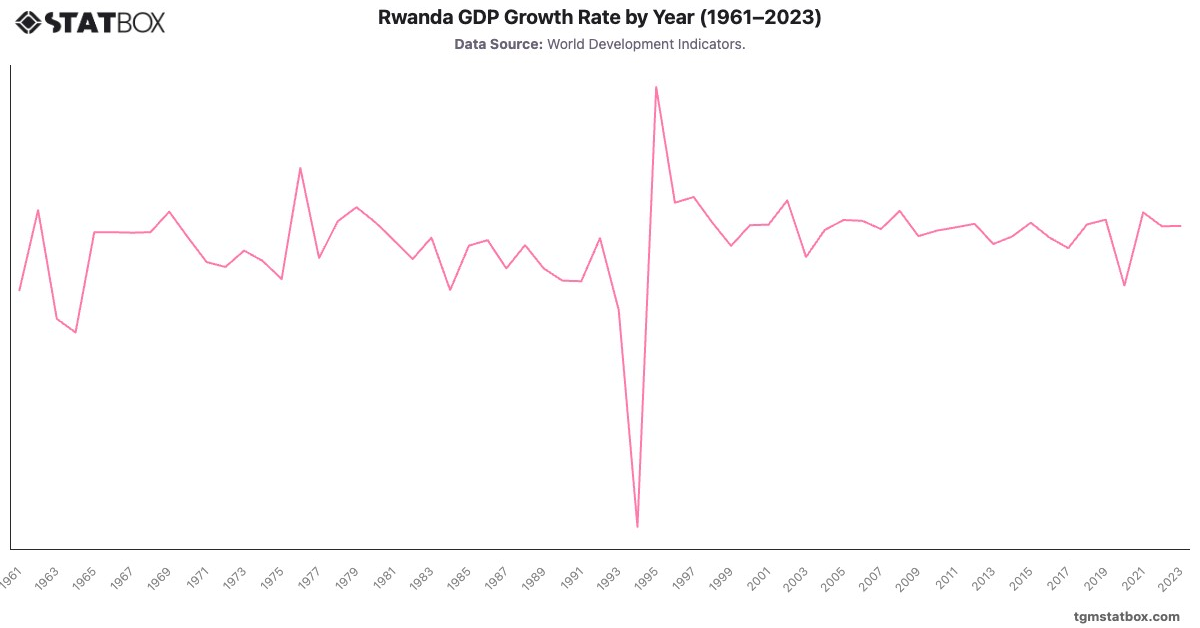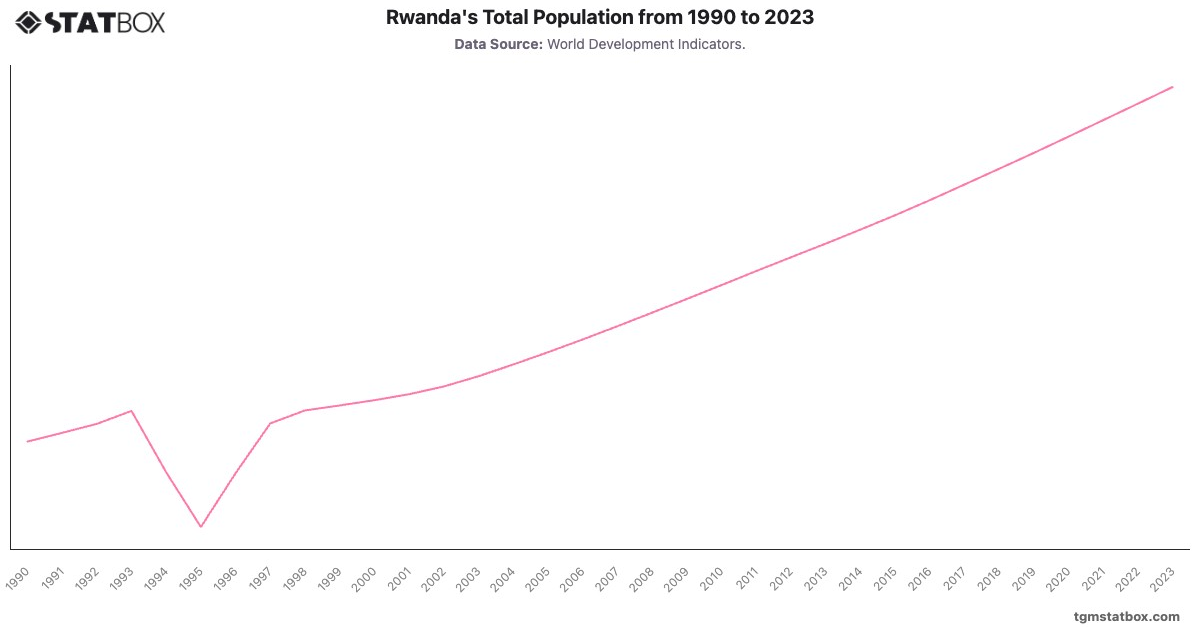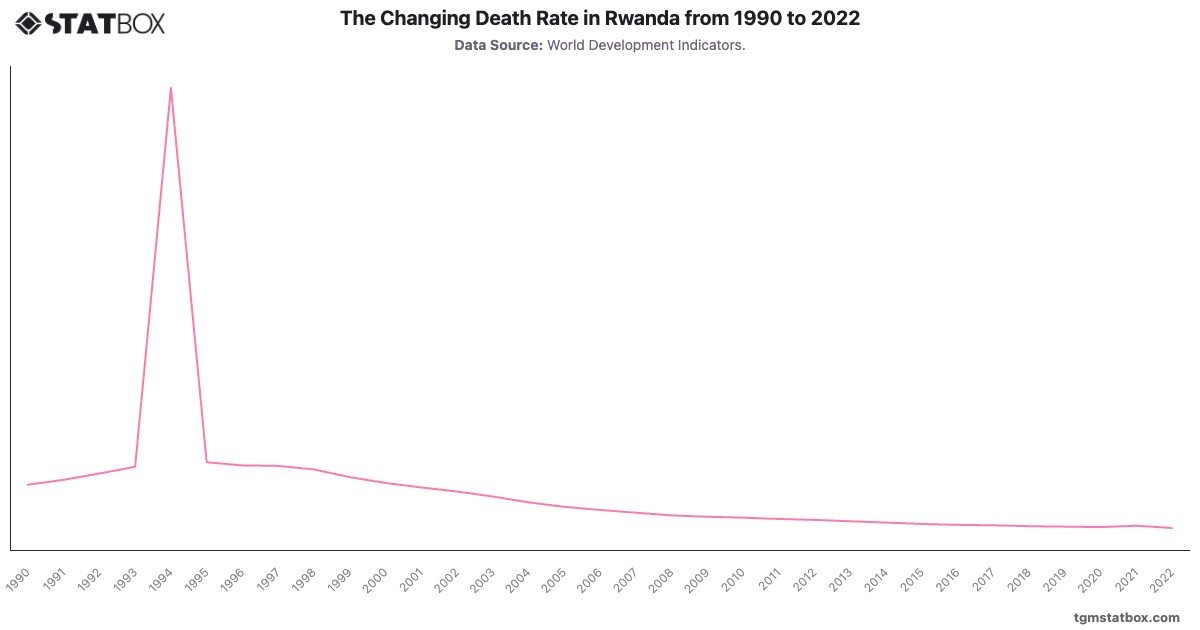
The most striking feature in the data is the catastrophic spike in 1994, when the death rate skyrocketed to during the Rwandan Genocide, representing one of the most devastating humanitarian crises of the 20th century. The years leading up to this event show a concerning upward trend, with death rates rising from in 1990 to in 1993, reflecting the growing political tensions and deteriorating social conditions that preceded the genocide. The immediate aftermath in 1995 saw the death rate return to , though still elevated from pre-crisis levels.
The post-genocide period demonstrates Rwanda's extraordinary progress in public health. From 2000 onwards, there has been a consistent downward trend, with death rates declining from to in 2022. This remarkable improvement can be attributed to several factors: substantial investments in healthcare infrastructure, the implementation of a community-based health insurance system (Mutuelle de Santé), improved maternal and child health programs, and better disease prevention measures. A slight uptick to in 2021 likely reflects the impact of the COVID-19 pandemic, but the return to the downward trend in 2022 suggests the resilience of Rwanda's healthcare system.
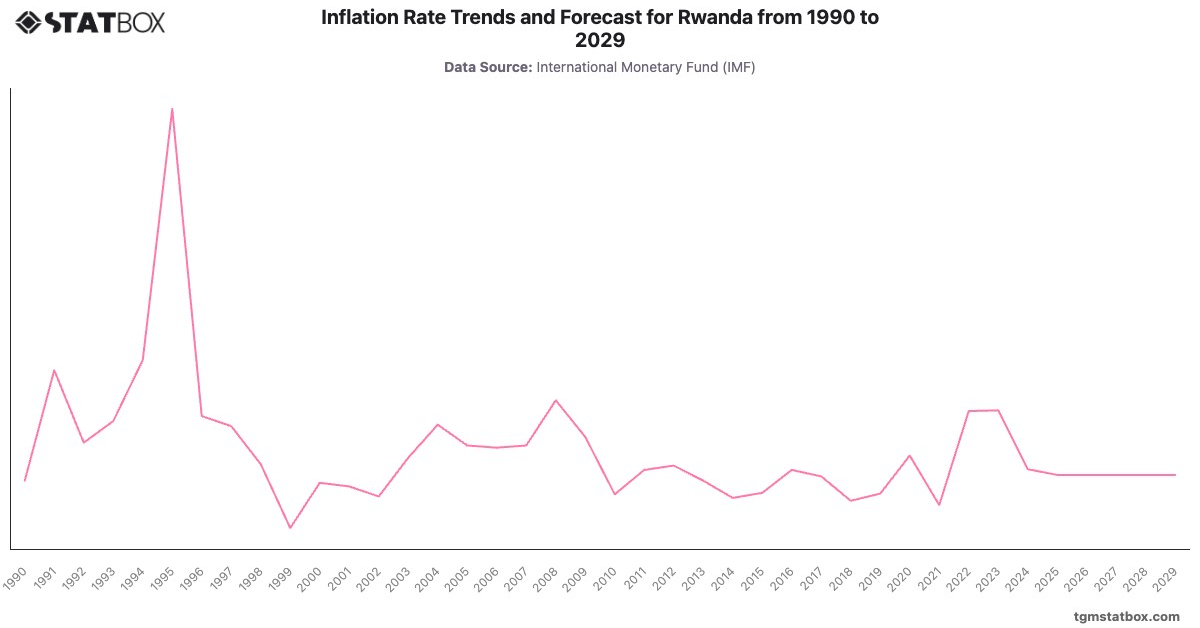
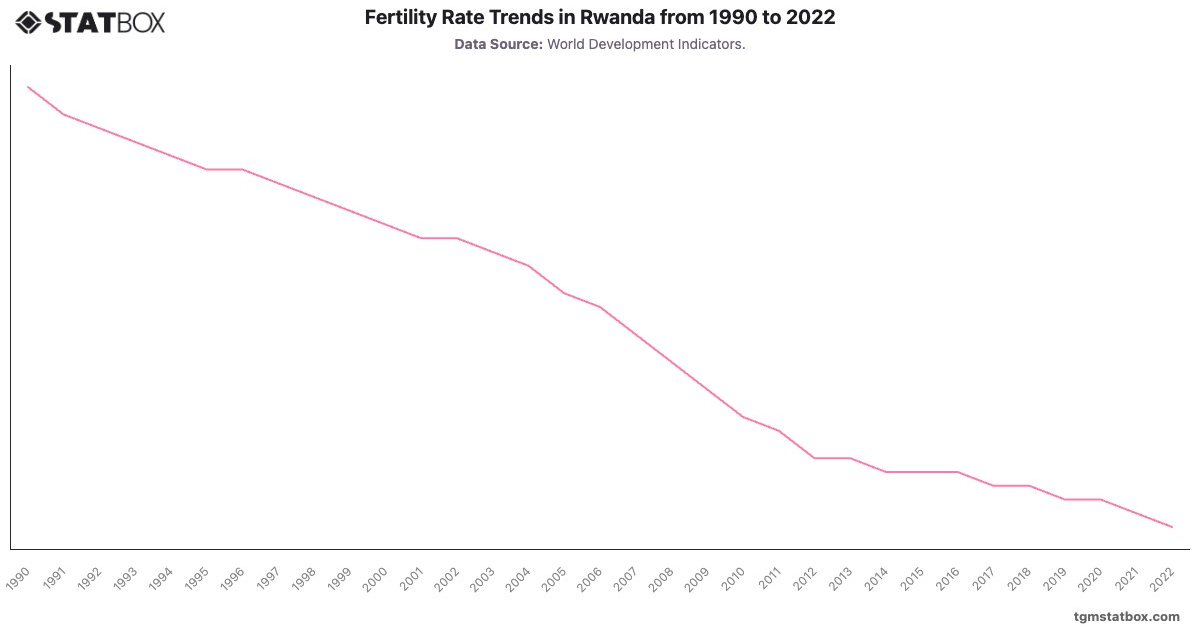
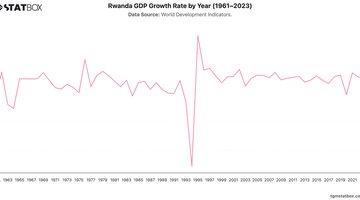
Discover additional trends and data on Rwanda’s fertility rate trends, Rwanda’s annual GDP growth rate, Rwanda's inflation rate trends.