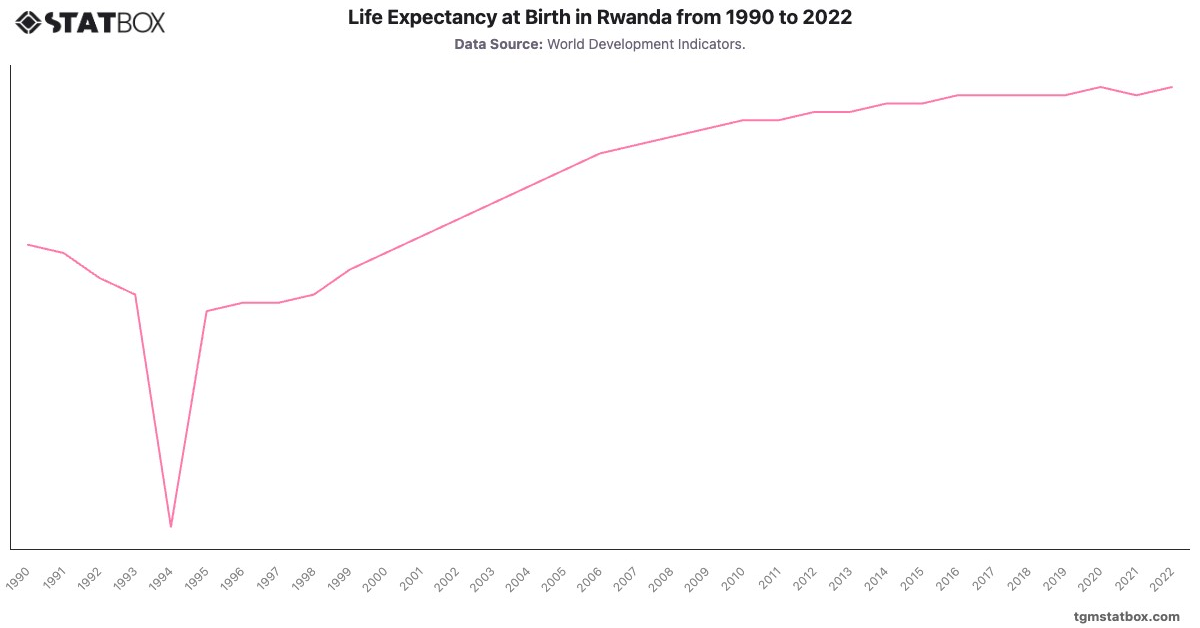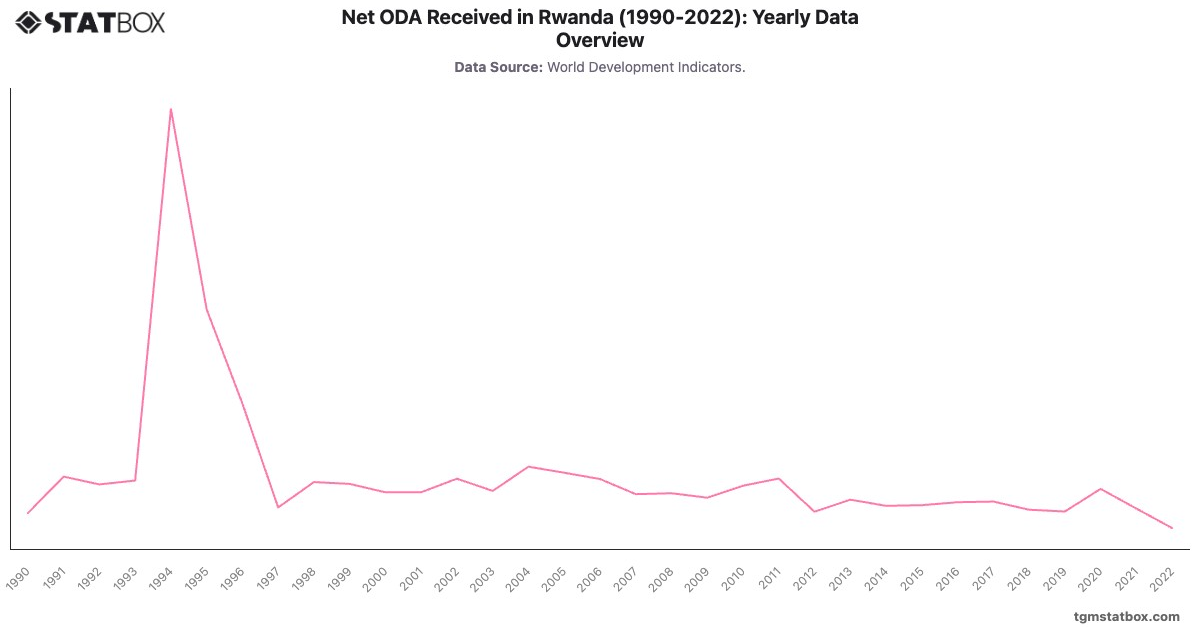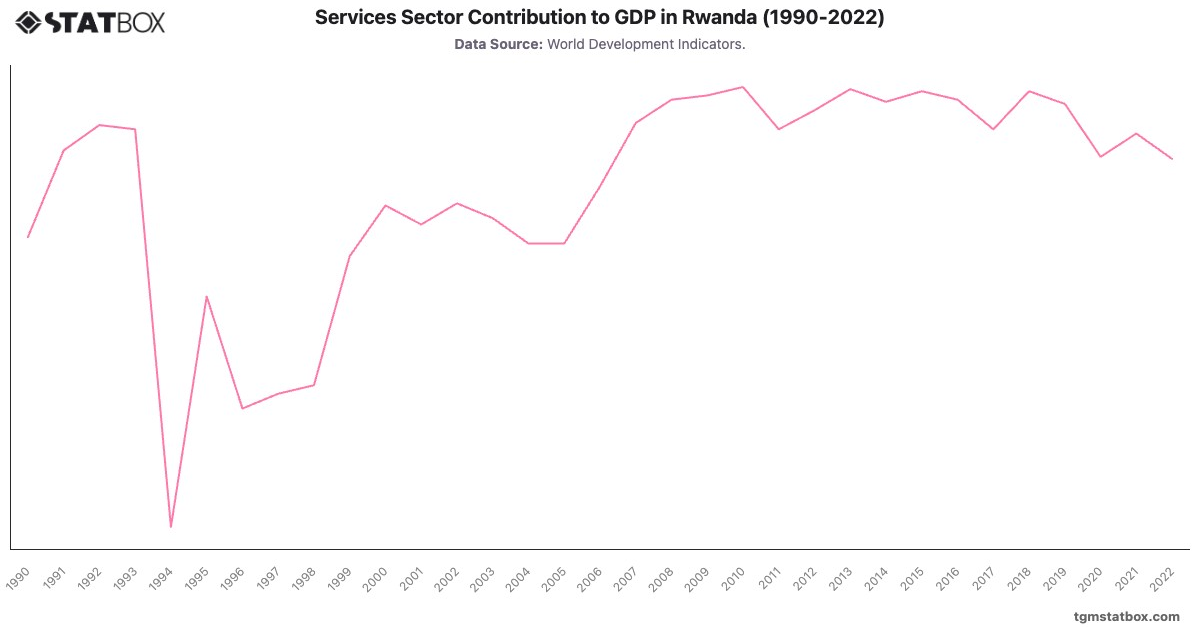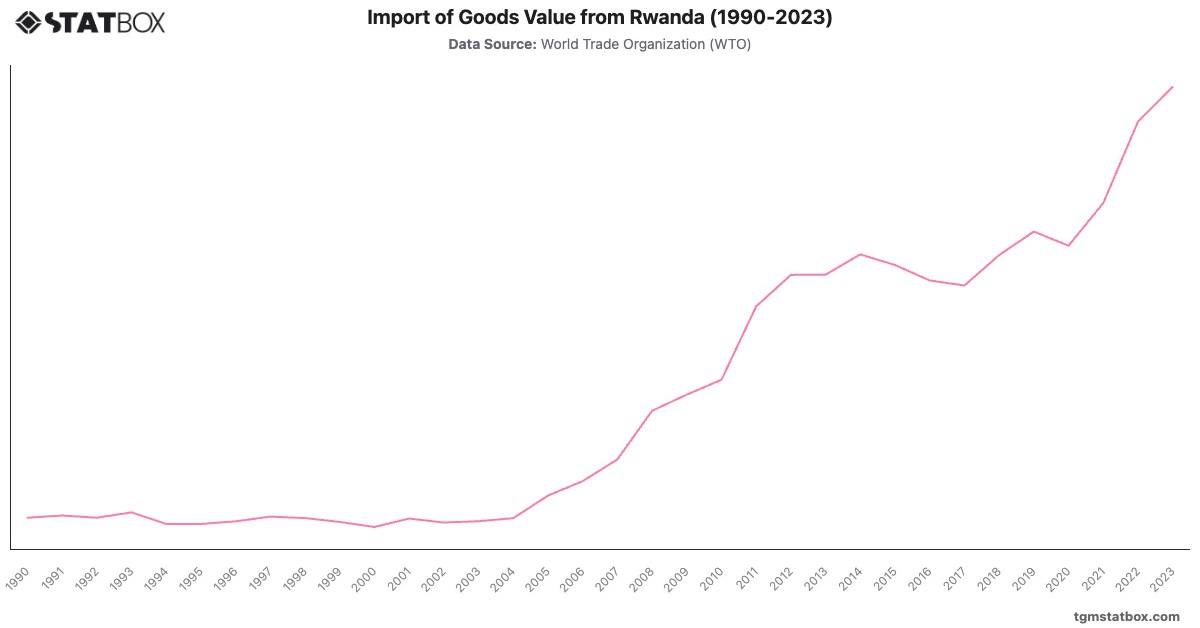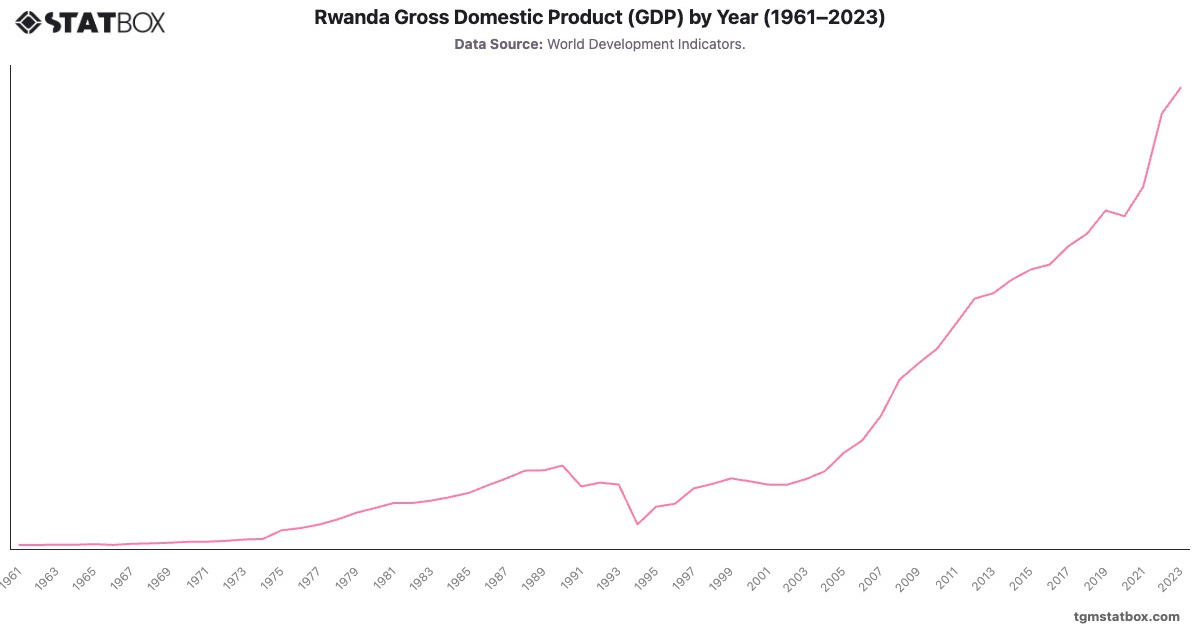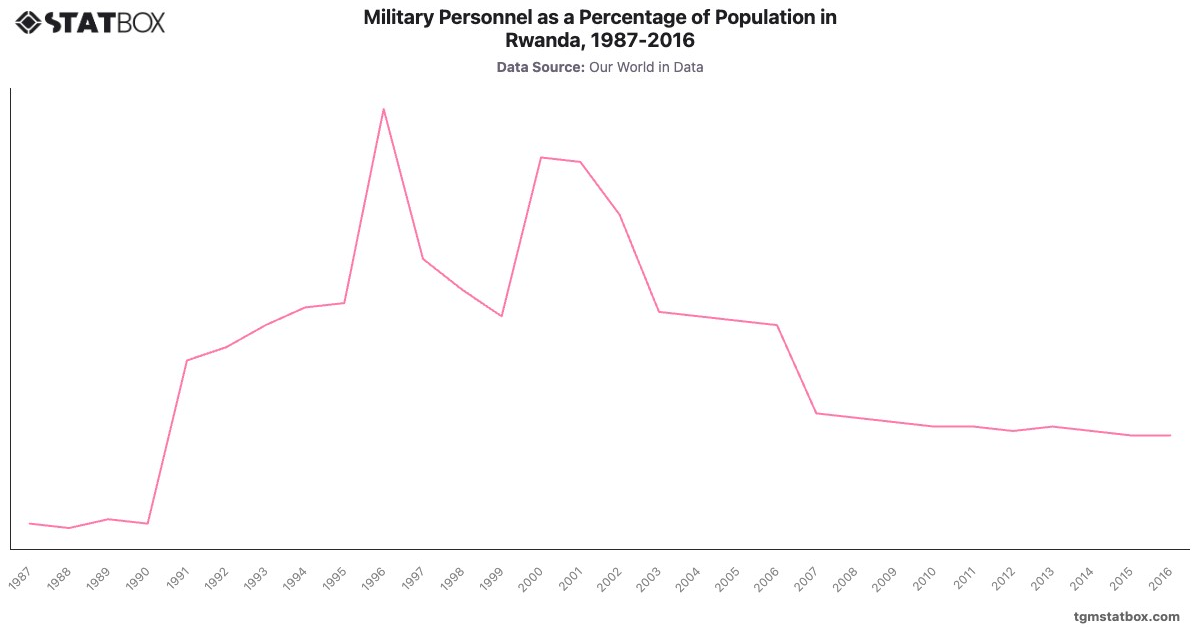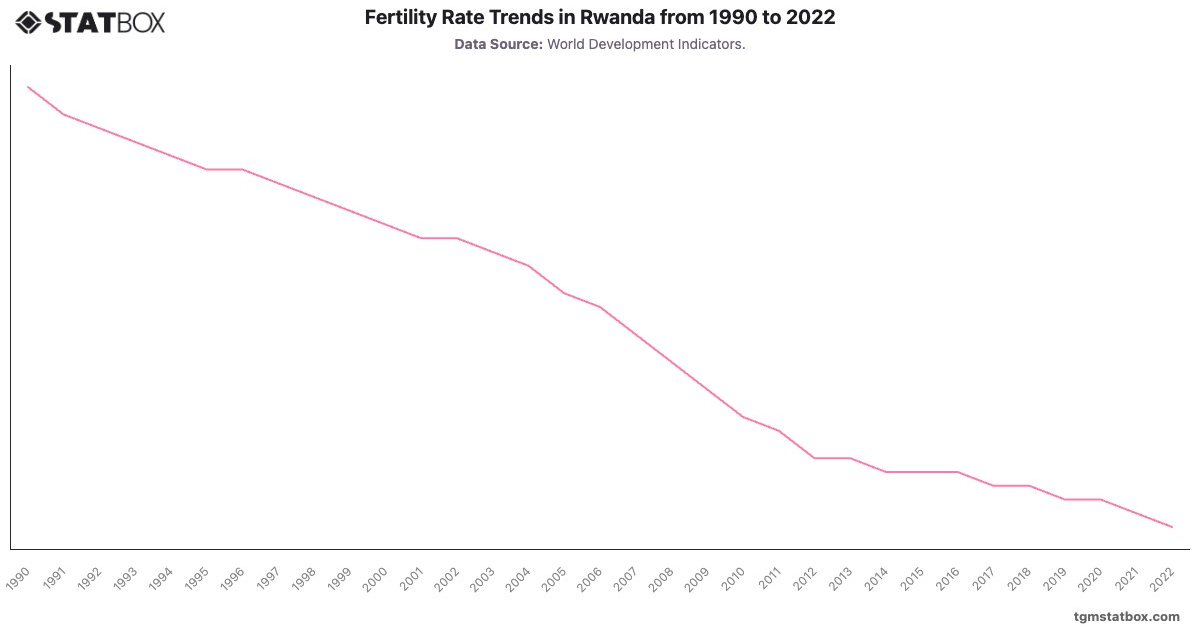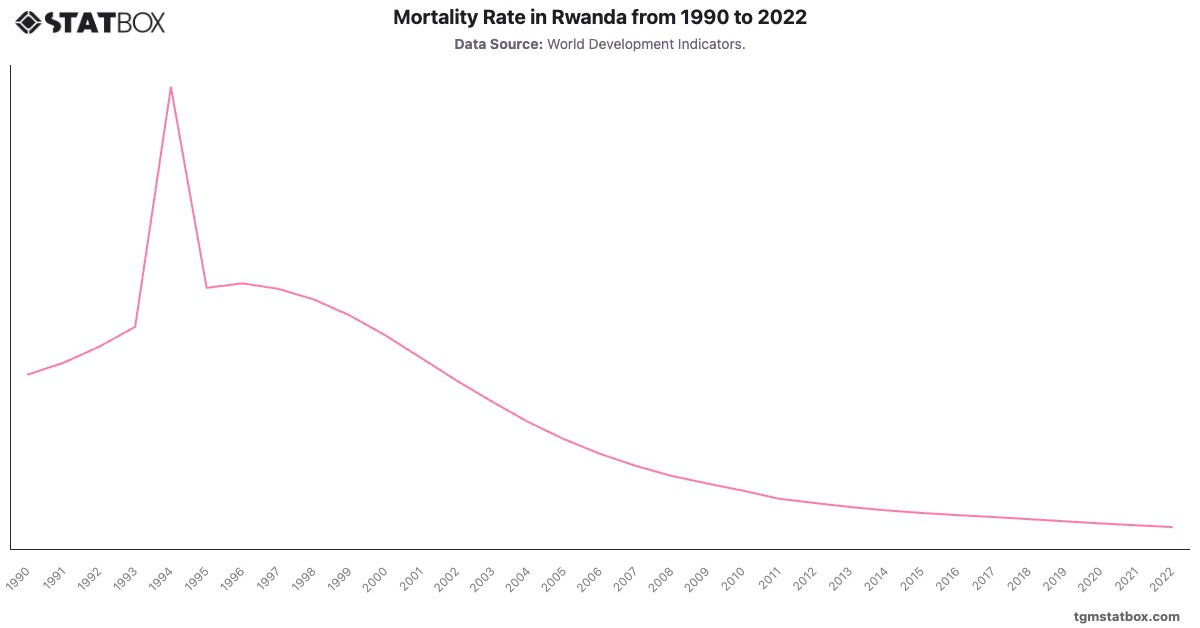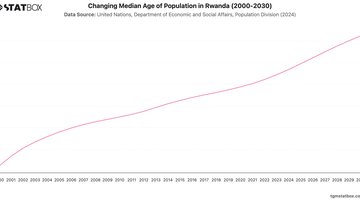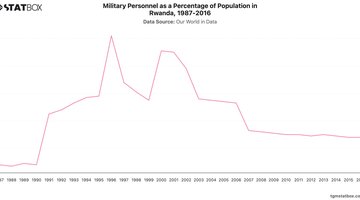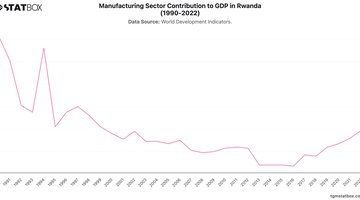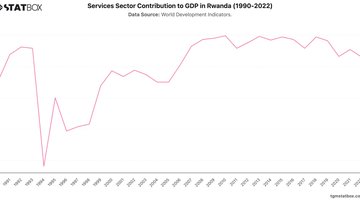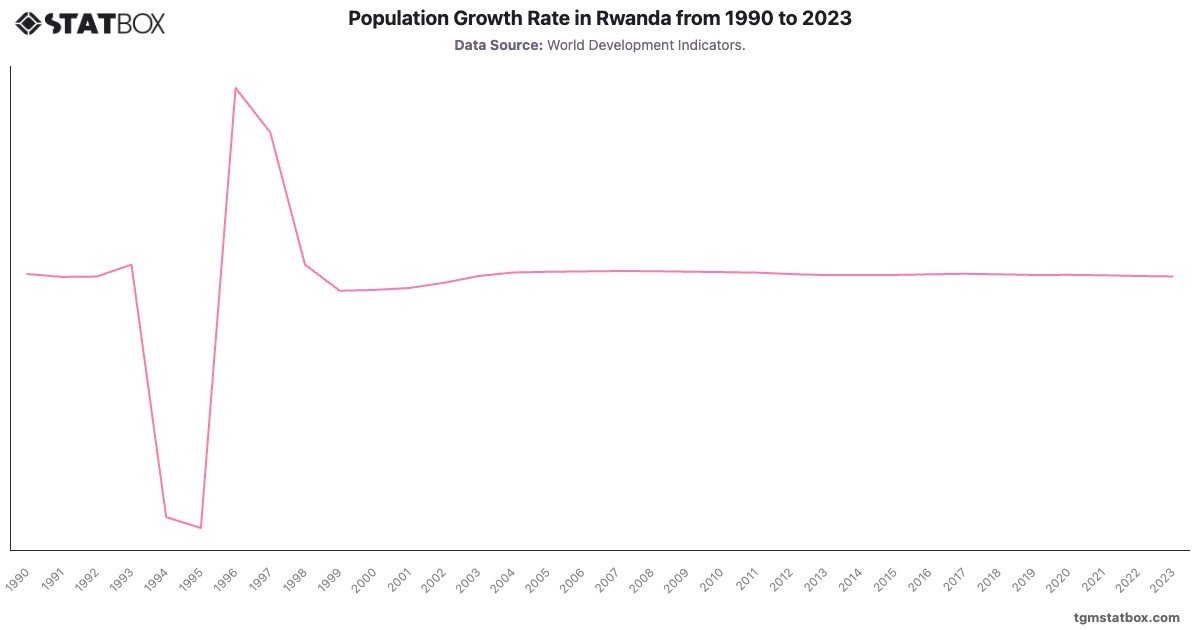
Rwanda's population growth rate has experienced dramatic fluctuations, shaped by historical events and recovery efforts. In the early 1990s, the growth rate hovered around –, reflecting a steady demographic trend. However, the 1994 genocide caused a catastrophic decline, with growth rates plummeting to - in 1994 and - in 1995. These years saw mass displacement, loss of life, and disruption of societal structures, significantly impacting population dynamics.
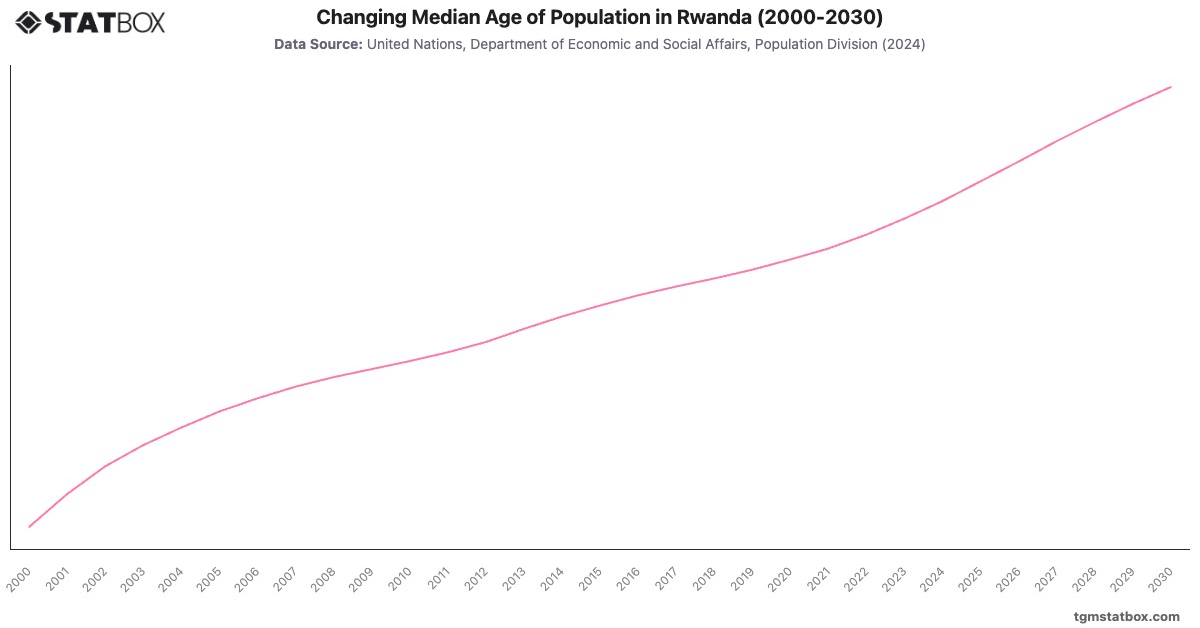
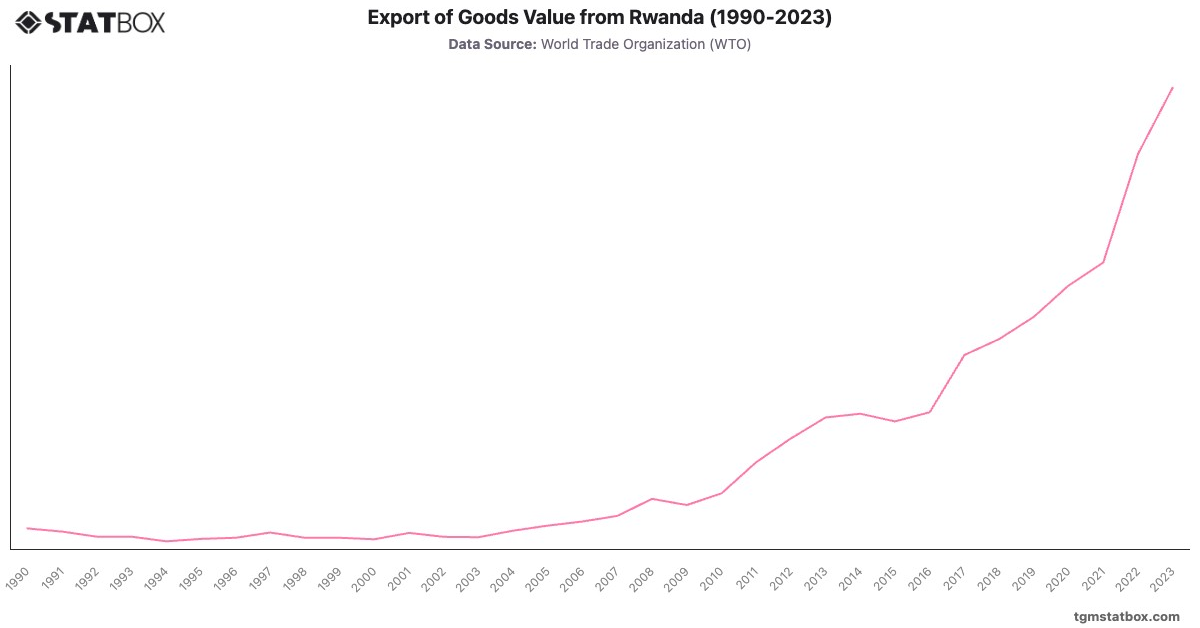
A sharp rebound occurred in 1996, with a remarkable growth rate of of Rwanda's total population, as refugees returned and rebuilding efforts began. This spike gradually normalized, with rates stabilizing to around – between 1998 and 2005. From the mid-2000s onward, sustained economic growth, improved healthcare, and reduced infant mortality supported a steady growth rate of –. By 2023, the rate declined slightly to , reflecting ongoing family planning initiatives and demographic transition as Rwanda moves toward a more stable population structure.
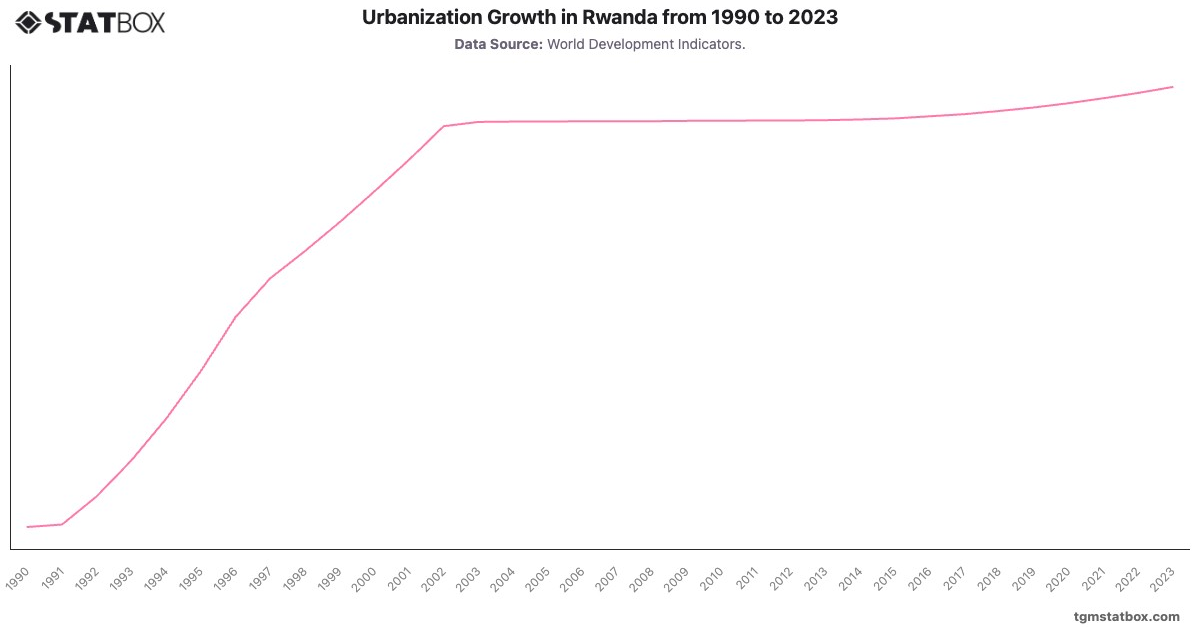
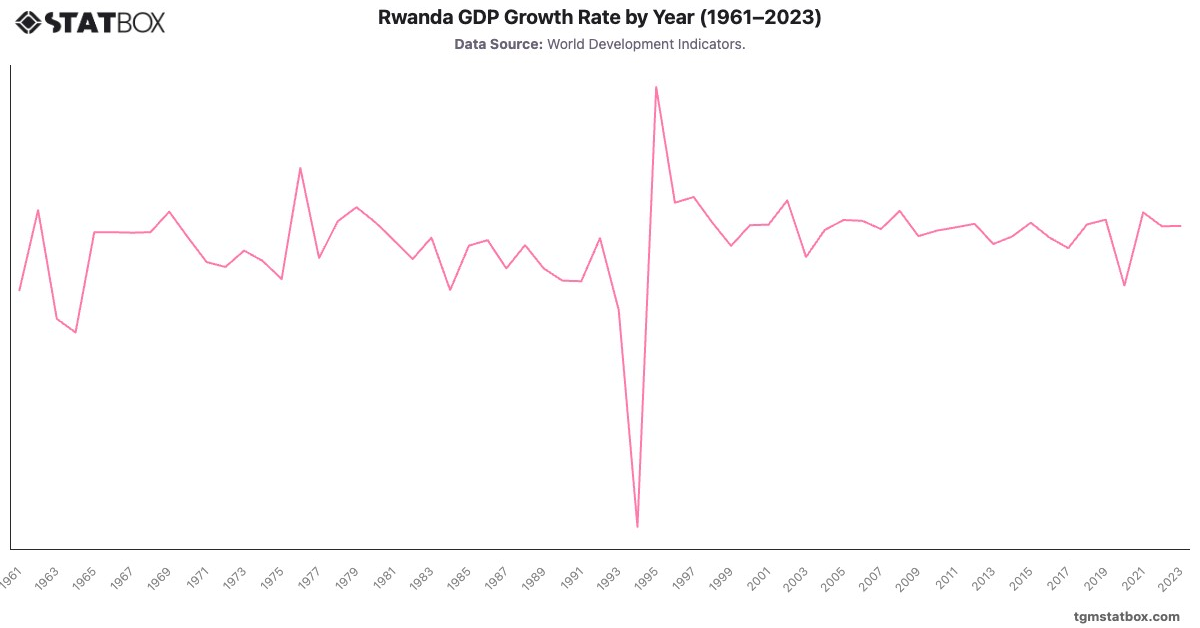
For additional information, visit statistics on Rwanda’s annual GDP growth rate, Rwanda’s urban expansion, Rwanda’s population figures.