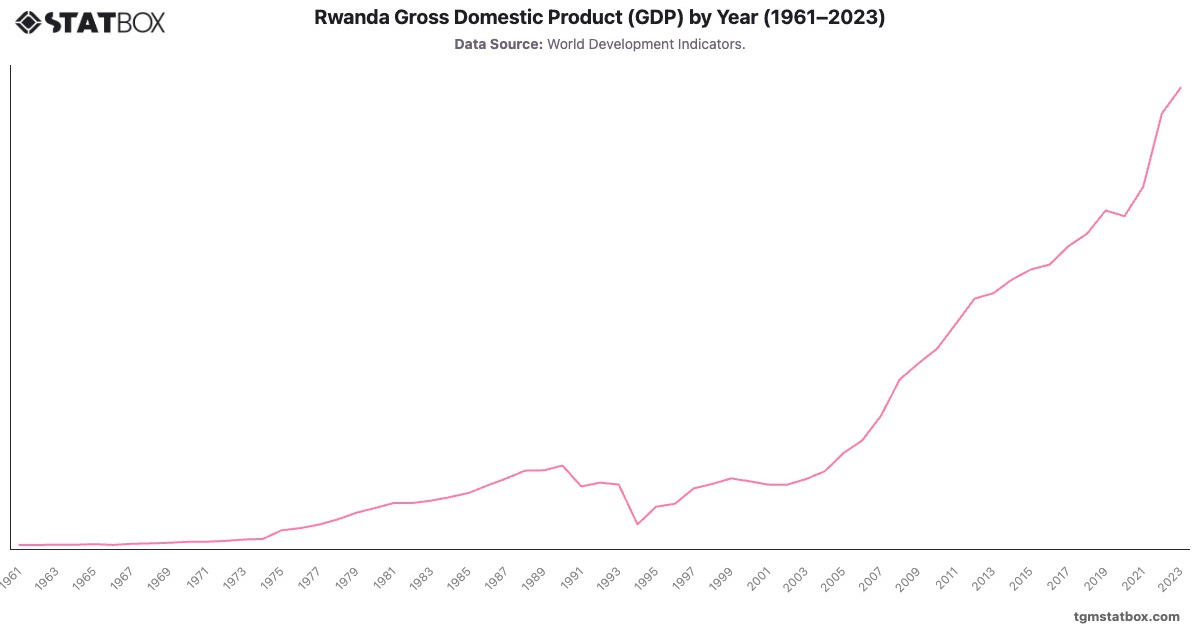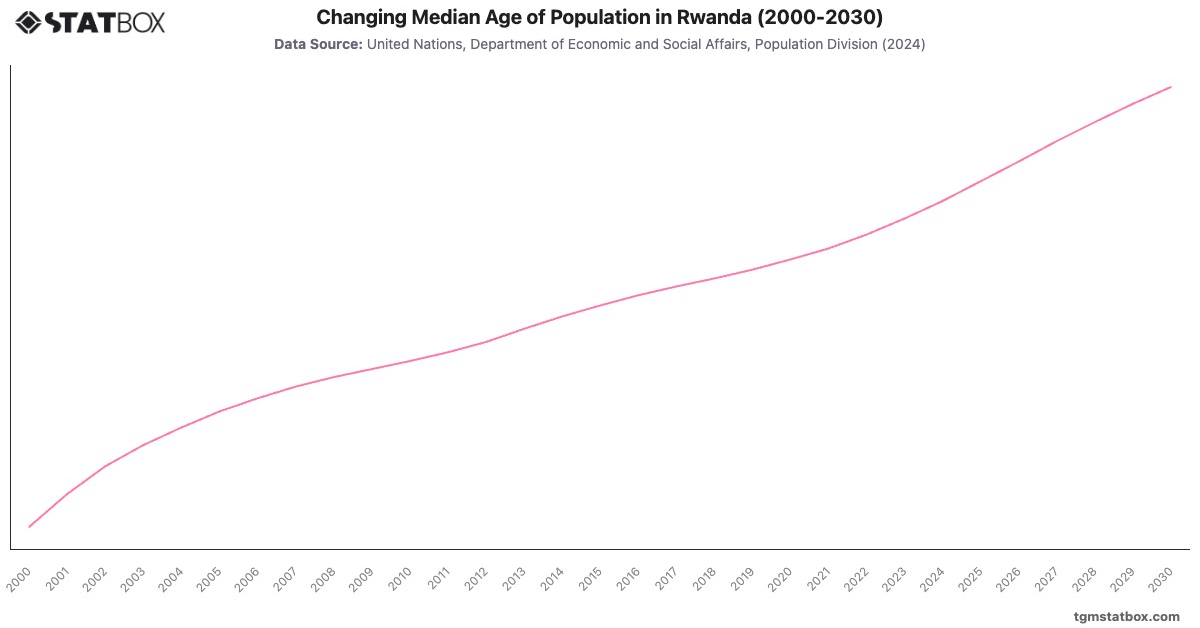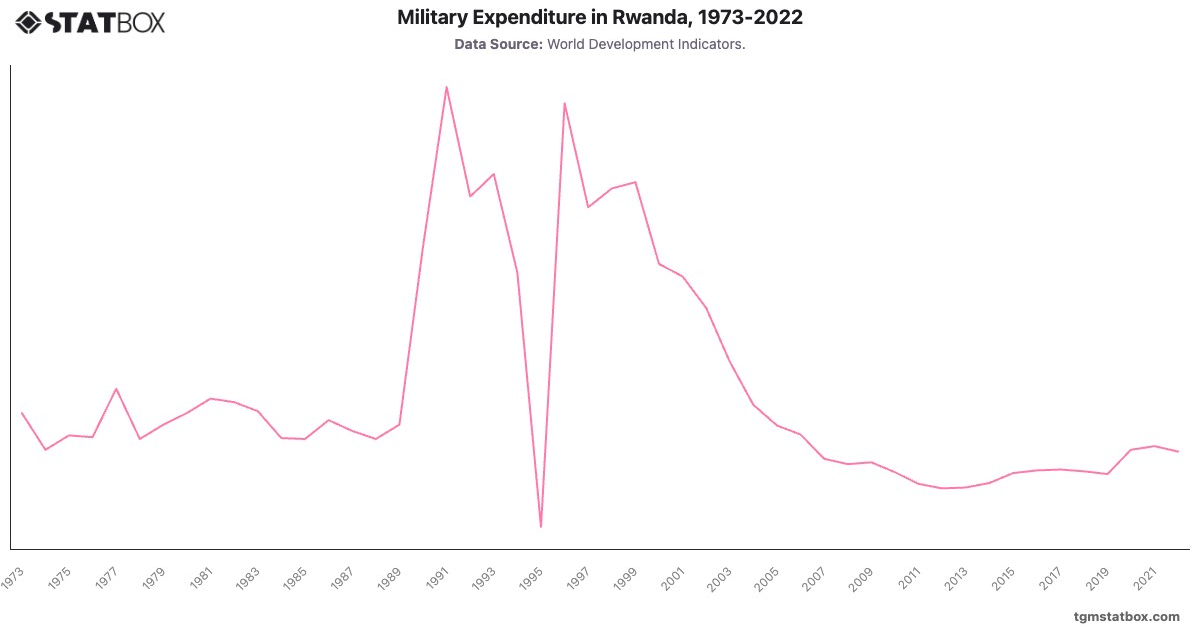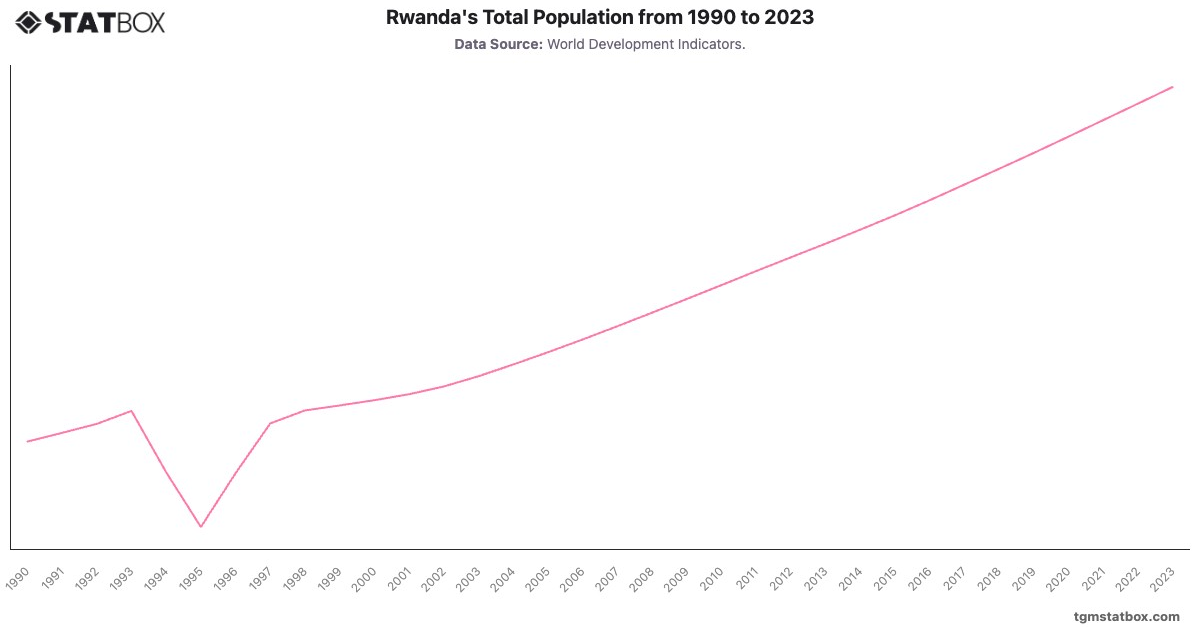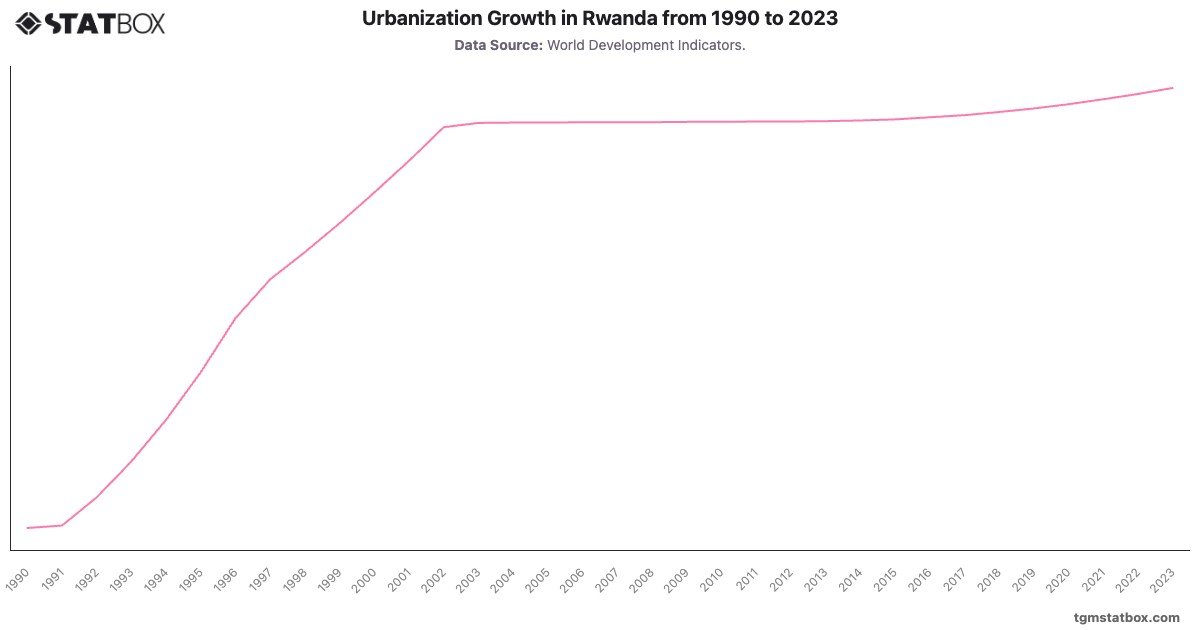
Rwanda's urbanization rate has grown steadily over the past three decades, reflecting the country's gradual shift toward urban living. In 1990, only of the population resided in urban areas. This rate increased significantly during the 1990s, with urbanization accelerating to by 1996. The post-genocide recovery period saw substantial rural-to-urban migration, as people sought better economic opportunities and services in urban centers.
From 2000 onwards, the urbanization rate experienced a more gradual increase, reaching by 2007 and remaining relatively stable for the next several years. This stagnation was likely influenced by Rwanda's efforts to promote balanced regional development and reduce pressure on urban infrastructure. However, from 2015 onwards, urbanization resumed its upward trajectory, climbing to by 2023. This growth aligns with Rwanda's Vision 2050 strategy, emphasizing urban development and economic transformation. Despite progress, urbanization remains modest, underscoring Rwanda's predominantly rural demographic.
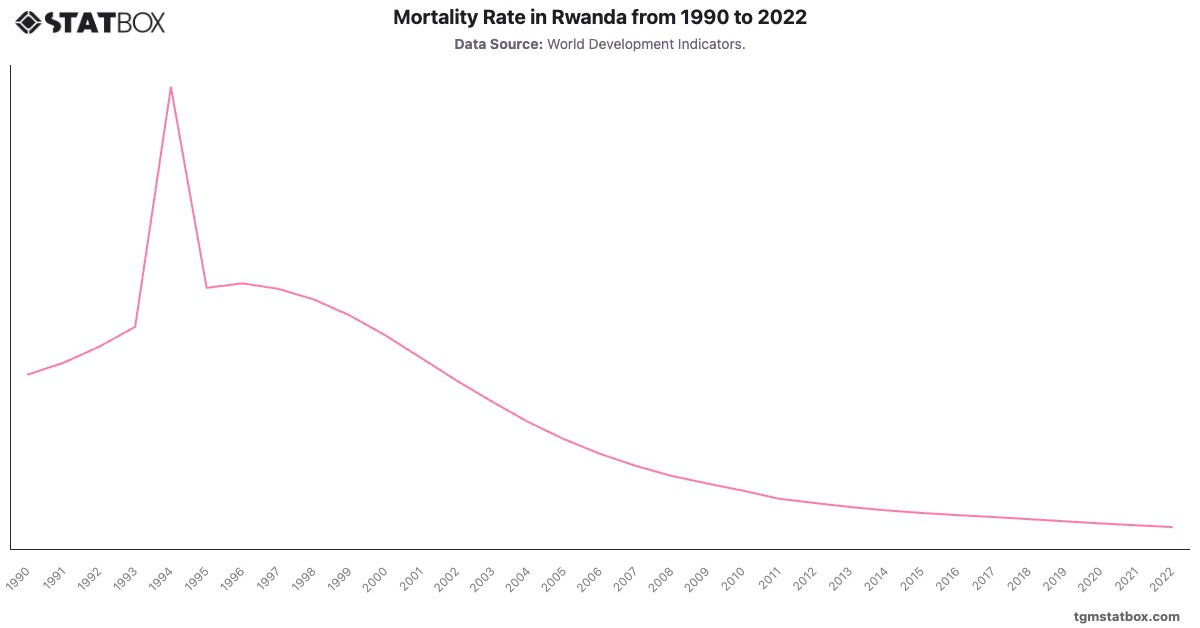
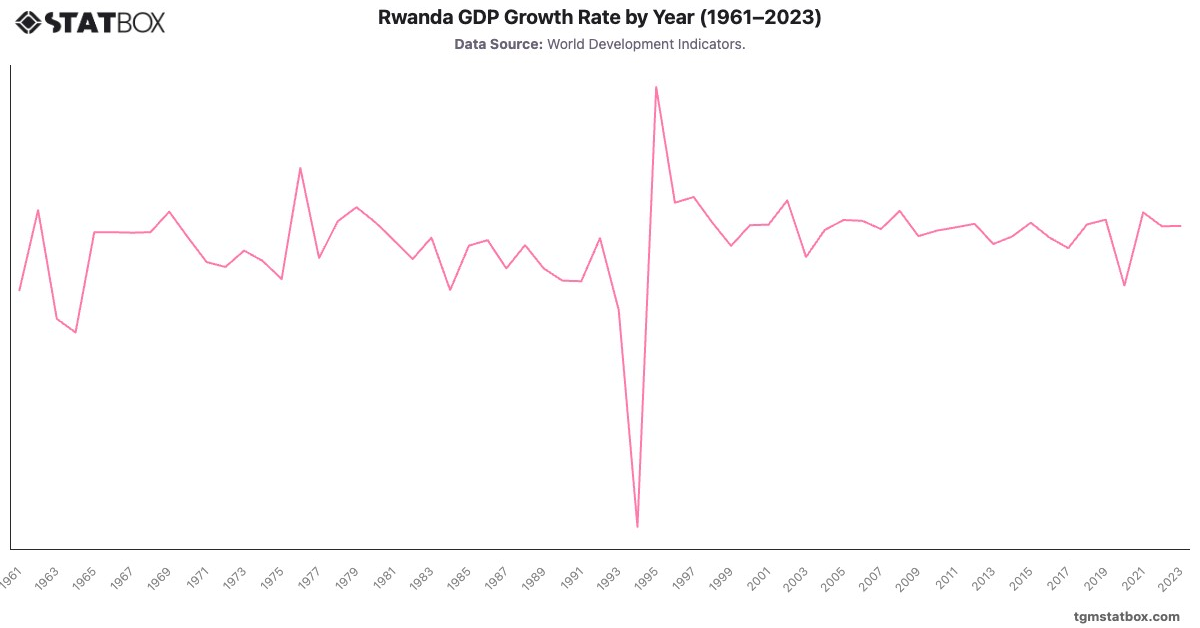
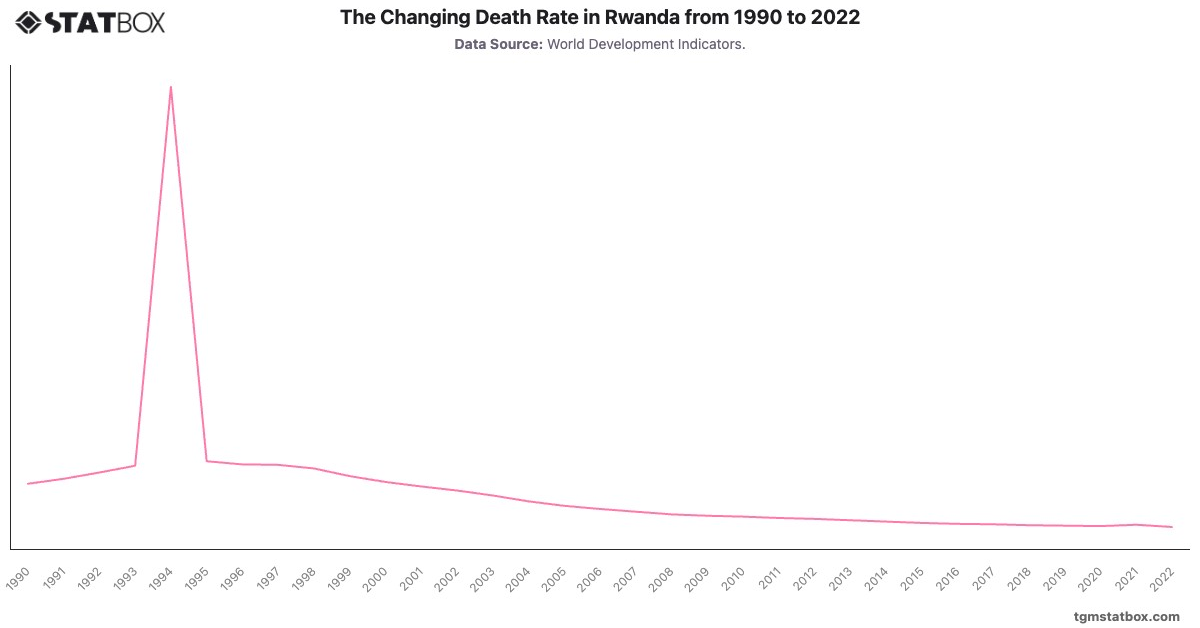
For a broader context, visit other statistics on Rwanda’s mortality rate, Rwanda’s population growth rate, Rwanda’s annual GDP growth rate.