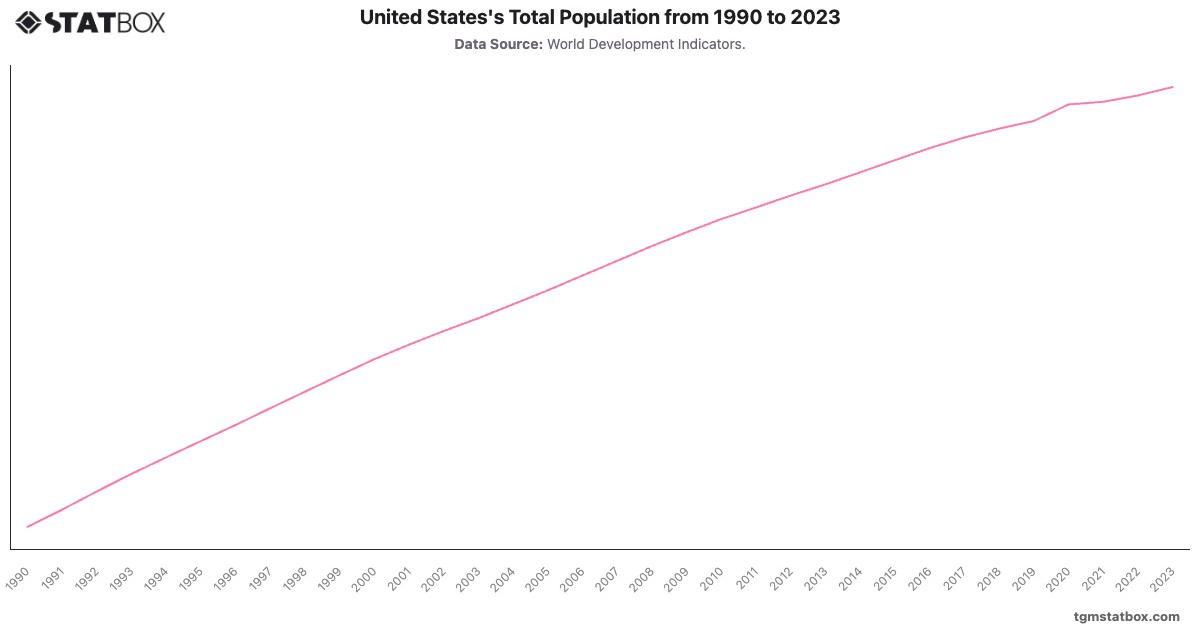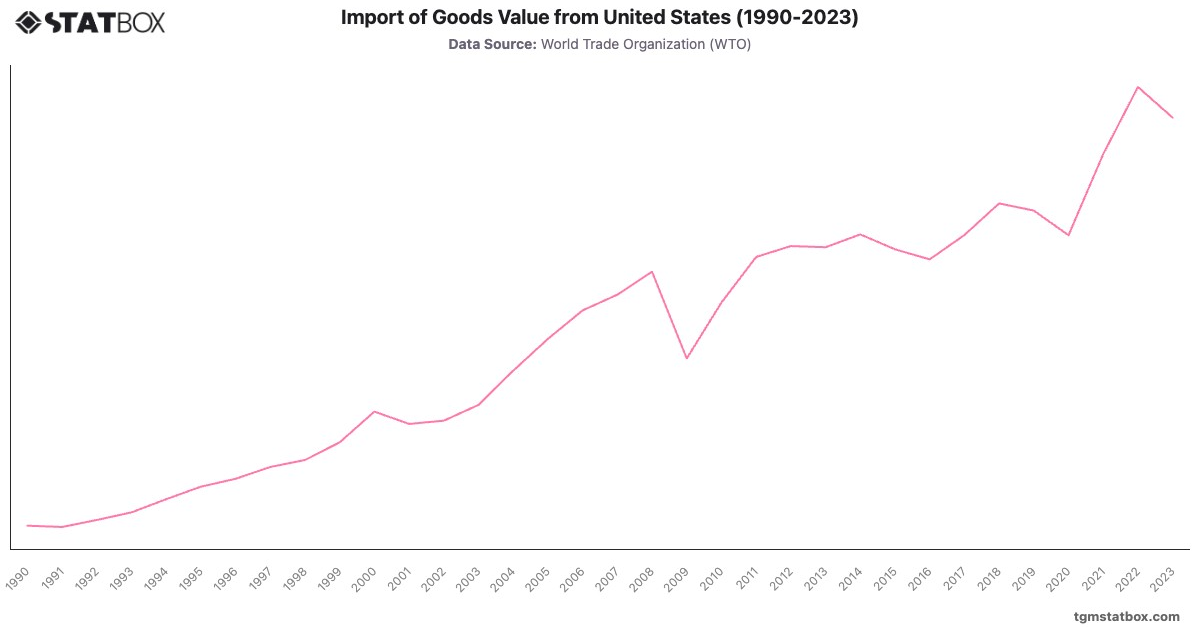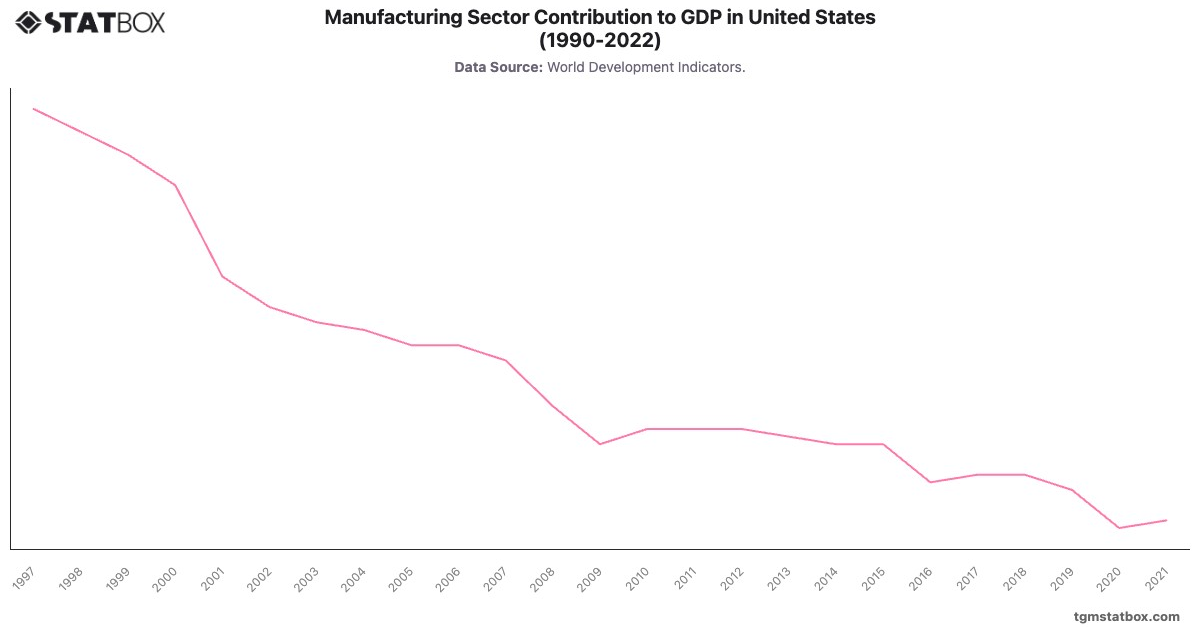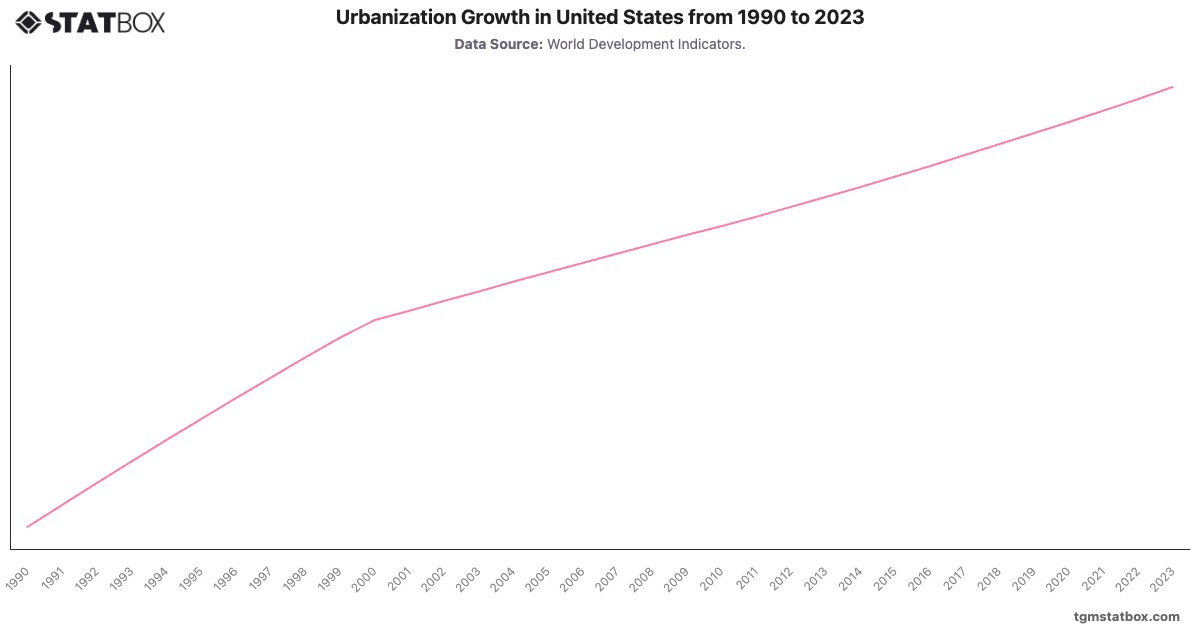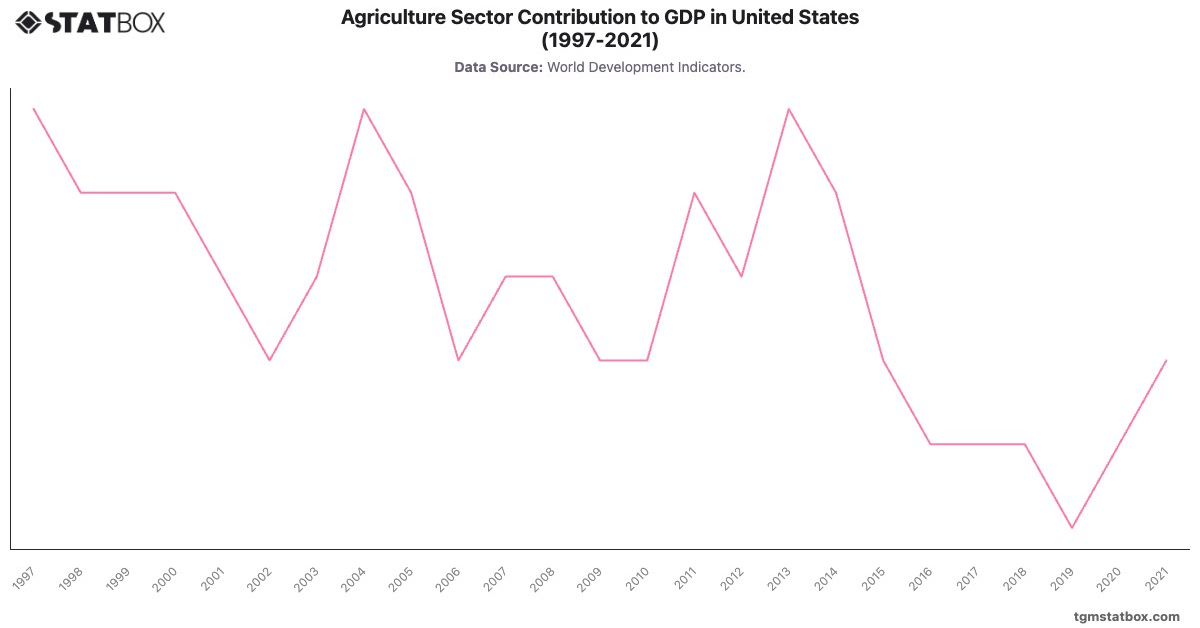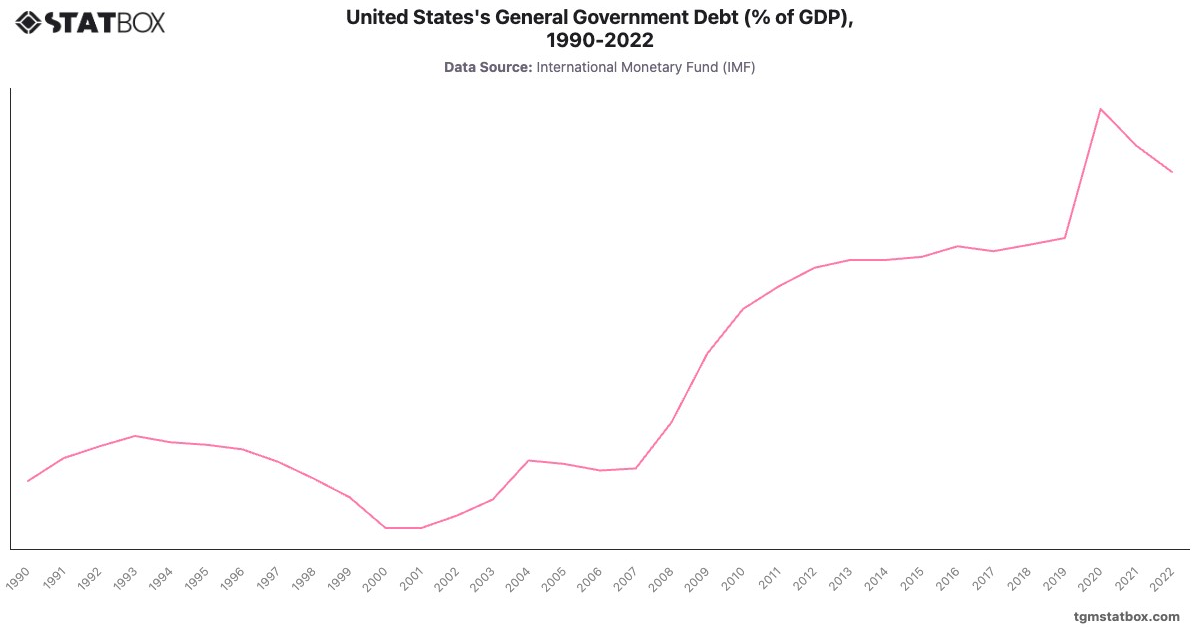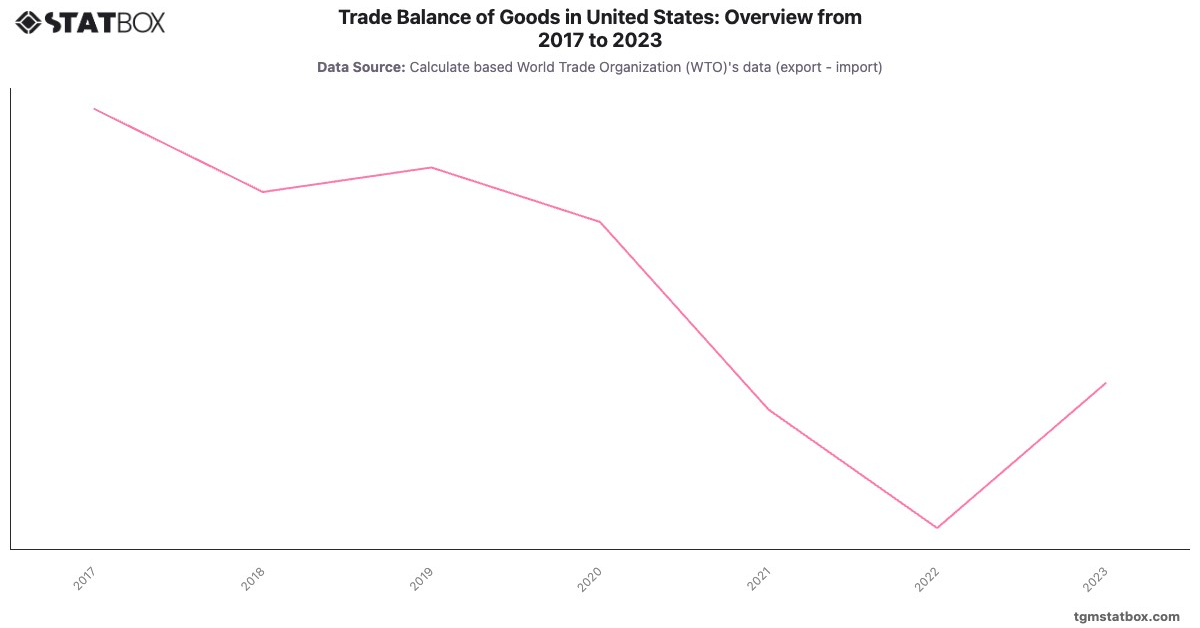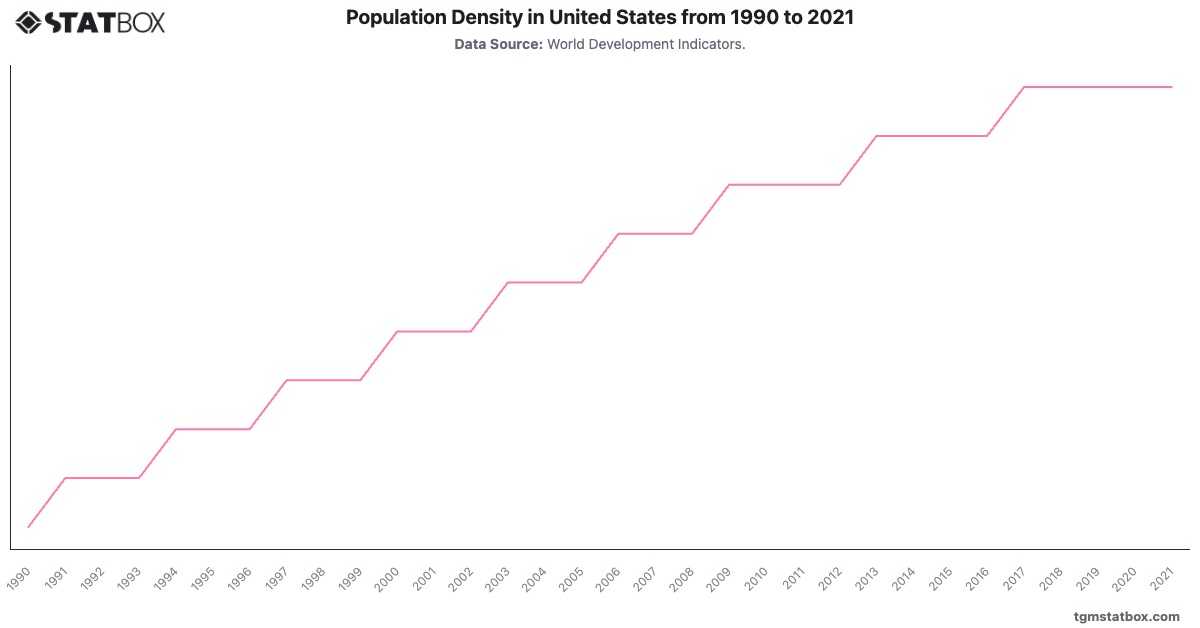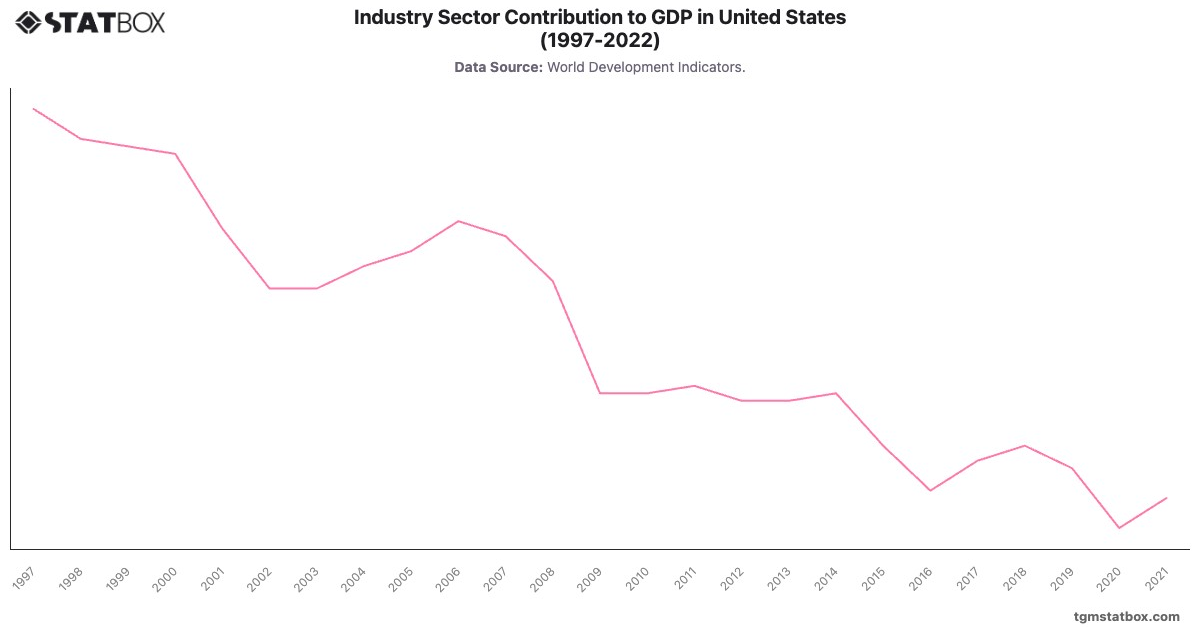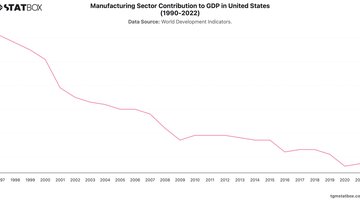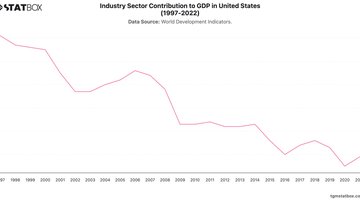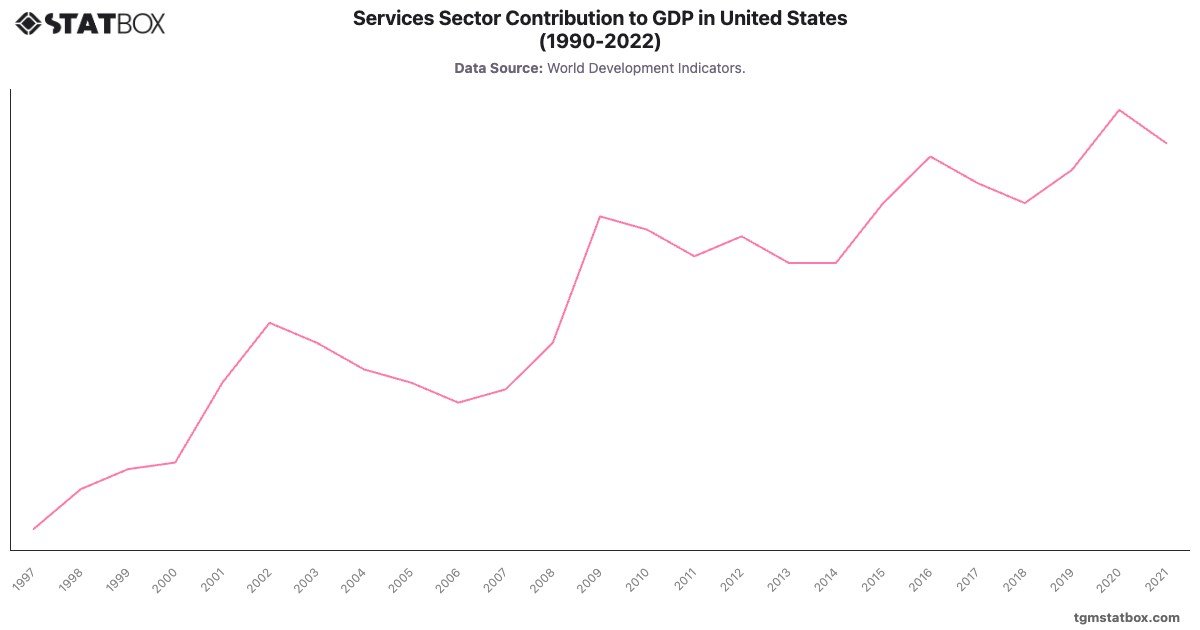
The United States has consistently maintained a high services sector contribution to GDP, reflecting its advanced, service-oriented economy. In 1997, services contributed to GDP, and by 2000, this figure rose to , with a slight uptick during the tech boom era. The early 2000s saw the sector’s contribution fluctuate slightly, peaking in 2009 at during the global financial crisis, when manufacturing and other sectors faced significant downturns. Post-2009, the services sector remained a primary economic driver, stabilizing around to as the U.S. economy recovered. In 2020, amid the COVID-19 pandemic, services peaked again at due to increased digitalization, healthcare, and financial services activity, with slight dips following as the economy adjusted post-pandemic. This consistent rise underscores the U.S. economy's reliance on services such as finance, healthcare, and information technology, reflecting both domestic demand and global competitiveness in these sectors.
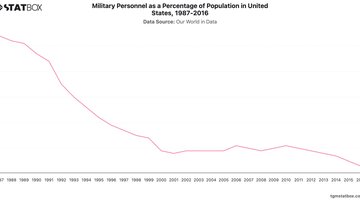
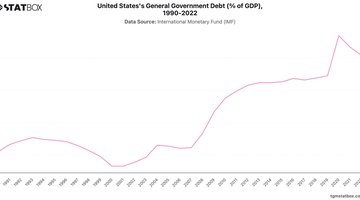
Explore related charts to gain a better understanding of Industry sector’s share in US GDP, United States annual GDP growth rate, US life span estimate.