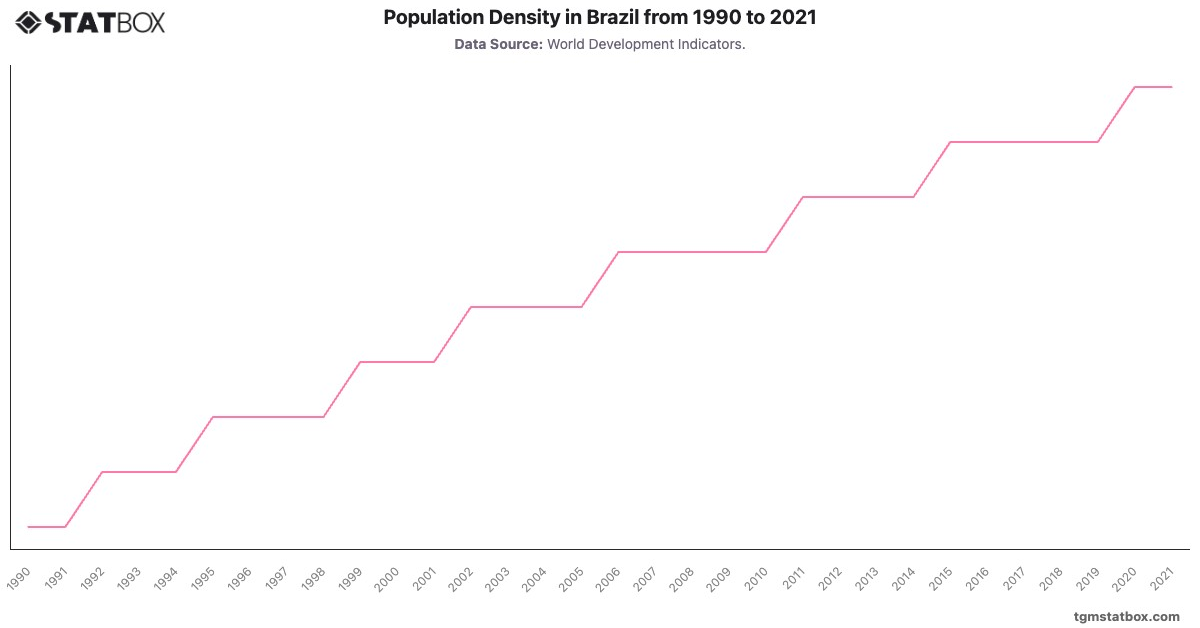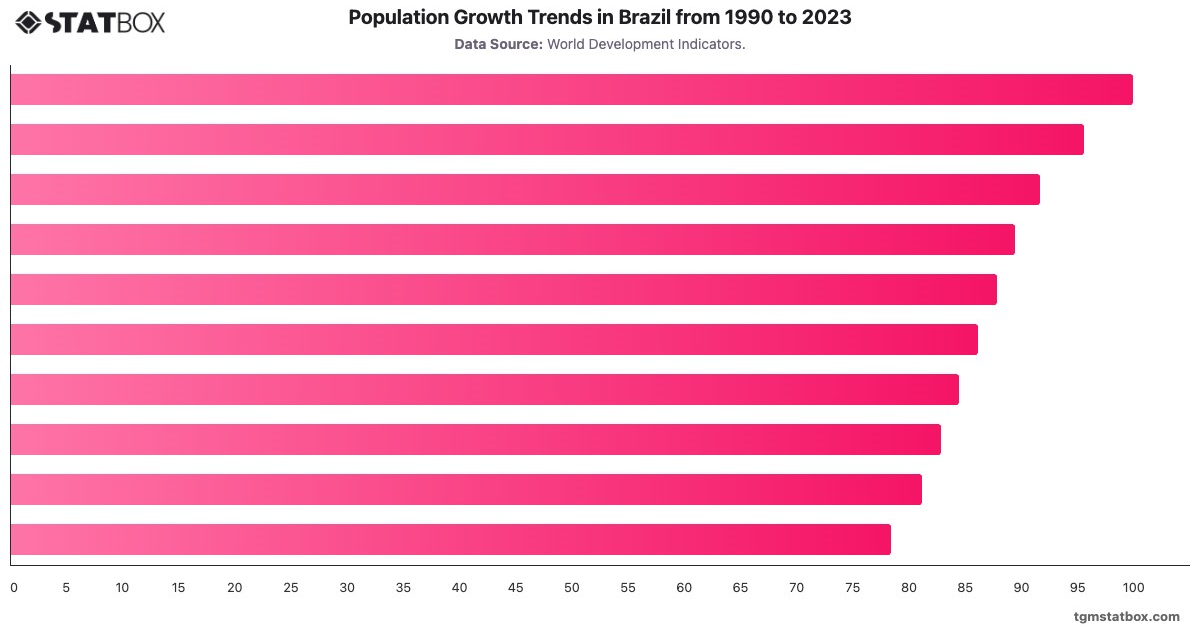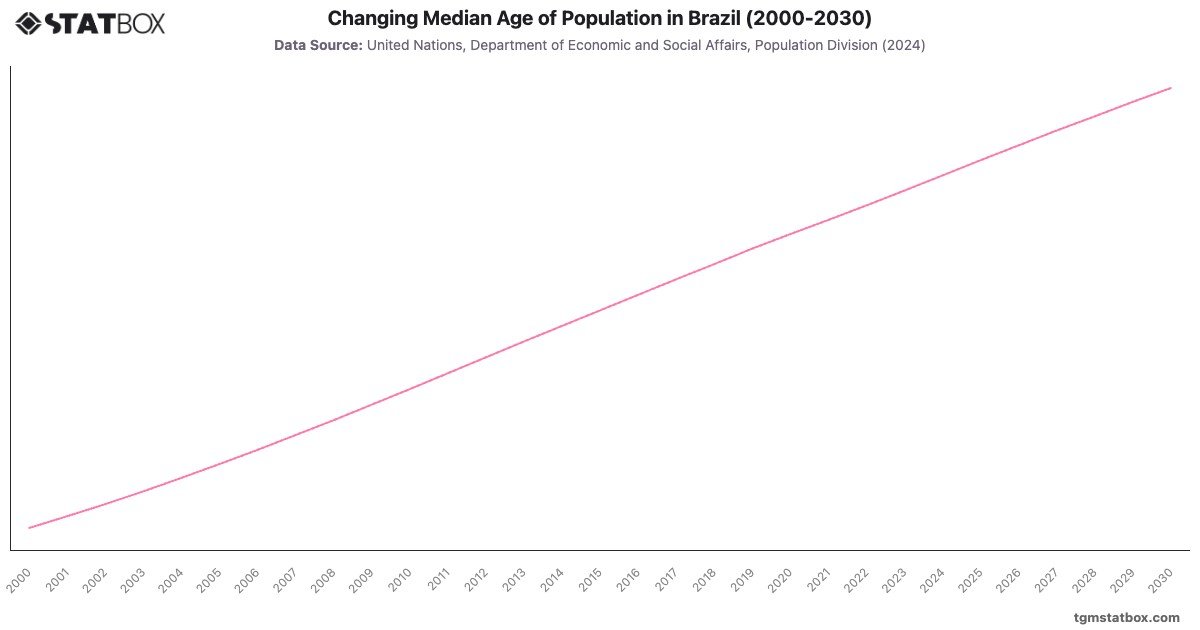
Brazil’s median age has shifted from 24.2 in 2000 to 32.7 in 2020, reflecting a notable aging trend in the region. Economic improvements in the early 2000s and enhanced healthcare systems contributed to increased life expectancy, while family planning programs led to a reduction in birth rates. This demographic shift has seen a steady annual rise of 0.5 years or more as Brazil transitions from a youthful to a more mature age profile.
By 2030, the median age is projected to reach 36.9 years. This aging trend is consistent with the overall demographic transition in Latin America as birth rates decline. With a maturing population, Brazil may experience shifts in labor force dynamics and a heightened need for elderly care, prompting policy adaptation in areas like healthcare and retirement systems.
By 2030, the median age is projected to reach 36.9 years. This aging trend is consistent with the overall demographic transition in Latin America as birth rates decline. With a maturing population, Brazil may experience shifts in labor force dynamics and a heightened need for elderly care, prompting policy adaptation in areas like healthcare and retirement systems.
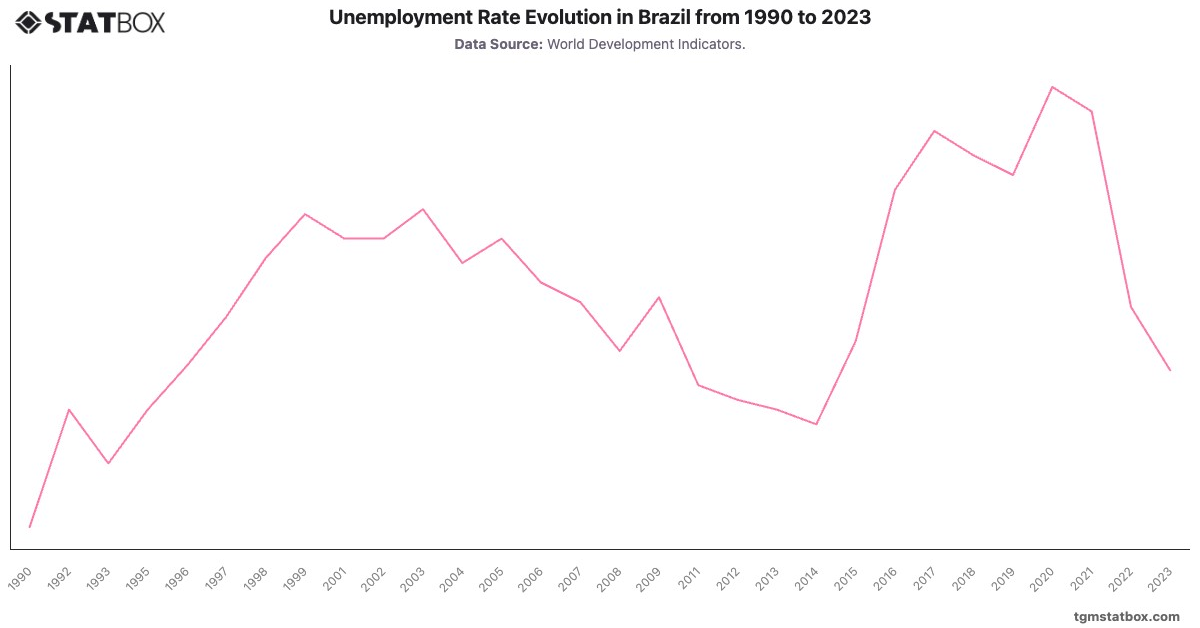
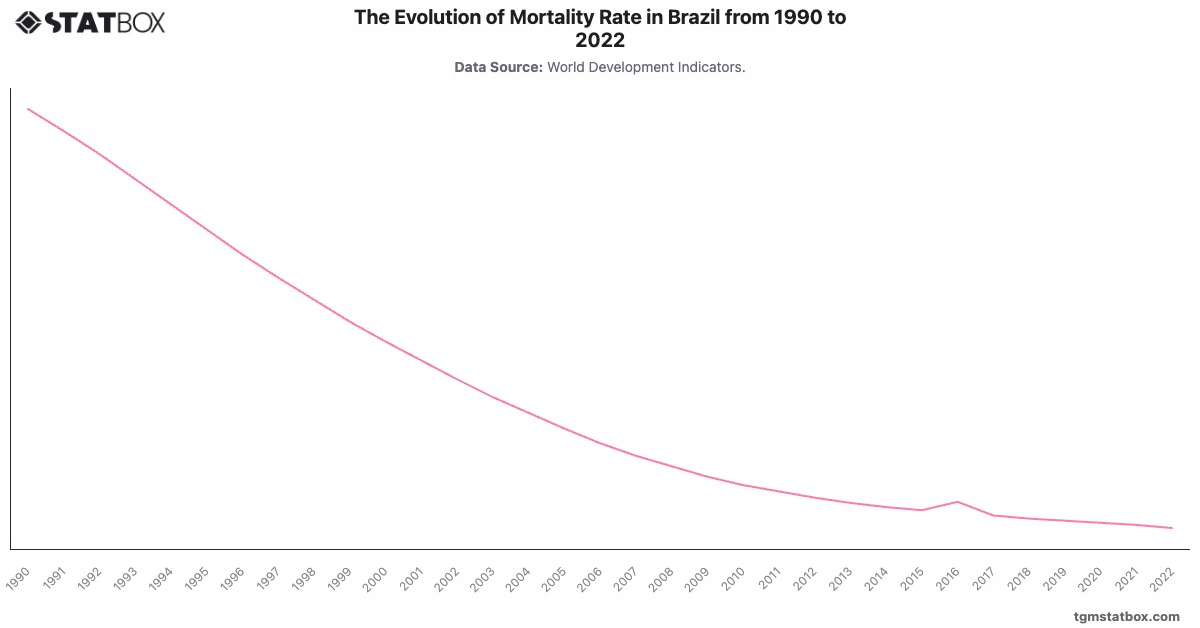
Gain a broader perspective by reviewing Brazil’s unemployment rate, Brazil’s fluctuating death rate, Brazil’s agriculture share in GDP.