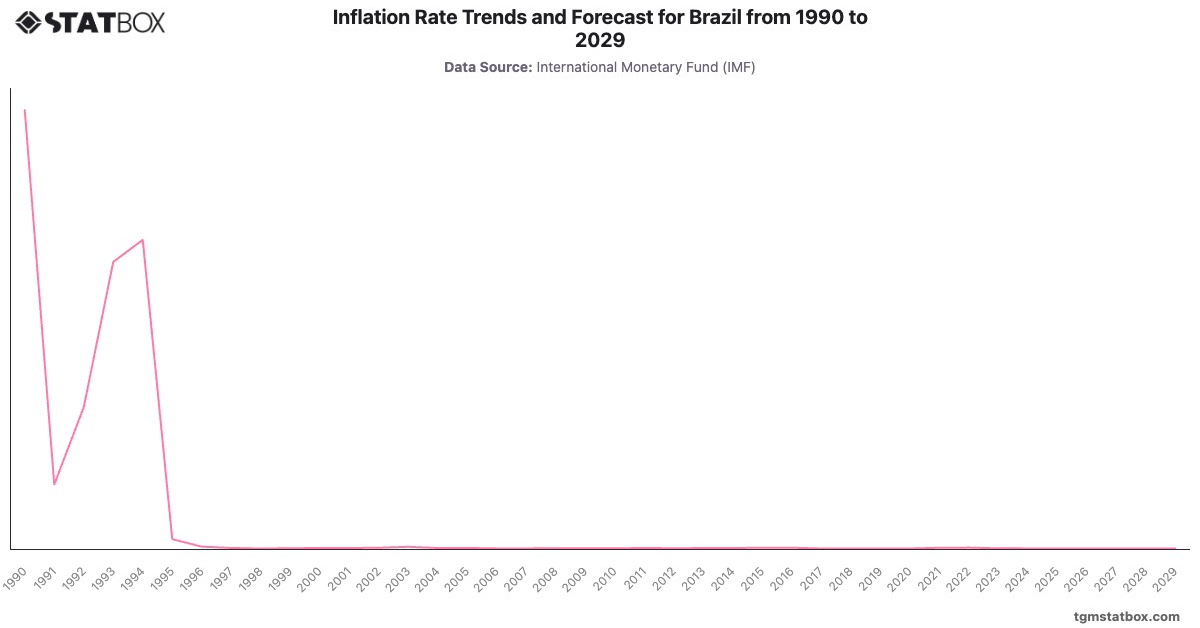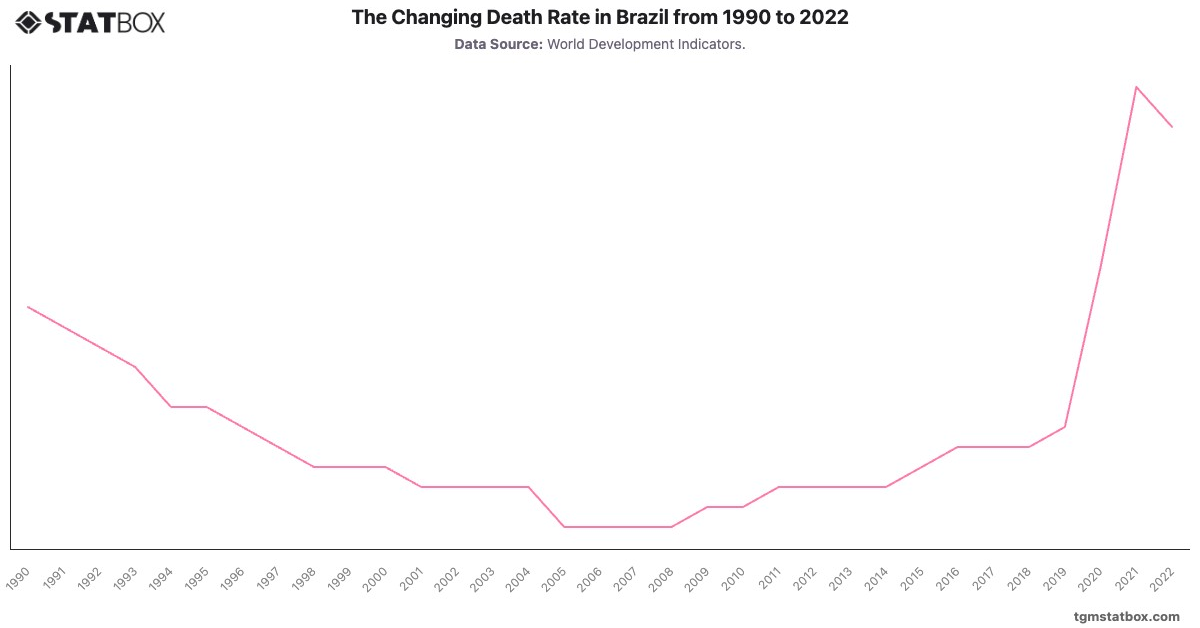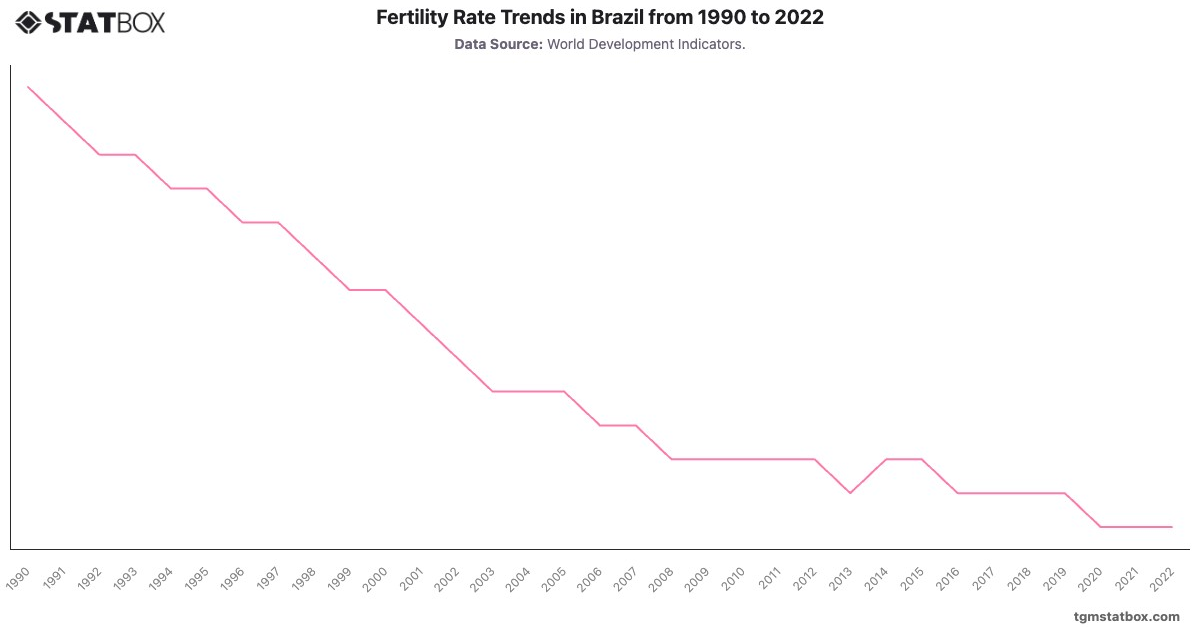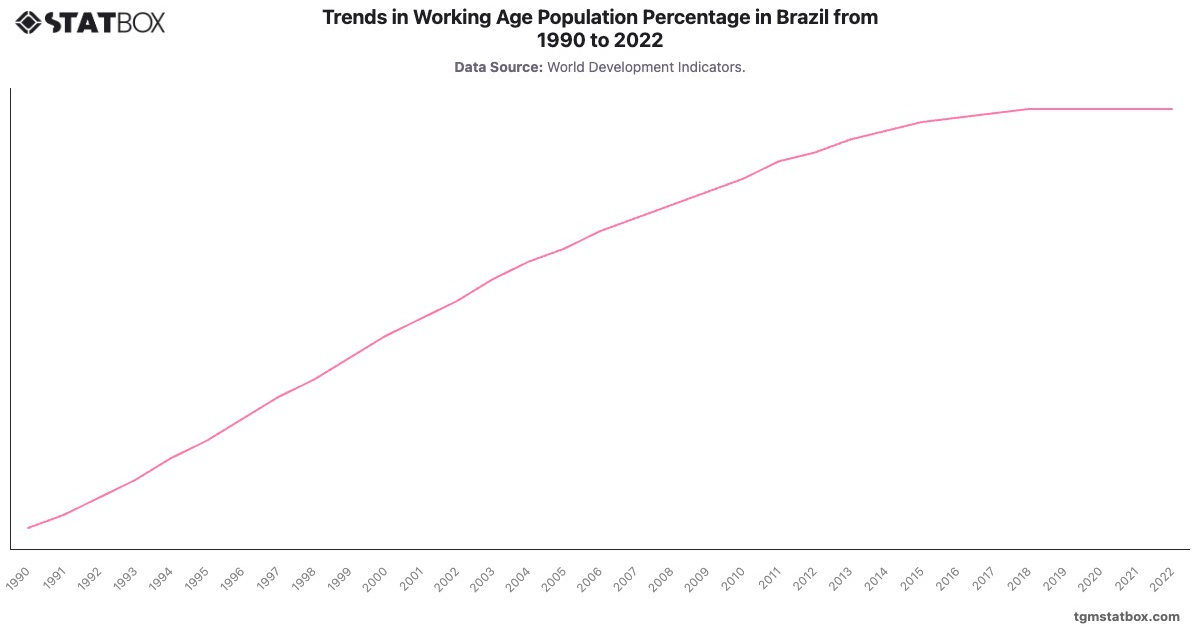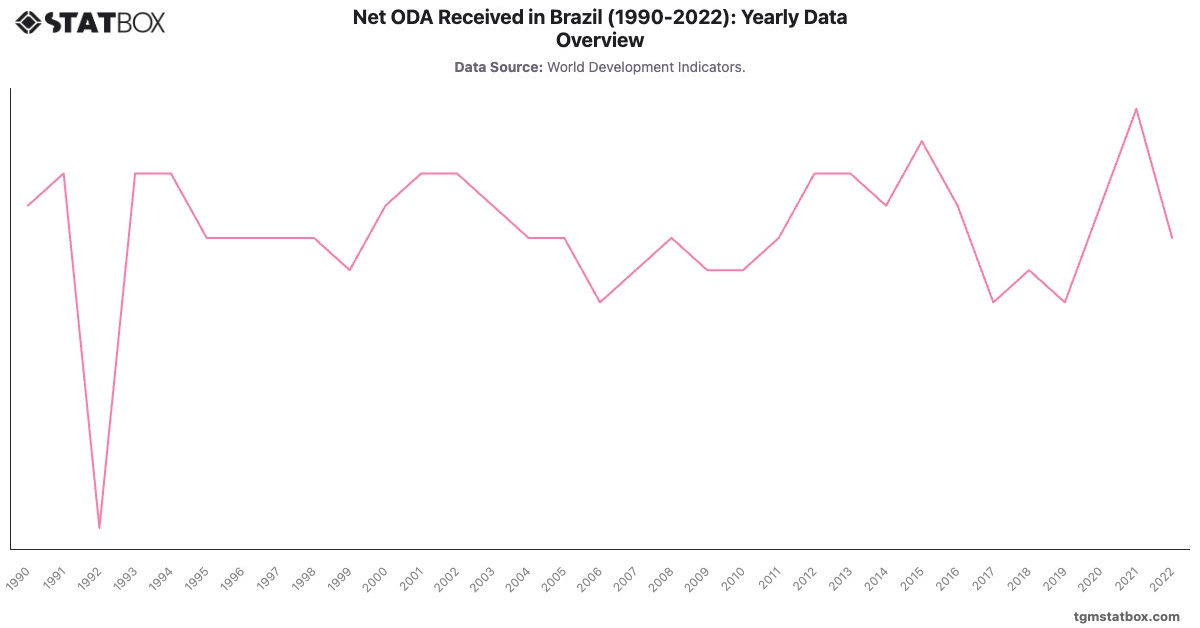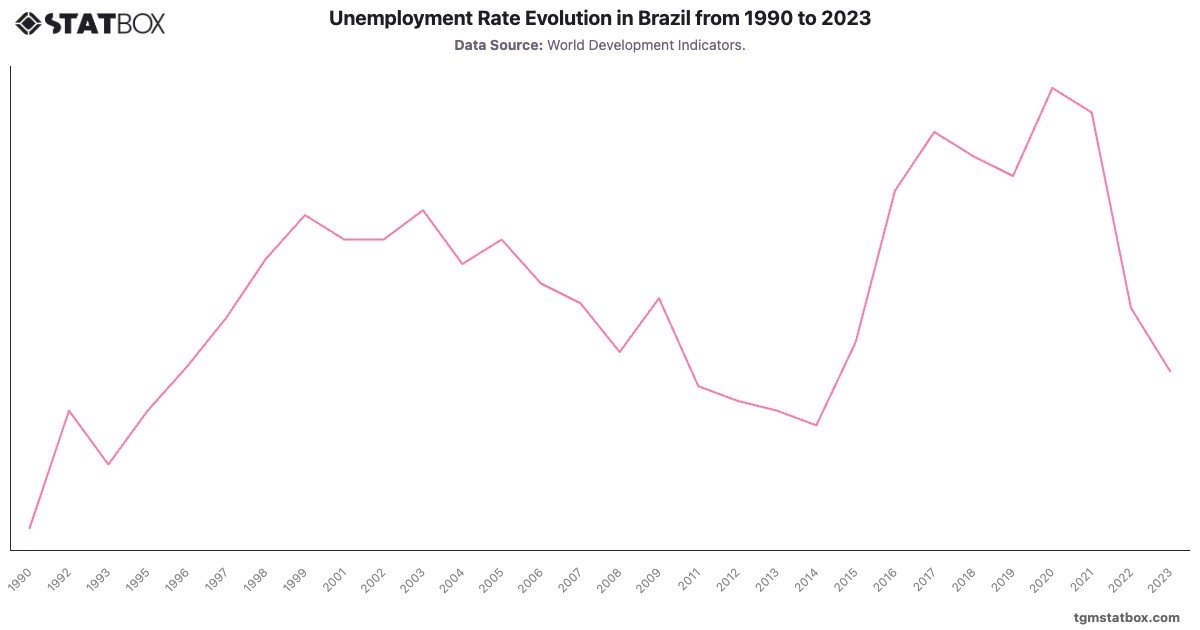
Brazil’s unemployment rate showcases the economic shifts the country has undergone, from inflation control measures in the early 1990s to economic expansion in the 2000s. Starting at a moderate in 1990, unemployment rose steadily, peaking at by 2003 as Brazil dealt with inflation and fiscal challenges. With a growing economy in the mid-2000s, unemployment rates dropped to a low of by 2014.
The following years marked another challenging phase as Brazil faced economic stagnation and political instability, driving unemployment to a high of in 2020 due to the COVID-19 pandemic. However, by 2023, Brazil’s unemployment rate had dropped to , reflecting a cautious recovery.
The following years marked another challenging phase as Brazil faced economic stagnation and political instability, driving unemployment to a high of in 2020 due to the COVID-19 pandemic. However, by 2023, Brazil’s unemployment rate had dropped to , reflecting a cautious recovery.
For a broader context, visit other statistics on Brazil’s working-age population ratio, Brazil’s agriculture share in GDP, Brazil’s military personnel proportion.