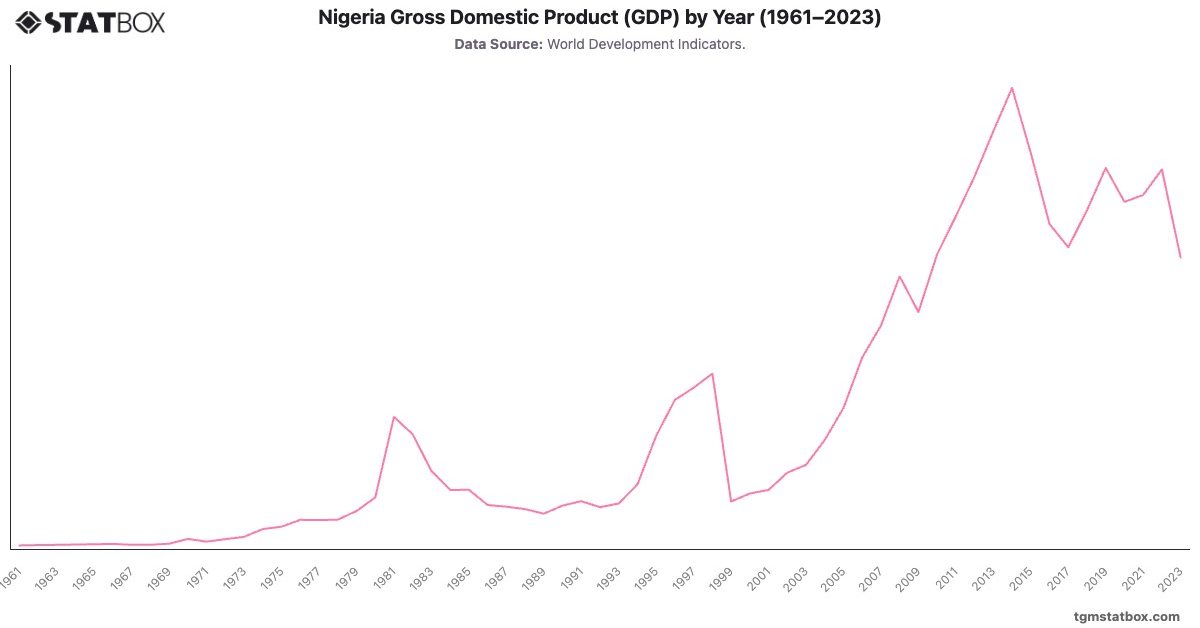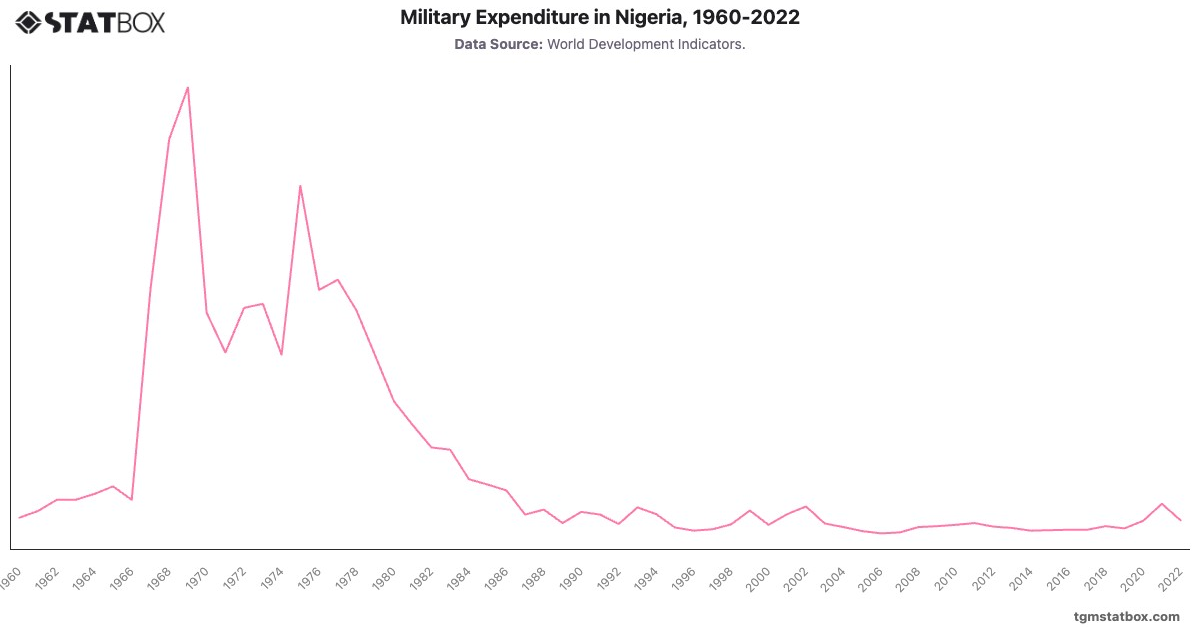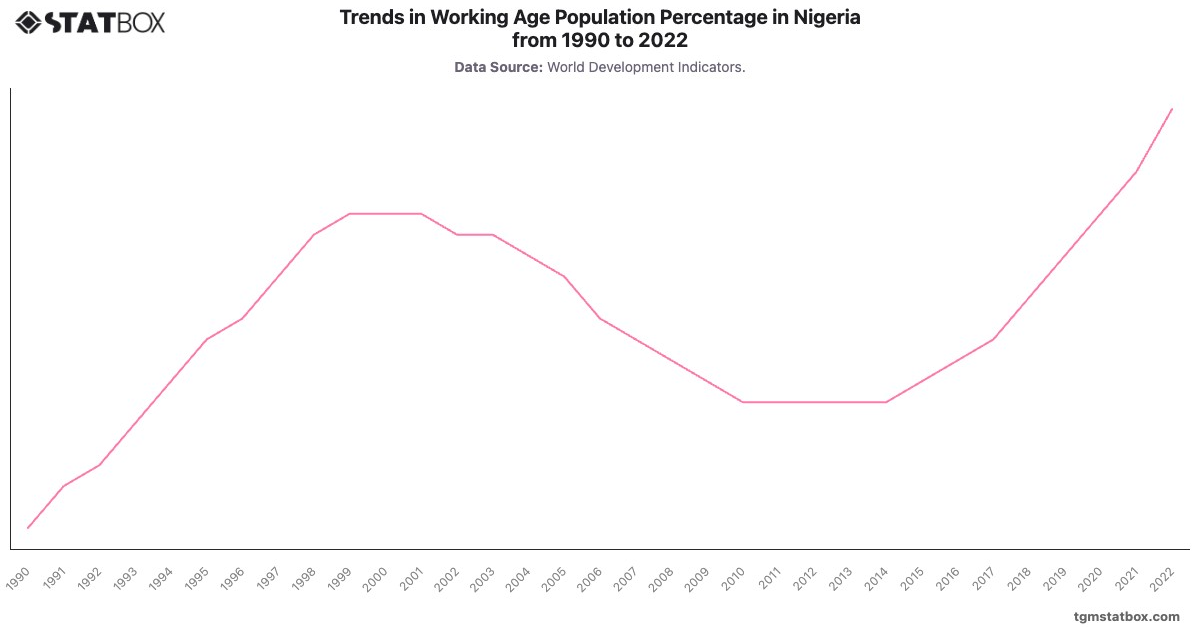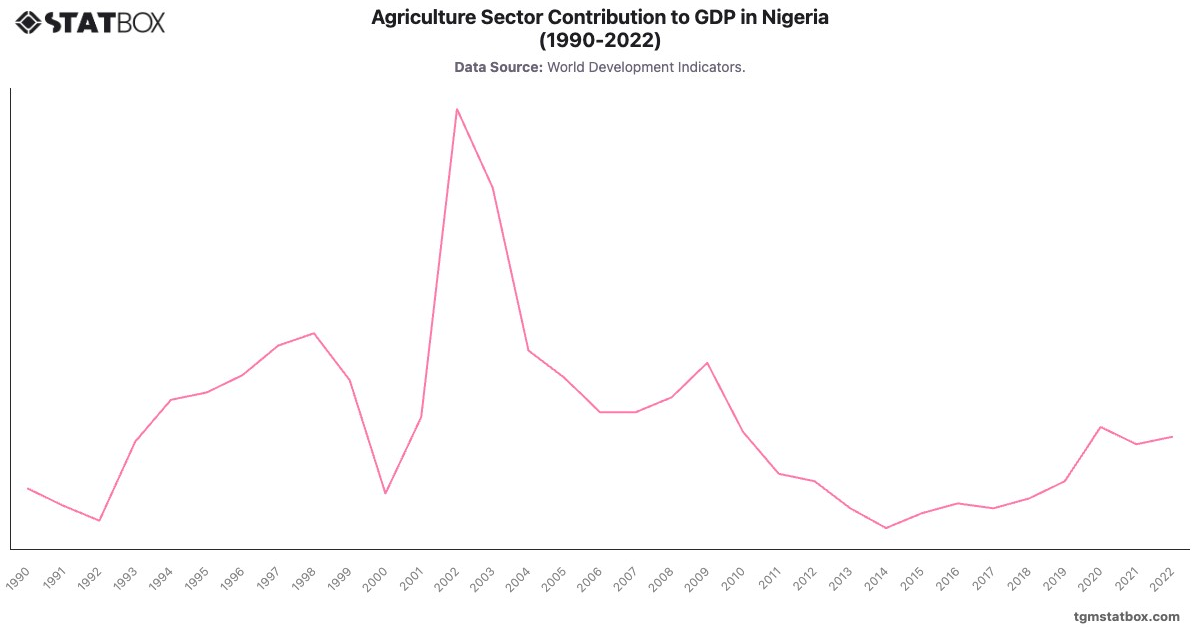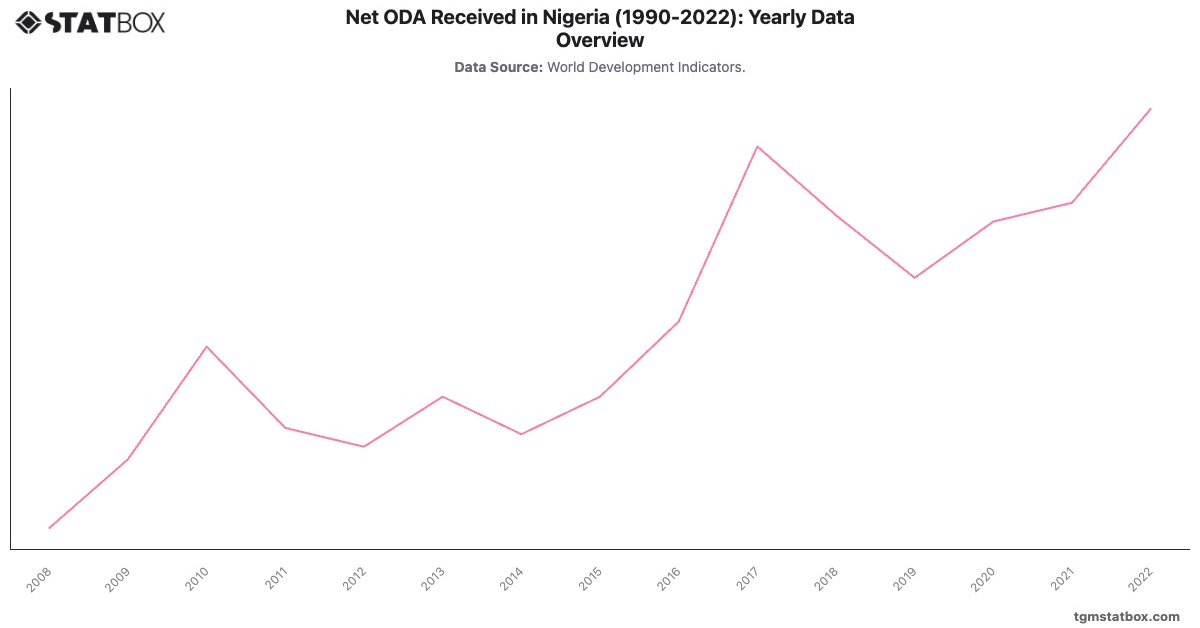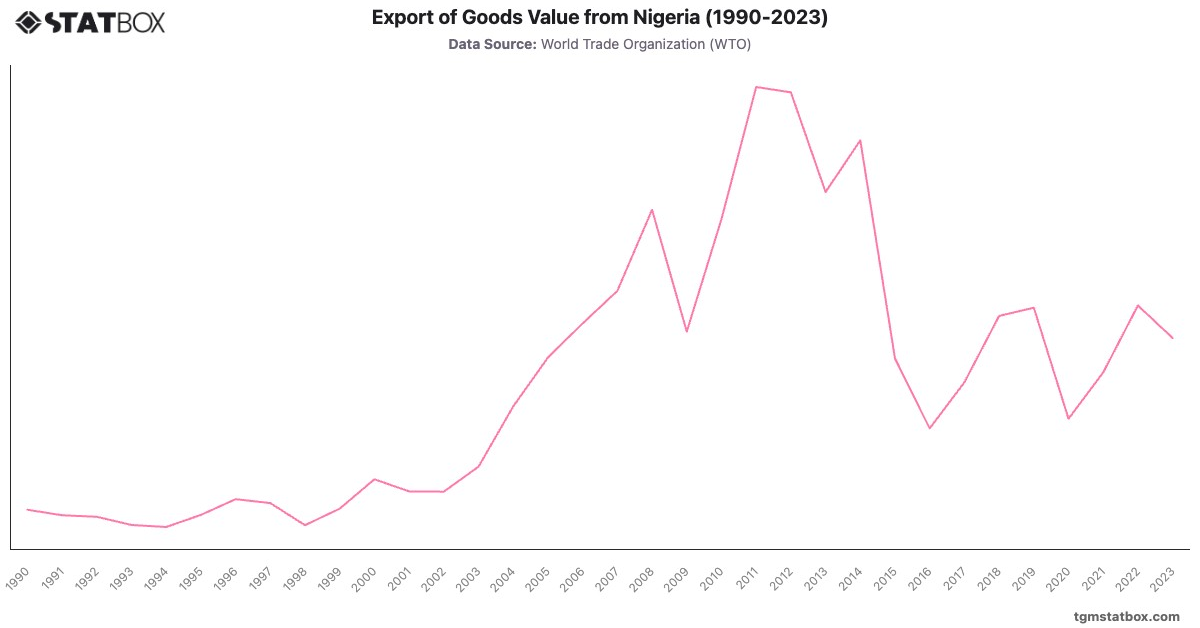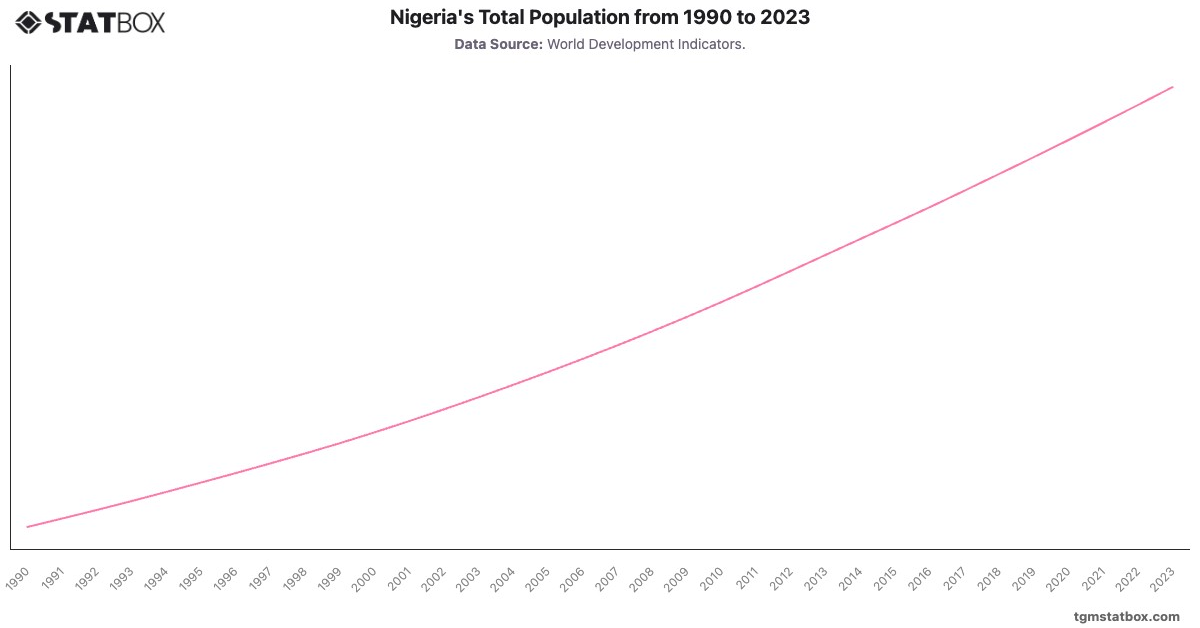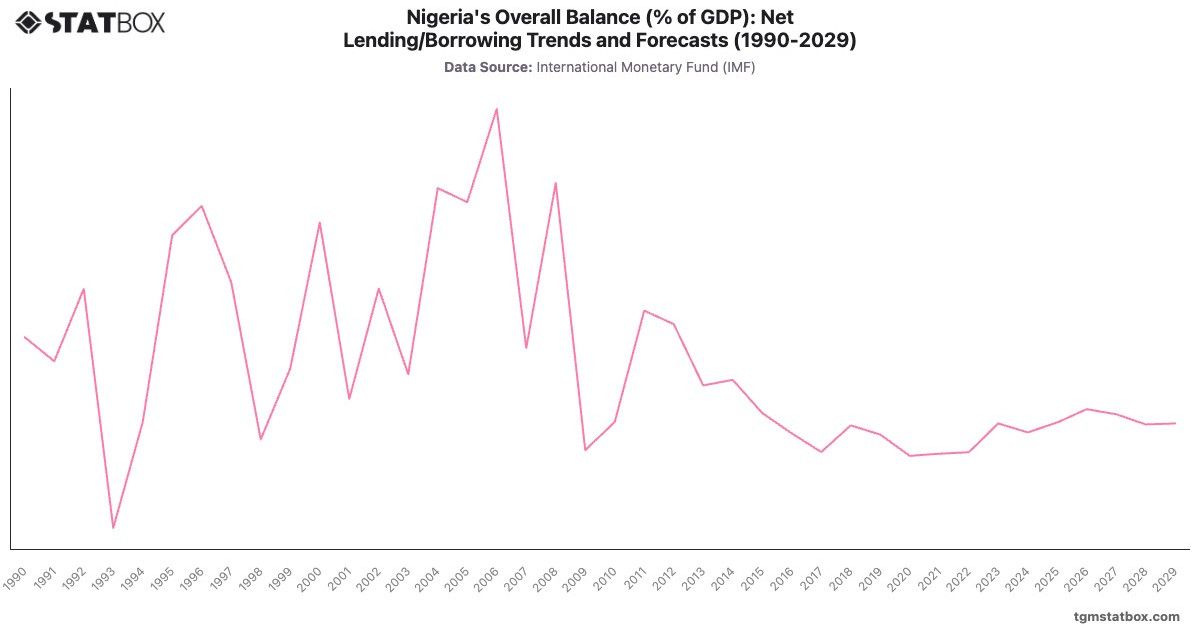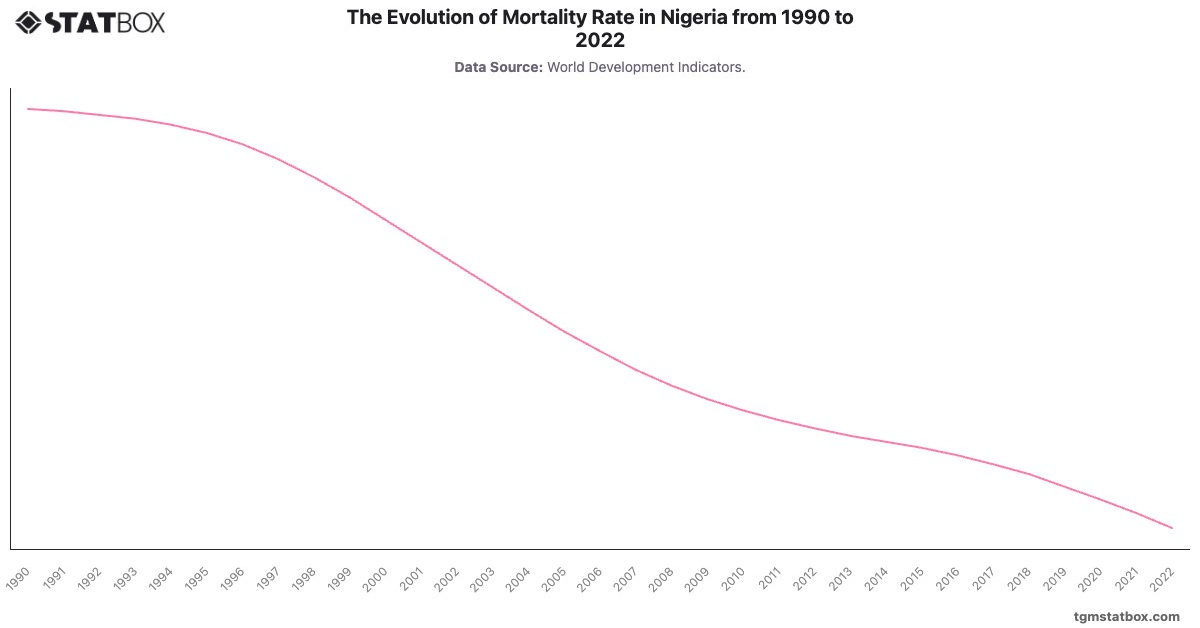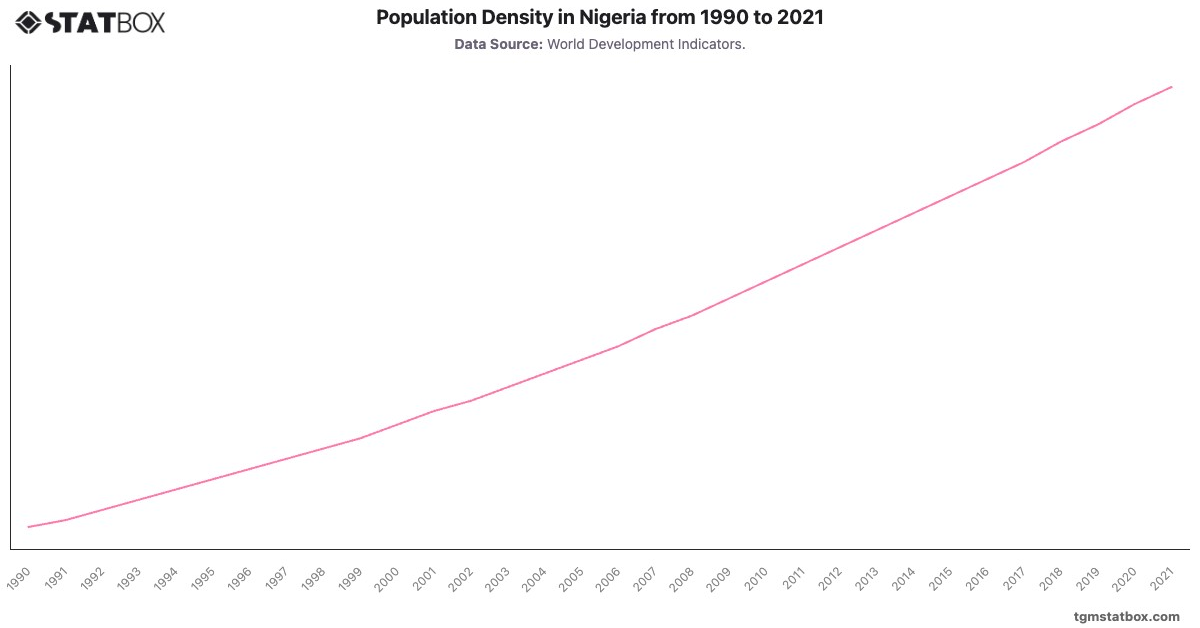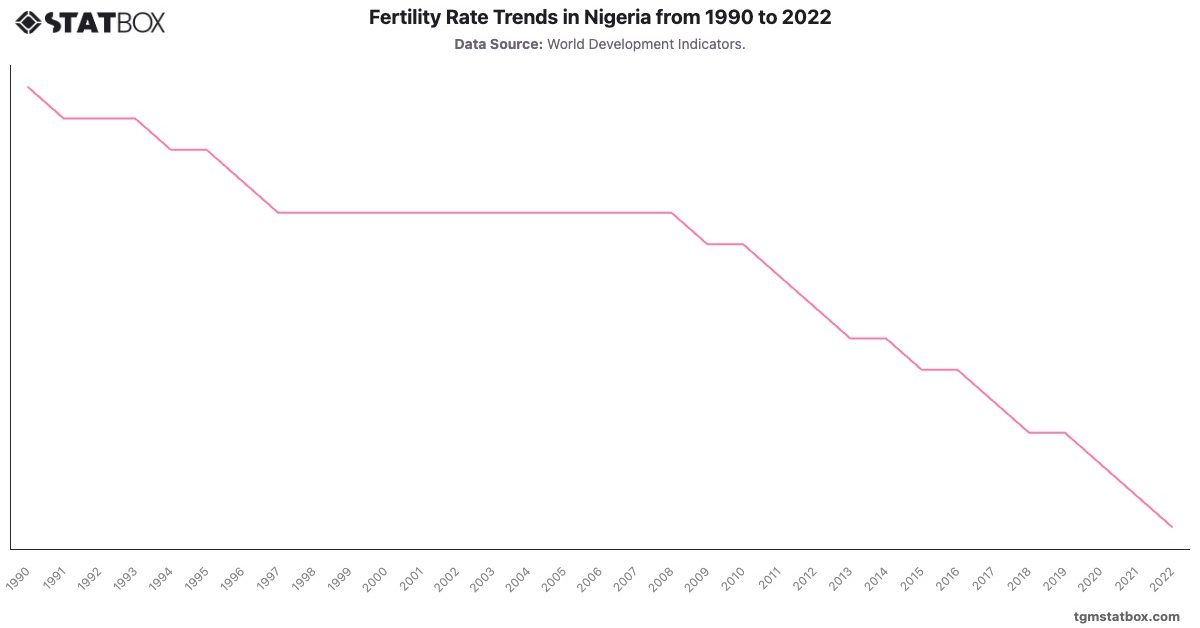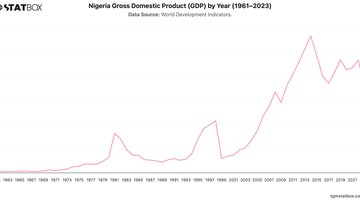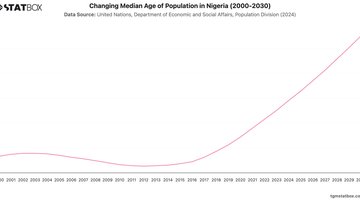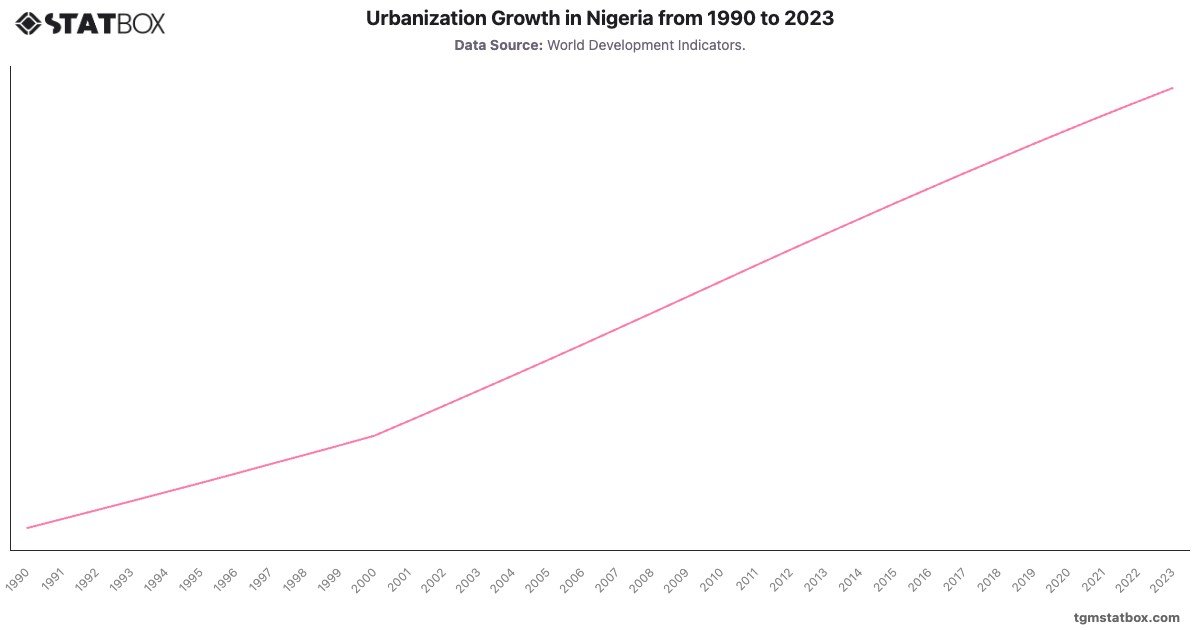
Nigeria’s urbanization rate rose from in 1990 to in 2023, driven by rapid urban expansion in cities like Lagos, Abuja, and Kano. Nigeria’s high population growth and economic opportunities in urban centers have led to substantial migration from rural to urban areas. In the 1990s, urban growth was steady, with annual increases as the economy diversified beyond agriculture. By the 2000s, Nigeria’s urbanization accelerated, fueled by growth in sectors like oil, telecommunications, and services. Infrastructure development and job opportunities in urban areas have further encouraged rural migration. By 2023, over half of Nigeria’s population was urban, with challenges related to infrastructure, housing, and social services accompanying this rapid growth. Nigeria’s urbanization reflects both economic potential and the need for sustainable urban management in Africa’s most populous nation.
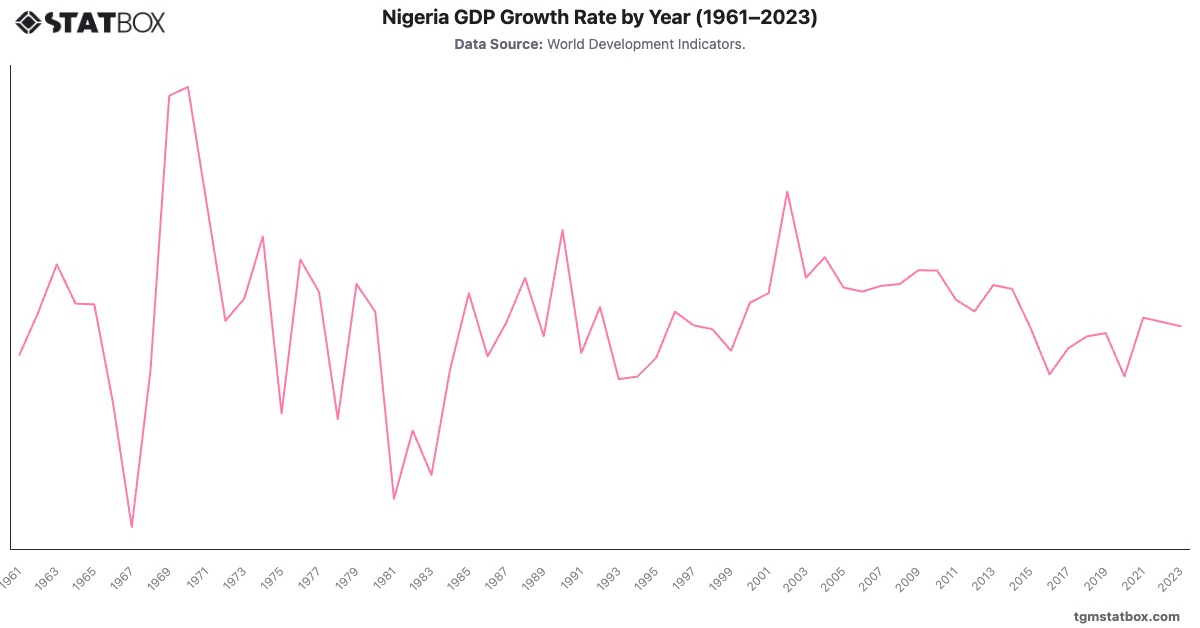
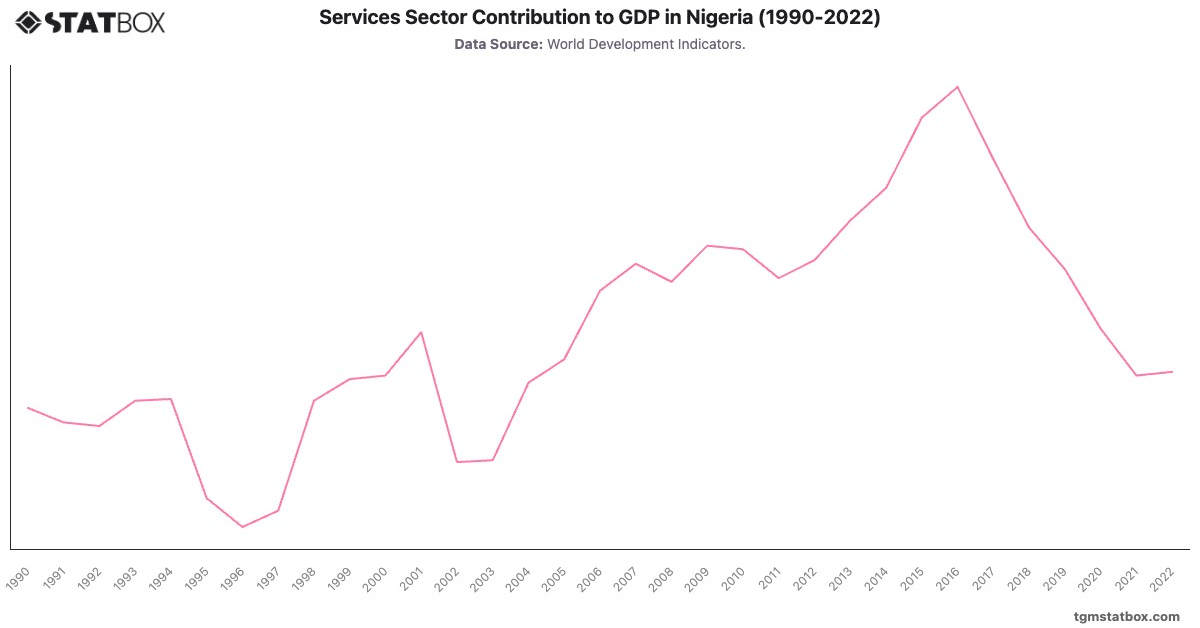
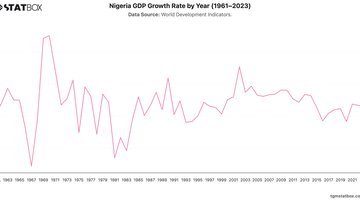
For a deeper dive into the topic, explore Nigeria’s working-age population proportion, Nigeria’s services sector contribution to GDP, Nigeria’s annual GDP growth rate.