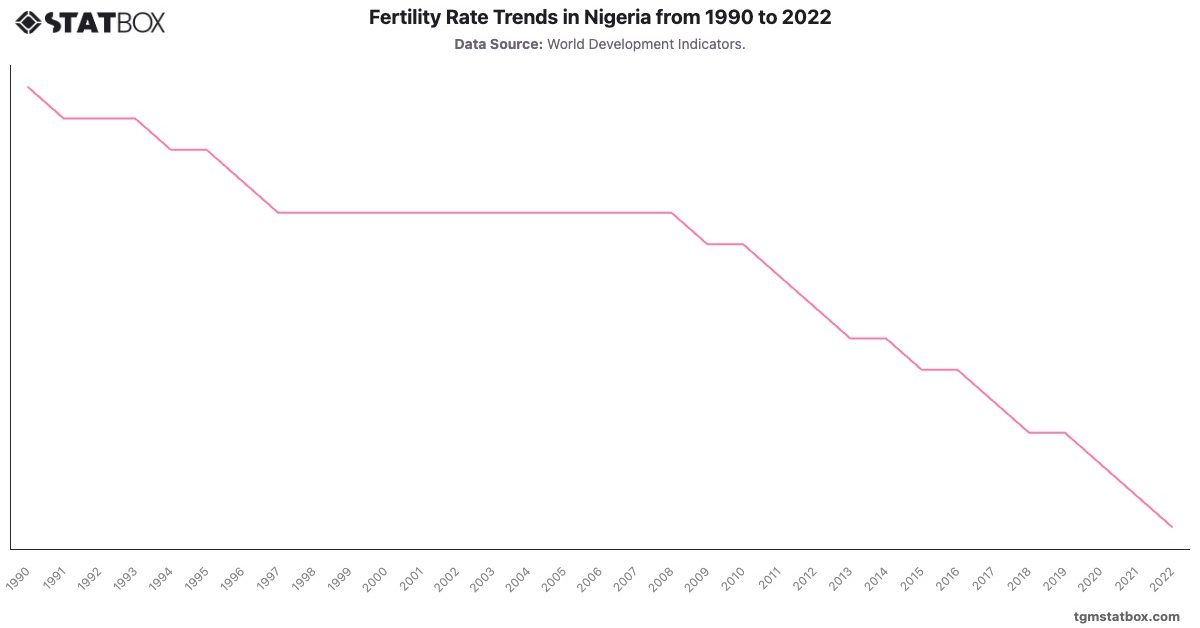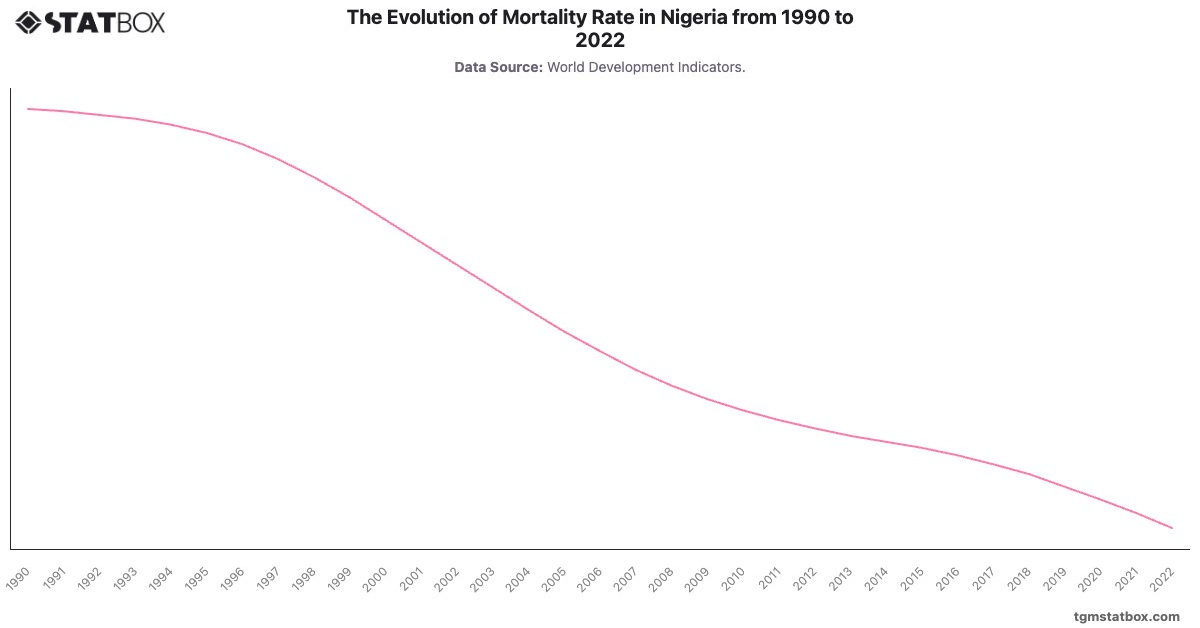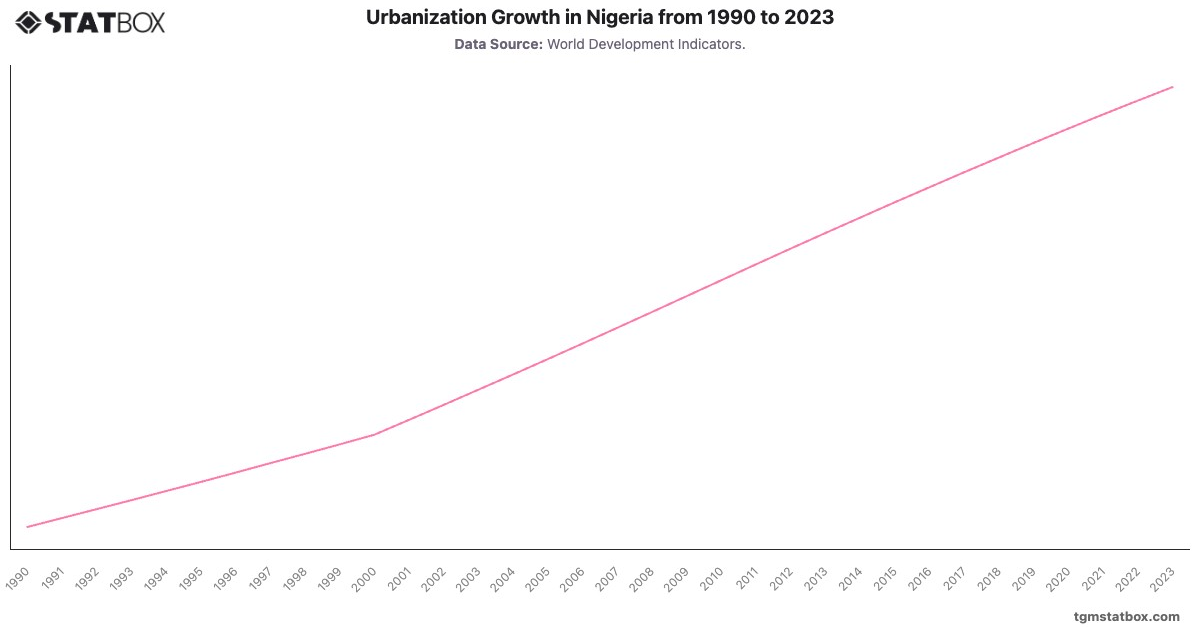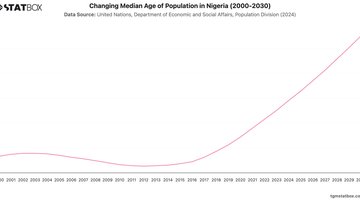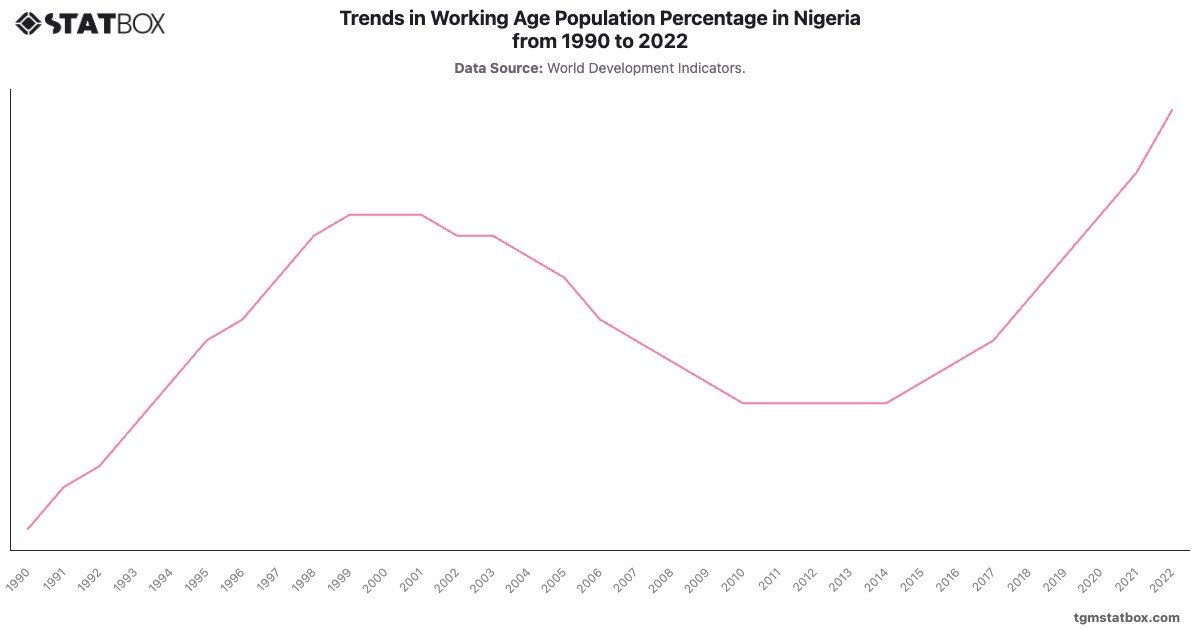
The working-age population in Nigeria experienced steady growth between 1990 and 2022. Starting at in 1990, the percentage rose consistently, reaching in 2000. After a brief period of stability and minor declines from 2000 to 2010, it started to rise again, reaching in 2022. Factors contributing to this growth include Nigeria's high fertility rate, which has driven a larger labor force over time, and improvements in healthcare. The increase also reflects broader demographic changes as the population ages, gradually expanding the share of individuals within working age.
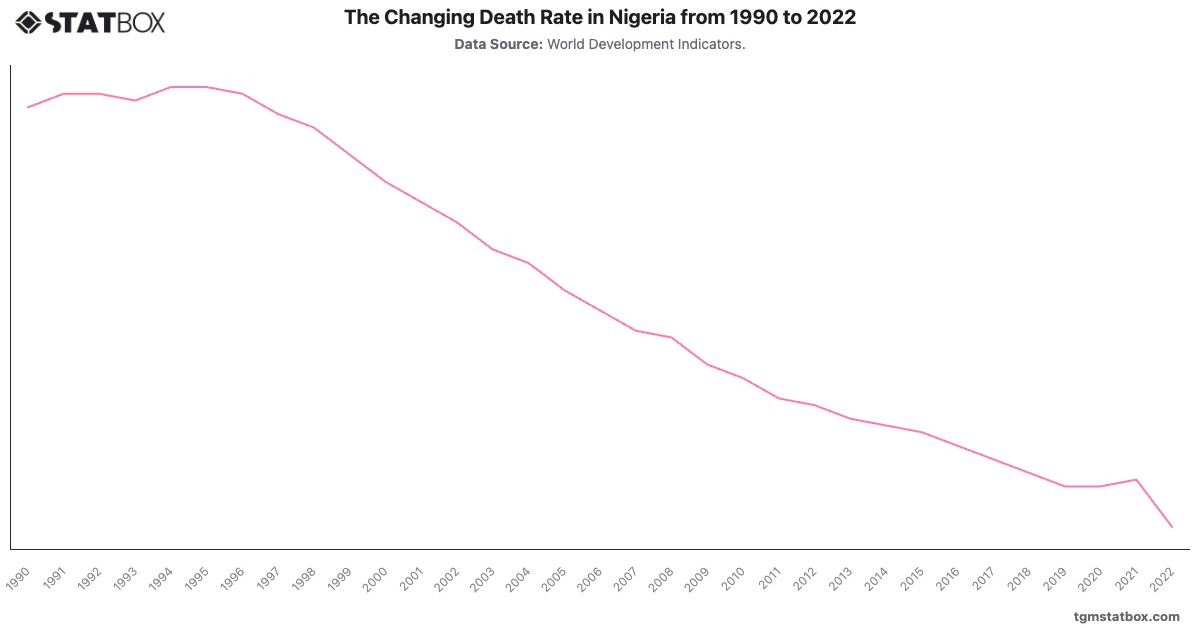
Gain a broader perspective by reviewing Nigeria’s mortality rate trend, Nigeria’s fertility rate overview, Nigeria’s fluctuating death rate.