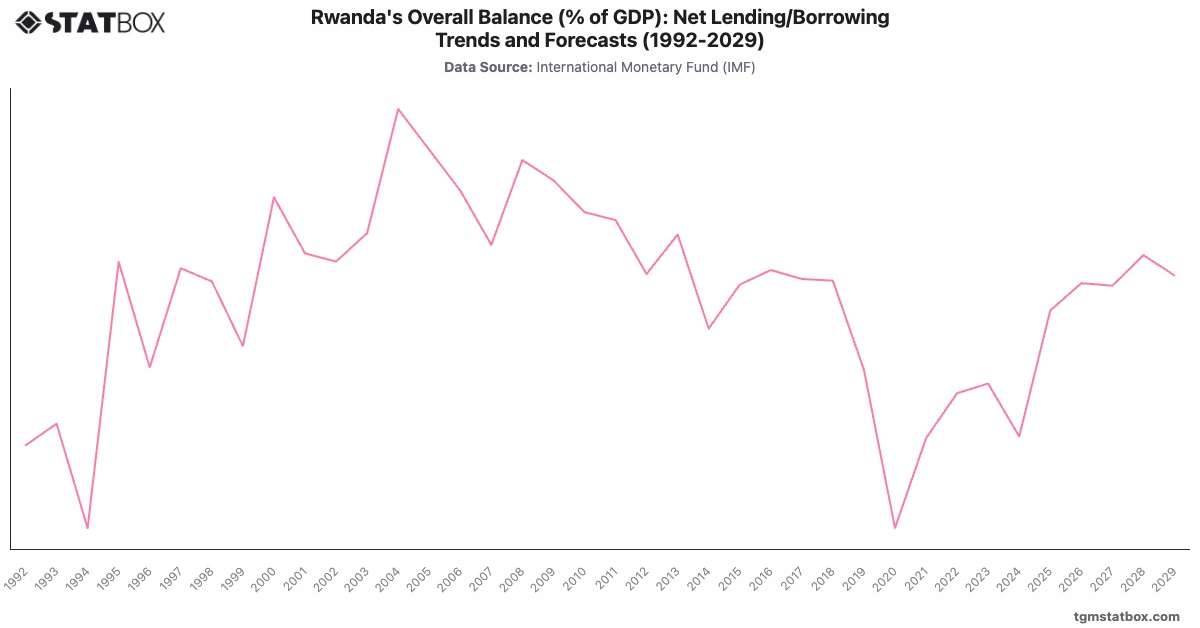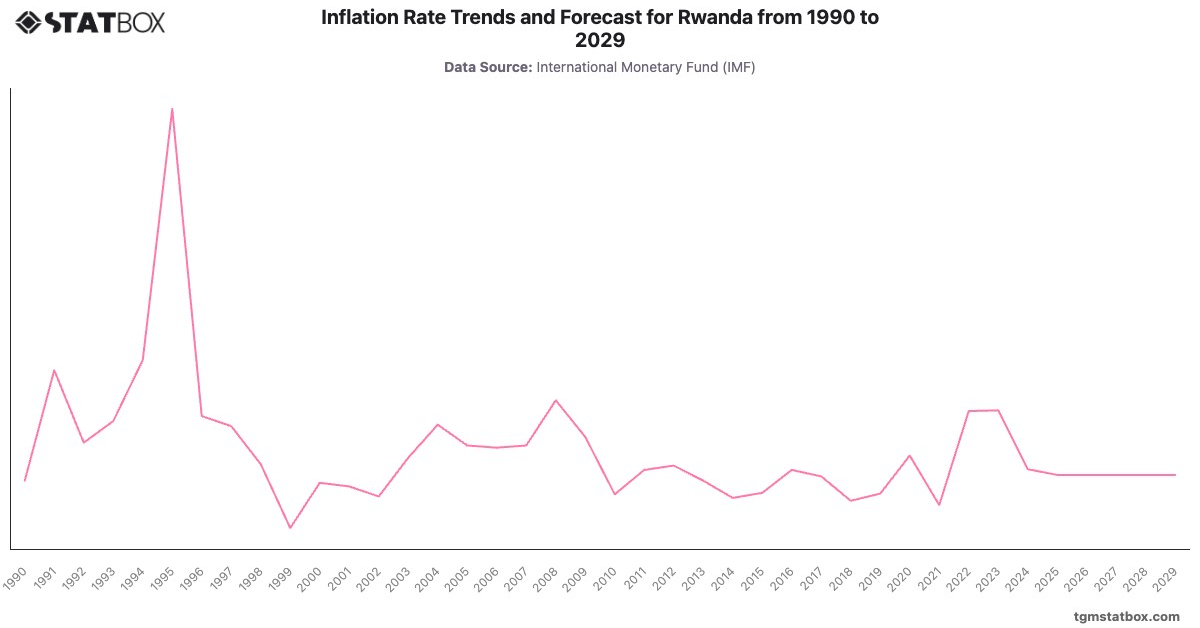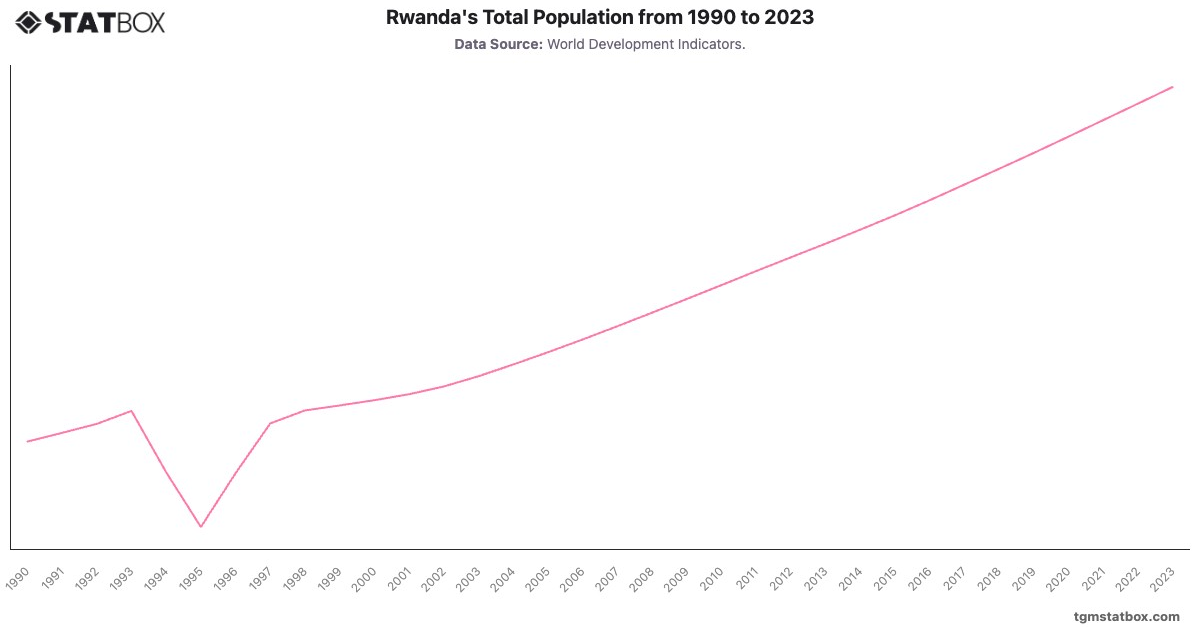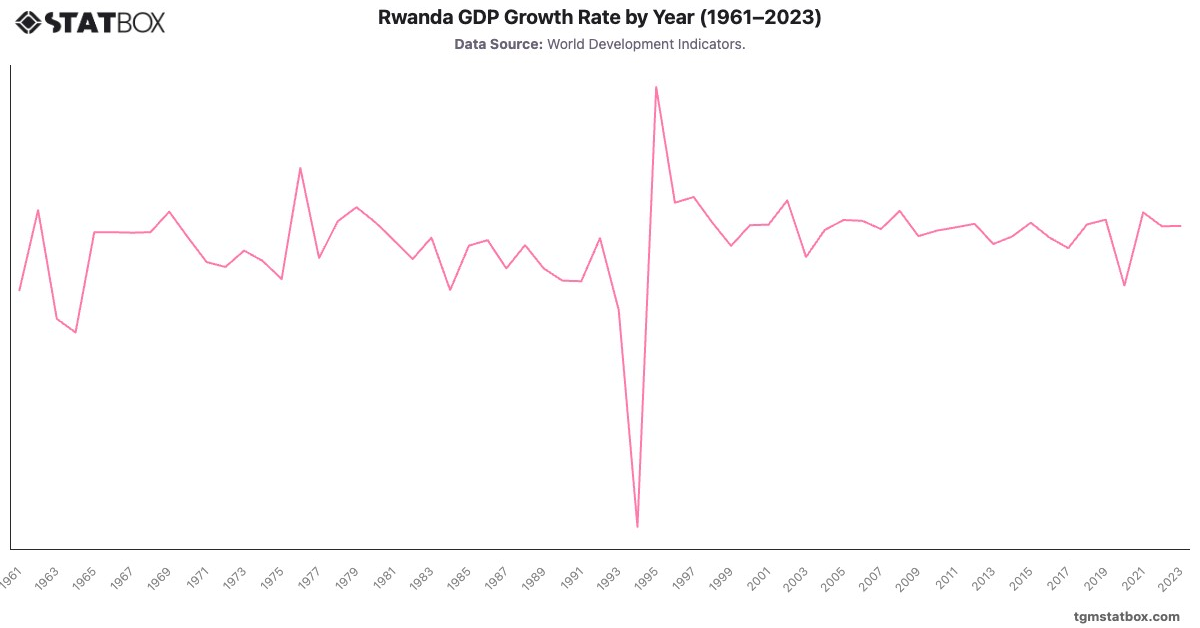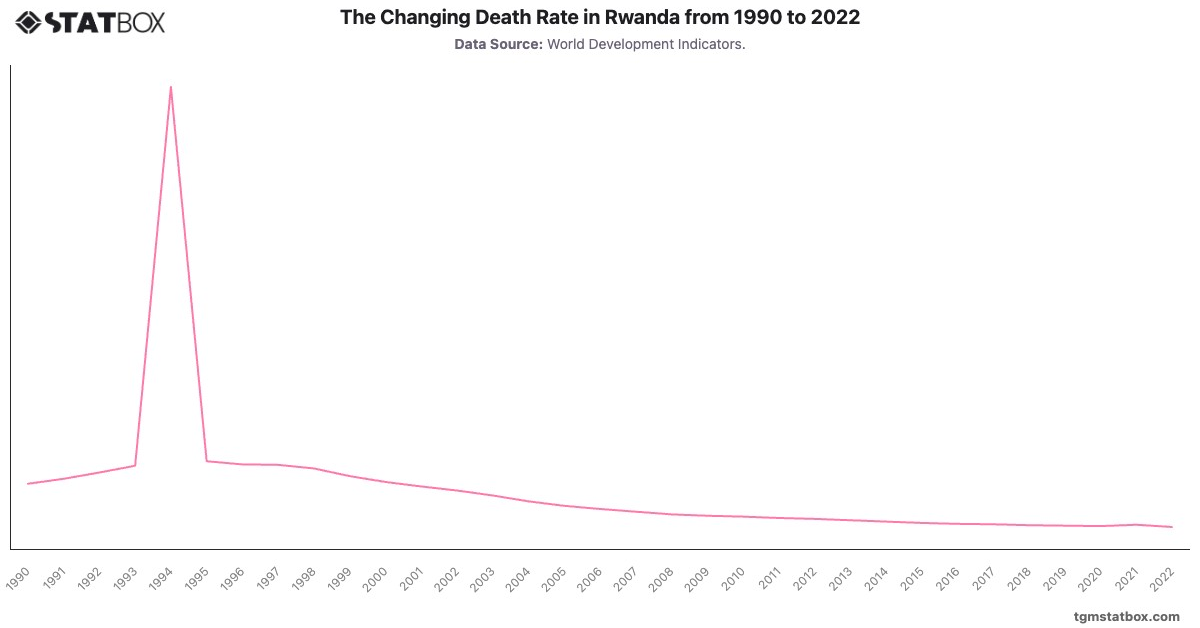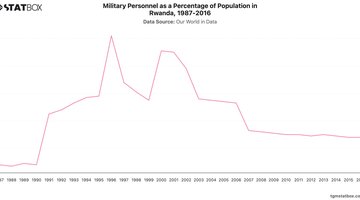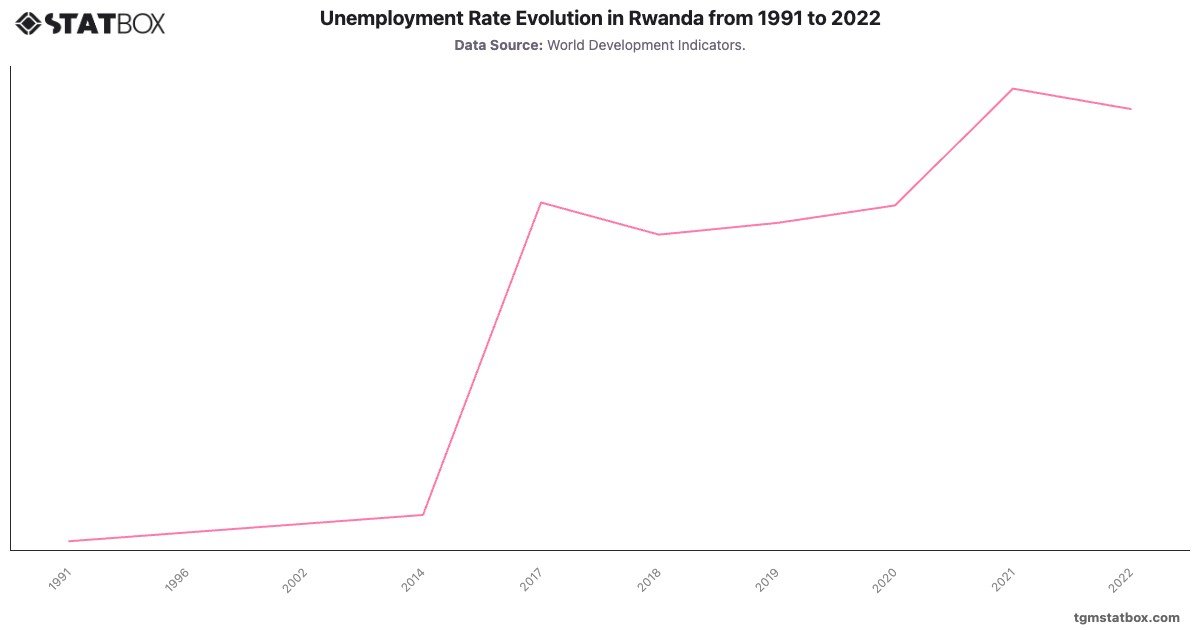
Rwanda's unemployment rate has shown a sharp rise over the decades, reflecting shifts in economic conditions, demographic trends, and global events. From a low in 1991, the unemployment rate climbed steadily, reaching of the labor force by 2002. This period saw Rwanda's recovery from the 1994 genocide, with a focus on rebuilding the economy and reintegrating displaced populations into the labor market. However, employment opportunities remained limited, especially in urban areas.
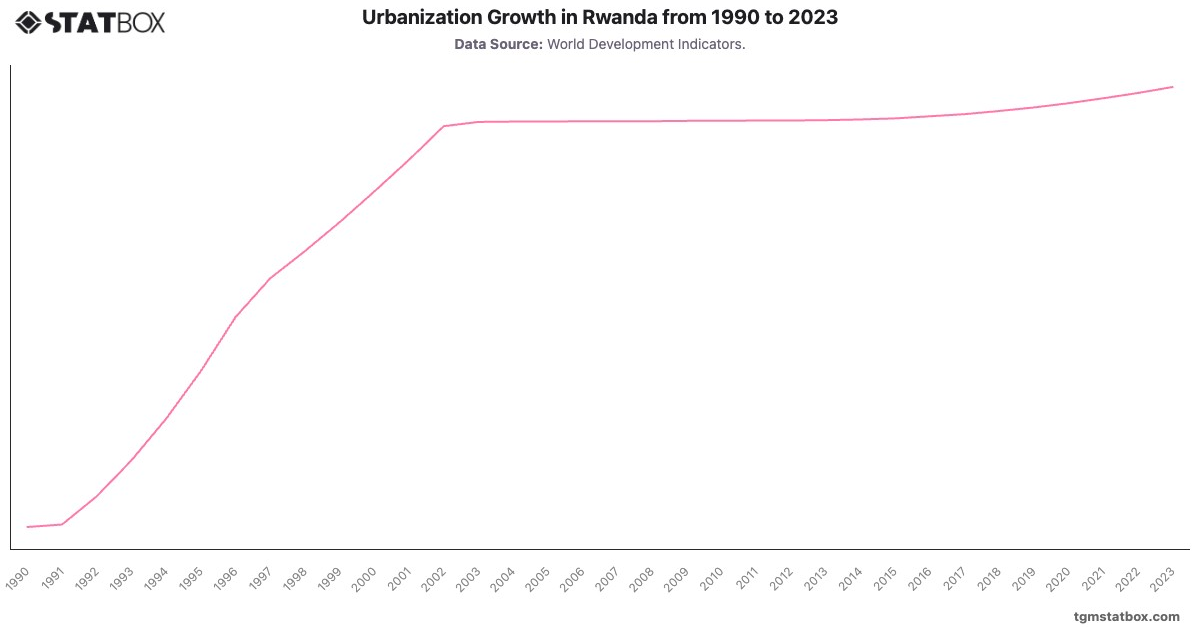
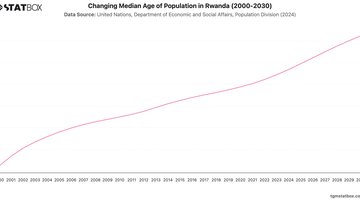
A significant surge occurred between 2014 and 2017, as the unemployment rate jumped from to . This increase aligns with rapid urbanization and a growing youth population entering the labor force, coupled with challenges in creating sufficient jobs. The COVID-19 pandemic exacerbated unemployment, peaking at in 2021, as lockdowns disrupted key sectors like tourism and services. By 2022, unemployment slightly declined to , indicating gradual recovery efforts and economic resilience.
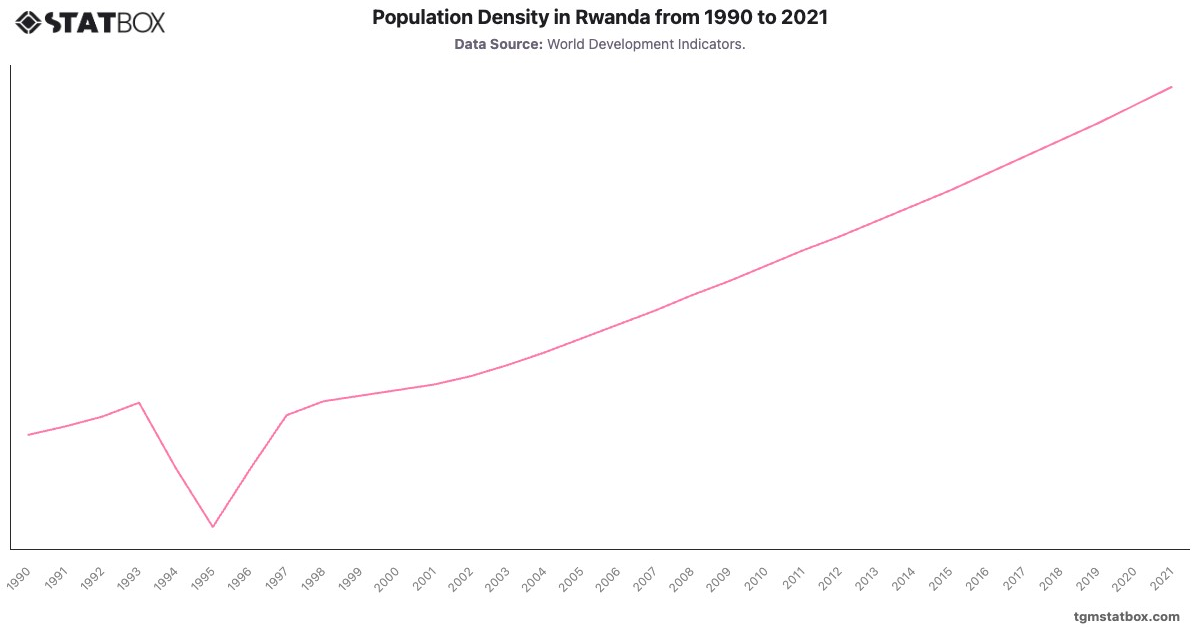
For a broader context, visit other statistics on Rwanda’s urban expansion, Rwanda’s population growth rate, Rwanda’s working-age population proportion.