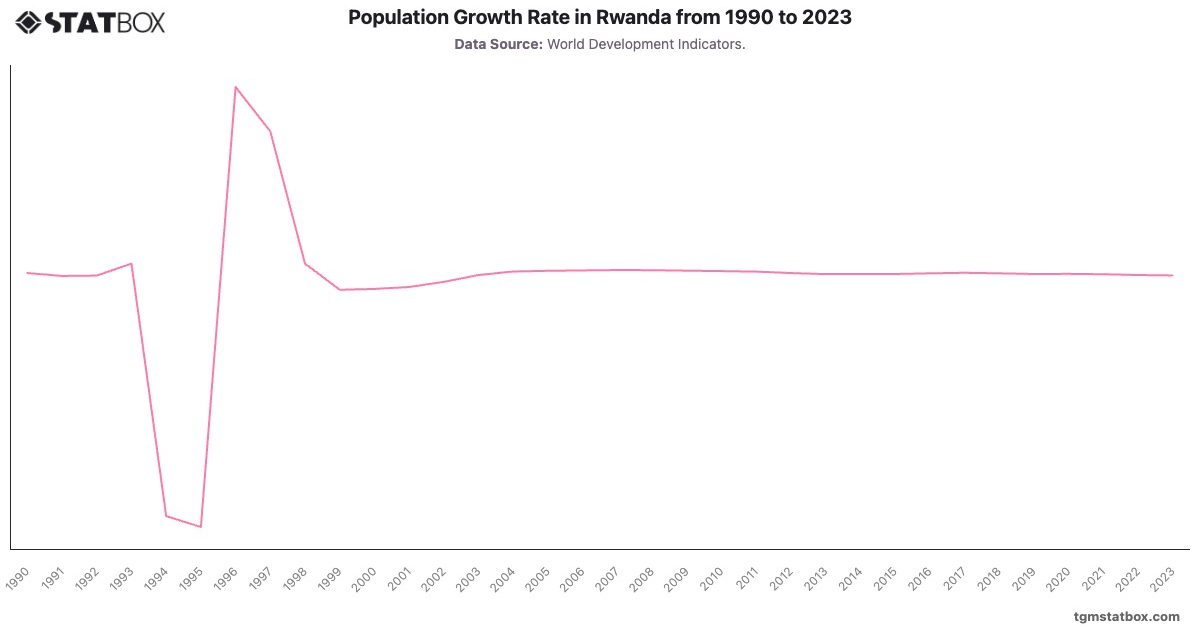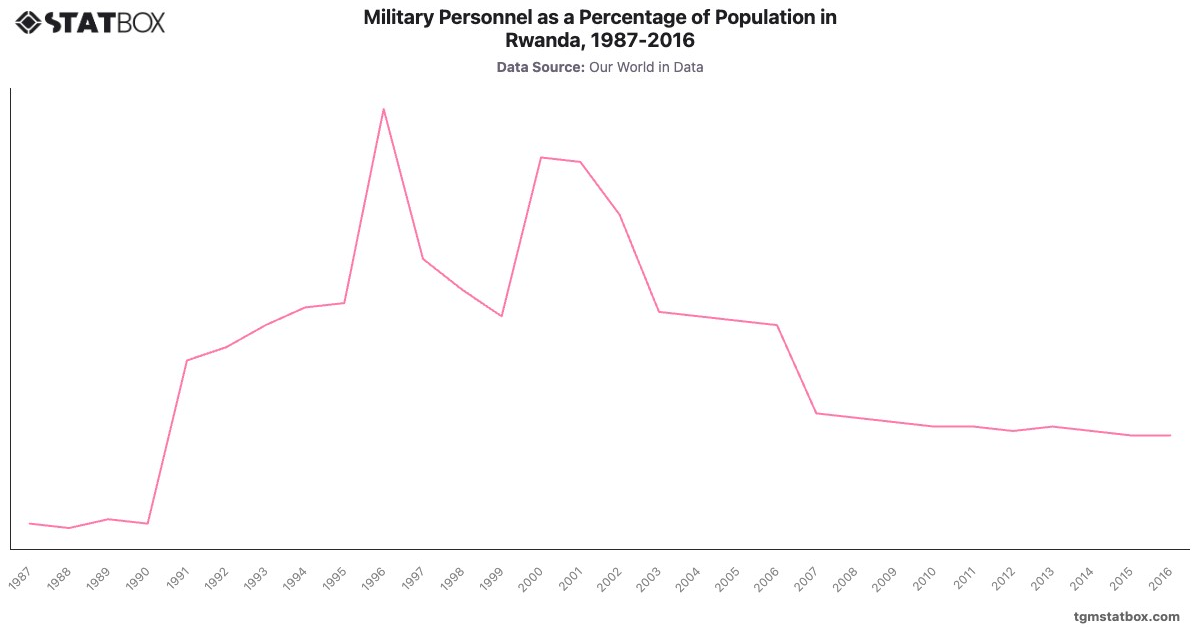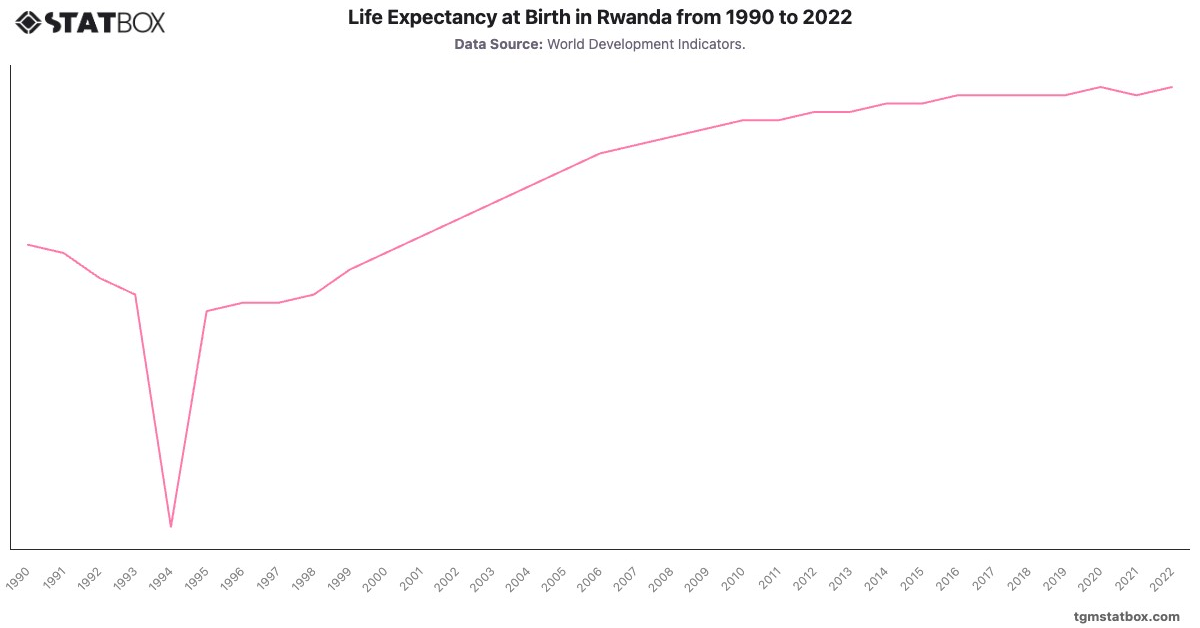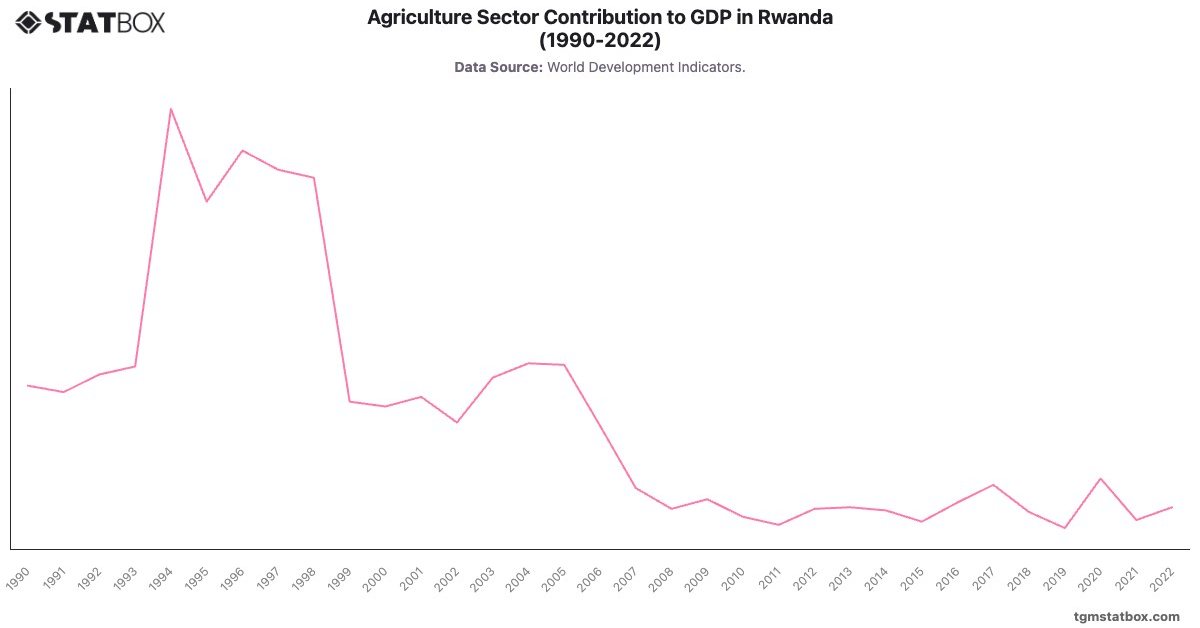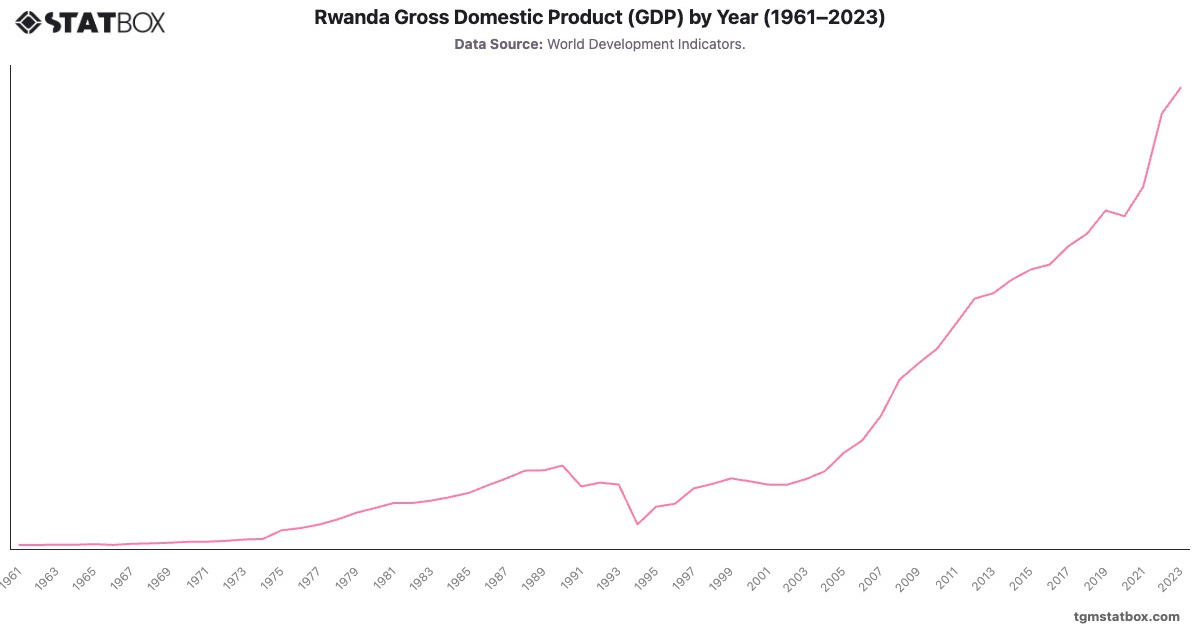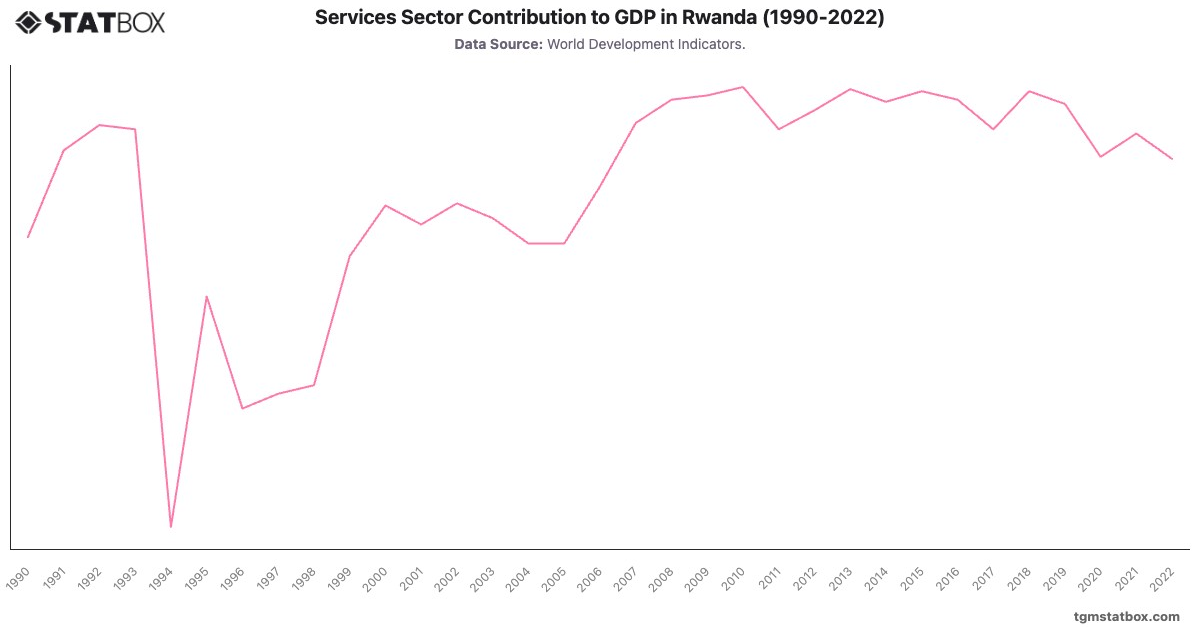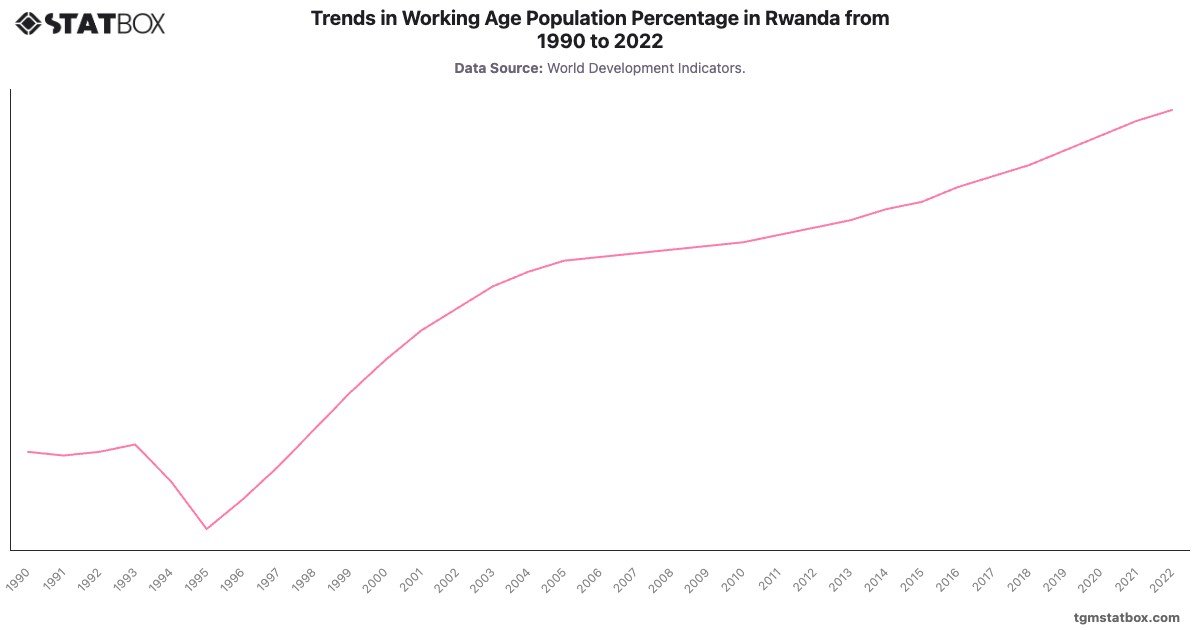
Rwanda's working-age population percentage exhibited a steady upward trend from 1990 to 2022, reflecting the country’s demographic shifts and economic transformation. In 1990, the working-age population stood at , but this percentage dropped slightly during the mid-1990s, reaching in 1995. This decline can be attributed to the devastating impact of the 1994 genocide, which caused significant loss of life and displacement, disrupting the demographic structure and economic activity.
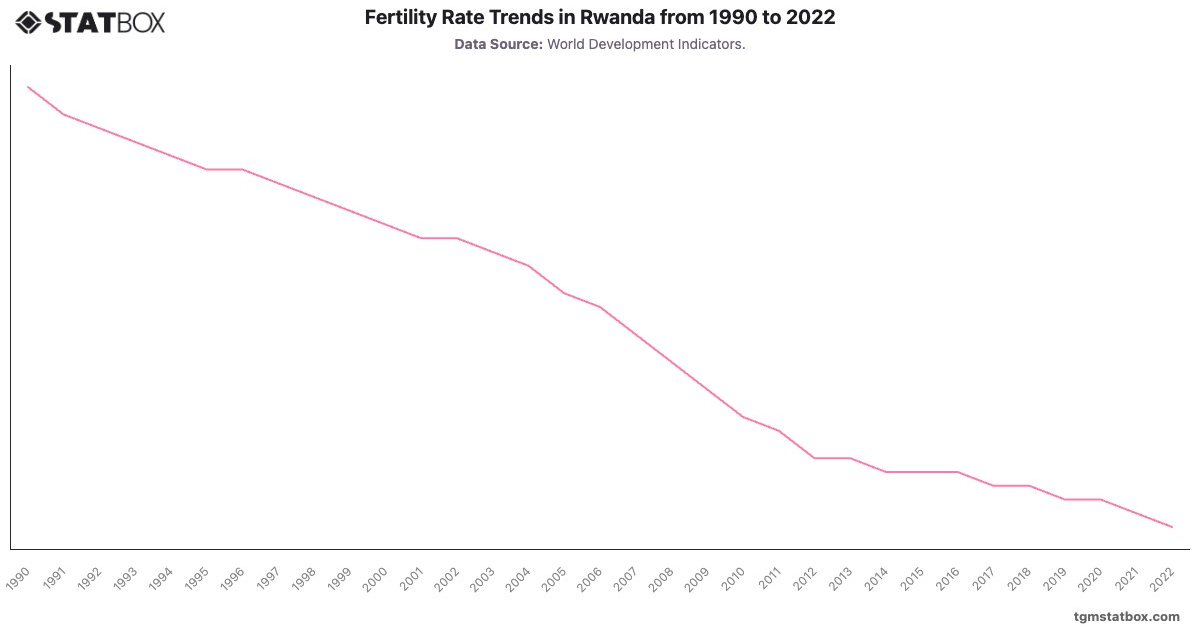
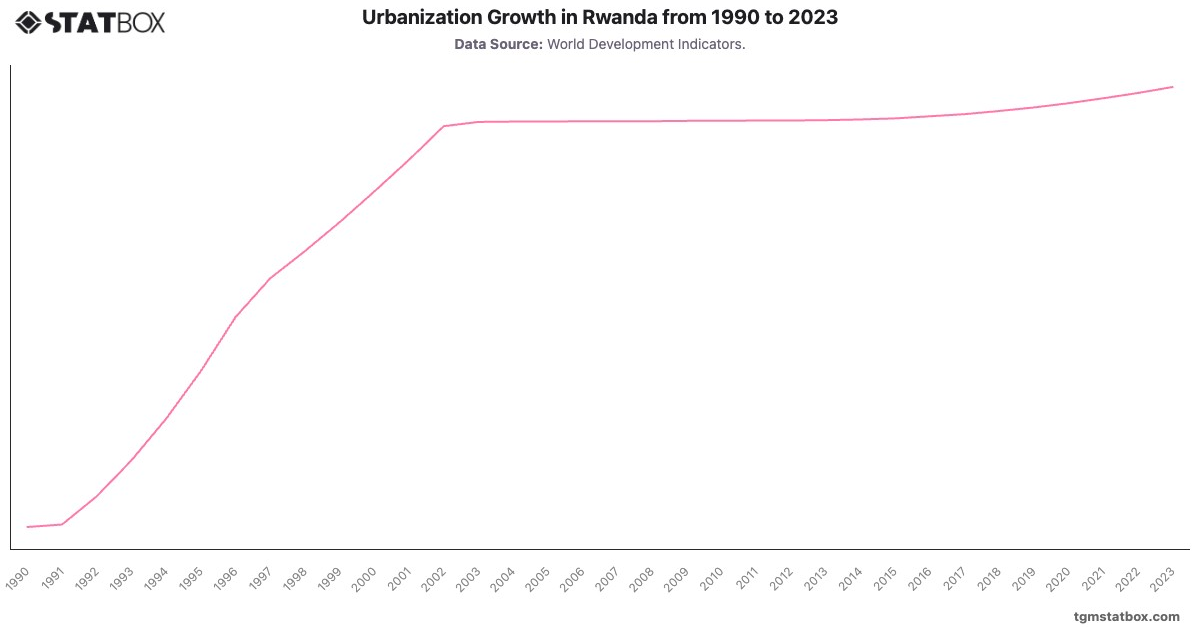
Post-1995, Rwanda experienced a consistent increase in the working-age population percentage, rising to by 2000 and surpassing by 2006. This growth aligns with the country’s recovery efforts, improved healthcare, and economic reforms that contributed to population stabilization and growth. By 2022, the working-age population had reached , highlighting Rwanda’s demographic transition driven by declining fertility rates and an increasing share of the population entering productive age.
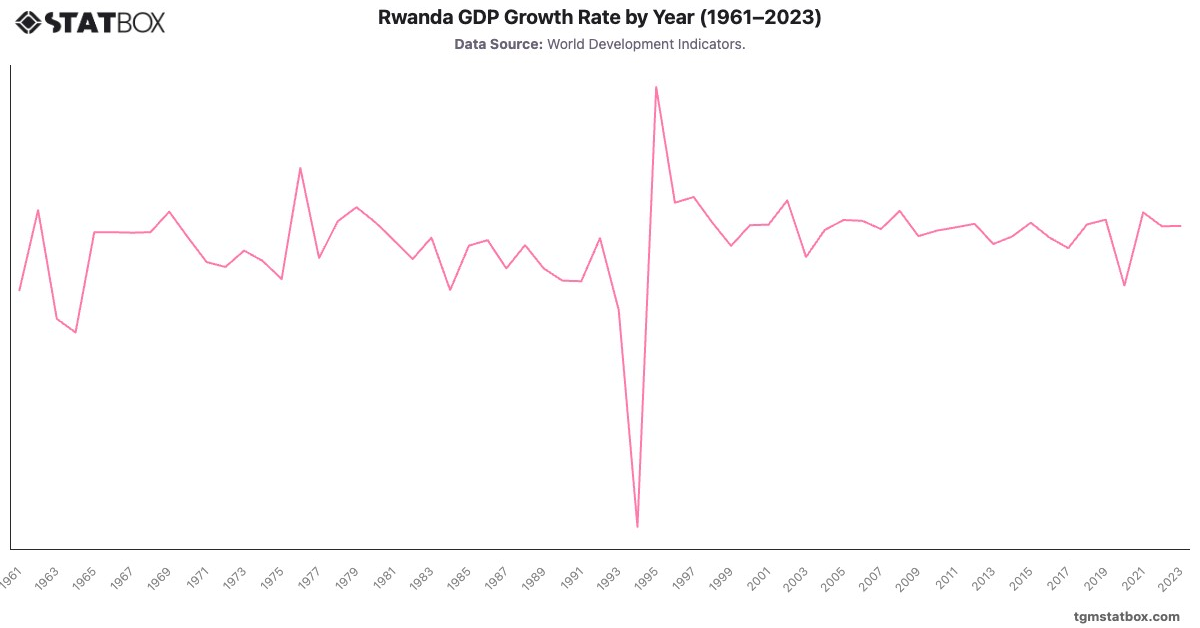
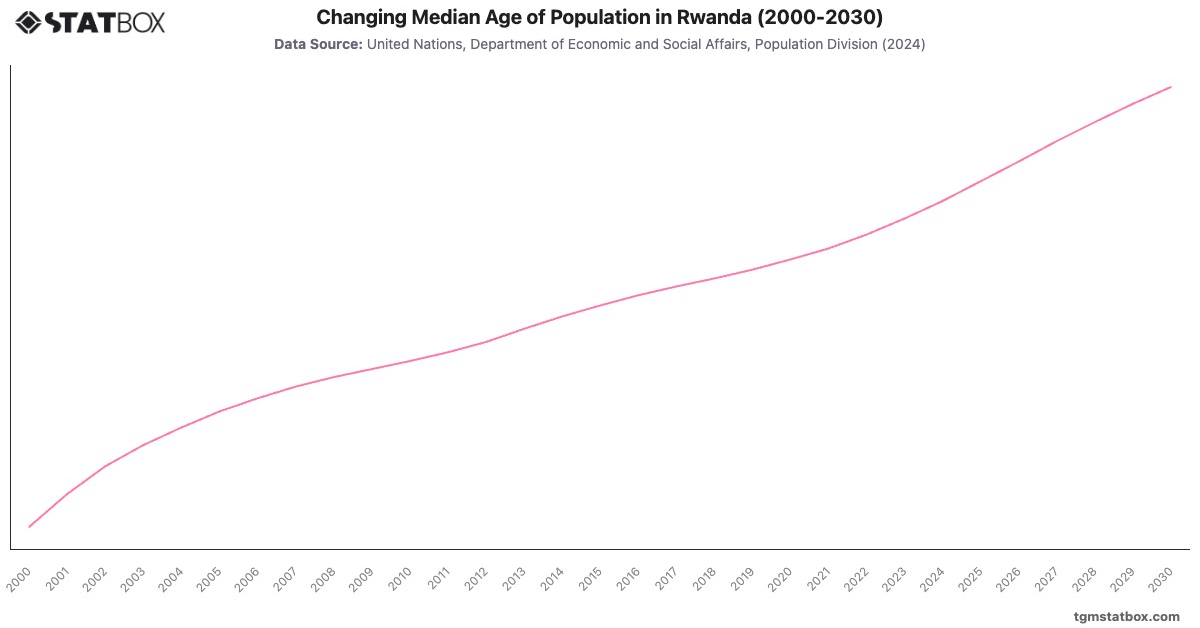
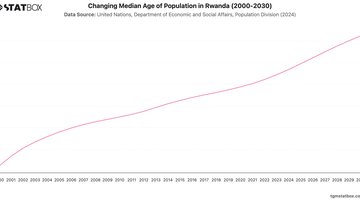
Find out more through related statistics on Rwanda’s population growth rate, Rwanda’s shifting median age, Rwanda’s annual GDP growth rate.