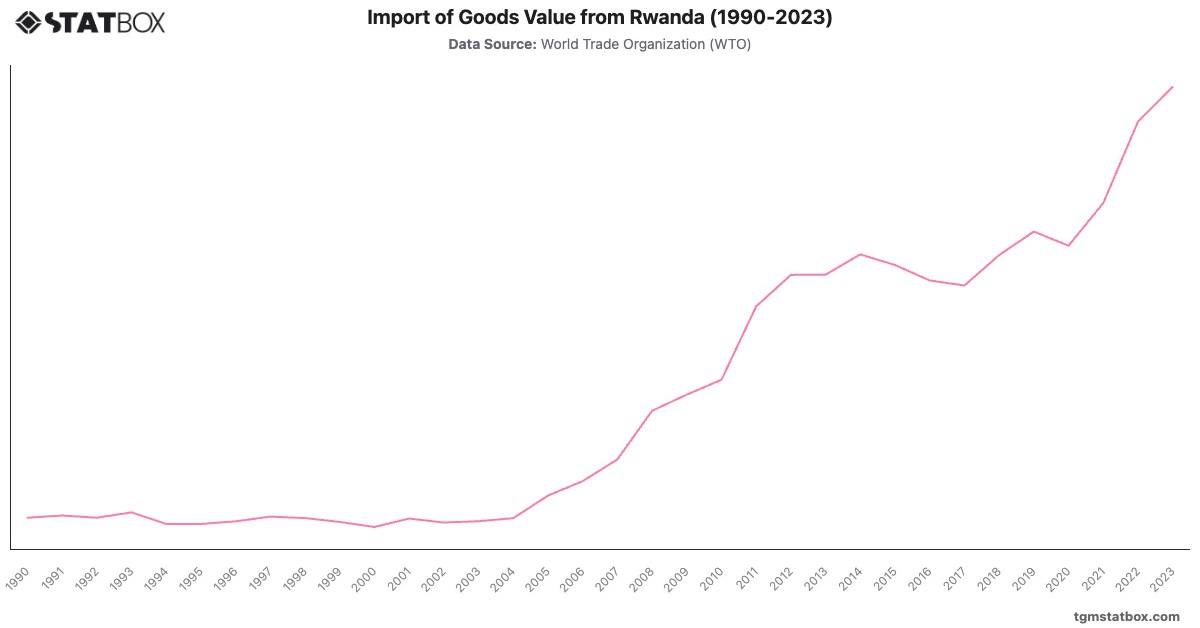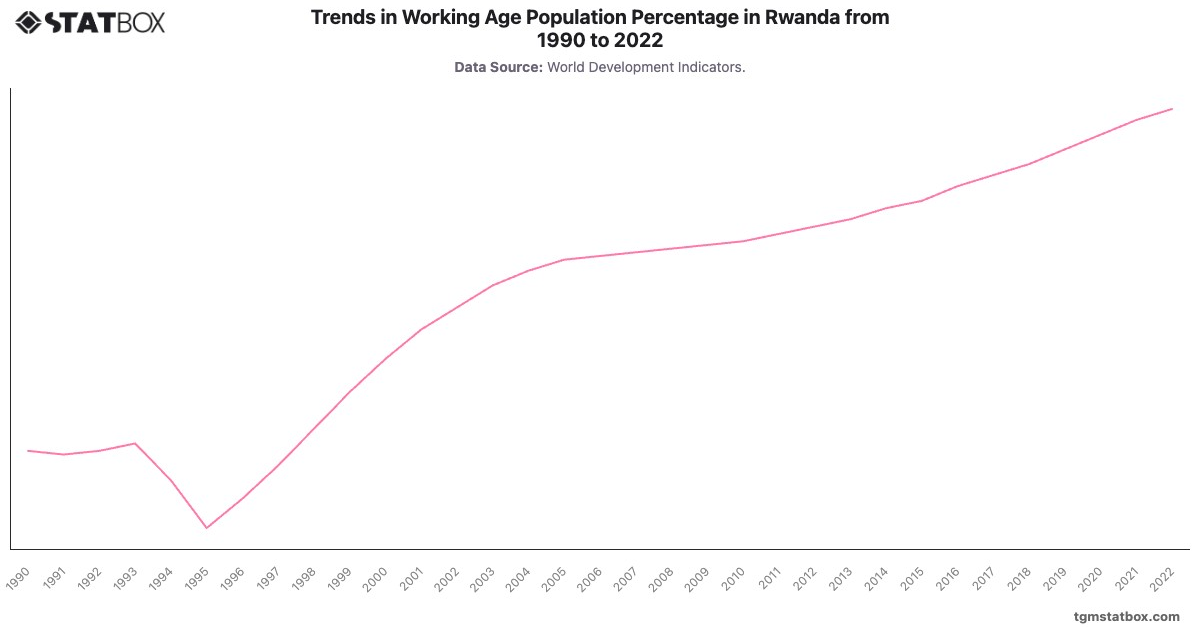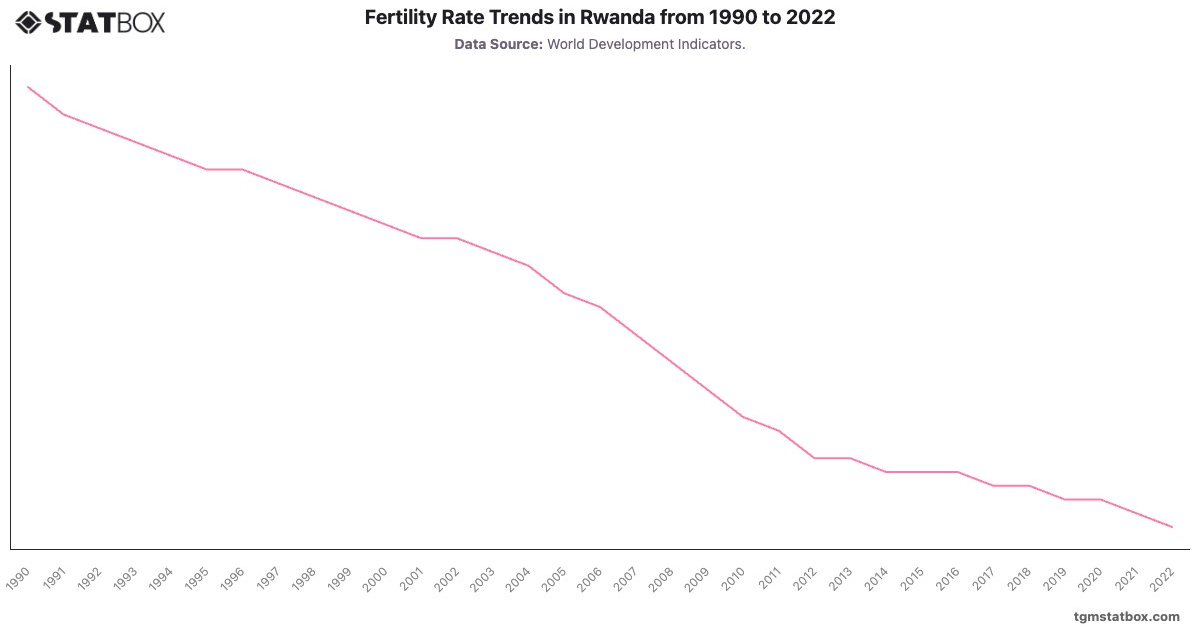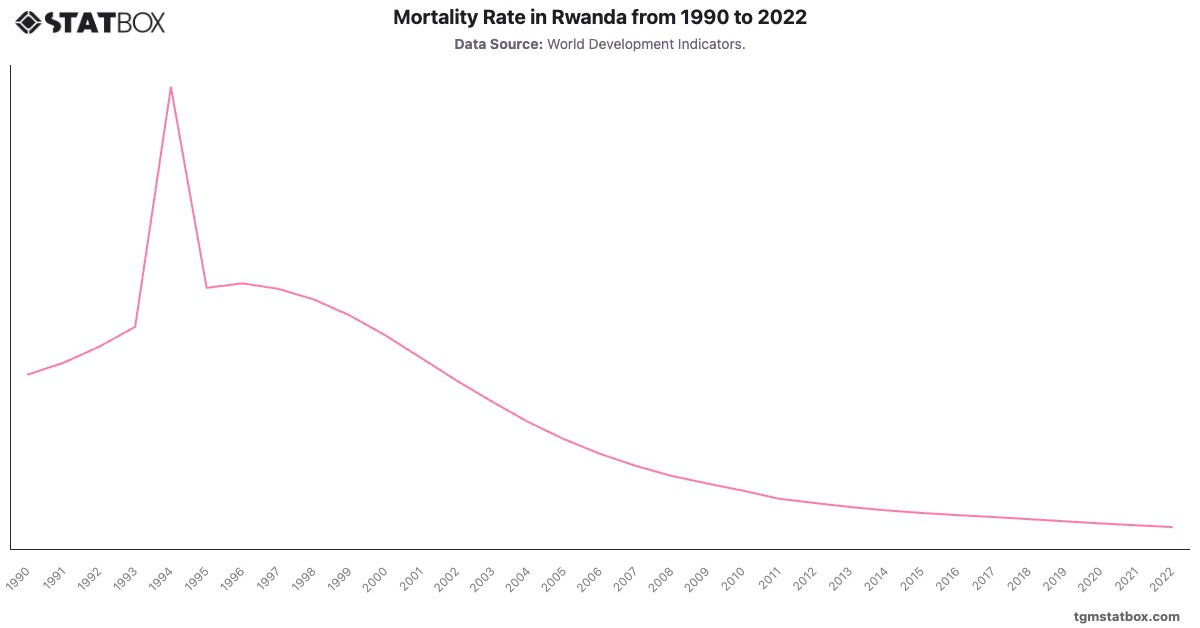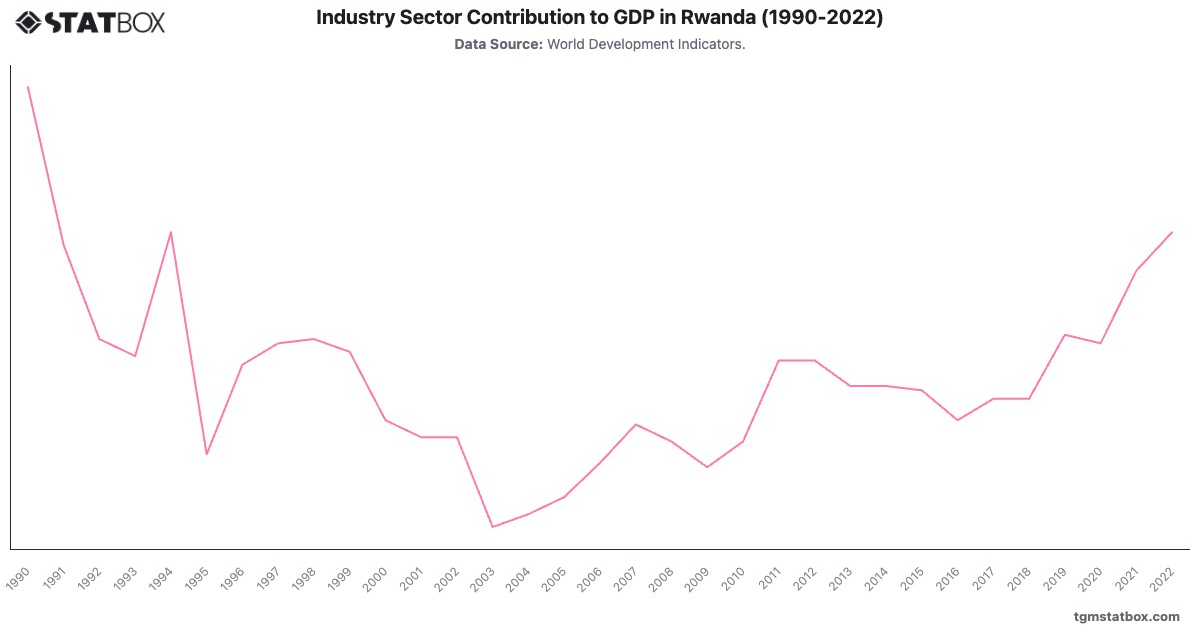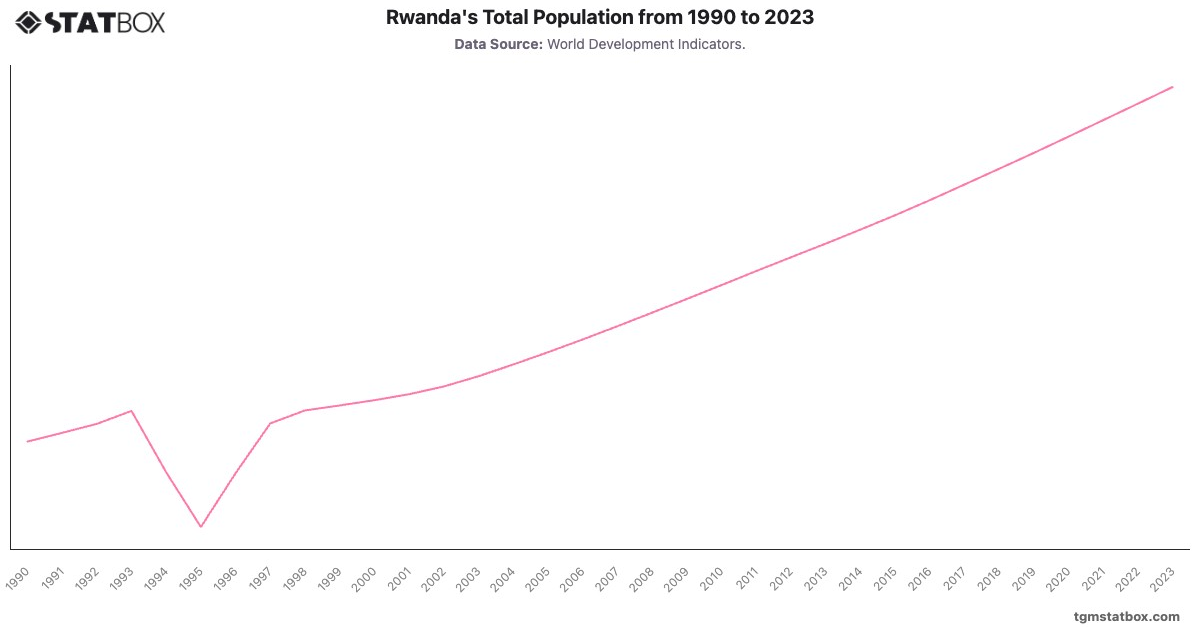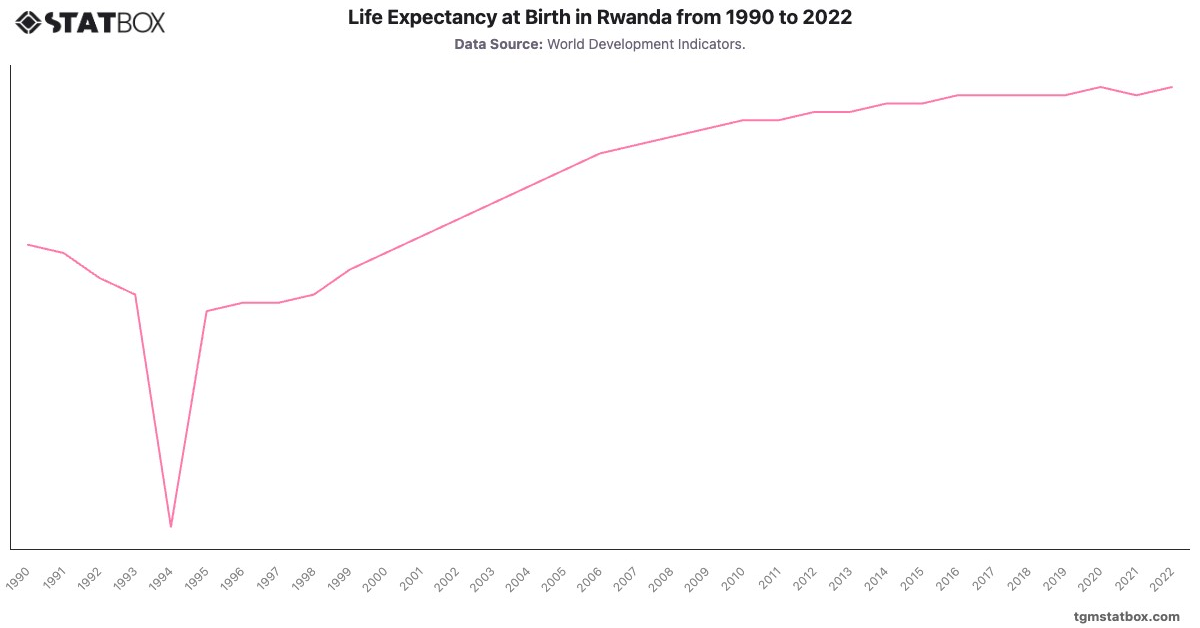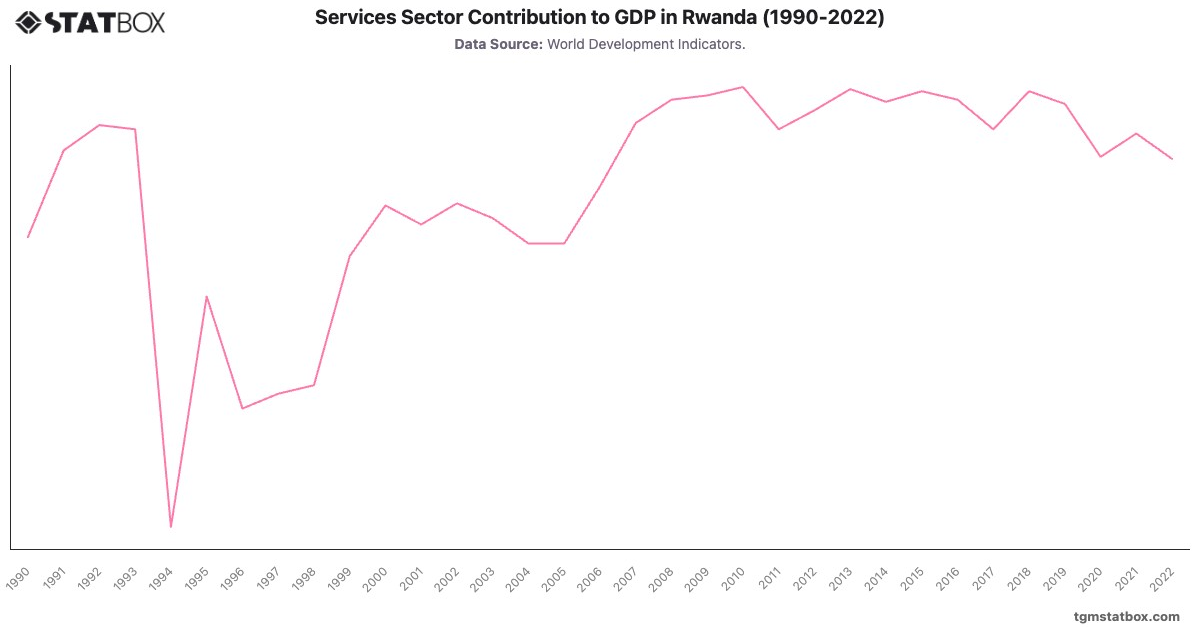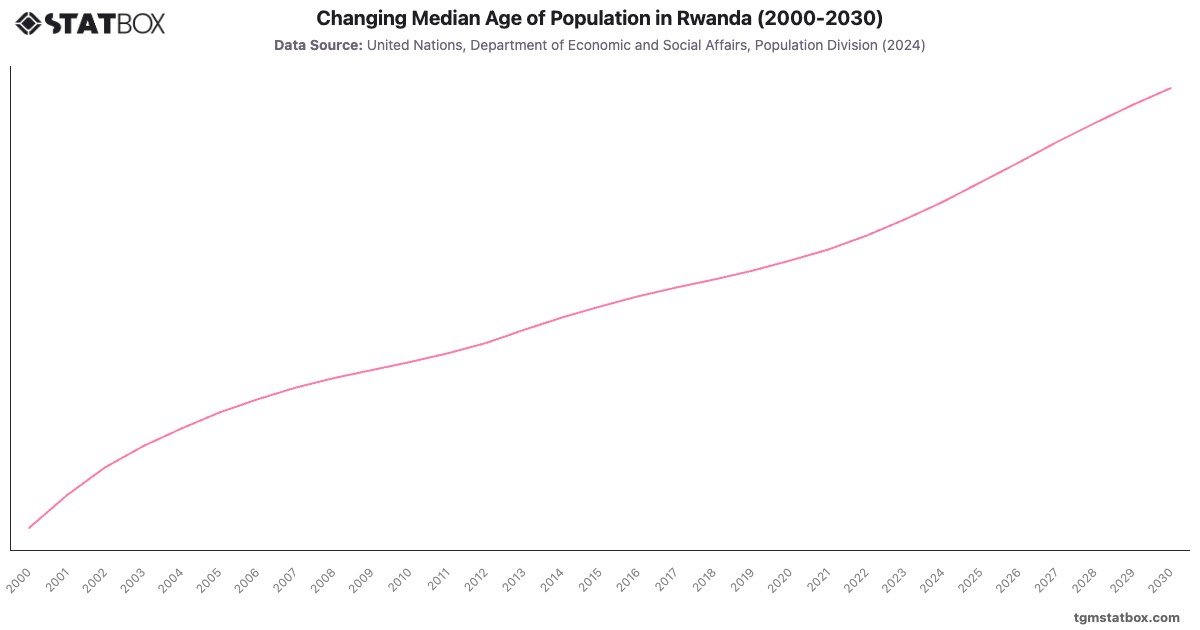
In 2000, Rwanda's notably low median age of 15.22 years was a direct consequence of the 1994 genocide, which dramatically altered the country's demographic structure. The gradual increase to 18.88 years by 2020 reflects improved life expectancy, better healthcare access, and declining fertility rates under President Kagame's administration. This period saw the implementation of comprehensive healthcare reforms, including the widely successful community-based health insurance system and family planning initiatives.
Projections through 2030 indicate a continued aging trend, with the median age expected to reach 21.24 years. This steady increase aligns with Rwanda's Vision 2050 development goals and suggests successful socioeconomic development. The rising median age can be attributed to several factors: declining infant mortality rates, improved adult life expectancy, more widespread access to education (particularly for women), and changing family planning norms. However, even with this increase, Rwanda's population remains relatively young compared to global standards, presenting both opportunities and challenges for economic development and social service provision.
Explore related charts to gain a better understanding of Rwanda’s urban expansion, Rwanda’s annual GDP figures, Rwanda’s annual GDP growth rate.