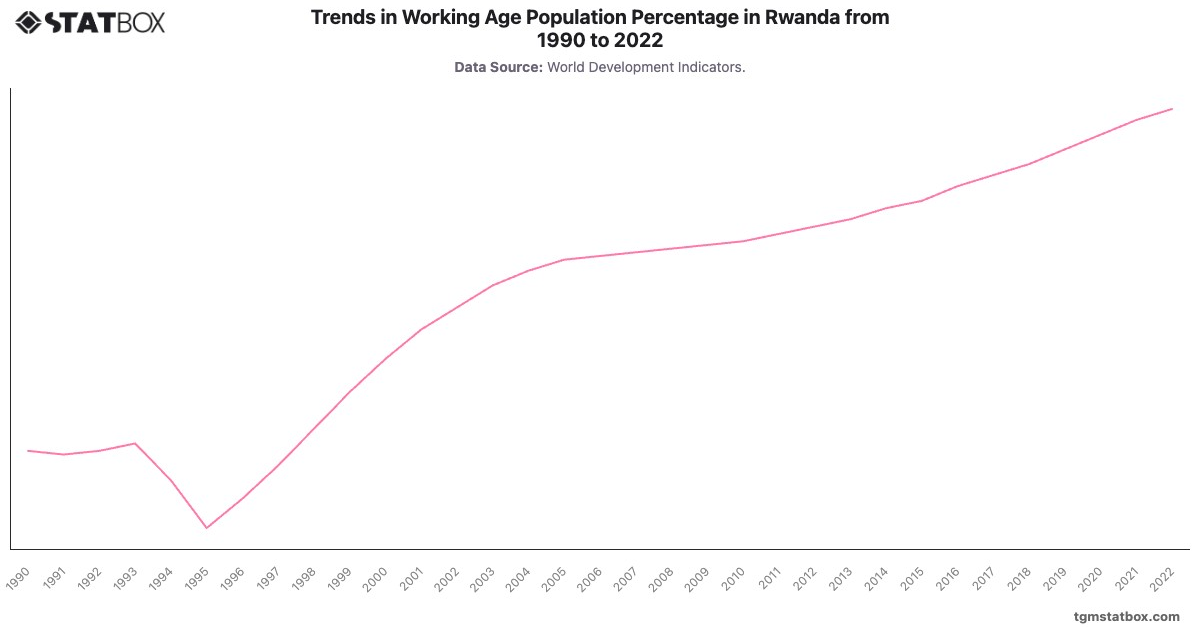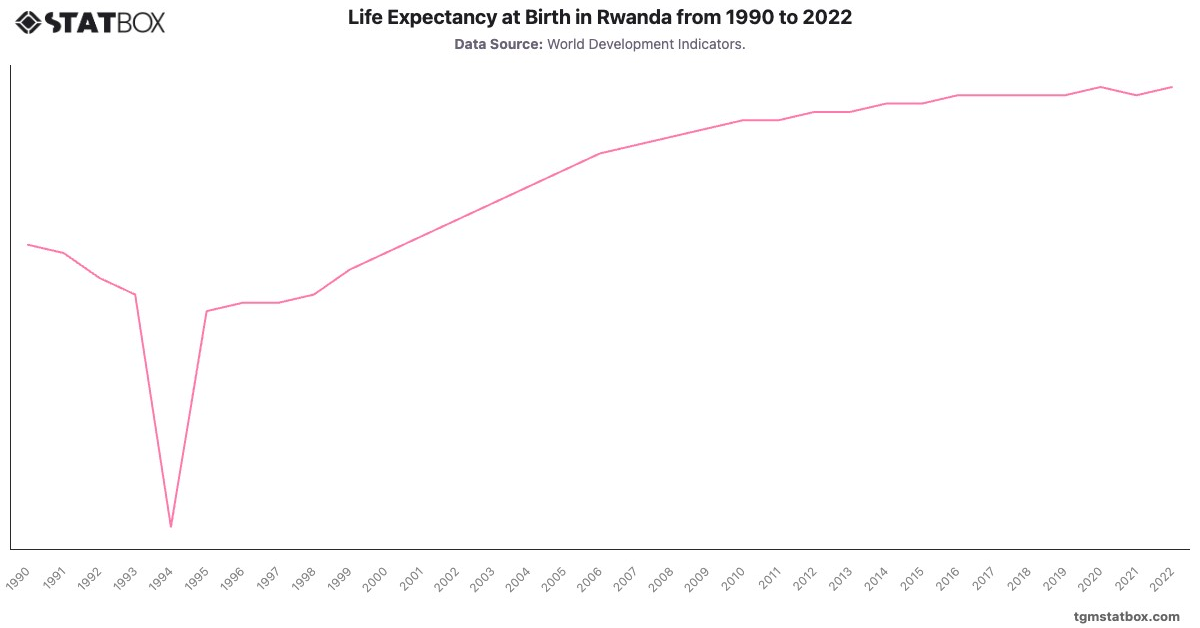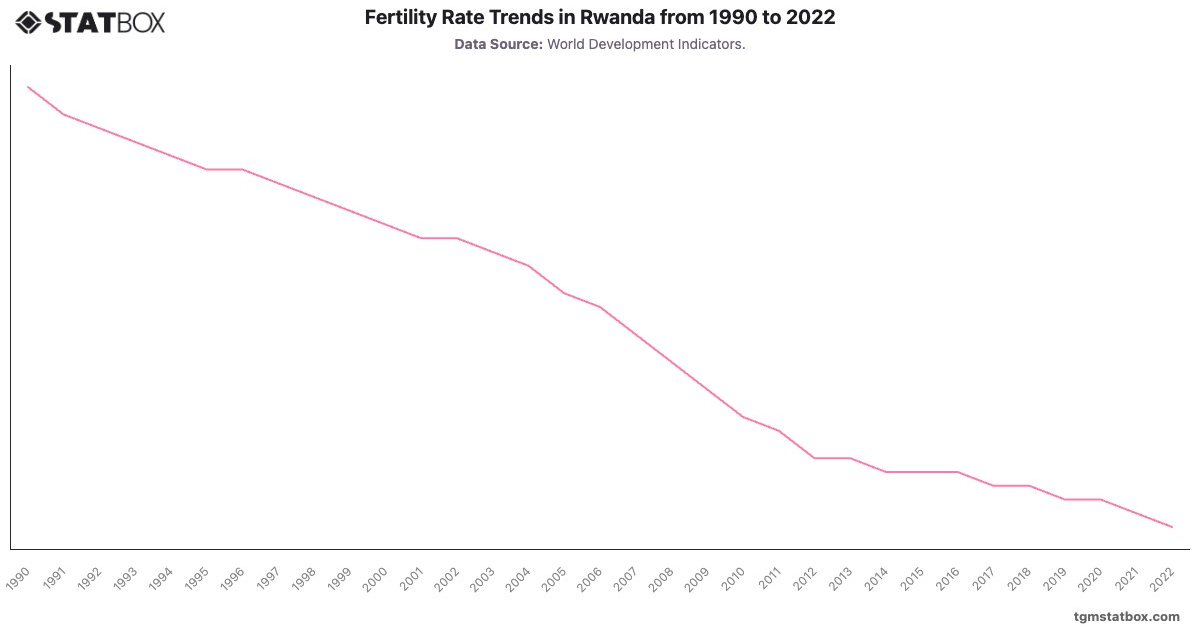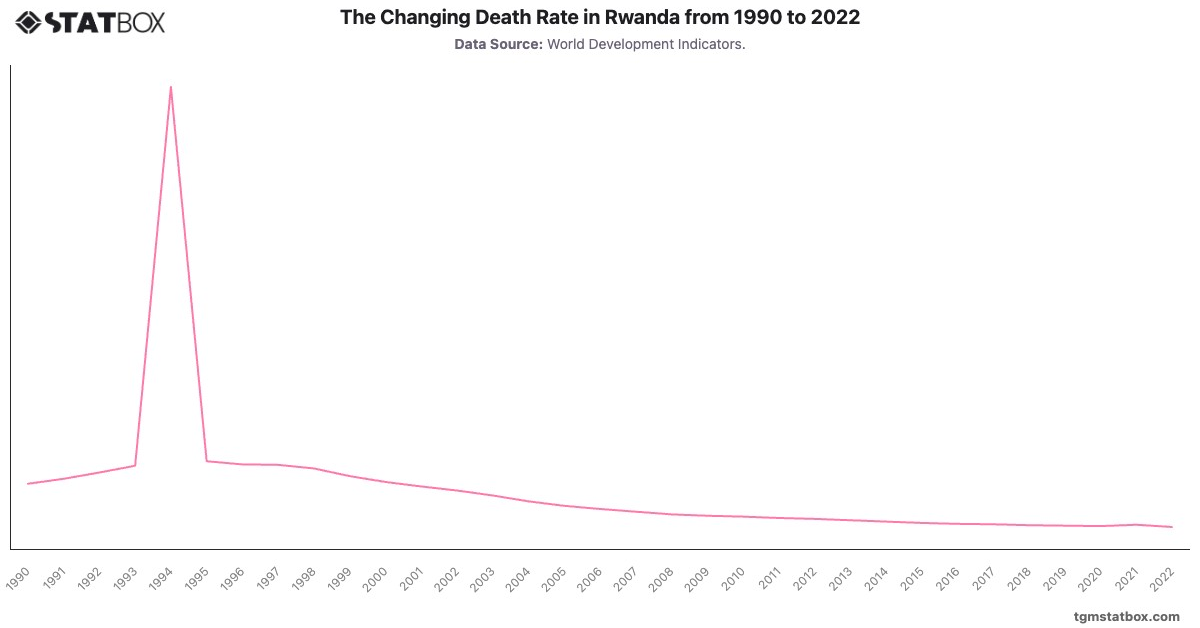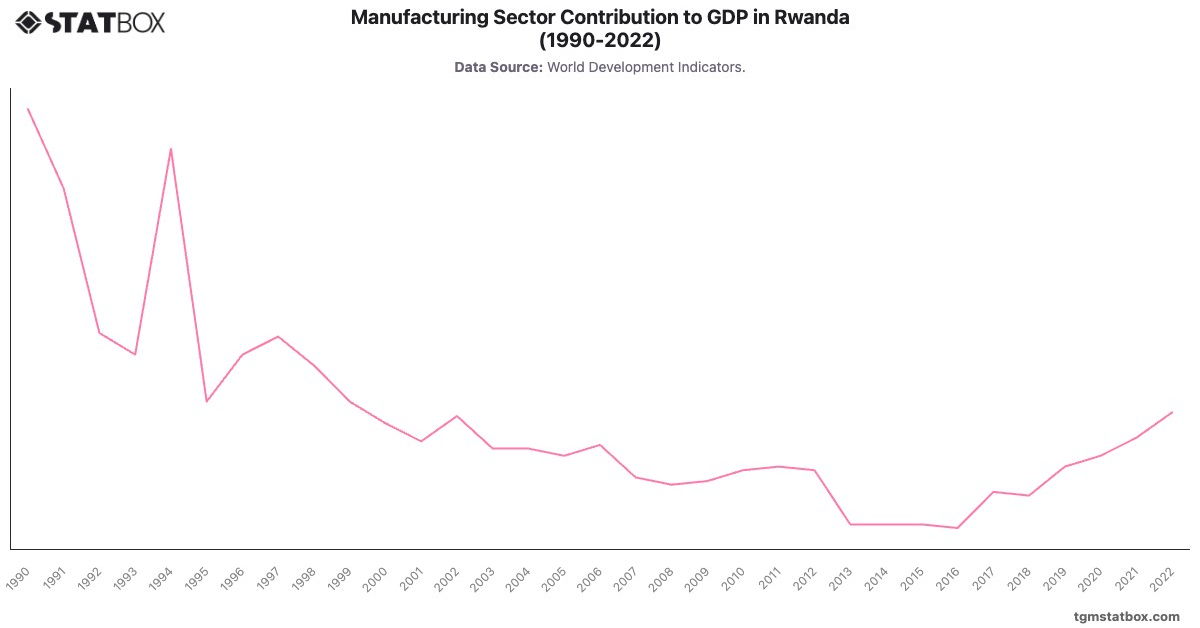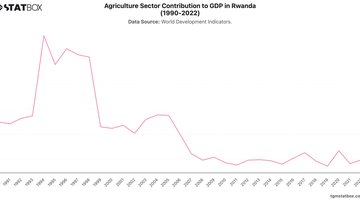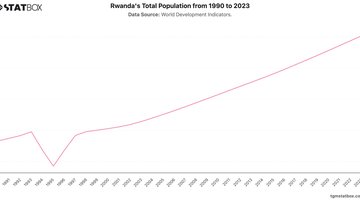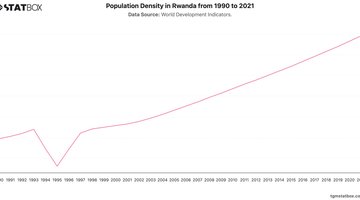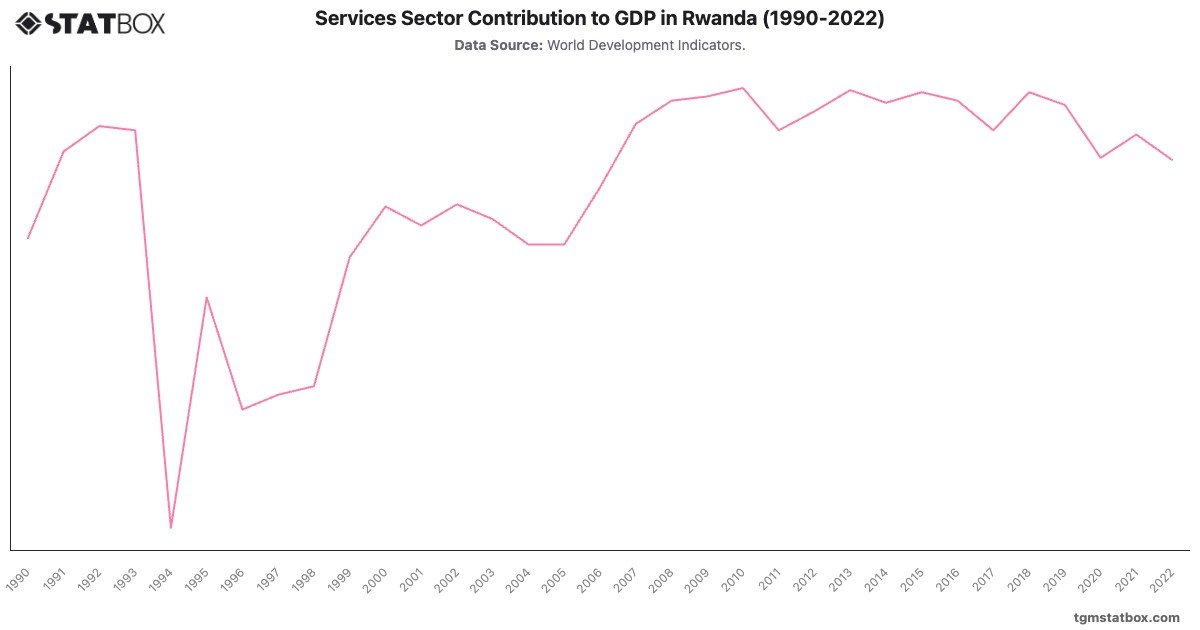
Rwanda's services sector has consistently contributed a significant portion to the country's GDP over the past few decades. In the early 1990s, the sector accounted for around 42- of GDP, with a notable dip in 1994, following the genocide, when the contribution fell to . The recovery from this devastating period saw the services sector gradually regaining its importance, reaching in 1995 and stabilizing in the late 1990s and early 2000s around 44-.
In the mid-2000s, the services sector's contribution rose further, peaking at in 2010, driven by growth in sectors such as trade, transport, and communication. This period marked Rwanda’s push towards modernization and service-oriented economic reforms. The sector maintained its strong performance through the 2010s, hovering around 48- of GDP, even during global economic challenges. In 2020, the pandemic caused a slight dip to , but the services sector remained resilient, contributing to the recovery in subsequent years, reaching in 2021 and in 2022. This stability reflects Rwanda’s ongoing focus on services, including financial services, tourism, and ICT, as key drivers of economic growth.
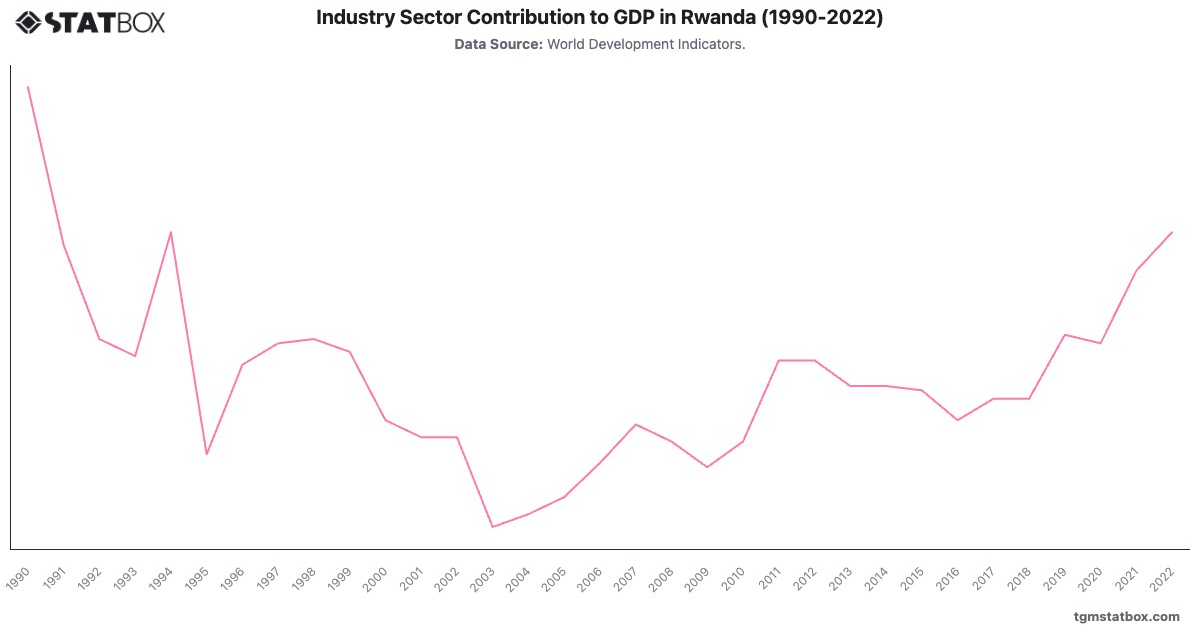
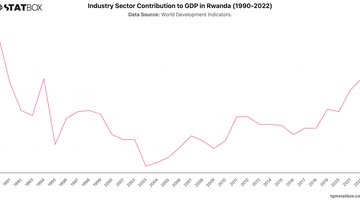
For additional information, visit statistics on Rwanda’s industry sector share in GDP, Rwanda’s mortality rate, Rwanda’s urban expansion.